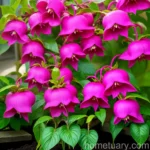
Fuchsia ‘Roesse Blacky’
Introduction
Fuchsia ‘Roesse Blacky’ is a stunning flowering plant renowned for its delicate, pendulous blooms and unique coloration. With its visual appeal and relatively low maintenance requirements, this plant has become a favorite among gardeners and horticulture enthusiasts. In this comprehensive guide, we will delve into the various aspects of cultivating and caring for Fuchsia ‘Roesse Blacky’, from its cultural needs to its propagation and common diseases. Whether you’re a seasoned gardener or just starting, this guide will equip you with the knowledge and tips to nurture these captivating plants effectively.
Key Takeaways
Here are some key points you can look forward to learning about in this guide:
- Comprehensive care tips for Fuchsia ‘Roesse Blacky’
- Various uses of Fuchsia ‘Roesse Blacky’ in different settings
- Insights into its water, sunlight, fertilizer, and soil requirements
- Guidance on pruning and propagation techniques
- Understanding common diseases and pests that affect Fuchsia ‘Roesse Blacky’
- Botanist’s tips and fun facts about this delightful plant
What is Fuchsia ‘Roesse Blacky’?
Fuchsia ‘Roesse Blacky’ is a cultivar of the larger Fuchsia genus, highly esteemed for its hanging, bell-shaped flowers that dangle delicately from its graceful branches. The striking combination of deep purple petals and almost black sepals gives this variety its unique and alluring appearance. These vibrant and showy flowers are a favorite for bringing color to shaded areas, making ‘Roesse Blacky’ a popular choice for gardens, hanging baskets, and containers.
Taxonomy and Classification
Scientifically, Fuchsia ‘Roesse Blacky’ belongs to the family Onagraceae and the genus Fuchsia. This genus encompasses over 100 recognized species, with numerous cultivated varieties and hybrids, showcasing a diverse range of colors, patterns, and growth habits.
Fuchsia ‘Roesse Blacky’ can be further classified as follows:
- Family: Onagraceae
- Genus: Fuchsia
- Cultivar: ‘Roesse Blacky’
Characteristics
Before delving into its care and maintenance, let’s explore the key characteristics of Fuchsia ‘Roesse Blacky’ that make it a standout addition to any garden or landscape:
- Flowers: The pendulous flowers of Fuchsia ‘Roesse Blacky’ feature deep purple petals and almost black sepals, creating a captivating contrast.
- Foliage: The deep green, serrated leaves provide an attractive backdrop to the striking blooms and contribute to the plant’s overall ornamental appeal.
- Habit: ‘Roesse Blacky’ has a trailing growth habit, making it ideal for hanging baskets and container plantings.
Culture
Uses
Fuchsia ‘Roesse Blacky’ is a versatile plant that lends itself to a variety of horticultural uses, both indoors and outdoors. Some common applications include:
- Garden Planting: ‘Roesse Blacky’ adds a pop of color to gardens, especially in shaded or partially shaded areas where its blooms can stand out against lush green foliage.
- Hanging Baskets: Its trailing growth habit makes it an excellent choice for hanging baskets, where the cascading flowers create an eye-catching display.
- Container Plantings: Due to its ornamental qualities, ‘Roesse Blacky’ is often featured in container gardens, whether on patios, balconies, or indoor spaces.
Water
Proper watering is essential for the health and vigor of Fuchsia ‘Roesse Blacky’. While these plants prefer consistently moist soil, they are susceptible to root rot if overwatered. Here are some watering guidelines to keep your ‘Roesse Blacky’ thriving:
- Frequency: Water the plant regularly, aiming to keep the soil evenly moist but not waterlogged.
- Container Plants: Check the moisture levels in container-grown ‘Roesse Blacky’ frequently, as they may dry out more quickly than those planted in the ground.
- Avoid Overwatering: Ensure proper drainage in the growing medium to prevent waterlogging, which can lead to root diseases.
Sunlight
Understanding the light requirements of Fuchsia ‘Roesse Blacky’ is crucial for its overall growth and blooming potential. While they prefer partial shade, they can tolerate different light conditions with appropriate care:
- Partial Shade: ‘Roesse Blacky’ thrives in dappled or partial shade, making it well-suited for areas with filtered sunlight or morning sun and afternoon shade.
- Avoid Strong Sun: Protect the plant from harsh, direct sunlight, especially during the hottest part of the day, as it can scorch the leaves and flowers.
- Indoor Placement: When grown indoors, choose a location with bright, indirect light to mimic the ideal conditions for outdoor cultivation.
Fertilizer
Providing adequate nutrients is essential for promoting healthy growth and prolific flowering in Fuchsia ‘Roesse Blacky’. Consider the following fertilizer tips to support the plant’s nutritional needs:
- Balanced Fertilizer: Use a balanced, water-soluble fertilizer with a formulation such as 20-20-20 or 10-10-10 to ensure a steady supply of essential nutrients.
- Frequency: Apply fertilizer every 2-4 weeks during the growing season to support continuous growth and flowering.
- Avoid Excess Fertilization: Overfeeding can lead to salt accumulation in the soil, causing damage to the plant’s roots, so follow the recommended application rates provided by the fertilizer manufacturer.
Soil
Selecting the right soil type and ensuring proper soil conditions are vital for the health and vitality of Fuchsia ‘Roesse Blacky’. Here’s how to cater to the plant’s soil requirements:
- Well-Draining Soil: ‘Roesse Blacky’ thrives in well-draining, fertile soil that retains moisture without becoming waterlogged.
- pH Levels: Aim for slightly acidic to neutral soil with a pH range between 6.0 and 6.5 for optimal nutrient uptake and overall growth.
- Organic Matter: Incorporating organic matter, such as compost or well-rotted manure, can enhance the soil structure and fertility, providing a favorable environment for the plant’s root system.
Pruning
Pruning plays a vital role in shaping the growth habit, encouraging flowering, and maintaining the overall health of Fuchsia ‘Roesse Blacky’. Follow these pruning techniques to keep your plant looking its best:
- Deadheading: Remove spent flowers regularly to promote continuous blooming and prevent the plant from channeling its energy into seed production.
- Shape Management: Trim back leggy or straggly branches to maintain a pleasing and compact form, especially in container plantings or hanging baskets.
- Winter Pruning: In late winter or early spring, prune back any dead or damaged growth and consider light pruning to stimulate new growth for the upcoming season.
Propagation
If you wish to expand your collection of Fuchsia ‘Roesse Blacky’ or share it with fellow gardening enthusiasts, propagation offers a way to create new plants. Here are some common methods of propagating ‘Roesse Blacky’:
- Stem Cuttings: Select healthy stem cuttings with at least two leaf nodes, remove the lower leaves, and place the cuttings in a rooting medium to encourage root development.
- Division: Divide older, established plants by carefully separating the root ball into sections, ensuring that each division has sufficient roots and shoots for successful establishment.
Container Popularity
Benefits of Container Planting
The popularity of growing Fuchsia ‘Roesse Blacky’ in containers is attributed to several advantages it offers to gardeners and plant enthusiasts:
- Versatility: Containers allow for versatile placement, making ‘Roesse Blacky’ suitable for patios, balconies, and small outdoor spaces.
- Aesthetic Appeal: The cascading foliage and pendulous flowers create an eye-catching display in hanging baskets and decorative containers.
- Easy Maintenance: Container-grown plants can be monitored and cared for more conveniently, making it an ideal option for those with limited gardening space or mobility.
Container Selection
Choosing the right container is essential for the well-being of Fuchsia ‘Roesse Blacky’ when grown in pots or hanging baskets:
- Drainage: Select containers with adequate drainage holes to prevent waterlogging, promoting healthy root growth and minimizing the risk of root diseases.
- Size: Choose a container that accommodates the plant’s root system while providing ample room for growth, typically opting for a pot that is 1-2 inches larger than the plant’s current container.
Common Diseases
Disease Diagnosis
Fuchsia ‘Roesse Blacky’ is susceptible to certain diseases, and early detection is crucial for effective management. Look out for the following common diseases and their diagnostic symptoms:
- Gray Mold (Botrytis): This fungal disease manifests as grayish mold on the leaves and flowers, often thriving in cool, humid conditions and poorly ventilated spaces.
- Root Rot: Overwatering or poorly draining soil can lead to root rot, presenting symptoms such as yellowing leaves, wilting, and a foul odor from the affected roots.
- Rust: Rust appears as yellow, orange, or brown pustules on the undersides of leaves, often caused by fungi favored by high humidity and damp conditions.
Disease Prevention and Management
Implementing preventive measures and prompt intervention is crucial in safeguarding Fuchsia ‘Roesse Blacky’ from diseases. Consider the following strategies for disease management:
- Cultural Practices: Ensure proper air circulation, moderate watering, and good sanitation to reduce the risk of fungal diseases.
- Well-Draining Soil: Use well-draining soil mixes and avoid overwatering to prevent root rot and other moisture-related diseases.
- Fungicidal Treatments: In severe cases, consider using fungicidal treatments according to the manufacturer’s recommendations to combat fungal diseases effectively.
Common Pests
Pest Identification
Several common pests can pose a threat to the health and vitality of Fuchsia ‘Roesse Blacky’. Learning to identify these pests and their symptoms is an essential step in effective pest management:
- Aphids: These tiny, pear-shaped insects cluster on the undersides of leaves, sucking sap from the plant and causing distortion and yellowing of the foliage.
- Spider Mites: Spider mites are minuscule arachnids that leave fine webbing on the leaves and cause stippling, discoloration, and reduced plant vigor.
- Whiteflies: These small, white insects congregate on the undersides of leaves and, like aphids, feed on the plant’s sap, leading to yellowing and wilting of the foliage.
Pest Control
Controlling pest infestations is crucial to maintaining the health and ornamental value of ‘Roesse Blacky’. Here are some strategies to manage common pests effectively:
- Insecticidal Soaps: Utilize insecticidal soaps to target soft-bodied pests such as aphids and whiteflies, ensuring thorough coverage, especially on the undersides of leaves.
- Horticultural Oils: Apply horticultural oils to suffocate and control spider mite populations, focusing on the areas where the pests are most prevalent.
- Biological Controls: Consider introducing natural predators, such as ladybugs or lacewings, to establish a balanced ecosystem and naturally manage pest populations.
Botanist’s Tips
As a plant scientist, I have gathered some valuable tips for cultivating and caring for Fuchsia ‘Roesse Blacky’, based on insights into its growth habits and environmental preferences:
- Moderate Temperature: ‘Roesse Blacky’ thrives in moderate temperatures, making it ideal for regions with mild climates, where it can flourish without exposure to extreme heat or cold.
- Nutrient-Rich Soil: Enrich the soil with organic matter to ensure a steady supply of nutrients for healthy growth and vibrant flowering.
- Regular Inspection: Regularly inspect the plant for signs of pest infestations, diseases, or nutrient deficiencies, addressing any issues promptly to maintain its health and visual appeal.
Fun Facts
- The Fuchsia genus is named after the German botanist Leonhart Fuchs, renowned for his significant contributions to botanical studies during the 16th century.
- Fuchsia flowers are often attractively colored to attract pollinators such as hummingbirds, making them a valuable addition to wildlife-friendly garden settings.
- In their native habitats, Fuchsia plants can often be found growing in the understory of forests, thriving in partially shaded and sheltered environments.
Links to External Resources
Further Reading
Online Retailers
Botanical Gardens
With its captivating blooms and ornamental value, Fuchsia ‘Roesse Blacky’ continues to enchant gardeners and plant enthusiasts with its striking appearance and relatively manageable care requirements. By following the insights and guidelines provided in this comprehensive guide, you can cultivate and cherish these delightful plants in your own garden, patio, or indoor spaces, enhancing the visual appeal and charm of your botanical collection. Happy gardening!
Keywords: Fuchsia ‘Roesse Blacky’ care, Fuchsia plant varieties, Fuchsia hanging basket, Fuchsia flowering plants, Fuchsia plant care tips, Fuchsia ‘Roesse Blacky’ pruning, Fuchsia plants for shade, Fuchsia shrub care, Fuchsia fertilizer requirements, Fuchsia plant diseases, Fuchsia plant propagation, Fuchsia plant maintenance, Fuchsia plant watering, Fuchsia plant pests, Fuchsia plant soil requirements, Fuchsia ‘Roesse Blacky’ characteristics, Fuchsia plant colors, Fuchsia plant pruning techniques, Fuchsia plant companions, Fuchsia plant containers, Fuchsia plant growing season, Fuchsia ‘Roesse Blacky’ sunlight needs, Fuchsia plant winter care, Fuchsia plant fragrant varieties, Fuchsia plant hardiness zones, Fuchsia plant trailing varieties, Fuchsia ‘Roesse Blacky’ landscape uses, Fuchsia plant flower shape, Fuchsia plant indoor growing, Fuchsia plant outdoor placement, Fuchsia plant wildlife attraction, Fuchsia plant medicinal properties, Fuchsia plant pollinator-friendly, Fuchsia ‘Roesse Blacky’ climate tolerance, Fuchsia plant container gardening, Fuchsia plant vertical gardening, Fuchsia plant shade gardens, Fuchsia ‘Roesse Blacky’ unique features, Fuchsia plant natural remedies, Fuchsia plant companion planting, Fuchsia ‘Roesse Blacky’ insect-resistant, Fuchsia plant hanging pot ideas, Fuchsia plant ground cover, Fuchsia plant border planting, Fuchsia ‘Roesse Blacky’ focal point plant, Fuchsia plant summer blooming, Fuchsia plant container arrangement, Fuchsia ‘Roesse Blacky’ low maintenance, Fuchsia plant decorative uses, Fuchsia plant sun and shade requirements