Fuchsia ‘Nancy Lou’: A Comprehensive Guide to Cultivation and Care
What is a Fuchsia Plant?
Fuchsias, belonging to the genus Fuchsia, are known for their vibrant and delicate pendulous flowers. These ornamental plants are native to Central and South America, as well as New Zealand and Tahiti, where they grow in the wild as epiphytes or shrubs. Fuchsias are beloved for their striking, teardrop-shaped blooms, which come in numerous hues such as pink, purple, white, and red. The two main types of fuchsias are hardy and non-hardy, with each displaying unique growth habits.
Key Takeaways
This article will provide a comprehensive insight into the utilization, growth conditions, caretaking, and propagation of the fuchsia plant, focusing on the popular variety ‘Nancy Lou’. We will delve into the culture, uses, water requirements, sunlight needs, fertilizer application, soil preferences, pruning, propagation techniques, container considerations, and popular diseases and pests associated with the Fuchsia ‘Nancy Lou’. Furthermore, botanist’s tips, fun facts, and links to external resources will be included for enthusiasts and curious minds alike.
Plant Name: Fuchsia ‘Nancy Lou’
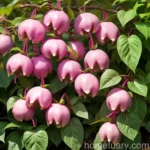
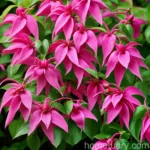
The ‘Nancy Lou’ fuchsia is a captivating variety appreciated for its exceptionally vibrant and richly colored blooms. With lush green foliage and an abundance of multicolored flowers, this cultivar is sought after for its ornamental appeal and dazzling presence in gardens and landscapes.
Fuchsia ‘Nancy Lou’ – Basic Information
- Scientific Name: Fuchsia ‘Nancy Lou’
- Plant Type: Perennial
- Bloom Time: Late Spring to Frost
- Flower Color: Varied – Pink, Purple, White, and Red
- Growth Habit: Upright, Bushy
- Hardiness Zone: 8-11
Culture of Fuchsia ‘Nancy Lou’
Fuchsia ‘Nancy Lou’ thrives when provided with optimal growing conditions and care. A conducive environment encourages prolific flowering and healthy growth. The following sections will outline the essential elements of fuchsia culture including uses, water requirements, sunlight needs, fertilizer application, soil preferences, pruning, propagation, and container considerations.
Uses
- Ornamental Purposes: ‘Nancy Lou’ fuchsia is primarily cultivated for its aesthetic value, serving as an eye-catching addition to gardens, hanging baskets, and containers. Its striking blooms create a visually appealing display and attract pollinators, making it an excellent choice for ornamental landscape designs.
- Bouquet and Floral Arrangements: The vibrant and delicate flowers of the ‘Nancy Lou’ variety are also utilized in floral arrangements due to their attractive colors and unique form.
Water
Proper watering is crucial for the health and vigor of fuchsia plants. Adequate moisture levels are necessary to sustain growth and ensure prolific flowering.
Watering Tips for Fuchsia ‘Nancy Lou’
- Consistent Moisture: Fuchsia ‘Nancy Lou’ prefers consistently moist soil. It is important to ensure that the soil is evenly moist, not waterlogged or dried out.
- Avoid Watering Overhead: To prevent diseases such as botrytis, which can thrive in damp conditions, it is advisable to water the soil directly, avoiding the foliage and flowers whenever possible.
Sunlight
The right balance of sunlight is essential for the flourishing of fuchsia plants. ‘Nancy Lou’ requires optimal light conditions to maximize its blooming potential and overall growth.
Sunlight Preferences for Fuchsia ‘Nancy Lou’
- Partial Shade: Ideal for ‘Nancy Lou’, partial shade conditions provide protection from intense midday sun while allowing exposure to gentle morning or late afternoon sunlight.
- Filtered Light: When grown in hotter climates, filtered light or dappled shade helps prevent sunscald and maintains the plant’s health.
Fertilizer
Appropriate fertilization ensures that ‘Nancy Lou’ fuchsia plants receive essential nutrients for robust growth and prolific flowering. Fertilizer application should be carried out responsibly and in accordance with plant needs.
Fertilization Guidelines for Fuchsia ‘Nancy Lou’
- Balanced Fertilizer: Use a balanced, water-soluble fertilizer with a lower nitrogen content to encourage blooming without promoting excessive vegetative growth.
- Frequency: During the active growing season, fertilize the plants every 2-4 weeks. Reduce or cease fertilization during the plant’s dormancy or winter months.
Soil
Good soil conditions are vital for the well-being of fuchsia plants. The right type of soil contributes to healthy root development and overall plant vigor.
Soil Preferences for Fuchsia ‘Nancy Lou’
- Well-Draining Soil: Fuchsia ‘Nancy Lou’ thrives in well-draining, slightly acidic soil. Incorporating organic matter, such as peat moss or compost, enhances soil structure and fertility.
- Mulching: Mulch the soil around the base of the plant to conserve moisture, regulate soil temperature, and inhibit weed growth.
Pruning
Regular pruning is integral to maintaining the shape, health, and blooming capability of ‘Nancy Lou’ fuchsia plants. Pruning promotes air circulation, removes dead or diseased growth, and encourages new flowering shoots.
Pruning Techniques for Fuchsia ‘Nancy Lou’
- Deadheading: Remove spent flowers and buds to encourage continuous blooming and prevent seed formation.
- Maintenance Pruning: Trim back leggy or excessively long growth to maintain a compact and bushy form.
Propagation of Fuchsia ‘Nancy Lou’
The propagation of fuchsia plants allows enthusiasts to expand their collection, preserve specific cultivars, or share their favorite varieties with others. ‘Nancy Lou’ can be propagated through various methods, each with its own set of requirements and techniques.
Propagation Methods for Fuchsia ‘Nancy Lou’
1. Stem Cuttings
- Selecting Cuttings: Choose healthy, non-flowering stem cuttings with several leaf nodes. Cuttings should be approximately 4-6 inches long.
- Rooting Medium: Plant the cuttings in a well-draining rooting medium, such as a mix of perlite and peat moss.
- Consistent Moisture: Keep the medium consistently moist and provide a warm, humid environment to encourage rooting.
2. Division
- Established Plants: Divide clumps of established ‘Nancy Lou’ fuchsia plants to create new individuals. This method is suitable for plants with multiple stems or suckers emerging from the base.
3. Layering
- Encouraging Rooting: Encourage the growth of roots on the branches of the parent plant by providing a rooting medium and securing the branch in contact with the medium until rooting occurs.
Container Popularity
The ‘Nancy Lou’ fuchsia is widely celebrated for its suitability in container gardening, making it a popular choice for enthusiasts with limited garden space, as well as those aiming to create visually captivating arrangements and landscapes.
Advantages of Growing Fuchsia ‘Nancy Lou’ in Containers
- Versatility: Well-suited for hanging baskets, window boxes, and decorative containers, ‘Nancy Lou’ brings vibrant color and elegance to any space.
- Portability: Containers allow for flexibility in positioning and placement, making it easier to protect the plant from extreme weather conditions or adjust its exposure to sunlight.
Common Diseases of Fuchsia ‘Nancy Lou’
Fuchsia plants, including the ‘Nancy Lou’ variety, may be susceptible to specific diseases that can affect their health and vitality. Understanding common diseases and their identification is essential for implementing preventive measures and appropriate treatments.
Disease Diagnosis and Prevention
1. Botrytis Blight (Gray Mold)
- Symptoms: Visible gray mold on flowers, buds, or foliage. Infected areas may appear water-soaked and ultimately turn brown or tan.
- Preventive Measures: Ensure proper air circulation, avoid overhead watering, and promptly remove any affected plant parts.
2. Fuchsia Gall Mite
- Symptoms: Distorted growth and gall formation on leaves and shoots. Infested leaves may exhibit a red or green discoloration and become distorted in shape.
- Preventive Measures: Monitor plants regularly, remove and dispose of affected plant parts, and consider applying horticultural oil to control mite populations.
3. Fuchsia Wilt
- Symptoms: Sudden wilting and decline of the plant, potentially accompanied by dark discoloration of the stem near the soil line.
- Preventive Measures: Plant fuchsias in well-draining soil, avoid overwatering, and inspect new additions for signs of wilt or root rot before introducing them to the garden.
Common Pests Affecting Fuchsia ‘Nancy Lou’
Pests can pose a threat to the health and beauty of ‘Nancy Lou’ fuchsia plants, requiring vigilant monitoring and timely intervention to prevent infestations from causing significant damage.
Pest Control Measures for Fuchsia ‘Nancy Lou’
1. Aphids
- Identification: Small, soft-bodied insects found clustered on the undersides of leaves, where they feed on plant sap.
- Control Methods: Use a strong jet of water to dislodge aphids, apply insecticidal soap, or introduce natural predators such as ladybugs.
2. Spider Mites
- Identification: These tiny arachnids cause stippling on leaves and produce fine webbing. They thrive in dry and warm conditions.
- Control Methods: Increase humidity, rinse foliage with water, or apply horticultural oil to manage spider mite populations.
3. Whiteflies
- Identification: Whiteflies are small, winged insects that congregate on the undersides of leaves and produce honeydew, leading to sooty mold.
- Control Methods: Utilize yellow sticky traps, introduce natural predators, or apply neem oil to deter and manage whiteflies.
Botanist’s Tips for Fuchsia ‘Nancy Lou’ Care
Cultivating and caring for ‘Nancy Lou’ fuchsia plants can be a rewarding endeavor when guided by effective techniques and insightful advice. The following botanist’s tips offer valuable recommendations for enhancing the health and beauty of these stunning plants.
Botanist’s Recommendations
- Consistent Moisture: Maintain even soil moisture to support healthy growth and flowering.
- Balanced Fertilization: Use a balanced fertilizer with a lower nitrogen content to promote blooming without stimulating excessive vegetative growth.
- Pruning Practice: Regular deadheading and maintenance pruning contribute to continuous flowering and a well-shaped plant form.
- Optimal Light Conditions: Provide partial shade or filtered light to protect the plant from intense sun and promote vibrant flowering.
Fun Facts about Fuchsia ‘Nancy Lou’
- Color Variation: The ‘Nancy Lou’ fuchsia produces an array of vibrant and captivating flower colors, adding an element of surprise to its visual appeal.
- Attracts Hummingbirds: The tubular flowers of fuchsia plants, including ‘Nancy Lou’, are known to attract hummingbirds due to their shape and nectar content.
- Edible Flowers: While not a primary culinary plant, fuchsia flowers are edible and can be used to add a decorative touch to salads or desserts.
- Air Purification: Fuchsia plants, like other greenery, contribute to air purification by absorbing pollutants and releasing oxygen, enhancing the indoor environment.
Links to External Resources
- Royal Horticultural Society: Fuchsia Growing Guide
- The American Fuchsia Society
- University of California Agriculture and Natural Resources: Fuchsia Pest Management Guidelines
- The FuchsiaMagazine
In conclusion, the enchanting ‘Nancy Lou’ fuchsia embodies the beauty and elegance of the fuchsia plant genus. Its vibrant colors, ornamental appeal, and adaptability make it a sought-after addition to gardens and landscapes. By adhering to the outlined culture and care guidelines, enthusiasts can cultivate thriving ‘Nancy Lou’ fuchsia plants and revel in their stunning displays of colorful blossoms.
Incorporating the provided botanist’s tips, exploring external resources, and staying vigilant against common diseases and pests will help ensure the continued health and vitality of ‘Nancy Lou’ fuchsias, allowing them to grace gardens and outdoor spaces with their captivating presence.