Fuchsia Magellanica Var. Molinae (Hardy Fuchsia)
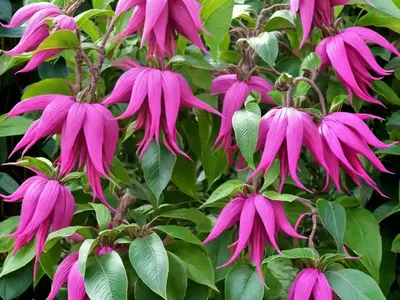
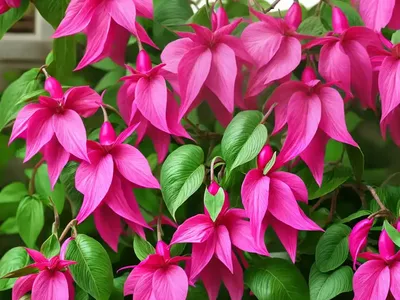
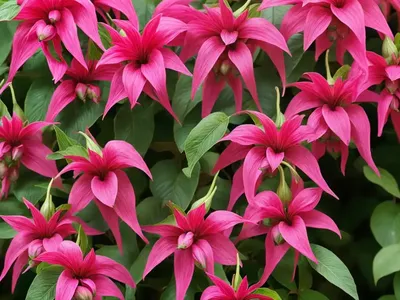
Fuchsia magellanica var. molinae, commonly known as Hardy Fuchsia, is a stunning flowering plant that has gained popularity among gardeners and landscapers.
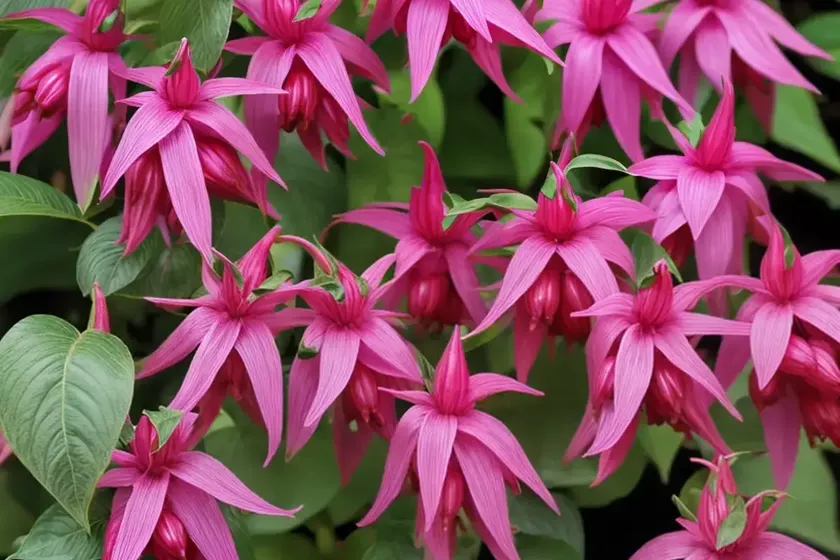
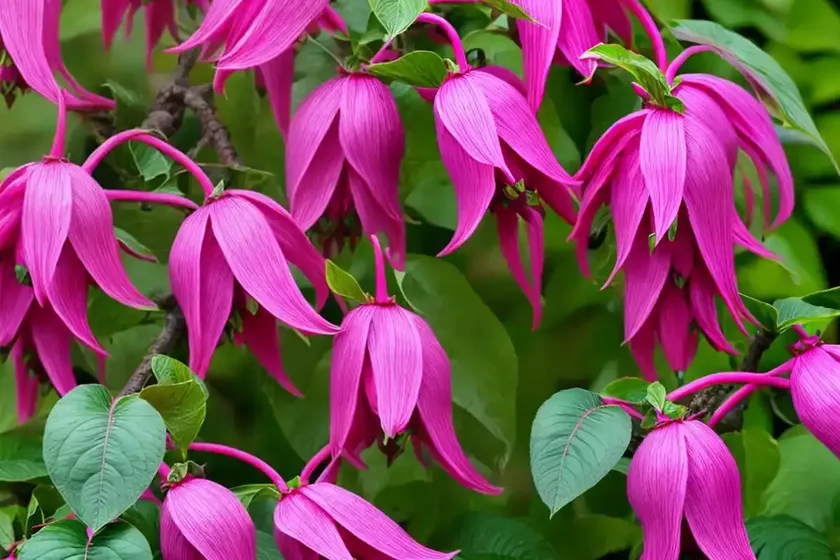
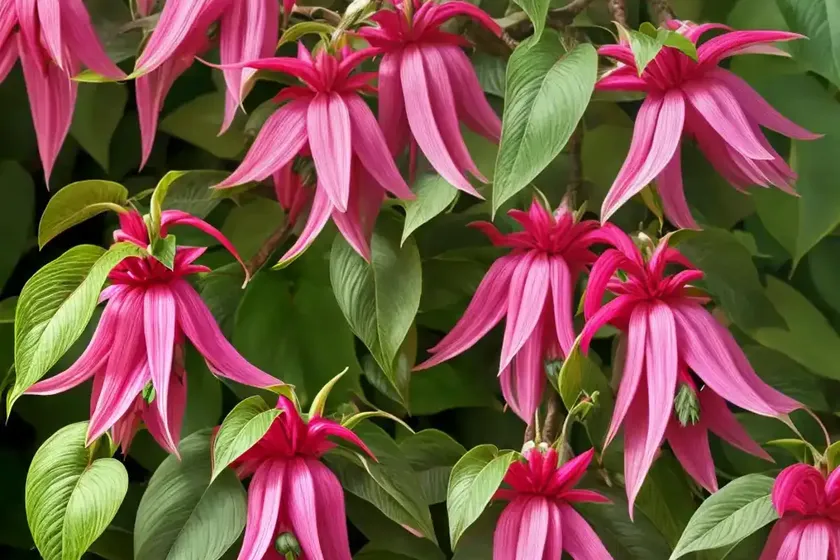
Fuchsia magellanica var. molinae, commonly known as Hardy Fuchsia, is a stunning flowering plant that has gained popularity among gardeners and landscapers for its charming blooms and versatility. In this comprehensive guide, we will explore the key aspects of Fuchsia magellanica var. molinae, including its cultural requirements, uses, care tips, common diseases, and pest management. Whether you are a seasoned gardener or just starting with plants, this guide will provide you with all the information you need to cultivate and care for this exquisite plant species.
What is Fuchsia magellanica var. molinae (Hardy Fuchsia)?
Fuchsia magellanica var. molinae belongs to the Onagraceae family and is native to southern parts of South America, including Chile and Argentina. This hardy perennial shrub is known for its elegant, pendulous flowers that bloom in a range of colors, including vibrant pinks, purples, and whites. It typically grows to a height of 3 to 10 feet, depending on the variety and growing conditions.
Key Takeaways – Fuchsia magellanica var. molinae (Hardy Fuchsia)
Before delving into the specifics of caring for Fuchsia magellanica var. molinae, let’s highlight some key takeaways about this plant:
- Scientific Name: Fuchsia magellanica var. molinae
- Common Name: Hardy Fuchsia
- Family: Onagraceae
- Origin: South America (Chile, Argentina)
- Growth Habit: Perennial shrub
- Flower Colors: Pink, purple, white
- Growing Zones: 6-9
- Uses: Ornamental, landscaping
- Key Features: Pendulous flowers, attractive to pollinators
- Notable Cultivars: ‘Alba’, ‘Riccartonii’, ‘Aurea’
Now that we have an overview of Fuchsia magellanica var. molinae, let’s explore its cultural requirements, uses, and care tips in detail.
Culture
Uses
Fuchsia magellanica var. molinae is primarily cultivated for its ornamental value, adding a touch of elegance and vibrancy to gardens, landscapes, and containers. The pendulous flowers and lush foliage make it an ideal choice for borders, hedges, and mixed perennial beds.
Water
Proper watering is crucial for the health and vigor of Fuchsia magellanica var. molinae. While it thrives in moist, well-drained soil, it is essential to avoid waterlogged conditions, as this can lead to root rot and other issues. During the growing season, it is recommended to water the plant regularly, ensuring that the soil remains evenly moist. In hot and dry weather, increased watering may be necessary to prevent drought stress.
Sunlight
Fuchsia magellanica var. molinae prefers partial shade to full sun conditions. While it can tolerate some direct sunlight, especially in cooler climates, providing afternoon shade can help protect the plant from excessive heat and prevent the flowers from fading prematurely. When grown in hot climates, providing dappled shade or locating the plant in a sheltered spot can promote better growth and flowering.
Fertilizer
To support healthy growth and prolific flowering, feeding Fuchsia magellanica var. molinae with a balanced, water-soluble fertilizer is beneficial. During the growing season, applying a slow-release fertilizer or a liquid fertilizer every 4-6 weeks can help nourish the plant and promote vibrant blooms. It is important to follow the manufacturer’s instructions and avoid over-fertilization, which can lead to excessive foliage growth at the expense of flowering.
Soil
In terms of soil preferences, Fuchsia magellanica var. molinae thrives in rich, well-draining soil with a slightly acidic to neutral pH. Amending the planting site with organic matter, such as compost or peat moss, can enhance soil structure and fertility, providing an optimal growing environment for the plant. Additionally, mulching around the base of the plant can help conserve moisture and regulate soil temperature, contributing to overall plant health.
Pruning
Pruning is an important aspect of caring for Fuchsia magellanica var. molinae, as it helps maintain a compact and tidy growth habit, encourages branching, and enhances flowering. In late winter or early spring, before new growth emerges, it is advisable to prune the plant to remove any dead, damaged, or crossing branches. Additionally, light pruning during the growing season can help shape the plant and promote renewed growth and flowering. When pruning, using sharp, clean tools and making precise cuts is essential to minimize stress and promote rapid healing.
Propagation
There are several methods for propagating Fuchsia magellanica var. molinae, including stem cuttings, layering, and division. Stem cuttings are a popular and reliable method for producing new plants, especially during the spring or early summer when the plant is actively growing. By taking 4-6 inch cuttings from healthy stems and placing them in a well-draining potting mix, it is possible to encourage root development and establish new plants. Layering, which involves burying a portion of a living stem to promote root formation, and division of mature clumps are additional propagation options that can be explored.
Container Popularity
Fuchsia magellanica var. molinae is well-suited for container cultivation, making it a popular choice for patio displays, balconies, and small gardens. When grown in containers, it is essential to select a pot with adequate drainage holes and use a well-draining potting mix to prevent waterlogging. Regular watering, appropriate sunlight exposure, and periodic fertilization are key components of successful container cultivation, allowing enthusiasts to enjoy the beauty of Hardy Fuchsia in compact spaces.
Common Diseases
Fuchsia magellanica var. molinae is generally resistant to pests and diseases, especially when provided with optimal growing conditions and proper care. However, like many plants, it can be susceptible to certain issues, including fungal diseases, such as gray mold, powdery mildew, and rust, as well as viral infections. Regular monitoring, proper sanitation, and adequate air circulation can help prevent the onset and spread of diseases in the garden or landscape.
Disease Diagnosis
When diagnosing potential diseases affecting Fuchsia magellanica var. molinae, it is crucial to inspect the plant regularly for any signs of discoloration, wilting, distorted growth, or unusual markings on the foliage or flowers. By closely observing the plant and identifying any abnormalities, it is possible to take timely measures to address the issue and prevent it from spreading to nearby plants.
Common Pests
While Fuchsia magellanica var. molinae is relatively resilient against pests, it can still attract certain insects that may cause damage if left unmanaged. Common pests that may affect Hardy Fuchsia include aphids, whiteflies, spider mites, and thrips. Regularly inspecting the plant for signs of pest infestations, such as stippled leaves, distorted growth, or the presence of insects, can aid in early detection and prompt intervention, minimizing potential damage.
Botanist’s Tips
To help fellow plant enthusiasts cultivate and enjoy Fuchsia magellanica var. molinae, here are some expert tips from botanists and experienced gardeners:
- Provide Adequate Air Circulation: Ensuring proper air circulation around the plant can help prevent fungal diseases and promote overall plant health.
- Monitor Moisture Levels: Regularly checking the soil moisture and adjusting watering frequency based on weather conditions can help prevent water-related issues and stress.
- Support Pollinators: Fuchsia magellanica var. molinae is a valuable food source for pollinators, so creating a pollinator-friendly garden can attract beneficial insects and support biodiversity.
Fun Facts
- In its native regions, Fuchsia magellanica var. molinae can be found growing in forests, along riverbanks, and in other natural habitats, highlighting its adaptability.
- Hardy Fuchsia flowers can have a striking bicolor effect, with contrasting shades on the sepals and petals, adding to their visual appeal.
Links to External Resources
To further expand your knowledge of Fuchsia magellanica var. molinae and enhance your gardening experience, consider exploring the following external resources:
- Royal Horticultural Society – Growing Fuchsias
- American Fuchsia Society
- University of California – Fuchsia Planting and Care
In conclusion, Fuchsia magellanica var. molinae, also known as Hardy Fuchsia, is a captivating plant that offers an abundance of charm and beauty to gardens and landscapes. By understanding its cultural requirements, implementing proper care practices, and being vigilant about potential issues, plant enthusiasts can cultivate thriving specimens of this delightful species. Whether you are drawn to its elegant flowers, its attractiveness to pollinators, or its suitability for container cultivation, Hardy Fuchsia holds a special place in the realm of ornamental plants, captivating admirers with its enduring allure.
Hardy Fuchsia plants, Fuchsia magellanica, Fuchsia molinae, Hardy Fuchsia varieties, Fuchsia plants for gardens, Fuchsia magellanica molinae care, Hardy Fuchsia species, Fuchsia magellanica var. molinae characteristics, Growing Hardy Fuchsia, Hardy Fuchsia plant care, Fuchsia magellanica molinae varieties, Fuchsia magellanica var. molinae tips, Hardy Fuchsia pruning, Fuchsia magellanica molinae propagation, Hardy Fuchsia varieties for cold climates, Fuchsia magellanica var. molinae cultivation, Fuchsia molinae planting tips, Hardy Fuchsia landscape ideas, Fuchsia magellanica molinae diseases, Hardy Fuchsia for borders, Fuchsia magellanica var. molinae facts, Hardy Fuchsia gardening tips, Fuchsia magellanica molinae pruning techniques, Fuchsia magellanica var. molinae hardiness, Hardy Fuchsia care guide, Fuchsia magellanica molinae pests and diseases, Hardy Fuchsia garden design, Fuchsia magellanica var. molinae planting guide, Hardy Fuchsia container gardening, Fuchsia magellanica molinae winter care, Hardy Fuchsia companion plants, Fuchsia magellanica var. molinae soil requirements, Hardy Fuchsia landscaping ideas, Fuchsia magellanica molinae sun exposure, Hardy Fuchsia maintenance tips, Fuchsia magellanica var. molinae water needs, Hardy Fuchsia flower colors, Fuchsia magellanica molinae bird attractant, Hardy Fuchsia pollination, Fuchsia magellanica var. molinae bloom time, Hardy Fuchsia disease resistance, Fuchsia magellanica molinae wildlife habitat, Hardy Fuchsia drought tolerance, Fuchsia magellanica var. molinae growth habits, Hardy Fuchsia soil pH preferences, Fuchsia magellanica molinae garden landscaping, Hardy Fuchsia planting depth, Fuchsia magellanica var. molinae container care, Hardy Fuchsia propagation methods, Fuchsia magellanica molinae hybrid varieties