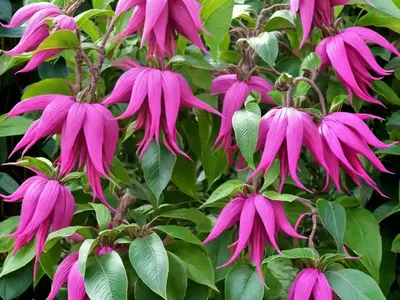
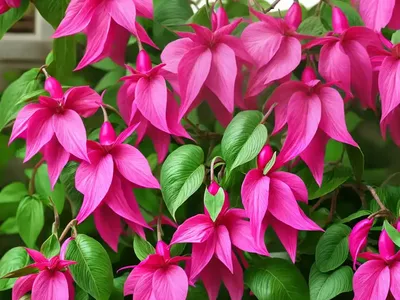
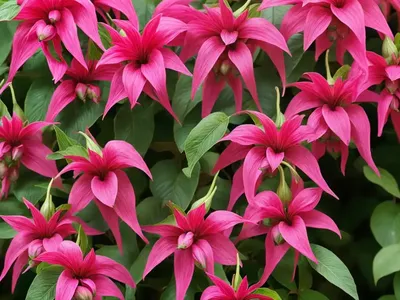
Fuchsia Magellanica ‘Lady Bacon’ (Hardy Fuchsia)
Fuchsia magellanica ‘Lady Bacon,’ known as the Hardy Fuchsia, is a stunning and versatile plant that can be a beautiful addition to any garden or.
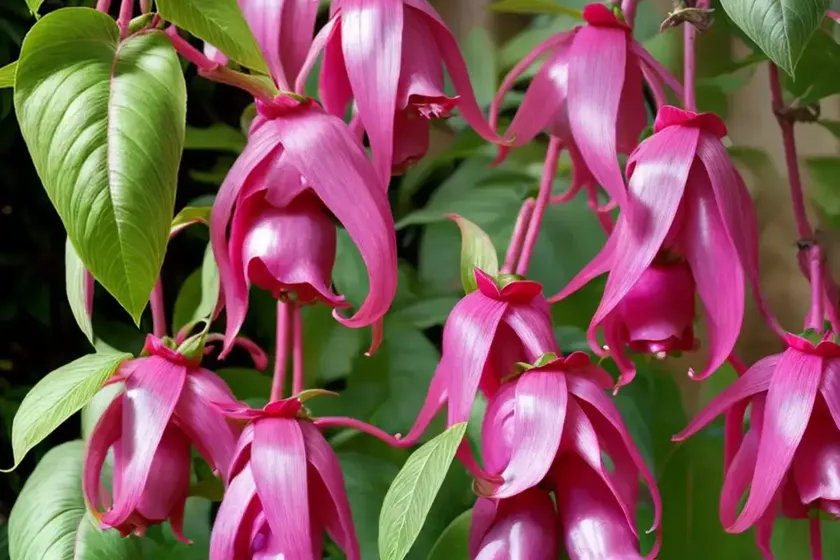
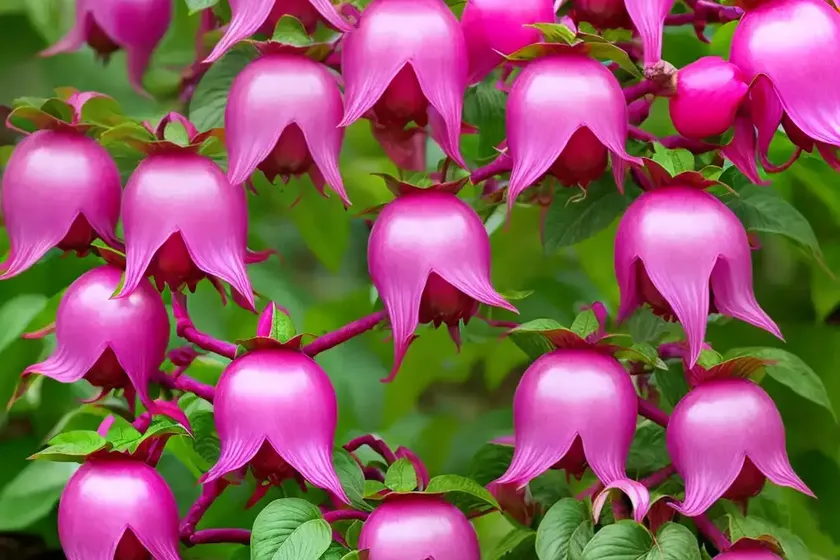
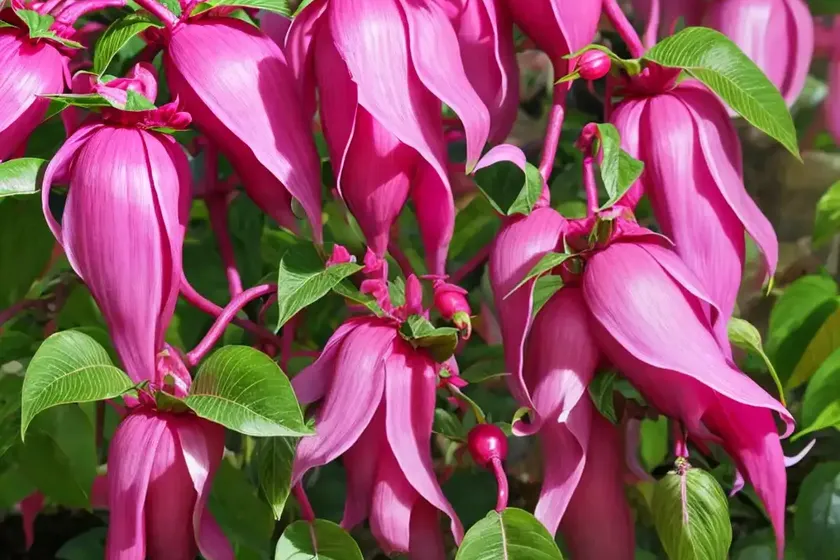
Fuchsia magellanica ‘Lady Bacon,’ known as the Hardy Fuchsia, is a stunning and versatile plant that can be a beautiful addition to any garden or landscape. This resilient plant is beloved for its striking and elegant flowers and its adaptability to various growing conditions. In this comprehensive guide, we will explore the key characteristics, cultivation practices, and potential uses of Fuchsia magellanica ‘Lady Bacon,’ including care, maintenance, propagation, common diseases, and much more.
What is Fuchsia magellanica ‘Lady Bacon’?
Fuchsia magellanica ‘Lady Bacon’ is a variety of the species Fuchsia magellanica, which is native to southern parts of South America, including Argentina and Chile. This evergreen shrub is part of the Onagraceae family and is renowned for its profusion of dainty, pendant, and tubular flowers. Fuchsia magellanica ‘Lady Bacon’ is a cultivar with a specific set of characteristics that make it particularly desirable for gardeners and landscaping enthusiasts.
Key Takeaways – Fuchsia magellanica ‘Lady Bacon’ (Hardy Fuchsia)
Before delving into the specifics of Fuchsia magellanica ‘Lady Bacon,’ let’s provide an overview of its main attributes and potential benefits:
- Stunning and elegant flowers
- Resilient and adaptable to various growing conditions
- Evergreen nature adds year-round interest to the garden
- Attracts pollinators, such as bees and hummingbirds
- Versatile uses in landscapes, containers, and borders
- Tolerant of some shade, making it suitable for diverse garden settings
Now, let’s dive deeper into the various aspects of cultivating and caring for Fuchsia magellanica ‘Lady Bacon.’
Culture
Uses
Fuchsia magellanica ‘Lady Bacon’ is a highly versatile plant that offers a wide range of uses, making it an excellent choice for gardens, landscapes, and outdoor containers. Some of its key uses include:
- Garden beds and borders: The elegant appearance of Fuchsia magellanica ‘Lady Bacon’ makes it a perfect choice for adding visual interest and charm to garden beds and borders.
- Container gardening: Its compact nature and beautiful blooms make it an ideal plant for adding color and appeal to outdoor containers, hanging baskets, and patio displays.
- Wildlife gardens: Fuchsia magellanica ‘Lady Bacon’ is an excellent option for attracting pollinators, such as bees and hummingbirds, to wildlife-friendly gardens.
- Accent planting: The graceful and colorful flowers of Fuchsia magellanica ‘Lady Bacon’ make it well-suited for use as a stand-alone accent plant within garden landscapes.
Water
Proper watering is essential for the health and vitality of Fuchsia magellanica ‘Lady Bacon.’ Here are some key points to consider:
- Establishment phase: During the initial establishment phase, it is crucial to ensure that the plant receives an adequate amount of water. This helps the roots develop and acclimate to their new environment.
- Regular watering: Once established, Fuchsia magellanica ‘Lady Bacon’ benefits from regular watering to keep the soil consistently moist but not waterlogged. This is especially important during hot and dry periods.
- Avoid water stress: While it requires consistent moisture, it is equally important to prevent water stress caused by overwatering or underwatering. Striking a balance is crucial for the plant’s well-being.
Sunlight
Fuchsia magellanica ‘Lady Bacon’ thrives in a location that offers the following sunlight conditions:
- Partial shade to full sunlight: This plant performs best in locations that receive partial shade to full sunlight. In warmer climates, some protection from intense midday sun can be beneficial.
- Morning sun: Morning sunlight is particularly beneficial for Fuchsia magellanica ‘Lady Bacon,’ as it provides the plant with the energy it needs to produce bountiful blooms.
Fertilizer
Appropriate fertilization can significantly enhance the growth and flowering potential of Fuchsia magellanica ‘Lady Bacon.’ Consider the following guidelines:
- Balanced fertilizer: Apply a balanced, slow-release fertilizer in spring to promote healthy growth and abundant flowering.
- Avoid over-fertilization: While fertilization is beneficial, it is important to avoid overfeeding, as this can lead to excessive foliage growth at the expense of flowers.
- Regular feeding: During the active growing season, consider providing monthly feedings to support the plant’s nutrient requirements.
Soil
The choice of soil is crucial for the well-being of Fuchsia magellanica ‘Lady Bacon.’ Here are some soil considerations:
- Moist, well-draining soil: Fuchsia magellanica ‘Lady Bacon’ thrives in moist, well-draining soil that retains moisture without becoming waterlogged.
- Organic matter: Incorporating organic matter, such as compost or well-rotted manure, into the soil can improve its structure and fertility, creating an optimal growing environment for the plant.
Pruning
Pruning plays an essential role in maintaining the health, shape, and flowering performance of Fuchsia magellanica ‘Lady Bacon.’ Consider the following pruning guidelines:
- Deadheading: Regularly remove spent flowers to encourage the continuous production of new blooms throughout the growing season.
- Selective pruning: Conduct selective pruning to remove dead or diseased growth, ensure good air circulation, and shape the plant according to your preferences.
- Winter pruning: In colder climates, conduct any necessary winter pruning after the plant has become dormant to prepare it for the upcoming growing season.
Propagation
Fuchsia magellanica ‘Lady Bacon’ can be propagated through various methods, allowing for the expansion of one’s plant collection or the sharing of this beautiful variety with others. Here are some propagation techniques to consider:
- Softwood cuttings: Propagate Fuchsia magellanica ‘Lady Bacon’ from softwood cuttings taken in spring or early summer. Ensure the cuttings have sufficient humidity and warmth to facilitate root development.
- Division: Divide mature plants during the early spring, ensuring that each division has a good root system for successful establishment in its new location.
Container Popularity
Fuchsia magellanica ‘Lady Bacon’ is a popular choice for container gardening due to its compact size, ornamental value, and adaptability to container environments. Consider the following points regarding its popularity in containers:
- Aesthetic appeal: The graceful and colorful flowers of Fuchsia magellanica ‘Lady Bacon’ make it a visually appealing addition to outdoor containers, adding a touch of elegance and charm to garden displays.
- Space-saving: Its compact nature allows gardeners with limited space to enjoy the beauty of Fuchsia magellanica ‘Lady Bacon’ by growing it in containers on patios, balconies, or other small outdoor areas.
- Flexibility: Container cultivation offers the flexibility to move and rearrange Fuchsia magellanica ‘Lady Bacon’ as needed, allowing for easy experimentation with different garden designs and compositions.
Common Diseases
Fuchsia magellanica ‘Lady Bacon’ may be susceptible to certain diseases, and it is important to be aware of these potential issues to effectively manage and prevent their occurrence. Some common diseases include:
- Botrytis blight: This fungal disease can lead to the development of gray mold on the plant, particularly in humid or damp conditions. Proper air circulation and plant hygiene practices can help mitigate this issue.
- Rust: Rust is another fungal disease that may affect Fuchsia magellanica ‘Lady Bacon,’ causing orange-brown pustules on the undersides of leaves. Removing and disposing of infected plant material can help prevent its spread.
Disease Diagnosis
When diagnosing potential diseases in Fuchsia magellanica ‘Lady Bacon,’ it is important to keep the following points in mind:
- Visual inspection: Regularly examine the plant for any signs of discoloration, distorted growth, or unusual spots or patches on the foliage.
- Consultation: If in doubt about a particular issue affecting the plant, consider seeking advice from local gardening experts, plant pathologists, or cooperative extension services for accurate diagnosis and treatment recommendations.
Common Pests
Several pests can pose potential challenges to the health of Fuchsia magellanica ‘Lady Bacon.’ Understanding these common pests and their management is essential for maintaining the plant’s vigor. Some common pests include:
- Aphids: These small, soft-bodied insects feed on plant sap and may cause distortion or discoloration of foliage. Natural predators, such as ladybugs, can help keep aphid populations in check.
- Spider mites: These tiny arachnids can be problematic, particularly in hot and dry conditions, causing stippling and webbing on the underside of leaves. Regularly spraying the plant with water can help reduce their population.
Botanist’s Tips
To ensure the successful growth and flourishing of Fuchsia magellanica ‘Lady Bacon,’ consider the following botanist’s tips:
- Mulching: Apply a layer of organic mulch around the base of the plant to help retain moisture, suppress weeds, and provide a consistent soil temperature.
- Regular monitoring: Regularly monitor the plant for any signs of stress, disease, or pest activity, allowing for early intervention and effective management.
Fun Facts
Here are some interesting and fun facts about Fuchsia magellanica ‘Lady Bacon’ to further enhance your appreciation of this exceptional plant:
- The specific epithet “magellanica” references the plant’s native range, as it was discovered during Ferdinand Magellan’s circumnavigation of the globe in the 16th century.
- Fuchsia magellanica ‘Lady Bacon’ is named after the renowned English botanist and horticulturist, Lady Anne Bacon.
Links to External Resources
To delve deeper into the world of Fuchsia magellanica ‘Lady Bacon’ and access additional valuable information, consider exploring the following external resources:
- Royal Horticultural Society – Fuchsia magellanica
- Missouri Botanical Garden – Fuchsia magellanica
- American Horticultural Society – Hardy Fuchsia
- The Spruce – Growing Hardy Fuchsia
In conclusion, Fuchsia magellanica ‘Lady Bacon’ stands out as a remarkable and captivating plant that offers an array of benefits for gardeners, landscape enthusiasts, and wildlife alike. Its beauty, resilience, and adaptability make it a valuable addition to diverse outdoor settings, while its charming flowers and unique attributes continue to captivate those who encounter it. By understanding and implementing the recommended cultural practices and care guidelines, you can enjoy the exceptional beauty and enduring appeal of Fuchsia magellanica ‘Lady Bacon’ in your own garden or landscape.
Remember, the world of plants is vast and diverse, offering a wealth of opportunities for exploration and discovery. By delving into the unique characteristics and cultivation practices of plants such as Fuchsia magellanica ‘Lady Bacon,’ we gain a deeper appreciation for the natural world and the wonders it has to offer. Whether you are an avid gardener, a curious botany enthusiast, or simply someone who appreciates the beauty of plants, there is always something new and fascinating to learn in the realm of botanical wonders.