Fuchsia Little Ronnie (Fuchsia ‘Little Ronnie’)
Fuchsia ‘Little Ronnie’, a charming and delicate flowering plant, is a delightful addition to any garden or landscape. It is particularly favored for its.
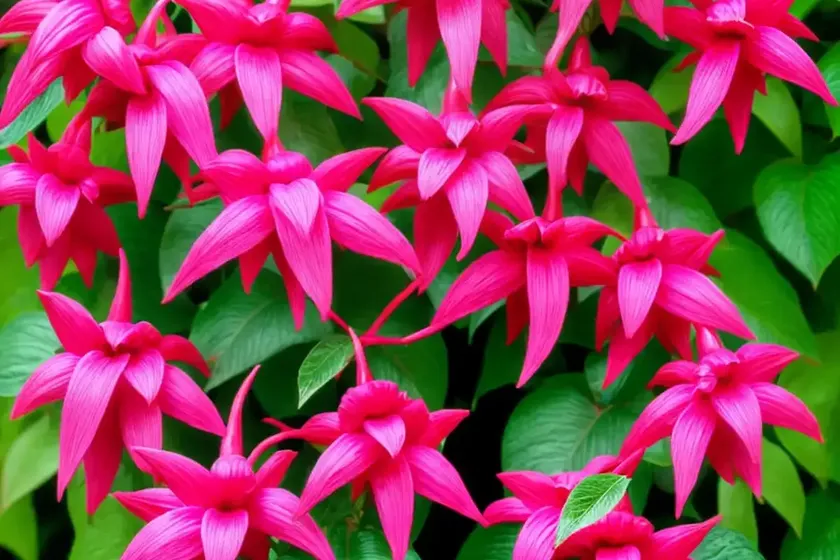
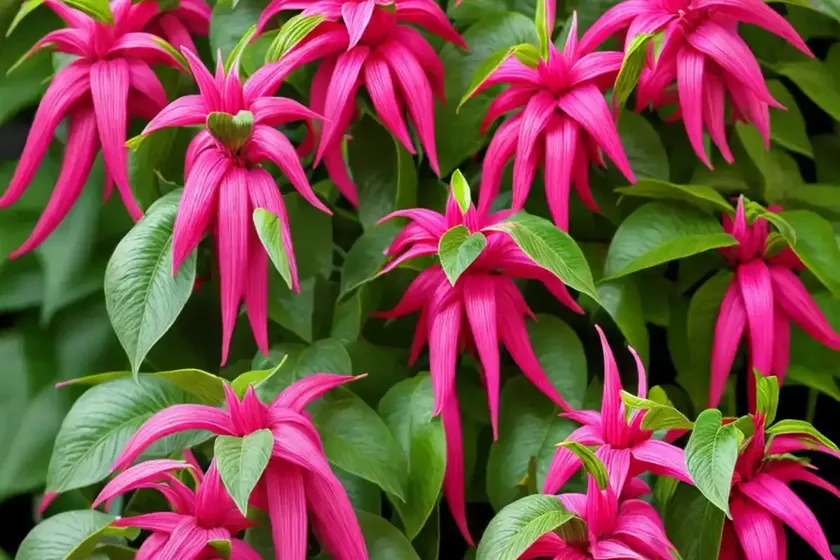
Fuchsia ‘Little Ronnie’, a charming and delicate flowering plant, is a delightful addition to any garden or landscape. It is particularly favored for its dainty blossoms and elegant growth habits. In this comprehensive guide, we will explore everything you need to know about the Fuchsia ‘Little Ronnie’, from its cultural requirements and uses to its common diseases and pests. Whether you’re a seasoned horticulturist or just beginning your gardening journey, this guide will provide valuable insights into caring for this captivating plant.
What is Fuchsia Little Ronnie?
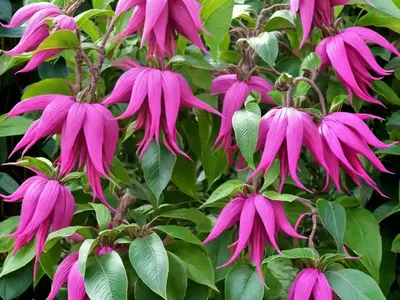
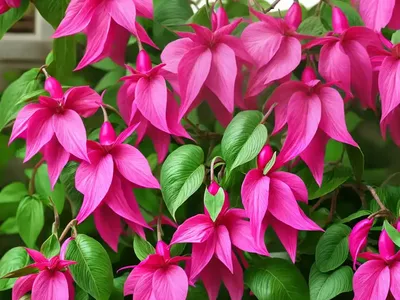
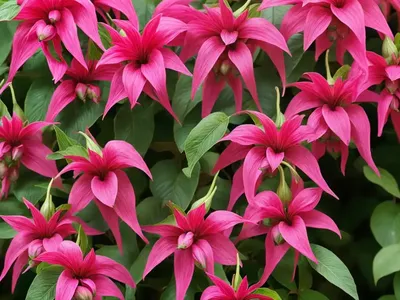
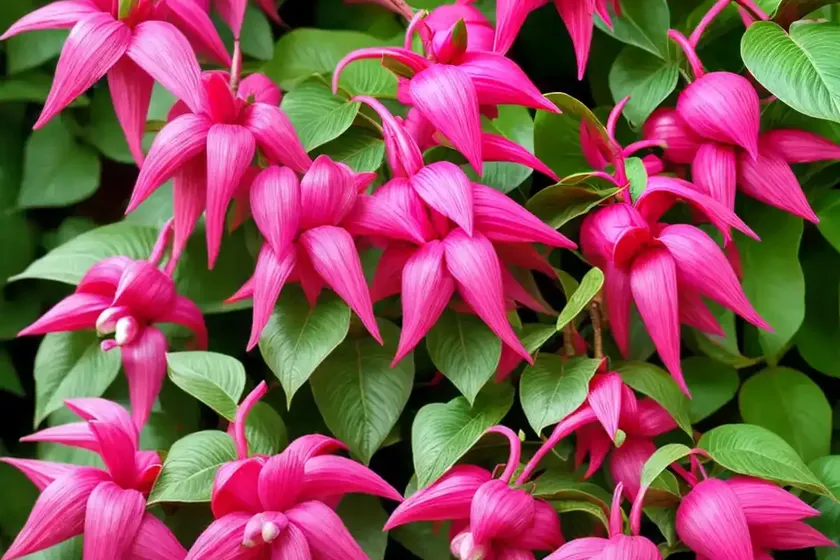
Fuchsia ‘Little Ronnie’, botanically known as Fuchsia ‘Little Ronnie’, is a member of the Onagraceae family. It is a compact, trailing hybrid fuchsia that is celebrated for its abundant and colorful flowers. The plant displays an exquisite combination of short internodes, small leaves, and an abundance of petite, gracefully pendulous blooms. With its cascading growth habit, it is a perfect fit for containers, hanging baskets, or as a ground cover in suitable climates.
Key Takeaways
Before delving into the detailed care and cultivation guidelines for Fuchsia ‘Little Ronnie’, let’s take a look at the key aspects of this charming plant.
Culture
- Botanical Name: Fuchsia ‘Little Ronnie’
- Family: Onagraceae
- Common Names: Little Ronnie Fuchsia
- Type: Trailing hybrid fuchsia
- Sunlight: Partial sun to partial shade
- Water Needs: Regular watering, well-draining soil
- Soil Type: Rich, fertile, and well-draining
- Uses: Hanging baskets, containers, ground cover
Uses
Fuchsia ‘Little Ronnie’ is a versatile plant with various uses in garden and landscape settings.
- Hanging baskets
- Container gardening
- Ground cover in suitable climates
Water
Proper watering is essential for the healthy growth and flowering of Fuchsia ‘Little Ronnie’.
- Regular watering
- Avoid waterlogged conditions
- Allow the soil to slightly dry between waterings
Sunlight
Understanding the sunlight requirements is crucial for the optimal performance of Fuchsia ‘Little Ronnie’.
- Partial sun to partial shade
- Protect from harsh midday sun
- Filtered light conditions are ideal
Fertilizer
Appropriate fertilization ensures vigorous growth and abundant flowers in Fuchsia ‘Little Ronnie’.
- Balanced, water-soluble fertilizer
- Apply during the growing season
- Follow manufacturer’s recommendations for dosage
Soil
The right soil conditions are critical for the health and vigor of Fuchsia ‘Little Ronnie’.
- Rich, fertile, well-draining soil
- Enhanced with organic matter
- pH slightly acidic to neutral (6.0-7.0)
Pruning
Regular pruning helps maintain the desired shape and encourages prolific flowering in Fuchsia ‘Little Ronnie’.
- Prune for shape and size control
- Remove spent blooms and leggy growth
- Perform light pruning throughout the growing season
Propagation
Propagation methods allow for the multiplication of Fuchsia ‘Little Ronnie’ for personal or commercial use.
- Stem cuttings
- Division
- Seeds (less common)
Container Popularity
Fuchsia ‘Little Ronnie’ is widely sought after for its suitability and elegance in container gardening.
- Ideal for hanging baskets
- Perfect for mixed container plantings
Container Common Diseases
Awareness of common diseases is vital for the proactive management of Fuchsia ‘Little Ronnie’.
- Botrytis blight
- Rust
- Crown gall
Disease Diagnosis
Recognizing symptoms and signs of diseases facilitates timely intervention and control measures.
- Leaf spots
- Discoloration
- Distorted growth
Common Pests
Understanding common pests is crucial for maintaining the health and vitality of Fuchsia ‘Little Ronnie’.
- Aphids
- Spider mites
- Whiteflies
Botanist’s Tips
Insights from botanists can offer valuable guidance for the successful cultivation of Fuchsia ‘Little Ronnie’.
- Monitor moisture levels closely
- Provide adequate air circulation
- Protect from extreme temperatures
Fun Facts
Get to know some fascinating and delightful facts about Fuchsia ‘Little Ronnie’.
- Hybrid fuchsia cultivar
- Abundant and colorful flowers
- Attracts hummingbirds and butterflies
Fuchsia ‘Little Ronnie’ Care Guide
Now that we’ve gained a comprehensive overview of Fuchsia ‘Little Ronnie’, it’s time to delve into the specific care requirements and guidelines to ensure the optimal growth and flowering of this enchanting plant.
Growing Conditions
Fuchsia ‘Little Ronnie’ thrives in specific growing conditions that cater to its unique needs.
Sunlight Requirements:
Partial sun to partial shade is ideal for Fuchsia ‘Little Ronnie’. It should be protected from intense midday sun, especially in regions with hot summers. Filtered light conditions, such as those provided by light shade or a canopy of trees, are well-suited for this delicate plant.
Soil Type:
The soil for Fuchsia ‘Little Ronnie’ should be rich, fertile, and well-draining. It benefits from soil that is enriched with organic matter, such as compost or well-rotted manure. A slightly acidic to neutral pH in the range of 6.0-7.0 is optimal for robust growth and flowering.
Watering Needs:
Regular and consistent watering is essential for Fuchsia ‘Little Ronnie’. However, it is crucial to avoid waterlogged conditions, which can lead to root rot and other complications. Allow the soil to dry slightly between waterings, and ensure that the plant receives adequate moisture, particularly during hot and dry periods.
Fertilizer Requirements:
Fuchsia ‘Little Ronnie’ benefits from regular fertilization during the growing season. Use a balanced, water-soluble fertilizer and apply it according to the manufacturer’s recommendations. Fertilizing every 2-4 weeks can support vigorous growth and prolific flowering.
Planting and Transplanting
When planting or transplanting Fuchsia ‘Little Ronnie’, there are specific considerations to ensure successful establishment and healthy growth.
Planting Depth:
Ensure that the root ball of the Fuchsia ‘Little Ronnie’ plant is level with the surrounding soil surface. Planting too deeply or too shallowly can hinder proper growth and development.
Spacing:
When planting multiple Fuchsia ‘Little Ronnie’ plants, provide adequate spacing between individuals to allow for proper air circulation and future growth. A spacing of approximately 12-18 inches (30-45 cm) is suitable for this compact trailing fuchsia.
Transplanting:
If transplanting Fuchsia ‘Little Ronnie’ from containers to the ground or from one location to another, handle the root system carefully to minimize transplant shock. Water the plant thoroughly after transplanting to support recovery and establishment.
Pruning and Maintenance
Pruning is an essential aspect of maintaining the attractive form and promoting abundant flowering in Fuchsia ‘Little Ronnie’.
Pruning Techniques:
When pruning Fuchsia ‘Little Ronnie’, focus on removing spent blooms, leggy growth, and any damaged or diseased parts of the plant. Light pruning throughout the growing season can encourage branching and the development of new flowering shoots.
Size and Shape Control:
Prune to maintain the desired size and shape of the plant, especially in container or hanging basket settings. Regular pruning can help prevent the plant from becoming overly leggy and promote a compact and bushy growth habit.
Winter Care:
In regions where frost or freezing temperatures are a concern, provide appropriate winter care for Fuchsia ‘Little Ronnie’. This may involve protecting the plant from cold temperatures, reducing watering frequency, and minimizing fertilizer application during the dormant period.
Propagation Methods
The propagation of Fuchsia ‘Little Ronnie’ can be achieved through several methods, each offering its own advantages and considerations.
Stem Cuttings:
One of the most popular and reliable methods of propagating Fuchsia ‘Little Ronnie’ is through stem cuttings. Select healthy, non-flowering shoots for cuttings, and prepare them by removing the lower leaves and placing them in a suitable rooting medium.
Division:
Division of established Fuchsia ‘Little Ronnie’ plants can be conducted to create new individuals with identical traits. Carefully divide the root ball, ensuring that each division retains sufficient roots and shoots for successful establishment.
Seeds:
While less common, propagating Fuchsia ‘Little Ronnie’ from seeds is also a viable option. Collect mature seeds from the plant, sow them in a well-draining seed-starting mix, and provide the appropriate conditions for germination and seedling growth.
Common Problems and Solutions
Like any plant, Fuchsia ‘Little Ronnie’ is susceptible to certain issues that can affect its growth and flowering. Understanding these common problems and their solutions is essential for maintaining the health and vitality of the plant.
Diseases:
– Botrytis Blight (Gray Mold):
– Symptoms: Grayish mold on flowers and leaves, wilting, and decay.
– Solution: Improve air circulation, avoid overhead watering, and remove affected plant parts. Fungicidal sprays may be necessary in severe cases.
- Rust:
- Symptoms: Orange-brown spots on leaves, leaf drop, and reduced vigor.
-
Solution: Remove and destroy affected leaves, promote good air circulation, and consider fungicidal treatments if necessary.
-
Crown Gall (Agrobacterium tumefaciens):
- Symptoms: Swollen, knotty growths on stems and roots.
- Solution: Prevention through proper sanitation and avoiding stress to the plants. No effective treatment once the disease has developed.
Pests:
– Aphids:
– Symptoms: Clusters of soft-bodied insects on new growth, sticky honeydew, and distorted leaves.
– Solution: Control aphids through physical removal, insecticidal soaps, or horticultural oils. Natural predators can also help manage aphid populations.
- Spider Mites:
- Symptoms: Fine webbing, stippling on leaves, and reduced plant vigor.
-
Solution: Use water sprays to dislodge spider mites, apply insecticidal soaps, and ensure a suitable environment for predatory mites if needed.
-
Whiteflies:
- Symptoms: Tiny, white, moth-like insects when disturbed, honeydew on leaves, and sooty mold.
- Solution: Control whiteflies through physical removal, insecticidal sprays, and encouraging natural predators such as parasitic wasps.
Companion Plants
Pairing Fuchsia ‘Little Ronnie’ with suitable companion plants can enhance its beauty and create visually appealing combinations in garden and landscape settings.
- Begonias:
-
The vibrant blooms and diverse foliage of begonias can complement the delicate flowers and cascading growth of Fuchsia ‘Little Ronnie’.
-
Lobelia:
-
Lobelia’s profusion of small, colorful flowers can serve as an excellent contrast to the blooms of Fuchsia ‘Little Ronnie’, creating a visually striking display.
-
Coleus:
- The colorful and intricately patterned foliage of coleus can provide an attractive backdrop to the graceful and pendulous growth of Fuchsia ‘Little Ronnie’.
Conclusion
Fuchsia ‘Little Ronnie’ is a captivating and elegant plant that offers a wealth of beauty and charm to gardens, landscapes, and outdoor living spaces. With its prolific and colorful flowers, compact growth habit, and versatile uses in containers and hanging baskets, it has rightfully earned its place as a prized favorite among gardeners and plant enthusiasts. By understanding and implementing the care guidelines and considerations outlined in this comprehensive guide, you can nurture and enjoy the enchanting beauty of Fuchsia ‘Little Ronnie’ in your own green spaces.
References:
- Royal Horticultural Society. “Fuchsia ‘Little Ronnie’ (F).” rhs.org.uk/plants/280812/fuchsia-little-ronnie-(f)/details
- The American Phytopathological Society. “Botrytis Blight of Ornamentals.” apsnet.org/edcenter/disandpath/fungal/pdlessons/Pages/BotryitBlight.aspx
- University of Maryland Extension. “Rust Diseases of Ornamental Plants.” extension.umd.edu/hgic/topics/rust-diseases-ornamental-plants
- University of California Statewide Integrated Pest Management Program. “Aphids.” ipm.ucanr.edu/PMG/PESTNOTES/pn7404.html
- University of Florida IFAS Extension. “Twospotted Spider Mite.” edis.ifas.ufl.edu/in487
- Texas A&M AgriLife Extension. “Whiteflies.” agrilife.org/whiteflies/
This comprehensive guide aims to provide valuable information and insights into the cultivation and care of Fuchsia ‘Little Ronnie’ for gardeners, plant enthusiasts, and horticulture professionals. Whether you’re new to growing fuchsias or seeking to expand your knowledge and expertise, this resource serves as a comprehensive reference for all aspects of nurturing and enjoying the beauty of this captivating plant.