Fuchsia (Fuchsia Magellanica)
Fuchsia (Fuchsia magellanica) is a beautiful and delicate flowering plant that has captivated gardeners for generations. Its elegant drooping blooms in a.
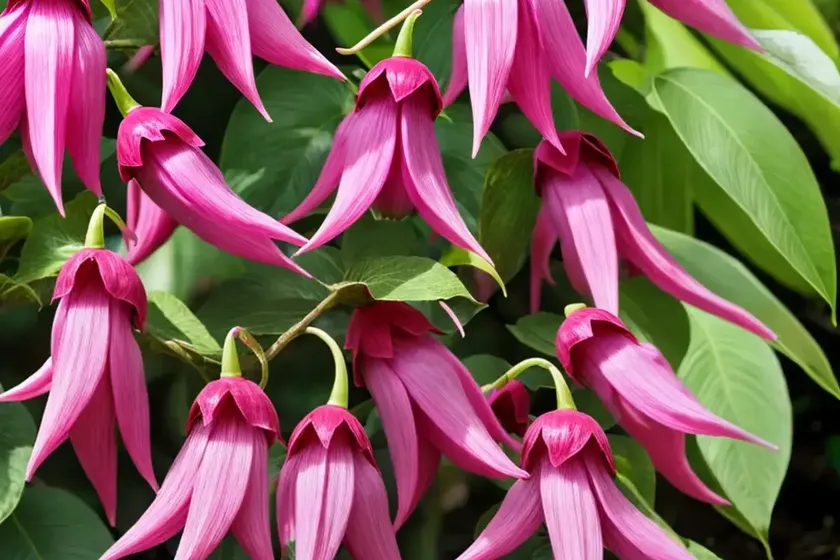
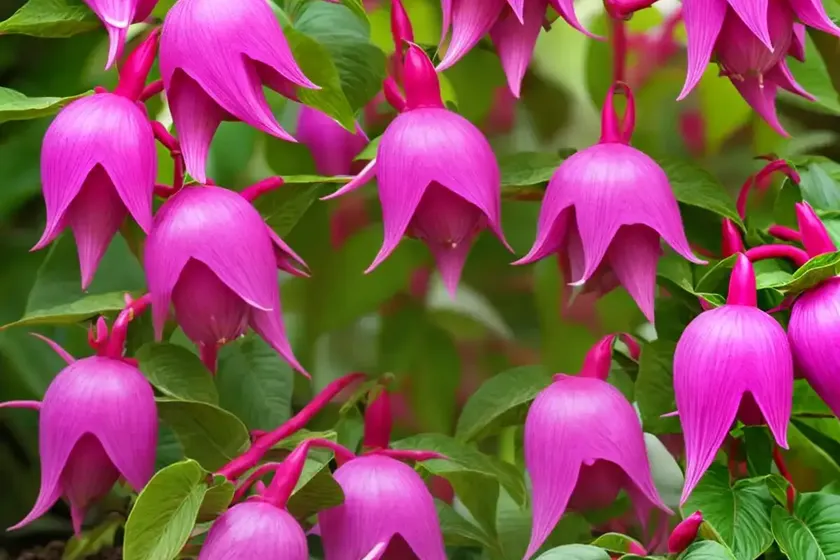
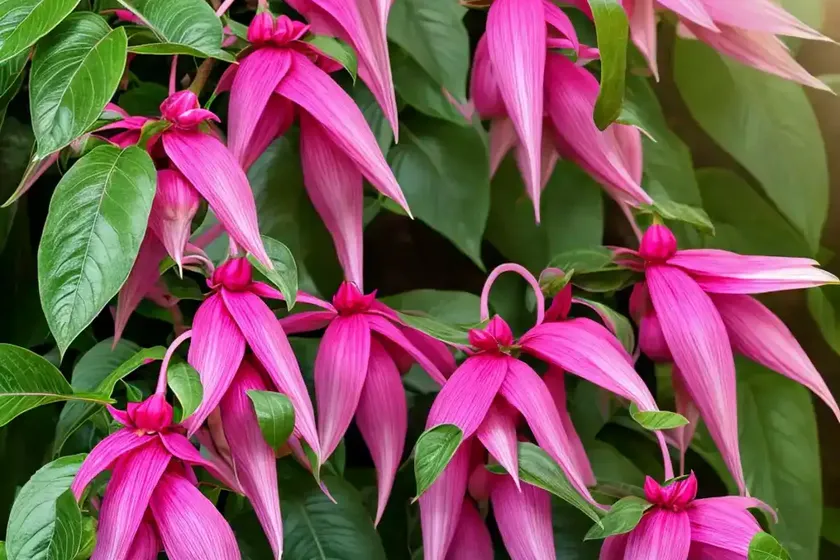
Fuchsia (Fuchsia magellanica) is a beautiful and delicate flowering plant that has captivated gardeners for generations. Its elegant drooping blooms in a myriad of colors make it a popular choice for adding vibrancy to any garden or outdoor space. In this comprehensive guide, we will delve into the various aspects of Fuchsia plant care, including its culture, uses, maintenance, and common issues that gardeners may encounter. Whether you are a seasoned plant enthusiast or just starting with gardening, this guide will equip you with the knowledge to cultivate and nurture stunning Fuchsia plants.
What is Fuchsia (Fuchsia magellanica)?
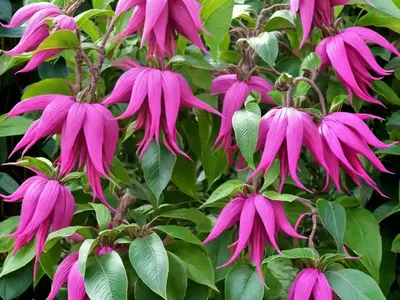
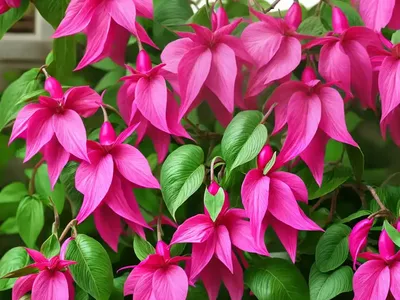
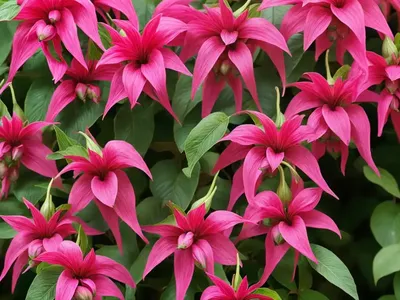
Fuchsia (Fuchsia magellanica) is a flowering plant species native to southern Argentina and Chile. Belonging to the Onagraceae family, it is characterized by its pendulous, teardrop-shaped blossoms that are typically a combination of vibrant pinks, purples, and whites. The plant is commonly referred to as “Hardy Fuchsia” due to its resilience in a variety of climatic conditions and its ability to thrive in temperate regions.
Fuchsia plants are known for their elegant flowers, which are borne in clusters and attract pollinators like butterflies and hummingbirds. They are well-suited for both outdoor gardens and container gardening, adding a touch of charm and color to any setting. The versatility of Fuchsia, its various cultivars, and its ability to be grown in different environments have contributed to its popularity among gardeners worldwide.
Key Takeaways
Before we dive into the specifics of Fuchsia plant care, let’s take a closer look at some key takeaways that will guide our understanding of this beautiful plant.
Culture
- Fuchsia magellanica is adaptable to a wide range of growing conditions and is often found in temperate, subtropical, and Mediterranean climates.
- The plant is resilient and can tolerate varying soil types, making it suitable for cultivation in diverse environments.
Uses
- Fuchsia plants are commonly used for ornamental purposes, adding color and elegance to gardens, balconies, and patios.
- The vibrant blooms of Fuchsia make it a sought-after plant for beautifying landscapes and outdoor spaces.
Water
- Fuchsia plants require consistent and adequate watering, especially during the growing season, to maintain moisture levels in the soil.
Sunlight
- While Fuchsia thrives in partial shade, it also requires sufficient sunlight to promote healthy growth and prolific flowering.
Fertilizer
- Regular feeding with a balanced fertilizer can enhance the growth and blooming of Fuchsia plants, ensuring they receive essential nutrients for their development.
Soil
- Well-draining and fertile soil is crucial for the successful cultivation of Fuchsia plants, as it prevents waterlogging and promotes healthy root development.
Pruning
- Pruning is essential for maintaining the shape and vigor of Fuchsia plants, as well as to encourage new growth and flower production.
Propagation
- Fuchsia plants can be propagated through various methods, including stem cuttings and division, allowing for the expansion of their presence in a garden or landscape.
Container Popularity
- Fuchsia’s suitability for container gardening has made it a popular choice for plant enthusiasts with limited outdoor space.
Container Common Diseases
- Pests and diseases can affect Fuchsia plants, especially when grown in containers. Vigilant monitoring is crucial for early detection and treatment.
Disease Diagnosis
- Common diseases that affect Fuchsia plants include Fuchsia Gall Mite, Botrytis Blight, and Rust, which necessitate prompt identification and management.
Common Pests
- Fuchsia plants are susceptible to pests such as aphids, whiteflies, and spider mites, which can impact their health and blooming potential if not addressed effectively.
Botanist’s Tips
- Expert tips and recommendations from botanists and horticulturists can provide valuable insights into the optimal care and maintenance of Fuchsia plants.
Fun Facts
- Exploring intriguing and lesser-known facts about Fuchsia plants can deepen our appreciation for their beauty and resilience.
Links to External Resources
- Accessing reputable external resources and information can enrich our understanding and knowledge of Fuchsia plant care and cultivation.
Fuchsia (Fuchsia magellanica) Plant Care
Now that we have familiarized ourselves with the key aspects of Fuchsia plants, let’s explore the ins and outs of cultivating and caring for these enchanting flowering specimens, from their water and sunlight requirements to soil considerations, pruning techniques, and disease management.
Water
Proper watering is essential for the health and vitality of Fuchsia plants, as they have specific moisture needs that must be met to support their growth and flowering capabilities. Understanding the appropriate watering regimen and techniques will contribute to the overall well-being of these beautiful plants.
Watering Schedule
- Fuchsia plants benefit from a consistent watering schedule, especially during the growing season when they are actively producing foliage and flowers.
- It is advisable to water Fuchsias thoroughly, allowing the soil to become moist but not waterlogged, and subsequently allowing the top layer of soil to dry out before the next watering session.
Moisture Requirements
- The soil should be kept consistently moist but not waterlogged or saturated, as excessive moisture can lead to root rot and other ailments for Fuchsia plants.
- Adequate moisture levels are particularly vital during periods of intense heat or when Fuchsia plants are grown in containers, as the soil may dry out more rapidly.
Watering Techniques
- When watering Fuchsia plants, it is recommended to aim for the soil rather than the foliage, as damp leaves can be susceptible to fungal diseases and mildew.
- Drip irrigation or a gentle watering can be employed to provide even and targeted moisture to the root zone, ensuring that the soil absorbs the water effectively.
Drainage Considerations
- Well-draining soil and containers are imperative to prevent waterlogging, as stagnant water around the roots can lead to rot and adversely impact the health of the plant.
- Draining excess water from saucers or trays beneath container-grown Fuchsia plants helps to maintain proper moisture levels and avert potential water-related issues.
Sunlight
While Fuchsia plants are known for their partial shade tolerance, they also require adequate sunlight to support their growth, blooming, and overall vigor. Understanding the sunlight preferences and requirements of Fuchsia is crucial for cultivating healthy and floriferous plants.
Sunlight Exposure
- Fuchsia plants thrive in partial shade, benefiting from dappled light and protection from intense midday sun, especially in regions with hot summers.
- Filtered sunlight, such as that provided by tall trees or lattices, is ideal for Fuchsia, allowing them to receive balanced light without the risk of sunburn or heat stress.
Morning Sun
- Morning sun exposure is beneficial for Fuchsia plants, providing them with gentle light that promotes photosynthesis and the development of sturdy stems and foliage.
- Avoiding prolonged afternoon sun, particularly in sweltering climates, can prevent sun damage to the leaves and blooms, preserving the plant’s health.
Indoor Considerations
- When growing Fuchsia plants indoors, placing them near east-facing windows or areas with indirect light allows them to receive the required sunlight while being shielded from harsh midday rays.
Sunlight Duration
- Fuchsia plants typically benefit from 4 to 6 hours of sunlight per day, striking a balance between light exposure and shade to support optimal growth and flowering.
Fertilizer
The application of the appropriate fertilizer ensures that Fuchsia plants receive essential nutrients for healthy growth, robust flowering, and overall vitality. Understanding the timing, types, and quantities of fertilizer to use is crucial for providing Fuchsia with the nourishment they need.
Fertilization Schedule
- Fuchsia plants benefit from regular fertilization during the growing season, typically from spring to early fall, to support their active growth and blooming phases.
- Fertilizing every 2 to 4 weeks with a balanced, water-soluble fertilizer provides Fuchsia plants with a continuous supply of nutrients for sustained vigor.
Nutrient Requirements
- Fuchsia plants have specific nutrient requirements, with a focus on balanced fertilizers that contain adequate levels of nitrogen, phosphorus, and potassium, as well as micronutrients.
- Nitrogen promotes lush foliage and stem development, phosphorus supports flower production, and potassium enhances overall plant health and disease resistance.
Application Techniques
- When applying fertilizer to Fuchsia plants, it is important to follow the manufacturer’s recommendations regarding dilution rates and application frequencies to prevent overfeeding or fertilizer burn.
- Watering the plants before and after applying fertilizer helps to distribute the nutrients evenly and prevent potential stress on the root system.
Organic Options
- Organic fertilizers, such as compost tea, well-rotted manure, or fish emulsion, can be used to enrich the soil and provide a natural source of nutrients for Fuchsia plants, supporting their long-term health.
Soil
The soil composition and quality play a significant role in the successful cultivation of Fuchsia plants, as they rely on a well-draining and nutrient-rich growing medium to thrive and flourish. Understanding the soil requirements and optimal conditions for Fuchsia is essential for ensuring their robust growth and blooming potential.
Soil Type
- Fuchsia plants thrive in well-draining soil that is rich in organic matter, preventing waterlogging and allowing the roots to access oxygen and essential nutrients.
- A blend of peat moss, perlite, and compost creates an ideal potting mix for Fuchsia, promoting healthy root development and preventing soil compaction.
Acidity Levels
- Fuchsia plants prefer slightly acidic soil with a pH range of 5.5 to 6.5, which supports their nutrient uptake and helps to prevent nutrient deficiencies or imbalances.
- Testing the soil pH and making amendments with organic materials, such as pine bark or sphagnum peat moss, can adjust the acidity levels to meet Fuchsia’s preferences.
Drainage Considerations
- Adequate drainage is critical for Fuchsia plants, whether they are grown in the ground or in containers, as waterlogged soil can lead to root rot and other moisture-related issues.
- Adding coarse sand or fine gravel to the soil mixture promotes drainage, preventing water from collecting around the roots and causing damage.
Potting Mix for Containers
- When cultivating Fuchsia plants in containers, using a high-quality, well-draining potting mix specifically formulated for acid-loving plants provides the ideal growing environment.
- Regularly refreshing the potting mix and repotting Fuchsia plants when necessary ensures that they have access to fresh, nutrient-rich soil for optimal growth.
Pruning
Pruning is an essential aspect of Fuchsia plant maintenance, as it contributes to the plant’s overall appearance, health, and vigor, while also promoting abundant flowering and preventing overcrowding. Understanding the techniques and timing for pruning Fuchsia plants is crucial for maintaining their desired shape and maximizing their blooming potential.
Pruning Timing
- Pruning Fuchsia plants is typically conducted in early spring before new growth emerges, allowing for the removal of any winter-damaged or leggy branches and shaping the plant for the upcoming growing season.
- Light pruning may also be performed during the summer to remove spent blooms, encourage new growth, and maintain a compact and tidy appearance.
Removal of Deadwood
- Removing dead or diseased wood from Fuchsia plants not only enhances their appearance but also prevents the spread of diseases and promotes airflow within the canopy.
- Pruning shears or sharp, clean scissors can be used to trim away dead or damaged stems, ensuring that healthy growth can thrive unimpeded.
Pinching Technique
- Pinching back the growing tips of Fuchsia plants, especially in the early stages of growth, encourages branching and results in bushier, more floriferous plants with a profusion of blooms.
- Pinching can be performed using fingers or handheld pruners, allowing gardeners to guide the plant’s growth and shape as desired.
Overwintering Pruning
- When preparing Fuchsia plants for overwintering in colder climates, a more extensive pruning session can be conducted to reduce the plant’s size, remove vulnerable growth, and encourage dormancy.
- Pruning away leggy or excessively long stems and suckers helps to make the plant more manageable and promotes healthy regrowth in the following season.
Propagation
Increasing the presence of Fuchsia plants in a garden or landscape is easily achievable through propagation, which allows gardeners to create new plants from existing specimens. Exploring the various propagation methods and techniques equips individuals with the tools to expand their collection of Fuchsia plants.
Stem Cuttings
- Propagating Fuchsia plants through stem cuttings is a popular and straightforward method, involving taking healthy, non-flowering shoots and rooting them to produce new plants.
- The use of rooting hormone, a sterile growing medium, and consistent moisture levels ensures the successful establishment and development of Fuchsia cuttings.
Division
- Division involves separating mature Fuchsia plants into smaller segments, each with a portion of the root system, allowing for the creation of multiple individual plants from a single specimen.
- Division is a suitable method for rejuvenating overgrown Fuchsia plants and for producing new plants that closely resemble the parent plant.
Layering
- Air layering is a propagation technique that involves inducing a portion of a Fuchsia plant’s stem to develop roots while still attached to the parent plant, resulting in a new, independent plant upon separation.
- Layering allows gardeners to propagate Fuchsia plants without severing existing stems, providing a seamless and reliable way to expand their collection.
Seed Propagation
- While less commonly used than vegetative propagation methods, growing Fuchsia plants from seeds offers a rewarding and educational experience, allowing for the exploration of genetic diversity and variation.
- Collecting and sowing Fuchsia seeds in a suitable growing medium and providing consistent moisture and warmth supports the germination and growth of new plants.
Container Gardening
Fuchsia plants are well-suited for container gardening, offering individuals with limited outdoor space the opportunity to cultivate and enjoy these enchanting flowering specimens. Understanding the principles of container gardening for Fuchsia plants enables individuals to create stunning displays and bring vibrancy to their patios, balconies, and indoor spaces.
Container Selection
- Choosing the right container for Fuchsia plants is crucial, as it should provide ample room for the roots, good drainage, and stability to prevent toppling.
- Selecting lightweight, weather-resistant materials such as plastic or fiberglass aids in maneuvering and caring for container-grown Fuchsia plants.
Potting Mix Considerations
- Utilizing a high-quality, well-draining potting mix formulated for acid-loving plants ensures that container-grown Fuchsia plants have access to the proper nutrients and growing conditions.
- Aeration, moisture retention, and nutrient availability are key factors to consider when selecting a suitable potting mix for Fuchsia in containers.
Watering Practices
- Container-grown Fuchsia plants may require more frequent watering than those planted in the ground, as the soil in pots can dry out more rapidly, especially during hot and windy conditions.
- Monitoring the moisture levels in the soil and adjusting the watering frequency accordingly maintains optimal growing conditions for Fuchsia plants in containers.
Light and Temperature
- Placing containers of Fuchsia plants in locations that receive dappled light and moderate temperatures supports their health and blooming potential, while also offering protection from strong winds and extreme heat.
- Balconies, patios, and sheltered outdoor areas are ideal settings for container-grown Fuchsia, providing them with a favorable microclimate for growth.
Popularity
The popularity of Fuchsia plants stems from their captivating beauty, versatility, and adaptability, which have made them favorites among gardeners and plant enthusiasts. Whether grown in gardens, landscapes, or containers, Fuchsia’s charming blooms and low-maintenance nature have contributed to their enduring appeal.
Ornamental Value
- Fuchsia plants are prized for their ornamental value, serving as focal points in gardens and enhancing the visual appeal of landscapes with their diverse flower colors and elegant form.
- Their compatibility with various design styles, from traditional cottage gardens to modern urban settings, has made them versatile and sought after by gardeners.
Container Gardening Appeal
- The suitability of Fuchsia for container gardening has broadened their appeal, allowing individuals with limited space or specific growing conditions to cultivate and enjoy these stunning plants.
- Balconies, patios, and small outdoor areas are transformed by the addition of potted Fuchsia plants, enriching the surroundings with their vivid blossoms and lush foliage.
Landscape Diversity
- Fuchsia’s adaptability to diverse climates, soil types, and lighting conditions has made them popular choices for landscaping, offering an array of options for integrating them into outdoor spaces.
- From woodland gardens to coastal landscapes, Fuchsia plants contribute their distinctive charm and appeal, making them versatile additions to a variety of settings.
Floral Displays
- The abundant and colorful blooms of Fuchsia plants, often produced on pendant stems, create captivating floral displays that attract pollinators and enrich garden ecosystems.
- Fuchsia’s ability to bloom prolifically throughout the growing season ensures a continuous show of flowers, providing ongoing visual interest and enjoyment for gardeners.
Common Diseases
Fuchsia plants are susceptible to a range of diseases that can affect their health and blooming potential if not managed effectively. Identifying common diseases, understanding their symptoms, and implementing appropriate control measures are essential for preventing and addressing potential issues.
Fuchsia Gall Mite
- Fuchsia Gall Mite is a microscopic pest that causes distorted growth, galls, and disfigured leaves on Fuchsia plants, impacting their appearance and overall vigor.
- Pruning and removing affected plant parts, applying horticultural oil, and ensuring good plant hygiene assist in preventing and managing Fuchsia Gall Mite infestations.
Botrytis Blight
- Botrytis Blight, or Gray Mold, is a fungal disease that can affect Fuchsia plants, causing grayish mold on the foliage, flowers, and stems, particularly in humid and poorly ventilated conditions.
- Maintaining good air circulation, avoiding overhead watering, and promptly removing affected plant material helps prevent the development and spread of Botrytis Blight.
Rust
- Rust is a fungal disease characterized by orange or yellowish spots on the underside of Fuchsia leaves, leading to premature leaf drop and the potential weakening of the plant.
- Ensuring proper spacing between Fuchsia plants, removing infected foliage, and applying fungicidal sprays when necessary assists in controlling and minimizing the impact of Rust.
Disease Diagnosis
Prompt and accurate diagnosis of diseases affecting Fuchsia plants is essential for implementing targeted management strategies and preserving the overall health and appearance of the plants. Recognizing the symptoms and signs of common diseases ensures early intervention and effective control measures.
Visual Symptoms
- Visible signs of disease, such as wilting, yellowing leaves, lesions, or abnormal growths, may indicate the presence of a particular disease or pest issue that requires attention.
- Regular observation and inspection of Fuchsia plants enable gardeners to identify any concerning symptoms and take necessary action to address potential problems.
Leaf and Stem Analysis
- Examining the undersides of Fuchsia leaves and inspecting the stems for discoloration, spots, or unusual growths can provide clues about the type of disease affecting the plant and guide the diagnostic process.
- Magnification and close examination of affected plant parts may be necessary to identify microscopic pests or pathogens that are not immediately visible to the naked eye.
Pest Monitoring
- Monitoring for common pests that affect Fuchsia plants, such as aphids, whiteflies, and spider mites, allows gardeners to detect and address potential pest-related issues before they escalate.
- Implementing proactive pest management measures, including natural predators, insecticidal soaps, and physical removal of pests, can