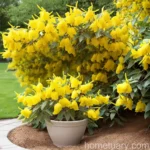
Forsythia ‘Courtasol’ GOLD TIDE: A Complete Guide
Forsythia is a beautiful and vibrant flowering plant that belongs to the Olive family (Oleaceae). It is renowned for its distinctive bright yellow blossoms that signify the arrival of spring. Among the various cultivars of Forsythia, the ‘Courtasol’ GOLD TIDE stands out for its stunning appearance, making it a popular choice among gardeners and landscaping enthusiasts. This comprehensive guide will delve into the various aspects of this remarkable plant, including its cultural requirements, uses, maintenance, and much more.
What is Forsythia ‘Courtasol’ GOLD TIDE?
Forsythia ‘Courtasol’ GOLD TIDE is a cultivar of Forsythia, specifically revered for its compact, low spreading growth habit, and prolific bright yellow flowers. This deciduous shrub typically reaches a height and spread of 3-4 feet, making it an excellent choice for small gardens, borders, or as a colorful ground cover. The botanical name for Forsythia is derived from William Forsyth, a renowned 18th-century horticulturist and founding member of the Royal Horticultural Society.
This cultivar is distinctively characterized by its deep green foliage and an abundance of striking golden-yellow flowers that emerge in early spring. The plant’s vibrant flowers precede the arrival of its leaves, creating a visually captivating display that signifies the onset of the new season.
Key Takeaways – Forsythia ‘Courtasol’ GOLD TIDE
- Forsythia ‘Courtasol’ GOLD TIDE is a compact and low spreading cultivar of the Forsythia plant.
- The plant is renowned for its vibrant golden-yellow flowers that bloom profusely in early spring.
- It is an excellent choice for small gardens, borders, and ground cover due to its modest height and spread.
Culture
Water
Proper watering is crucial for the healthy growth of Forsythia ‘Courtasol’ GOLD TIDE. After the initial establishment, the plant is moderately drought-tolerant, but regular watering is essential for optimal flowering and overall vigor. During prolonged dry spells, particularly in the summer months, deep watering once a week is recommended to ensure that the plant’s moisture requirements are met. However, it’s important to avoid overwatering, as consistently waterlogged soil can lead to root rot and other detrimental conditions.
Sunlight
Forsythia ‘Courtasol’ GOLD TIDE thrives in full sun to partial shade conditions. When planted in full sun, the plant tends to produce more abundant and vibrant flowers, enhancing its visual appeal. However, it is also capable of tolerating partial shade, making it adaptable to a variety of garden settings.
Fertilizer
Feeding Forsythia ‘Courtasol’ GOLD TIDE with a balanced, slow-release fertilizer in early spring can promote healthy growth and prolific flowering. A fertilizer with a formulation such as 10-10-10 or 5-10-10, applied according to the manufacturer’s recommendations, can provide the necessary nutrients to support the plant’s development. Additionally, incorporating organic compost into the soil around the base of the plant can help enrich the soil and sustain its fertility.
Soil
Forsythia ‘Courtasol’ GOLD TIDE thrives in well-drained, fertile soil with a slightly acidic to neutral pH range. It is capable of adapting to various soil types, including loamy, sandy, or clay soils, as long as they offer good drainage. Amending the soil with organic matter, such as compost or well-rotted manure, can enhance its texture and nutrient content, providing an ideal growing environment for the plant.
Uses
Forsythia ‘Courtasol’ GOLD TIDE offers a multitude of uses in garden and landscaping settings due to its compact size, vibrant flowers, and overall aesthetic appeal.
-
Garden Beds and Borders: The plant serves as an excellent addition to garden beds and borders, where its early spring flowering can provide a burst of color and visual interest.
-
Ground Cover: Due to its low spreading growth habit, Forsythia ‘Courtasol’ GOLD TIDE is an ideal choice for ground cover in small to medium-sized areas, offering a carpet of golden blossoms when in bloom.
-
Container Gardening: The compact nature of the plant makes it well-suited for container gardening, allowing individuals with limited garden space to enjoy the beauty of its golden flowers on patios, balconies, or other confined areas.
-
Floral Displays: The cut branches of Forsythia ‘Courtasol’ GOLD TIDE are popularly used in floral arrangements and indoor displays, adding a touch of springtime charm to interior spaces.
Pruning
Proper pruning is essential for maintaining the health, shape, and blooming potential of Forsythia ‘Courtasol’ GOLD TIDE. Pruning tasks for the plant primarily revolve around the removal of spent flowers and the management of its overall growth habit.
Pruning Techniques
-
Post-Flowering Pruning: After the plant has finished flowering in spring, it is advisable to promptly prune Forsythia ‘Courtasol’ GOLD TIDE to remove any faded flowers or damaged growth. This practice not only enhances the plant’s appearance but also encourages the development of new growth for the subsequent flowering season.
-
Thinning and Shaping: Periodic thinning of the plant’s oldest stems and selective shaping of its overall structure can help maintain an attractive and well-balanced appearance. This is typically carried out during the plant’s dormant season in late winter to early spring.
-
Renewal Pruning: In some cases, Forsythia ‘Courtasol’ GOLD TIDE may benefit from renewal pruning, which involves the drastic removal of older, unproductive stems near ground level to stimulate the emergence of new, vigorous growth.
Propagation
Forsythia ‘Courtasol’ GOLD TIDE can be propagated through various methods, including stem cuttings and division. Propagation allows gardeners to propagate new plants from established ones, enabling them to expand their Forsythia collection or share the plant’s beauty with others.
Stem Cuttings
Propagating Forsythia ‘Courtasol’ GOLD TIDE from stem cuttings is a popular and relatively straightforward method.
-
Collection: Select healthy, non-flowering stems from the parent plant during the growing season, typically in late spring to early summer. The chosen stems should be of medium maturity, neither too young nor too woody.
-
Preparation: Trim the selected stems to obtain cuttings that are 4-6 inches in length, ensuring that each cutting possesses at least 2-3 leaf nodes along its length.
-
Rooting Medium: Dip the lower end of each cutting in a rooting hormone powder to promote root development, then plant the cuttings in a well-draining rooting medium, such as a mix of perlite and peat moss.
-
Rooting Conditions: Place the planted cuttings in a warm, bright location with indirect sunlight, ensuring that the rooting medium is consistently moist but not waterlogged. Enclosing the cuttings and their container in a clear plastic bag can help maintain high humidity levels, facilitating the rooting process.
-
Transplanting: Once the cuttings have developed healthy roots, they can be carefully transplanted into individual pots filled with a well-draining potting mix, providing them with the ideal conditions for further growth.
Division
Another method of propagating Forsythia ‘Courtasol’ GOLD TIDE involves division, particularly suited for mature plants that have developed multiple stems or clumps.
-
Spring Division: The plant can be divided in early spring, just before the onset of new growth. Carefully lift the plant from the ground and use a sharp spade or garden knife to separate the root ball into smaller sections, ensuring that each division possesses an adequate amount of roots and stems.
-
Replanting: Immediately replant the divided sections in prepared soil, ensuring that the planting depth and soil level match the plant’s original growing conditions. Water the newly planted divisions thoroughly to encourage their establishment.
Propagation of Forsythia ‘Courtasol’ GOLD TIDE through stem cuttings and division offers an accessible means of multiplying the plant and perpetuating its charming presence in various garden settings.
Container Popularity
Forsythia ‘Courtasol’ GOLD TIDE has gained popularity as a container plant due to its modest size, vibrant flowers, and adaptability to confined garden spaces. The plant’s suitability for container cultivation opens up opportunities for individuals with limited yard space and urban dwellers to incorporate its striking beauty into their outdoor environments.
Container Growing Tips
-
Selecting the Right Pot: Choose a spacious container with adequate drainage holes to accommodate the plant’s root system and facilitate proper water drainage. A pot with a diameter of at least 12-18 inches is recommended for accommodating the plant’s growth.
-
Well-Draining Soil: Utilize a high-quality potting mix with excellent drainage properties to ensure optimal soil conditions for the plant. Additionally, amending the soil with organic matter, such as compost or peat moss, can enhance its structure and nutrient content.
-
Watering: Container-grown Forsythia ‘Courtasol’ GOLD TIDE may require more frequent watering than those planted in the ground, as pots tend to dry out faster. Regularly monitor the moisture levels of the soil and water the plant as needed to prevent it from drying out.
-
Sunlight: Position the container in a location that receives ample sunlight, such as a south-facing patio or balcony, to promote healthy growth and abundant flowering.
-
Pruning: Regularly prune the plant to maintain its shape and size, ensuring that it remains well-proportioned within the confines of the container.
Cultivating Forsythia ‘Courtasol’ GOLD TIDE in containers not only allows for its integration into smaller outdoor spaces but also provides the flexibility to relocate the plant as needed to optimize its growing conditions.
Common Diseases
Like many plants, Forsythia ‘Courtasol’ GOLD TIDE is susceptible to certain diseases that can compromise its health and vitality. Recognizing the signs of common diseases and implementing appropriate preventive measures is essential for safeguarding the plant’s well-being.
Common Diseases
-
Leaf Spot: Leaf spot diseases, caused by various fungal pathogens, can manifest as circular or irregularly shaped spots on the plant’s leaves. In severe cases, the affected leaves may exhibit yellowing, browning, or defoliation.
-
Powdery Mildew: Powdery mildew is characterized by the presence of a powdery, white fungal growth on the surfaces of the plant’s leaves and stems. This fungal infection can lead to distorted growth and reduced vigor.
-
Verticillium Wilt: This soil-borne fungal disease can cause wilting, yellowing, and premature leaf drop in Forsythia ‘Courtasol’ GOLD TIDE. Additionally, dark streaks may be visible in the plant’s vascular tissues.
Disease Management
-
Cultural Practices: Implementing proper cultural practices, such as providing adequate spacing between plants, promoting good air circulation, and avoiding overhead watering, can help minimize the risk of fungal diseases.
-
Sanitation: Regularly remove and dispose of fallen leaves and plant debris to reduce the presence of disease-causing pathogens in the immediate vicinity of the plant.
-
Fungicidal Treatments: In cases where disease pressure is high, applying appropriate fungicidal treatments as a preventive measure or in response to early disease symptoms can help mitigate the impact of fungal infections.
By remaining vigilant and proactive in disease management, gardeners can effectively protect Forsythia ‘Courtasol’ GOLD TIDE from common diseases, ensuring its continued vibrancy and vigor.
Common Pests
In addition to diseases, Forsythia ‘Courtasol’ GOLD TIDE may encounter various pests that can threaten its health and appearance. Identifying these potential pests and employing suitable pest control measures is crucial for preserving the plant’s well-being.
Common Pests
-
Aphids: These small, sap-sucking insects can cluster on the undersides of the plant’s leaves, causing distortion and yellowing of the foliage. Severe infestations may lead to stunted growth and reduced flowering.
-
Scale Insects: Scale insects often appear as raised, waxy bumps on the stems and leaves of Forsythia ‘Courtasol’ GOLD TIDE. They can weaken the plant by feeding on its sap, leading to wilting and overall decline.
-
Spider Mites: Spider mites are tiny arachnids that feed on the plant’s sap, causing stippling, discoloration, and the formation of fine webbing on the leaves.
Pest Control
-
Natural Predators: Encouraging the presence of natural predators, such as ladybugs and lacewings, can help control aphid populations and other small pests.
-
Horticultural Oils: Applying horticultural oils to the plant’s foliage can effectively smother scale insects and certain types of mites, reducing their populations.
-
Water Sprays: Periodically spraying the plant with a strong jet of water can dislodge and deplete pest populations, particularly aphids and spider mites.
An integrated approach to pest control, incorporating preventive measures, natural predators, and targeted treatments, can help manage pest infestations and protect Forsythia ‘Courtasol’ GOLD TIDE from detrimental effects.
Botanist’s Tips
Optimal Growing Conditions
Forsythia ‘Courtasol’ GOLD TIDE flourishes under the following optimal growing conditions:
- Sunlight: Full sun to partial shade.
- Soil: Well-drained, fertile soil with a slightly acidic to neutral pH.
- Water: Moderate watering, allowing the soil to dry out slightly between waterings.
- Climate: Thrives in temperate climates with distinct seasons.
Seasonal Care
- Spring: Enjoy the stunning display of golden flowers in early spring and promptly prune the plant after flowering.
- Summer: Ensure adequate watering during dry spells and monitor the plant for signs of stress or pest infestations.
- Fall: Consider applying a balanced fertilizer to fortify the plant’s nutrient reserves for the upcoming growing season.
- Winter: Inspect the plant for any winter damage and provide protective mulch around the base to shield the roots from extreme cold.
Companion Planting
Forsythia ‘Courtasol’ GOLD TIDE can be paired with various companion plants to create visually appealing and harmonious garden landscapes. Consider combining it with early-blooming bulbs such as daffodils, colorful spring perennials like tulips, or evergreen shrubs for year-round interest.
Functional Uses
In addition to its ornamental value, Forsythia ‘Courtasol’ GOLD TIDE holds functional uses in garden landscapes, serving as a privacy screen, erosion control measure, or as part of a wildlife habitat. The plant’s low spreading growth habit and visual appeal make it a versatile element in diverse gardening scenarios.
Fun Facts
- The genus name Forsythia pays homage to William Forsyth, a prominent Scottish botanist and founding member of the Royal Horticultural Society.
- Forsythia flowers are often used in traditional herbal remedies and possess certain medicinal properties in folk medicine.
- The vibrant yellow blossoms of Forsythia ‘Courtasol’ GOLD TIDE herald the arrival of spring and are commonly associated with optimism and new beginnings.
Links to External Resources
For additional information on Forsythia ‘Courtasol’ GOLD TIDE, the following resources are valuable references:
- Royal Horticultural Society – Forsythia
- University of Maryland Extension – Forsythia Cultivars
- Missouri Botanical Garden – Forsythia x intermedia
By exploring these resources, plant enthusiasts can gain deeper insights into the cultivation, uses, and appreciation of Forsythia ‘Courtasol’ GOLD TIDE, fostering a greater understanding and appreciation of this remarkable plant.
In conclusion, Forsythia ‘Courtasol’ GOLD TIDE stands as a captivating and versatile addition to gardens and landscapes, offering a profusion of golden blossoms that symbolize the exuberance of spring. By adhering to its cultural requirements, implementing effective maintenance practices, and harnessing its aesthetic and functional potentials, gardeners can enrich their outdoor spaces with the unrivaled charm of this remarkable cultivar. Embracing the enduring allure of Forsythia ‘Courtasol’ GOLD TIDE, enthusiasts can celebrate the beauty and vitality it brings to their natural surroundings.