Flowering Quince (Chaenomeles Speciosa)
Welcome to the world of horticulture and the captivating beauty of flowering quince, scientifically known as Chaenomeles speciosa. If you are seeking a.
Introduction
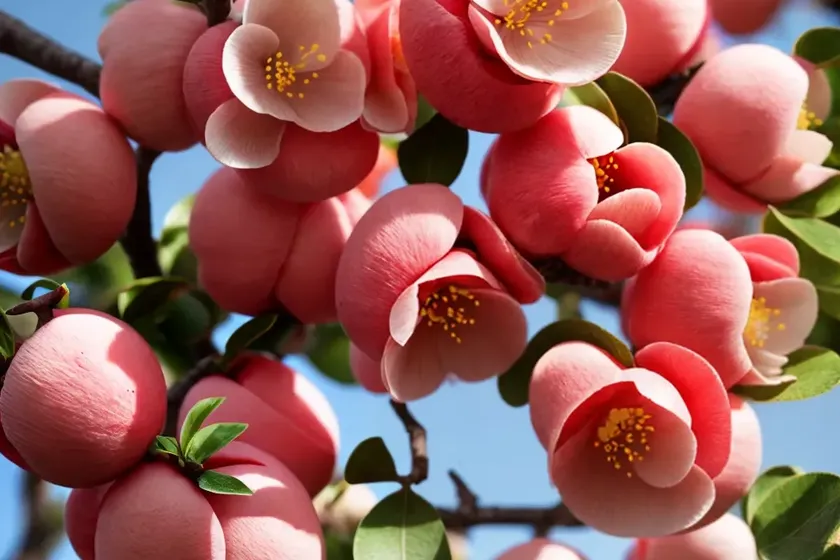
Welcome to the world of horticulture and the captivating beauty of flowering quince, scientifically known as Chaenomeles speciosa. If you are seeking a striking ornamental plant that offers a splash of color and natural elegance, look no further than flowering quince. This blog post is your comprehensive guide to understanding, growing, and caring for flowering quince in various landscapes.
What is flowering quince (Chaenomeles speciosa)?
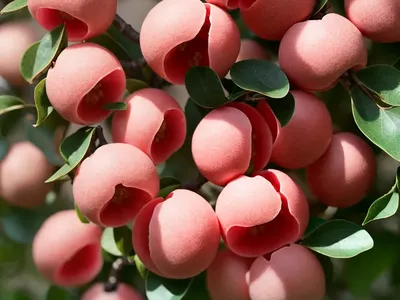
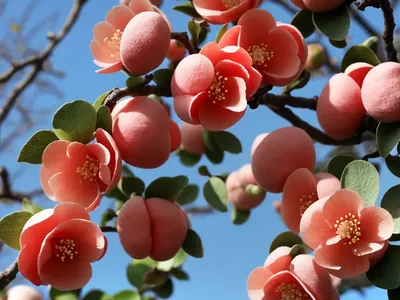
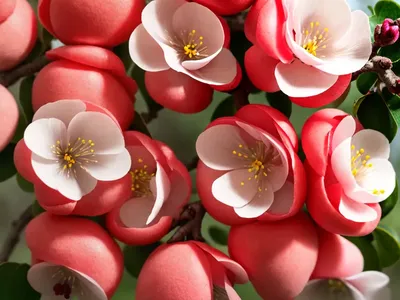
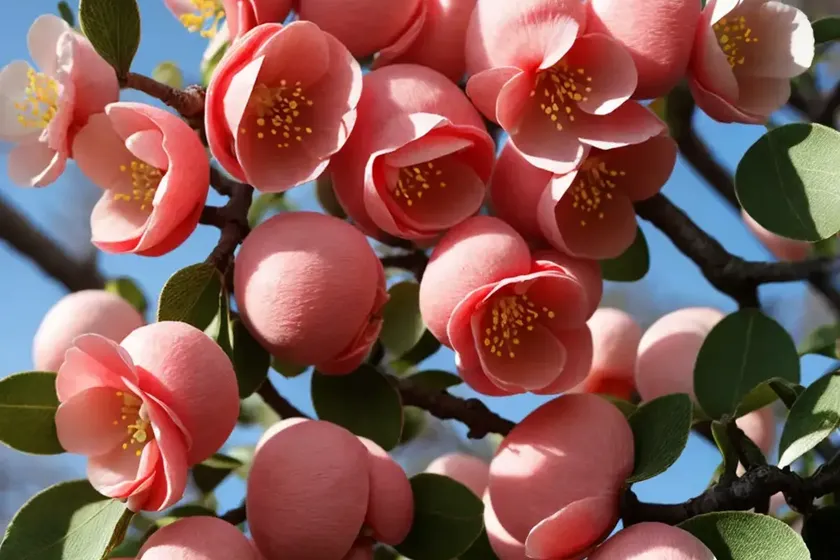
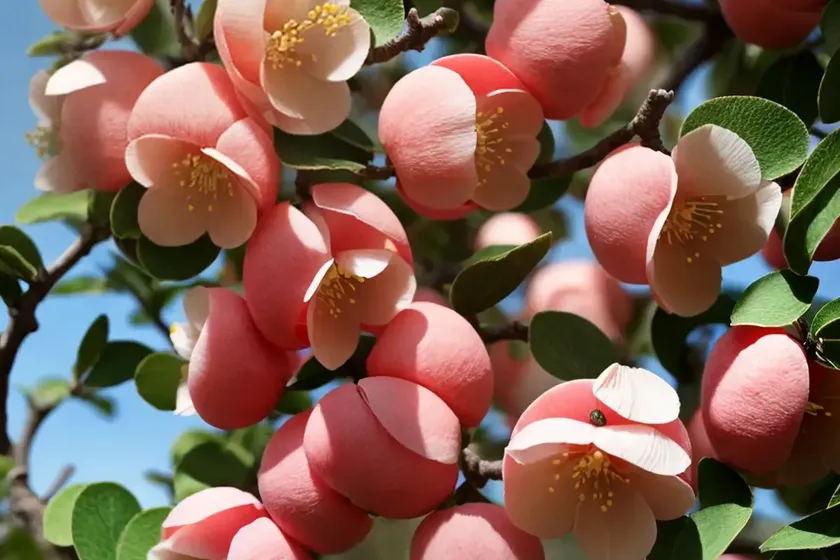
Flowering quince, a member of the Rosaceae family, is a deciduous, thorny shrub known for its exquisite flowers and small, apple-shaped fruits. The plant is native to China, Korea, and Japan and offers a burst of color in early spring, making it a delightful addition for gardens and landscapes. The Latin name Chaenomeles is derived from the Greek words “chaeno” (split open) and “melos” (apple), reflecting the appearance of the fruit.
Key Takeaways – Flowering Quince (Chaenomeles speciosa)
Before delving into the intricacies of cultivating and nurturing flowering quince, let’s explore the key takeaways and benefits of introducing this beautiful plant to your outdoor space.
Culture
- Diverse cultural significance in traditional Chinese and Japanese gardens
- Symbolizes good fortune, prosperity, and beauty in Eastern cultures
- Appreciated for its resilience and adaptability in various climates and soil types
Uses
- Ornamental plant for gardens, parks, and public landscapes
- Source of edible fruits suitable for jams, jellies, and culinary creations
- Natural habitat for pollinators and wildlife
Water
- Moderate water requirements, especially during the growing season
- Well-draining soil to prevent waterlogging and root rot
Sunlight
- Full sun to partial shade preferences
- Requires at least 6 hours of sunlight for optimal growth
Fertilizer
- Balanced fertilizer application in early spring
- Organic compost for enriching the soil and promoting healthy growth
Soil
- Adaptable to various soil types, including loamy, sandy, or clay soils
- Preferably neutral to slightly acidic soil pH
Pruning
- Prune after flowering to maintain shape and promote new growth
- Removal of dead or damaged branches to encourage healthy foliage
Propagation
- Propagation through softwood or hardwood cuttings
- Germination of seeds for new plantings
Container Popularity
- Suitable for container gardening and small spaces
- Ideal for patio, balcony, or indoor cultivation
Container Common Diseases
- Susceptible to root rot in poorly drained containers
- Regular soil moisture monitoring to prevent fungal issues
Disease Diagnosis
- Watch for signs of leaf spot, powdery mildew, or fire blight
- Prompt treatment with appropriate fungicides and preventive measures
Common Pests
- Vulnerable to aphids, scale insects, and spider mites
- Vigilant pest management to maintain plant health
Botanist’s Tips
- Regular monitoring for pests and diseases
- Promote beneficial wildlife to control pests naturally
Fun Facts
- The hard, apple-shaped fruits of flowering quince are called “pomes”
- The plant’s thorny nature serves as natural deterrents for intruders
- Various species and cultivars offer a spectrum of flower colors, from vibrant reds to delicate pinks
Chaenomeles speciosa Planting Guide
When it comes to introducing flowering quince to your landscape, understanding the planting process is crucial for the plant’s successful establishment and thriving growth. Below is a comprehensive overview of the planting requirements and considerations:
Flowering Quince Varieties
- Consider diverse cultivars such as C. speciosa ‘Toyo-Nishiki’ or C. speciosa ‘Jet Trail’ for varied flower colors and sizes
- Explore different varieties to accentuate your garden design with a spectrum of blooms
How to Care for Chaenomeles speciosa
- Regular watering, especially during the establishment period
- Mulching to conserve soil moisture and regulate soil temperature
- Pruning for shape and rejuvenation after flowering
Best Conditions for Flowering Quince
- Well-draining soil to prevent waterlogging
- Full sun for optimal flowering and fruit production
- Shelter from strong winds to protect delicate blossoms
Chaenomeles speciosa Pruning Tips
- Prune after flowering to maintain size and shape
- Remove dead or crossing branches to allow air circulation
Flowering Quince Diseases
- Keep an eye out for signs of leaf spot, powdery mildew, or fire blight
- Prompt diagnosis and treatment to prevent spread and damage
Chaenomeles speciosa Pests
- Monitor for aphids, scale insects, and spider mites
- Encourage natural predators as a form of pest control
Growing Flowering Quince
Cultivating flowering quince presents a rewarding and visually appealing experience for gardeners of all levels. Examine the following guidance to support the growth and development of your plants:
Chaenomeles speciosa Propagation Methods
- Softwood cuttings in early summer
- Seeds stratification for germination in the following spring
Flowering Quince Landscaping Ideas
- Ideal for mixed borders, foundation plantings, or specimen plantings
- Versatile companion for various garden styles, from cottage gardens to contemporary landscapes
Chaenomeles speciosa in Garden Design
- Attractive focal point for spring displays
- Blend with early-blooming bulbs and perennials for a vibrant seasonal landscape
Flowering Quince Seasonal Care
- Provide winter protection in colder climates
- Regular watering during dry periods, especially in the first year of planting
Chaenomeles speciosa Blooming Cycle
- Early spring bloomers
- Extended flowering period to brighten the landscape
Uses of Flowering Quince
Beyond its ornamental charm, flowering quince offers an array of uses and purposes that extend beyond the visual appeal. Explore the diverse applications for this captivating plant:
Chaenomeles speciosa Medicinal Properties
- Traditional use of the fruits for medicinal and culinary practices
- Rich in antioxidants and vitamins
Flowering Quince in Traditional Medicine
- Historical use in herbal remedies and traditional medicine
- Valued for its immune-boosting properties
Chaenomeles speciosa Container Gardening
- Ideal for patio containers and urban gardens
- Compact growth habit and adaptability to confined spaces
Flowering Quince Indoor Cultivation
- Suitable for indoor locations with ample sunlight
- Spectacular blooms to brighten indoor settings
Chaenomeles speciosa Climate Preferences
- Adaptable to a wide range of climates
- Protect from harsh winter conditions in colder regions
Growing Flowering Quince from Seeds
- Stratify seeds for germination
- Plant in well-draining soil for successful establishment
Chaenomeles speciosa Soil Requirements
- Adaptable to various soil types
- Preferably neutral to slightly acidic pH
Flowering Quince Fertilization Techniques
- Incorporate balanced fertilizer in early spring before the onset of new growth
- Compost as a natural source of soil enrichment
Chaenomeles speciosa Sunlight Needs
- Full sun to partial shade preferences
- Ensure adequate sunlight for vibrant blooms
Pruning Flowering Quince for Better Blooming
- Post-flowering pruning for rejuvenation
- Maintain a balanced and open structure for healthy growth
Chaenomeles speciosa Propagation from Cuttings
- Softwood or hardwood cuttings in favorable conditions
- Rooting hormone to enhance success rates
Flowering Quince Companion Plants
- Pair with early spring bulbs and perennials for a harmonious display
- Combined with contrasting foliage for dynamic visual impact
Chaenomeles speciosa Ornamental Uses
- Adorn borders, pathways, and landscape focal points
- Create striking mass plantings for a colorful spectacle
Flowering Quince Landscape Maintenance
- Regular watering and mulching for soil moisture retention
- Pruning to maintain shape and encourage new growth
Chaenomeles speciosa Wildlife Attractions
- Pollinator-friendly blooms to attract beneficial insects
- Fruiting quince for birds and wildlife
Flowering Quince and Pollinators
- Attracts bees, butterflies, and other pollinators
- Enhances biodiversity in the garden
Chaenomeles speciosa Garden Benefits
- Captivating beauty for seasonal landscape interest
- Vital habitat for beneficial wildlife
How to Protect Flowering Quince in Winter
- Mulching and winter wrapping in colder climates
- Shelter from harsh winds and freezing temperatures
Chaenomeles speciosa Common Problems and Solutions
- Monitor for pests and diseases
- Prompt diagnosis and treatment for a healthy plant
Flowering Quince in Traditional Chinese Gardens
- Symbolic significance in Chinese culture
- Preserved in traditional garden designs for centuries
Chaenomeles speciosa Historical Significance
- Rich cultural and historical roots in Eastern traditions
- Revered for its symbolism and contributions to traditional practices
Container Gardening Tips for Flowering Quince
- Ensure well-draining containers with adequate drainage holes
- Regular monitoring of soil moisture and sunlight exposure
Chaenomeles speciosa Pruning Techniques
- Prune after flowering to maintain shape and encourage branching
- Remove damaged or crossing branches to promote healthy growth
Flowering Quince in Small Spaces
- Ideal for urban gardens and compact landscapes
- Suitable for confined areas, such as patios and balconies
Chaenomeles speciosa for Hedge Planting
- Create ornamental hedges with flowering quince
- Prune for a neat and attractive hedge display
Flowering Quince as a Border Plant
- Accentuate garden borders with vibrant blooms
- Create delineation and visual interest in the landscape
Chaenomeles speciosa Wildlife Habitat
- Attract beneficial wildlife with the blooms and fruits
- Contribute to local ecological diversity
Flowering Quince in Urban Gardens
- Adaptable to urban settings and limited spaces
- Offer a touch of nature in city environments
Chaenomeles speciosa Water Requirements
- Moderate water needs, especially during dry periods
- Avoid waterlogging to prevent root rot
Flowering Quince Frost Protection
- Mulching and winter wrapping in cold climates
- Provide shelter from frost and freezing conditions
Chaenomeles speciosa Flower Arrangements
- Harvest blooms for stunning floral displays
- Adorn indoor spaces with the beauty of flowering quince
Flowering Quince Natural Pest Control
- Attract natural predators with diverse plantings
- Promote biodiversity for a balanced ecosystem
Chaenomeles speciosa in Traditional Japanese Gardens
- Incorporated into traditional Japanese garden designs
- Symbolic and aesthetic importance in Japanese culture
Flowering Quince and Pollinator Conservation
- Contribute to pollinator conservation efforts
- Attract and support vital pollinator species
Chaenomeles speciosa Propagation from Seeds
- Stratify seeds for successful germination
- Plant in favorable conditions for establishment
Flowering Quince and Native Plant Gardening
- Embrace native plant species in garden designs
- Support local biodiversity and ecological balance
Conclusion
Flowering quince, with its enchanting blooms and remarkable adaptability, holds immense potential to elevate the beauty and ecological significance of any landscape. By understanding the nuanced aspects of its care, cultivation, and role in natural ecosystems, gardeners and enthusiasts can appreciate the diverse and captivating nature of Chaenomeles speciosa.
Through cautious attention to detail and an appreciation for its cultural and historical significance, flowering quince becomes not only a visual delight but also a vital contributor to biodiversity and traditional practices. Embrace the elegance and versatility of flowering quince, and witness the transformation of your landscape with every burst of color and the hum of thriving wildlife.
References
- Royal Horticultural Society. (n.d.). Chaenomeles – Flowering Quince. https://www.rhs.org.uk/advice/profile?pid=187
- Missouri Botanical Garden. (n.d.). Chaenomeles speciosa. http://www.missouribotanicalgarden.org/PlantFinder/PlantFinderDetails.aspx?taxonid=274063
- University of Florida IFAS Extension. (2021). Chaenomeles speciosa. https://hort.ifas.ufl.edu/database/documents/pdf/shrub_fact_sheets/chaepsa.pdf