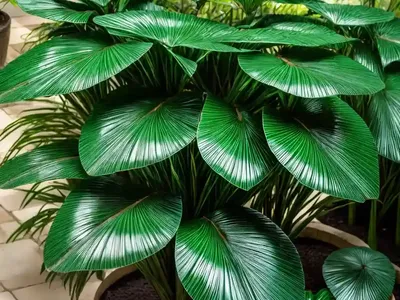
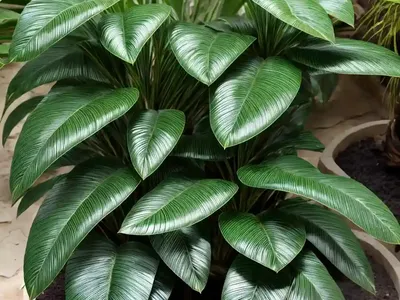
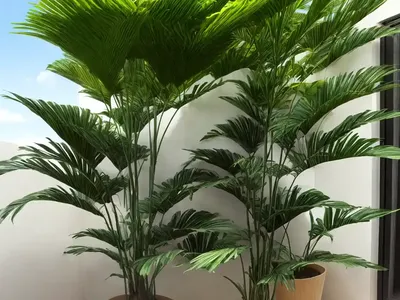
Florida Arrowroot (Zamia Integrifolia)
Florida Arrowroot, scientifically known as Zamia integrifolia, is an attractive perennial plant native to the southeastern United States. It is a member of.
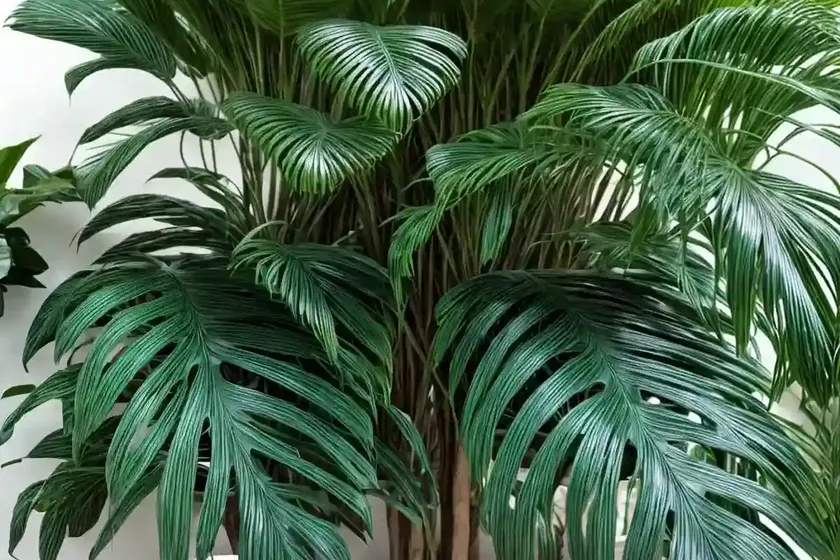
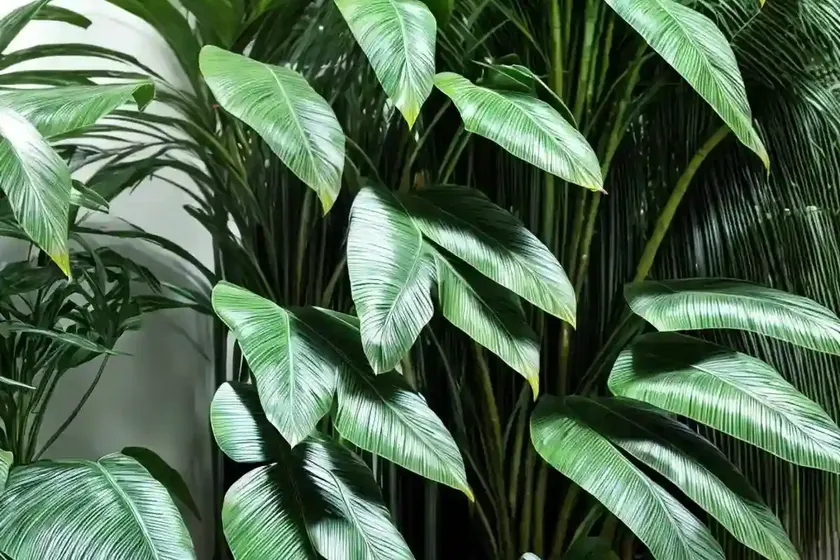
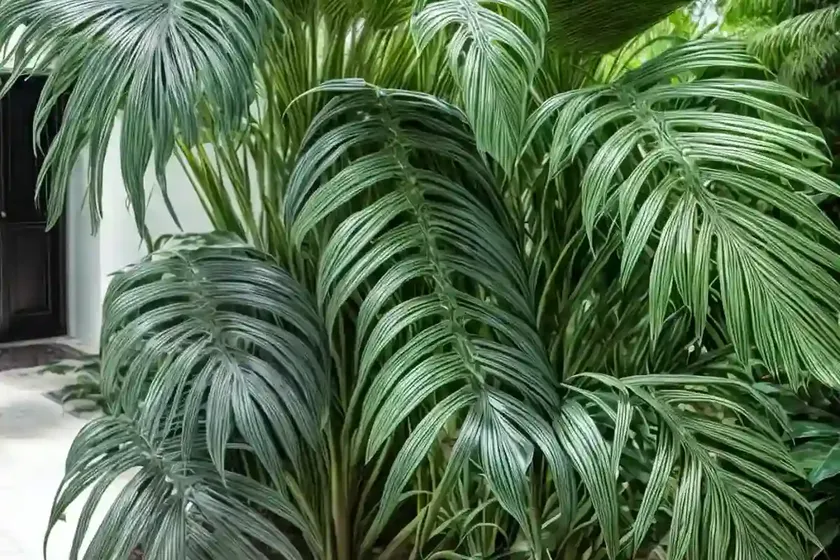
Florida Arrowroot, scientifically known as Zamia integrifolia, is an attractive perennial plant native to the southeastern United States. It is a member of the cycad family, a group of primitive, seed-bearing plants that have been around for millions of years. Florida Arrowroot is a fascinating addition to any garden due to its unique appearance and low maintenance requirements.
Key Takeaways – Florida Arrowroot (Zamia Integrifolia)
Before delving into the details of caring for Florida Arrowroot, it’s important to highlight some key takeaways about this intriguing plant:
- Scientific Name: Zamia integrifolia
- Common Names: Florida Arrowroot, Coontie
- Native Range: Southeastern United States
- Plant Type: Perennial
- Growth Habit: Clumping
- Foliage: Evergreen
- Sunlight: Full sun to partial shade
- Water Needs: Drought tolerant once established
- Soil Requirements: Well-draining, sandy or loamy soil
- Propagation: Seeds, division of offsets (pups)
- Special Features: Wildlife friendly, air-purifying qualities, ornamental foliage
- Disease Resistance: Generally resistant to diseases
- Toxicity: Parts of the plant are toxic if ingested
In the following sections, we will explore the various aspects of caring for Florida Arrowroot, including its cultural requirements, uses in landscaping, potential pests and diseases, and interesting cultivation tips.
Culture
Understanding the cultural requirements of Florida Arrowroot is crucial to ensuring its successful growth and development. Here are some key elements to consider when cultivating this unique plant:
- Mature Size: Florida Arrowroot typically reaches a height and spread of 2 to 4 feet, forming a clumping habit with attractive, fern-like foliage.
- Growth Rate: This plant has a slow to moderate growth rate, making it well-suited for low-maintenance landscapes.
- Hardiness Zone: Florida Arrowroot is well adapted to USDA hardiness zones 8 through 11, thriving in warm, subtropical climates.
- Landscape Uses: It can be used as a groundcover, focal point in a garden bed, or as part of a mixed border. Additionally, it is suitable for container gardening.
- Companion Plants: When choosing companion plants for Florida Arrowroot, consider species that share similar cultural requirements, such as drought tolerance and soil preferences. Examples include ornamental grasses, salvias, and lantanas.
Uses
Understanding the diverse uses of Florida Arrowroot can provide valuable insights into how this plant can enhance various aspects of a garden or landscape. Some common uses include:
- Landscaping: Florida Arrowroot is a versatile plant that can be used for groundcover, erosion control on slopes, or as a low-maintenance, ornamental element in the landscape.
- Container Gardening: Its compact size and attractive foliage make it well-suited for container planting, adding a tropical flair to patios and deck areas.
- Wildlife Habitat: The plant’s dense, evergreen foliage provides cover and nesting sites for wildlife, making it a valuable addition to wildlife-friendly gardens.
- Medicinal Properties: Historically, the coontie starchy roots were used by Native Americans to produce flour and arrowroot, and the plant has been explored for its potential medicinal properties.
Water
Proper watering is essential for the health and vitality of Florida Arrowroot, especially during its establishment phase. Consider the following guidelines for meeting the water needs of this unique plant:
- Establishment Period: During the first year after planting, provide regular, deep waterings to help the plant develop a strong root system. Once established, the plant becomes drought tolerant.
- Drought Tolerance: Florida Arrowroot is well adapted to dry conditions and once established, it typically requires minimal supplemental irrigation, relying on natural rainfall.
- Avoid Waterlogging: Ensure that the soil has good drainage to prevent waterlogging, which can lead to root rot and other moisture-related issues.
Sunlight
Proper sunlight exposure plays a significant role in the growth and development of Florida Arrowroot. Understanding its sunlight requirements is crucial for optimal care:
- Sun Exposure: Florida Arrowroot thrives in full sun to partial shade. In hotter regions, providing partial shade during the hottest part of the day can help prevent stress and sunburn on the foliage.
- Indoor Cultivation: When grown indoors, ensure that the plant receives bright, indirect light to mimic its natural habitat conditions.
Fertilizer
Although Florida Arrowroot is relatively low maintenance, providing occasional fertilization can support its growth and overall vigor. Consider the following guidelines for fertilizing this unique plant:
- Fertilization Frequency: Apply a balanced, slow-release fertilizer in spring, following the manufacturer’s recommended application rates.
- Avoid Overfertilization: Excessive fertilization can lead to lush, weak growth and may not be beneficial for the long-term health of the plant. Use fertilizers sparingly, especially in well-amended soils.
Soil
Understanding the soil preferences of Florida Arrowroot is essential for creating an optimal growing environment. Here are some key considerations when it comes to soil requirements:
- Well-Draining Soil: Florida Arrowroot prefers well-draining soil, such as sandy or loamy soil types. Avoid heavy clay soils that can retain excess moisture.
- Soil pH: The plant thrives in slightly acidic to slightly alkaline soil with a pH range of 6.0 to 7.5. Conduct a soil test to assess the pH and make any necessary adjustments.
Pruning
Pruning is an essential aspect of plant care and can help maintain the attractive appearance of Florida Arrowroot. Consider the following pruning tips to keep the plant in optimal condition:
- Dead Foliage Removal: Remove any dead or yellowed foliage throughout the year to enhance the plant’s appearance. Use clean, sharp pruning shears to make precise cuts.
- Pup Removal: Over time, Florida Arrowroot may produce offsets, also known as pups. These can be carefully removed and replanted to propagate new plants or to maintain the desired clumping habit.
Propagation
Propagating Florida Arrowroot allows for the expansion of its presence in the garden and landscape. Explore the following methods for propagating this intriguing plant:
- Seeds: Florida Arrowroot can be propagated from seeds, although this method requires patience as cycads are known for their slow growth from seed.
- Division: Propagate by dividing the offsets, or pups, that form around the base of the parent plant. Carefully separate these pups and replant them in suitable growing locations.
Container Popularity
The compact size and ornamental foliage of Florida Arrowroot make it an appealing choice for container gardening. Consider the following aspects of its popularity for container cultivation:
- Versatility: Florida Arrowroot can thrive in containers, adding tropical charm to patios, balconies, and outdoor living spaces.
- Portability: Container-grown plants can be moved as needed to optimize sunlight exposure or to protect them from inclement weather conditions.
- Aesthetic Appeal: The attractive, evergreen foliage of Florida Arrowroot makes it a visually appealing addition to container displays.
Common Diseases
While Florida Arrowroot is relatively resistant to diseases, it can still be affected by certain issues. Understanding common diseases and their symptoms is essential for prompt diagnosis and treatment. Some potential diseases include:
- Cycad Aulacaspis Scale (CAS): This scale insect can infest Florida Arrowroot, causing yellowing, stunted growth, and white, waxy accumulations on the foliage.
- Root Rot: Excessive moisture or poorly draining soil can lead to root rot, resulting in yellowing, wilting, and dieback of the plant.
- Cycad Blue Spot Disease: This fungal disease can cause circular, blue-gray spots on the foliage, potentially leading to leaf browning and decline.
Disease Diagnosis
Diagnosing diseases in Florida Arrowroot involves careful observation of the plant’s symptoms and characteristics. Consider the following steps for identifying and addressing potential diseases:
- Visual Inspection: Regularly inspect the foliage, stems, and overall appearance of the plant for any signs of discoloration, lesions, or abnormal growth.
- Consultation: If unusual symptoms are observed, seek the expertise of a plant pathologist or horticultural professional for accurate diagnosis and treatment recommendations.
- Cultural Practices: Implementing proper cultural practices, such as providing adequate airflow and avoiding overwatering, can help prevent disease development.
Common Pests
Understanding potential pests that may affect Florida Arrowroot is crucial for implementing effective pest management strategies. Some common pests that can impact this plant include:
- Aphids: These small, sap-feeding insects can infest the foliage, leading to distorted growth and the development of sticky honeydew.
- Caterpillars: Certain caterpillar species may feed on the foliage of Florida Arrowroot, resulting in visible feeding damage and defoliation.
- Scale Insects: Scale insects can attach themselves to the stems and foliage of the plant, causing yellowing, wilting, and the production of sticky honeydew.
Botanist’s Tips
As a plant scientist, I would like to offer the following tips for successfully cultivating and appreciating Florida Arrowroot:
- Understand Native Range: Exploring the native range of Florida Arrowroot can provide insights into its environmental preferences and natural growing conditions, helping to replicate these conditions in cultivation.
- Appreciate Ornamental Value: Florida Arrowroot’s unique foliage and growth habit make it an intriguing addition to gardens and landscapes, contributing aesthetic appeal and textural interest.
- Promote Wildlife Habitat: Recognize the plant’s value in supporting wildlife by providing cover and nesting sites, enhancing the ecological diversity of the garden.
- Experiment with Companion Plants: Consider experimenting with different companion plants to create visually appealing combinations and to support overall garden health and resilience.
Fun Facts
- Florida Arrowroot is one of the only Cycad species native to the United States, primarily found in Florida.
- The starchy roots of the coontie plant (Florida Arrowroot) were historically used by Native Americans to produce flour, arrowroot, and other food products.
- The plant’s common name, “Coontie,” is derived from the Seminole Native American word “konti,” which refers to the processed root’s use as a source of starch.
Links to External Resources
To further explore the care and cultivation of Florida Arrowroot (Zamia integrifolia), consider the following external resources:
- University of Florida IFAS Extension: Florida Coontie
- Florida Native Plant Society: Coontie Zamia integrifolia
By incorporating these tips and insights into your approach to nurturing Florida Arrowroot, you can create a thriving and visually captivating display in your garden or landscape.