Flaky Juniper (Juniperus Squamata ‘blue Star’)
Flaky Juniper, scientifically known as Juniperus squamata ‘blue star’, is a stunning evergreen shrub that is valued for its striking silvery-blue foliage and compact, dense growth habit. This hardy plant belongs to the Cupressaceae family and is native to the mountainous regions of Afghanistan, Pakistan, India, and Nepal. It is a popular choice for landscaping due to its low maintenance requirements, versatility, and ornamental appeal.
In this comprehensive guide, we will delve into the various aspects of Flaky Juniper, including its cultural requirements, uses in landscaping, water and sunlight needs, fertilizer and soil preferences, pruning techniques, propagation methods, and common diseases and pests that it may encounter. Furthermore, we will explore interesting facts about this plant, along with providing valuable tips for its care and maintenance. Whether you’re a seasoned gardener or a novice enthusiast, this guide will equip you with the knowledge to cultivate and appreciate the beauty of Flaky Juniper in your outdoor spaces.
Key Takeaways – Flaky Juniper (Juniperus Squamata ‘blue Star’)
Before delving into the specifics, let’s outline the key takeaways regarding the Flaky Juniper, encapsulating its essential attributes and care requirements.
Cultivar: Juniperus Squamata ‘blue Star’
Common Name: Flaky Juniper
Family: Cupressaceae
Watering: Moderate
Sunlight: Full sun to partial shade
Soil: Well-draining, sandy or loamy soil
Fertilizer: Low to moderate requirements
Pruning: Minimal; mainly for shaping and maintenance
Propagation: Seeds, cuttings
Container: Suitable for container gardening
Common Diseases: Tip blight, rust, canker
Common Pests: Spider mites, scale insects
Winter Hardiness: Cold-hardy
Growth Habit: Compact, spreading
Native Habitat: Mountainous regions of Asia
Now, let’s explore each of these aspects in detail to gain a comprehensive understanding of Flaky Juniper and its care requirements.
What is Flaky Juniper (Juniperus Squamata ‘blue Star’)?
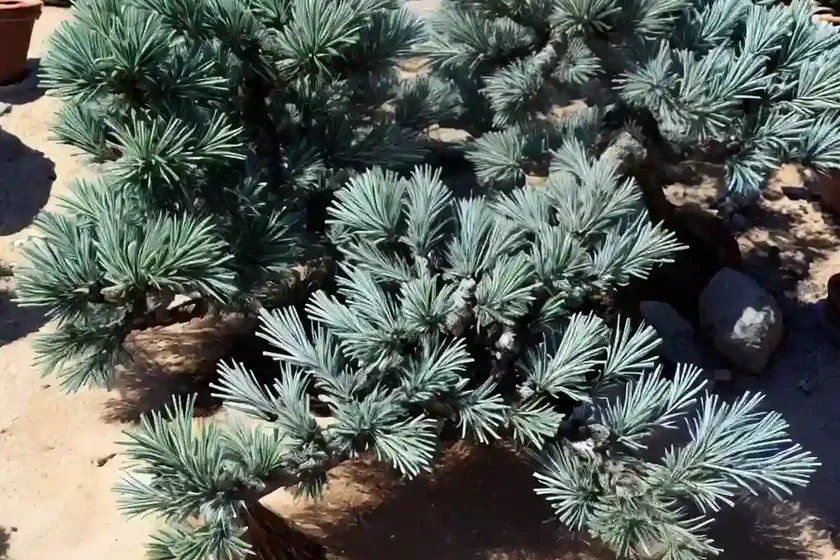
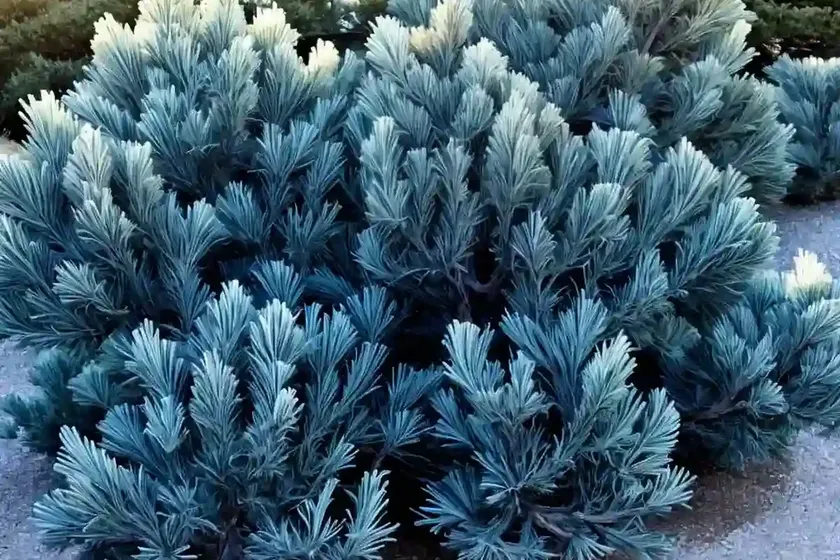
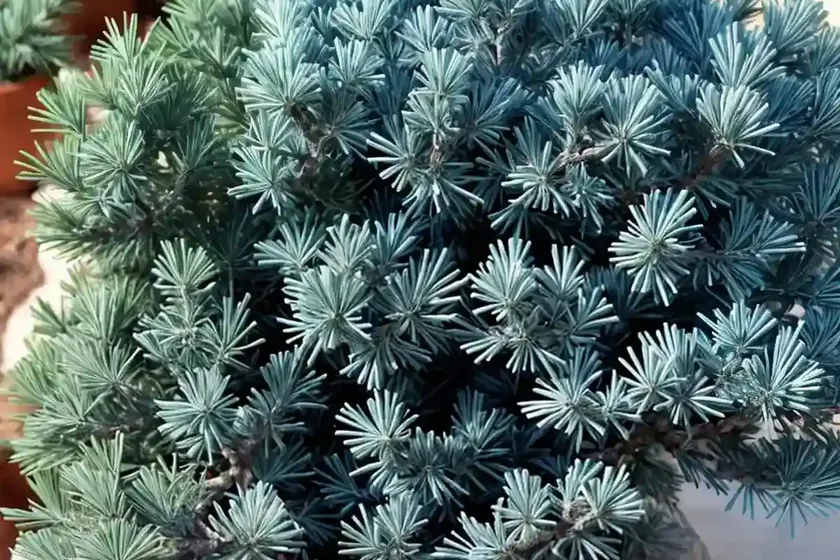
Flaky Juniper, also known by its botanical name Juniperus squamata ‘blue star’, is an attractive evergreen shrub characterized by its striking silvery-blue foliage, dense growth habit, and low, spreading form. This cultivar is a popular choice for landscape design, offering versatility in its uses and a visually appealing contrast to green and other colored plants in the garden.
The Flaky Juniper is primarily valued for its ornamental characteristics, which make it a standout addition to various outdoor settings. Its relatively low maintenance requirements and adaptability to diverse environmental conditions further enhance its desirability for both amateur and experienced gardeners. Given its inherent beauty and resilience, Flaky Juniper has gained popularity as a sought-after landscaping plant and a cherished feature in gardens, parks, and public spaces.
Cultivar: Juniperus Squamata ‘blue Star’
Juniperus squamata ‘blue star’ is a cultivar of the species Juniperus squamata, commonly referred to as Flaky Juniper. The ‘blue star’ variety is particularly prized for its distinct silvery-blue foliage, which adds a touch of elegance and serenity to any landscape. This compact and slow-growing shrub typically reaches a mature height and spread of around 2 to 3 feet, forming a dense, cushion-like shape that is accentuated by its graceful, arching branches. The blue coloration of its foliage intensifies during the cold winter months, further enhancing its visual appeal and making it a standout feature in the garden.
Key Characteristics of Flaky Juniper (Juniperus Squamata ‘blue Star’)
- Foliage: Silvery-blue, needle-like leaves
- Growth Habit: Low, spreading, compact
- Mature Height: 2 to 3 feet
- Mature Spread: 4 to 6 feet
- Form: Dense, cushion-like
- Branches: Arching, graceful
Fun Facts about Flaky Juniper
- Flaky Juniper, with its striking silvery-blue foliage, stands out as an excellent choice for adding contrast and visual interest to garden landscapes.
- The name “Flaky Juniper” is derived from the characteristic peeling, flaky bark of the plant, which adds to its unique appeal.
- This cultivar is known for its durability and ability to thrive in harsh, mountainous environments, showcasing its resilience and adaptability.
Now that we have established an overview of Flaky Juniper and its key attributes, let’s delve into the specific cultural requirements, uses, and care guidelines for this exceptional evergreen shrub.
Culture
Uses
Flaky Juniper, with its exceptional visual appeal and versatility, serves various practical and aesthetic purposes in landscaping and outdoor design. Its applications span from serving as a standalone ornamental shrub to contributing to mixed borders, rock gardens, and ground covers. The distinctive color and texture of its foliage make it an ideal choice for creating contrast and visual interest in garden landscapes.
Common Landscape Uses of Flaky Juniper:
- Ornamental Focal Point: Its compact and charming form makes it well-suited for featuring as a focal point in gardens and landscapes.
- Mixed Borders: It can be incorporated into mixed borders to add color and structure alongside other plants and shrubs.
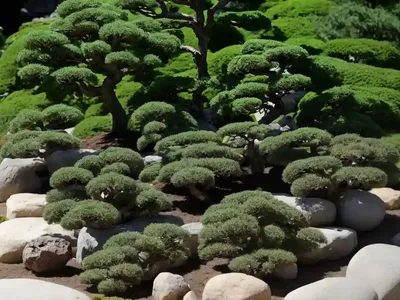
- Rock Gardens: Its low, spreading habit and silvery-blue foliage make it an attractive addition to rock gardens and alpine settings.
- Ground Cover: When planted in groups, Flaky Juniper can serve as a low-maintenance ground cover, effectively suppressing weeds and providing visual appeal.
- Erosion Control: Its dense, spreading growth habit qualifies it as an effective erosion control plant on slopes and terrains.
Water
Flaky Juniper exhibits moderate water needs once established, making it relatively drought-tolerant and suitable for landscapes with well-drained soil. During the establishment phase, adequate watering is essential to promote root development and ensure the plant’s vigor. Afterward, it is crucial to maintain a balanced watering regimen, ensuring that the soil remains consistently moist but not waterlogged. Overly saturated soil can lead to root rot and other complications, so it’s imperative to strike a balance and avoid both prolonged drought and excessive moisture.
Watering Guidelines for Flaky Juniper:
- Establishment Period: Adequate watering is crucial during the initial establishment phase. Provide regular moisture to enable the plant to develop a strong root system.
- Mature Plants: Once established, Flaky Juniper is relatively drought-tolerant. However, it’s recommended to provide supplemental watering during prolonged dry spells, particularly in hot climates.
Sunlight
Flaky Juniper thrives in full sun to partial shade, exhibiting resilience and vigor in diverse lighting conditions. When positioned in full sun, the plant’s silvery-blue foliage achieves its optimal coloration, enriching the visual impact of the landscape. However, it also performs well in partial shade, making it adaptable to various garden settings and microclimates.
Sunlight Preferences for Flaky Juniper:
- Full Sun: Position in areas receiving at least 6 to 8 hours of direct sunlight daily for best foliage color and overall growth.
- Partial Shade: Tolerates partial shade, making it suitable for locations with dappled sunlight or filtered light.
Fertilizer
Flaky Juniper has low to moderate fertilizer needs, and its nutritional requirements can typically be met through organic amendments and balanced slow-release fertilizers. Due to its adaptability to nutrient-poor soils, excessive fertilization should be avoided to prevent adverse effects on the plant’s growth and overall health.
Fertilization Best Practices for Flaky Juniper:
- Timing: Apply fertilizer in early spring before new growth begins, avoiding late-season fertilization that may stimulate tender growth vulnerable to frost.
- Type: Utilize a balanced, slow-release fertilizer suitable for evergreen shrubs to provide essential nutrients over an extended period.
- Application: Spread the fertilizer evenly around the base of the plant, following the recommended application rates specified on the product label.
Soil
The Flaky Juniper thrives in well-draining soil with sandy or loamy consistency, showcasing adaptability to a wide range of soil types as long as they offer good drainage. Avoid waterlogged or clay-heavy soils, as they can lead to root suffocation and other issues. Additionally, maintaining slightly acidic to neutral soil pH levels is conducive to the plant’s overall health and vigor.
Ideal Soil Conditions for Flaky Juniper:
- Drainage: Ensure that the soil has excellent drainage to prevent water stagnation around the plant’s root system.
- Texture: Sandy or loamy soil is preferred, facilitating aeration and moisture penetration.
- pH Levels: Aim for slightly acidic to neutral soil pH, within the range of 6.0 to 7.0 for optimal growth and nutrient uptake.
Pruning
Pruning requirements for Flaky Juniper are minimal, primarily focused on shaping, maintenance, and the removal of dead or damaged branches. Its naturally compact and dense growth habit lends itself to minimal pruning, making it a low-maintenance addition to the garden landscape.
Pruning Considerations for Flaky Juniper:
- Timing: Pruning is best carried out in early spring before new growth emerges, allowing the plant to recover and channel its resources into regrowth.
- Technique: Use clean, sharp pruning shears to remove unwanted growth, focusing on shaping the plant to maintain its desired form and size.
- Deadheading: Regular removal of dead or discolored foliage helps to promote air circulation and maintain the plant’s vigor.
Propagation
Flaky Juniper can be propagated through seeds and cuttings, offering flexibility to gardeners and propagation enthusiasts. While it may take some time to observe substantial growth from seeds, cuttings can yield quicker results and are conducive to controlled propagation.
Propagation Techniques for Flaky Juniper:
- Seeds: Collect ripe seeds from the plant and sow them in well-draining soil. Germination may take several weeks to months, requiring patience and consistent care.
- Cuttings: Take semi-hardwood cuttings in late summer and place them in a rooting medium. Provide a conducive environment with sufficient moisture and warmth to encourage root development.
Container Gardening with Flaky Juniper
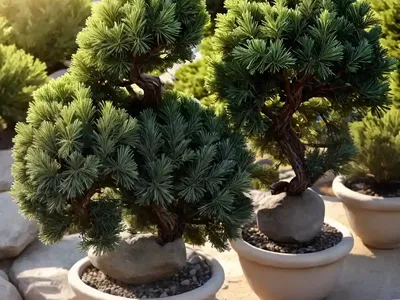
The compact and low-maintenance nature of Flaky Juniper makes it an excellent candidate for container gardening, offering a versatile and visually captivating option for outdoor and patio spaces. When selecting a container for this shrub, prioritize those with adequate drainage holes to prevent waterlogging and optimize air circulation around the roots.
Considerations for Container Gardening with Flaky Juniper:
- Container Size: Choose a spacious container that accommodates the plant’s mature size while providing ample room for root development.
- Drainage: Ensure that the container has sufficient drainage holes to prevent water accumulation and promote healthy root growth.
- Potting Mix: Utilize a well-draining potting mix designed for container plants, incorporating components such as perlite and peat to enhance aeration and moisture retention.
Now that we have explored the essential cultural aspects of Flaky Juniper, let’s turn our attention to the prevalence of common diseases and pests that may affect this resilient shrub, along with valuable tips for diagnosis and control measures.
Common Diseases
Flaky Juniper, despite its resilience, may occasionally encounter certain diseases that can compromise its health and aesthetics. Being aware of these potential issues and understanding their causes and prevention measures is pivotal in maintaining the plant’s vitality and vigor.
Common Diseases Affecting Flaky Juniper:
-
Tip Blight: Caused by fungal pathogens such as Kabatina juniperi, tip blight leads to browning and dieback of the terminal shoots, affecting the plant’s overall appearance and growth.
-
Rust: Rust diseases, caused by various fungal species, manifest as orange or reddish pustules on the foliage, ultimately leading to defoliation and reduced vigor.
-
Canker: Canker diseases, often caused by fungi such as Phomopsis juniperovora, result in the development of sunken, discolored lesions on the stems and branches, potentially leading to dieback and decline.
Disease Diagnosis and Control Measures
Timely diagnosis of diseases and prompt implementation of control measures are essential to mitigate the impact of potential infections on Flaky Juniper. Here are valuable tips for disease diagnosis and effective control measures:
- Regular Inspection: Routinely inspect the plant for any signs of discoloration, lesions, or abnormal growth, promptly addressing any issues that are identified.
- Pruning: Remove and dispose of infected plant parts using clean pruning tools, ensuring to sanitize the tools between cuts to prevent the spread of pathogens.
- Fungicidal Treatments: Utilize appropriate fungicidal treatments as preventive measures during conducive conditions or as curative measures in response to confirmed infections.
Common Pests
Flaky Juniper is generally resistant to many pests, but certain insects and mites may pose potential challenges to its health and vigor. Vigilance in monitoring for the presence of pests and implementing effective pest control measures are crucial for maintaining the plant’s well-being.
Common Pests Affecting Flaky Juniper:
-
Spider Mites: These tiny arachnids feed on the plant’s sap, leading to stippling of the foliage and the development of fine webbing, particularly in hot and dry conditions.
-
Scale Insects: Scale insects, characterized by their protective waxy coverings, can infest Flaky Juniper, causing yellowing of foliage and overall decline if left unaddressed.
Pest Management and Control Measures
Deploying integrated pest management strategies is key to preventing and addressing potential pest issues affecting Flaky Juniper. Here are valuable tips for effective pest management and control measures:
- Cultural Practices: Promote plant vigor through proper watering, fertilization, and maintenance practices, enhancing its natural resistance to pest infestations.
- Mechanical Control: Physically remove pests such as spider mites and scale insects using a strong stream of water or by gently scraping the infested areas with a soft brush.
- Horticultural Oils: Application of horticultural oils can help suffocate and control certain pests, serving as an eco-friendly pest management approach.
Botanist’s Tips for Flaky Juniper Care
As we conclude our exploration of Flaky Juniper’s cultural requirements, let’s recap with some valuable botanist’s tips to guide the care and maintenance of this exceptional shrub. These tips draw on the expertise and insights of botanists and horticulturists to enhance your success in cultivating and enjoying the beauty of Flaky Juniper in your outdoor spaces.
Botanist’s Tips for Flaky Juniper Care and Maintenance:
- Optimal Planting Site: Select a well-draining and sunny location for planting, ensuring adequate air circulation and space for the shrub’s mature size.
- Watering Regimen: Strike a balance in watering, maintaining consistent moisture without waterlogging the soil, particularly during the establishment phase.
- Pruning Practices: Limit pruning to necessary shaping and maintenance, avoiding excessive removal of healthy growth to maintain the plant’s natural form.
- Disease Vigilance: Monitor the plant for symptoms of diseases, and promptly address any issues through proper diagnosis and targeted control measures.
- Pest Prevention: Implement preventive measures to deter pests, taking proactive steps to preserve the plant’s health and vitality.
Flaky Juniper, with its alluring silvery-blue foliage and versatile landscape applications, holds enduring appeal as a cherished ornamental shrub. Whether featured as a standalone specimen or integrated into mixed plantings, it contributes a touch of elegance and serenity to garden settings, enriching the visual tapestry with its distinctive coloration and low-maintenance allure. As you embark on the journey of cultivating and appreciating the beauty of Flaky Juniper in your outdoor spaces, may these insights and guidelines serve as valuable companions in your pursuit of horticultural excellence.
For further exploration and in-depth knowledge on Flaky Juniper care and related topics, we have curated a selection of external resources that offer valuable insights for enthusiasts, gardeners, and landscaping professionals:
Links to External Resources
- The Spruce – Blue Star Juniper: A Care Guide
- Gardening Know How – Blue Star Juniper Info
- Missouri Botanical Garden – Juniperus squamata ‘Blue Star’
- Royal Horticultural Society – Juniperus squamata ‘Blue Star’
- University of Florida IFAS Extension – Juniperus chinensis ‘Blue Point’ Blue Point Juniper
These resources offer a wealth of information and guidance on Flaky Juniper care, propagation, and landscaping applications, serving as valuable references for further exploration and learning. We encourage you to delve into these comprehensive guides and expert insights to deepen your understanding of Flaky Juniper and its role in enriching outdoor environments.
In conclusion, the Flaky Juniper (Juniperus squamata ‘blue star’) stands as a captivating testament to nature’s artistry, captivating hearts and minds with its striking beauty and enduring charm. As you embark on your journey of nurturing and stewarding this exceptional shrub, may its tranquil presence inspire and uplift, enriching your outdoor spaces with a touch of timeless elegance and natural splendor.
Keywords:
1. Juniperus Squamata Blue Star
2. Blue Star Juniper
3. Flaky Juniper Care
4. Juniper Blue Star Plant
5. Juniperus Squamata ‘blue Star’ Care Tips
6. Flaky Juniper Plant
7. Juniperus Squamata ‘blue Star’ Characteristics
8. Flaky Juniper Facts
9. Blue Star Juniperus Squamata
10. Flaky Juniper Pruning Guide
11. Juniperus Squamata ‘blue Star’ Growth Habit
12. Blue Star Juniper Care Instructions
13. Flaky Juniper Varieties
14. Juniperus Squamata ‘blue Star’ Watering Needs
15. Blue Star Juniper Planting Guide
16. Flaky Juniper Diseases
17. Juniperus Squamata ‘blue Star’ Sun Requirements
18. Blue Star Juniper Soil Preferences
19. Flaky Juniper Maintenance Tips
20. Juniperus Squamata ‘blue Star’ Fertilizing Techniques
21. Blue Star Juniper Propagation Methods
22. Flaky Juniper Pests and Control Measures
23. Juniperus Squamata ‘blue Star’ Winter Hardiness
24. Blue Star Juniper Container Gardening
25. Flaky Juniper Companion Plants
26. Juniperus Squ