Fittonia Argyroneura (Fittonia Albivenis)
Fittonia argyroneura, commonly known as Fittonia albivenis, is a stunning and vibrant plant that is popular for its colorful and attractive foliage. This.
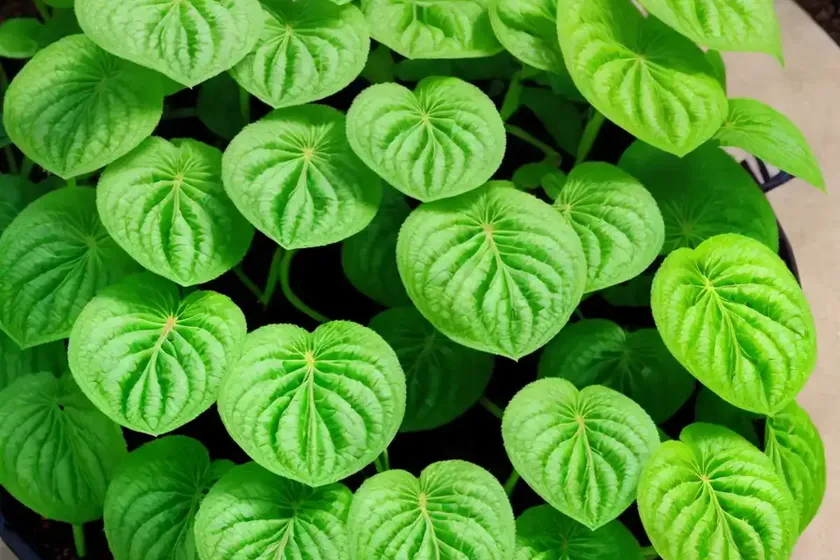
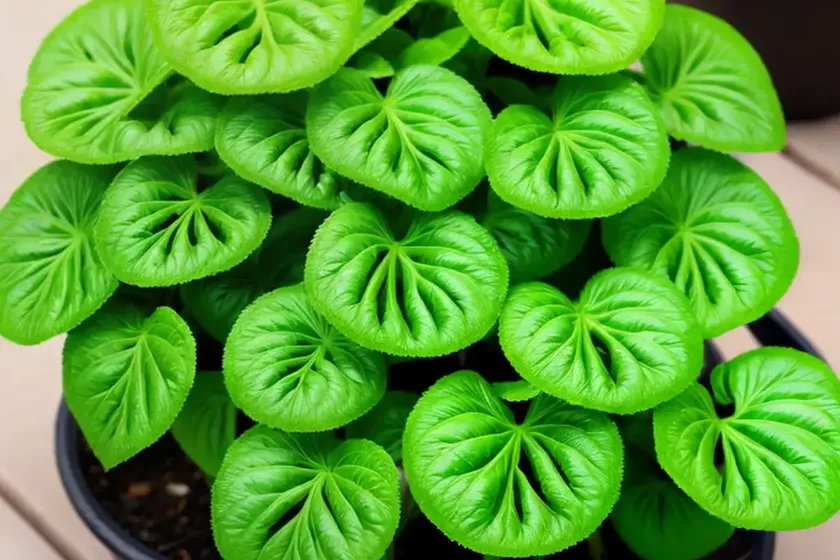
Fittonia argyroneura, commonly known as Fittonia albivenis, is a stunning and vibrant plant that is popular for its colorful and attractive foliage. This plant is native to the tropical rainforests of South America, where it thrives in the warm, humid, and shaded conditions. Fittonia argyroneura belongs to the Acanthaceae family and is often referred to as the nerve plant due to its unique leaf veining.
In this comprehensive guide, we will delve into the various aspects of caring for Fittonia argyroneura, including its cultural requirements, uses, water and sunlight needs, fertilizer application, soil preferences, pruning techniques, propagation methods, container gardening, common diseases, pest control, and much more. By the end of this guide, you will have a thorough understanding of how to care for this beautiful plant and keep it thriving in your indoor garden.
What is Fittonia Argyroneura (Fittonia Albivenis)?
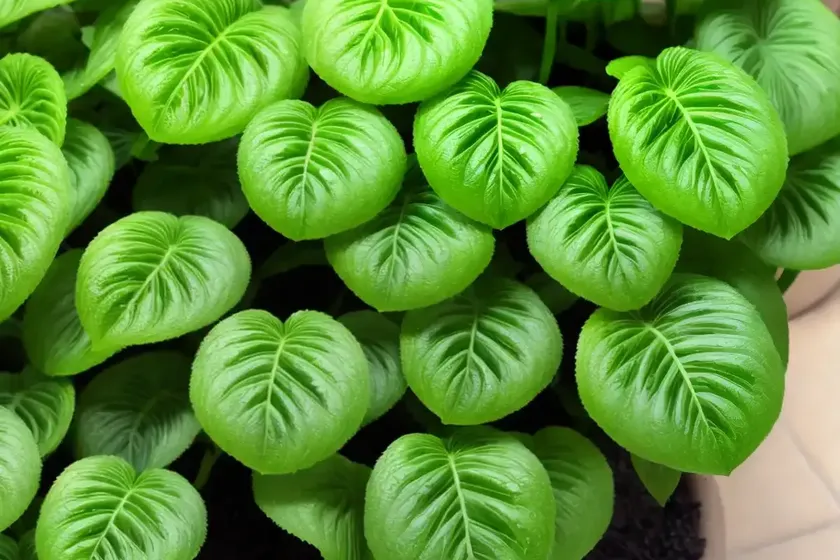
Fittonia argyroneura, also known as Fittonia albivenis, is a compact, low-growing plant that is loved for its distinctive foliage. The leaves of Fittonia argyroneura are characterized by their intricate veining patterns and vibrant colors, which can range from deep green with light green veins to pink, red, or white variegation.
The compact growth habit of Fittonia argyroneura makes it an ideal choice for terrariums, hanging baskets, and as a ground cover in shaded garden beds. This plant is often used as a decorative houseplant to bring a touch of nature indoors, and its low-maintenance nature and air-purifying qualities make it a popular choice for both beginner and experienced indoor gardeners.
Key Takeaways – Fittonia Argyroneura (Fittonia Albivenis)
Before we delve into the specific care requirements of Fittonia argyroneura, let’s highlight some key takeaways about this beautiful plant:
- Fittonia argyroneura, also known as Fittonia albivenis, is a tropical plant native to South America.
- It is loved for its vibrant and colorful foliage, featuring intricate veining patterns in shades of green, white, pink, and red.
- Fittonia argyroneura is a compact, low-growing plant that is well-suited for terrariums, hanging baskets, and as a ground cover in shaded garden beds.
- This plant is an excellent choice for indoor gardening, as it is low-maintenance and possesses air-purifying qualities.
- The care requirements for Fittonia argyroneura include proper watering, adequate sunlight, well-draining soil, and regular fertilization to support its lush foliage.
Now that we have an overview of Fittonia argyroneura, let’s explore its cultural requirements, uses, and specific care guidelines to ensure its optimal growth and vibrancy in your indoor garden.
Cultural Requirements of Fittonia Argyroneura (Fittonia Albivenis)
Understanding the cultural requirements of Fittonia argyroneura is essential for creating the ideal growing conditions for this tropical plant. From water and sunlight needs to suitable soil and humidity levels, let’s delve into the cultural aspects of caring for Fittonia argyroneura.
Water
Proper watering is crucial to the health and vitality of Fittonia argyroneura. As a tropical plant, Fittonia requires consistently moist, but not waterlogged, soil to thrive. It is essential to avoid letting the soil dry out completely, as this can lead to wilting and stress for the plant.
-
Watering Tips for Fittonia Argyroneura:
-
Water the plant when the top inch of the soil feels slightly dry to the touch.
- Use room-temperature water to avoid shocking the plant with cold or hot water.
- Ensure that the pot has drainage holes to allow excess water to escape, preventing waterlogging.
Sunlight
Fittonia argyroneura thrives in bright, indirect light or dappled shade. Its native habitat in the understory of tropical rainforests means that the plant is adapted to lower light levels. Direct sunlight can scorch the delicate foliage of Fittonia, so it is best to provide gentle, filtered light to prevent leaf damage.
-
Sunlight Requirements for Fittonia Argyroneura:
-
Place the plant in a location with bright, indirect light, such as near a north or east-facing window.
- Avoid exposing Fittonia to direct sun, especially during the hottest part of the day, to prevent leaf burn and discoloration.
Fertilizer
Fertilizing Fittonia argyroneura is essential for supporting its lush foliage and promoting healthy growth. A balanced, water-soluble fertilizer formulated for houseplants can be applied during the plant’s active growing season to provide the necessary nutrients.
-
Fertilizing Schedule for Fittonia Argyroneura:
-
Apply a diluted, balanced liquid fertilizer every 4-6 weeks during the spring and summer months.
- Reduce the frequency of fertilization during the fall and winter, when the plant’s growth rate slows down.
Soil
The right soil mix is crucial for maintaining the proper moisture levels and providing adequate aeration for Fittonia argyroneura’s roots. A well-draining potting mix that retains moisture without becoming waterlogged is ideal for supporting the plant’s growth.
-
Soil Preferences for Fittonia Argyroneura:
-
Use a high-quality, well-draining potting mix with a balanced blend of organic matter, such as peat moss, and perlite or vermiculite to promote good drainage.
- Avoid heavy, compacted soils that retain excess moisture, as these can lead to root rot and other issues.
Pruning
Pruning Fittonia argyroneura helps maintain a compact and bushy growth habit, as well as keeps the plant looking neat and healthy. Regularly removing any leggy or discolored growth can encourage new foliage to develop and promote overall plant health.
-
Pruning Techniques for Fittonia Argyroneura:
-
Use clean, sharp scissors or pruning shears to trim back overgrown or leggy stems, making cuts just above a leaf node.
- Remove any yellowed, damaged, or diseased leaves to prevent the spread of issues and maintain the plant’s vitality.
Propagation
Fittonia argyroneura can be propagated from stem cuttings, allowing you to create new plants from your existing specimens. Propagation is a great way to expand your Fittonia collection or share the plant with fellow gardening enthusiasts.
-
Propagation Methods for Fittonia Argyroneura:
-
Take 3-4 inch stem cuttings with at least two sets of leaves, ensuring that each cutting has a leaf node.
- Place the cuttings in water or a well-draining propagation mix, keeping them in a warm, humid environment until roots develop.
Container Gardening with Fittonia Argyroneura
Fittonia argyroneura is well-suited for container gardening, making it an excellent choice for indoor and small space gardens. Whether you’re growing Fittonia in a hanging basket, terrarium, or decorative pot, understanding its container requirements is essential for providing the best growing environment for the plant.
Container Popularity
Fittonia argyroneura’s compact growth habit and vibrant foliage make it a popular choice for containers. Its small size and low maintenance needs make it a versatile plant for various types of containers, from traditional pots to unique and creative displays.
-
Common Containers for Fittonia Argyroneura:
-
Decorative pots and planters that complement the plant’s colorful foliage.
- Hanging baskets or macrame plant hangers, allowing the trailing nature of Fittonia to be showcased.
- Terrariums and glass containers, providing a unique and eye-catching display for the plant.
Container Common Diseases
While container gardening offers many benefits, it is essential to be mindful of common diseases that can affect Fittonia argyroneura when grown in pots. Proper care and maintenance can help prevent issues such as root rot and fungal infections.
-
Disease Diagnosis: Common Container Diseases for Fittonia Argyroneura:
-
Root Rot: Overwatering and poorly draining soil can lead to root rot, causing the plant’s roots to decay and impacting its overall health.
- Fungal Infections: Excessive moisture and poor air circulation can create favorable conditions for fungal diseases, leading to leaf spots and discoloration.
Disease Prevention and Treatment
To prevent common container diseases from affecting Fittonia argyroneura, it is essential to practice good watering habits, ensure proper soil drainage, and provide adequate air circulation around the plant. Using a well-draining potting mix and allowing the top layer of soil to dry out slightly between waterings can help prevent issues such as root rot and fungal infections.
In addition, applying a fungicidal treatment according to the product’s instructions can help control and prevent fungal diseases. Carefully monitoring the plant for any signs of disease or stress and addressing issues promptly can help maintain the health and vitality of Fittonia argyroneura in container gardens.
Common Pests Affecting Fittonia Argyroneura
In addition to being mindful of diseases, it’s essential to watch out for common pests that can affect Fittonia argyroneura. While this plant is relatively resistant to pests, it can still be susceptible to certain insects that may target its foliage and sap.
Pest Control
Preventing and controlling common pests is essential for maintaining the health and beauty of Fittonia argyroneura. By keeping a close eye on the plant and implementing proactive pest control measures, you can help ensure that your Fittonia remains free from infestations.
-
Common Pests Affecting Fittonia Argyroneura:
-
Spider Mites: These tiny pests can infest the undersides of leaves, causing stippling, webbing, and eventual leaf damage.
- Mealybugs: Mealybugs are soft-bodied insects that often congregate on leaf nodes and stems, feeding on the plant’s sap and secreting sticky honeydew.
Pest Prevention
Maintaining a clean and healthy growing environment for Fittonia argyroneura can help prevent pest infestations. Regularly inspecting the plant for signs of pests, providing proper airflow around the foliage, and avoiding overfertilization can contribute to pest prevention.
In the event of a pest infestation, using natural or organic pest control methods, such as neem oil or insecticidal soap, can help mitigate the issue without harming the plant or the surrounding environment.
Botanist’s Tips for Growing Fittonia Argyroneura
As a plant scientist, I have had the opportunity to study and observe the growing habits of Fittonia argyroneura extensively. Based on my experience and research, I would like to share some additional tips for successfully cultivating this beautiful plant and maintaining its vibrant foliage.
Fun Facts about Fittonia Argyroneura
Before we delve into some expert tips, let’s explore some fun and interesting facts about Fittonia argyroneura:
- Fittonia argyroneura is named after Elizabeth and Sarah Mary Fitton, two 19th-century sisters who were passionate about botanical illustration and natural history.
- The vibrant foliage of Fittonia argyroneura is not only visually stunning but also serves a purpose in nature, helping the plant absorb and utilize light in its shaded rainforest habitat.
- Fittonia argyroneura is known for its unique decorative foliage, making it a popular choice for indoor gardening and adding a splash of color to living spaces.
Botanist’s Tips for Growing Fittonia Argyroneura
Based on my research and professional experience, I would like to offer the following tips for successfully growing and caring for Fittonia argyroneura:
- Humidity Needs: Fittonia argyroneura thrives in high humidity conditions, making it well-suited for terrariums or indoor environments with supplemental humidity through misting or a humidity tray.
- Variegated Leaves: The variegated foliage of Fittonia argyroneura adds visual interest to indoor spaces and creates stunning displays when combined with other houseplants in mixed planters or terrariums.
- Compact Growth: Regular pruning can help maintain a compact and bushy growth habit for Fittonia argyroneura, ensuring that the plant remains full and attractive.
- Indoor Gardening Ideas: Incorporating Fittonia argyroneura in indoor gardening projects, such as terrariums, hanging planters, or decorative displays, can enhance the visual appeal of living spaces.
- Air Purifying Qualities: Fittonia argyroneura is known for its air purifying qualities, making it a beneficial addition to indoor environments by helping to improve air quality.
By following these tips and incorporating them into your care routine, you can create an optimal growing environment for Fittonia argyroneura and enjoy its lush and vibrant foliage to the fullest.
Links to External Resources
To further expand your knowledge and understanding of Fittonia argyroneura, I recommend exploring the following resources:
- The Spruce: Fittonia Plant Care
- Gardening Know How: Tips for Nerve Plant Care
- University of Florida IFAS Extension: Fittonia
- Missouri Botanical Garden: Fittonia
These resources provide valuable insights, tips, and guidance for caring for Fittonia argyroneura, allowing you to expand your knowledge and cultivate a thriving and vibrant collection of these stunning plants.
As a plant scientist, I have thoroughly explored the fascinating characteristics and care requirements of Fittonia argyroneura (Fittonia albivenis). From its cultural requirements and container gardening possibilities to pest control and propagation methods, understanding the intricacies of caring for this tropical plant is essential for its long-term health and vibrancy. By incorporating the insights and tips shared in this comprehensive guide, you can embark on a rewarding journey of nurturing and enjoying the stunning foliage of Fittonia argyroneura in your indoor garden.