Figwort (Scrophularia Marilandica)
Plants have been an integral part of human life for centuries, providing nourishment, materials, and medicine. Among the diverse array of flora that nature.
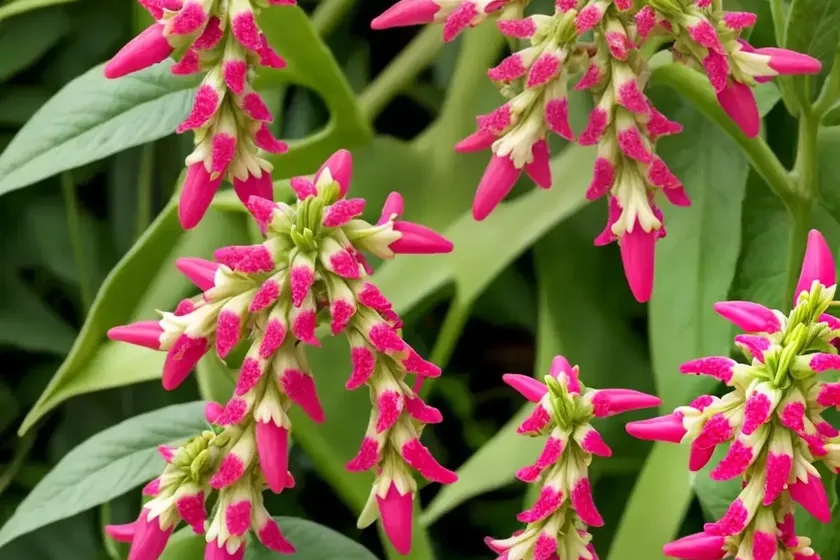
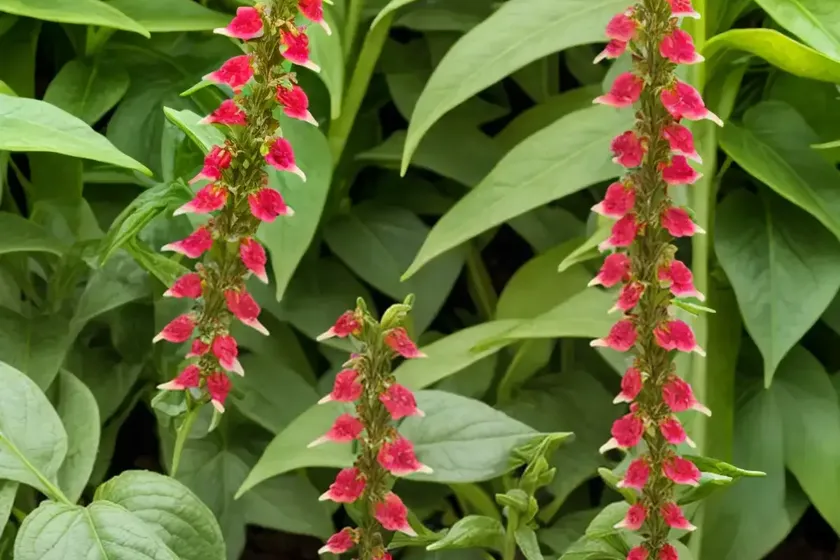
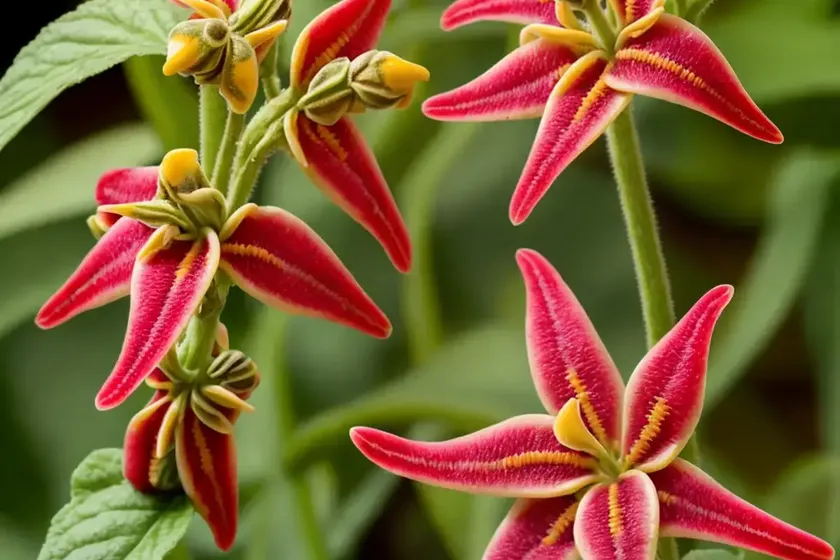
Plants have been an integral part of human life for centuries, providing nourishment, materials, and medicine. Among the diverse array of flora that nature offers, figwort (Scrophularia marilandica) stands out as a plant with significant cultural, medicinal, and ecological importance. In this comprehensive guide, we will delve into the intriguing world of figwort, exploring its characteristics, uses, cultivation, and much more.
What is Figwort (Scrophularia marilandica)?
Plant Description
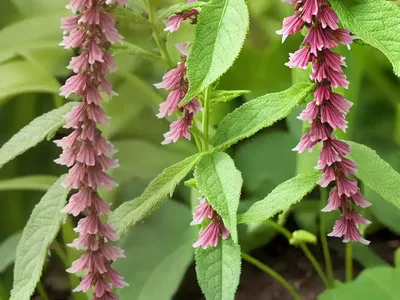
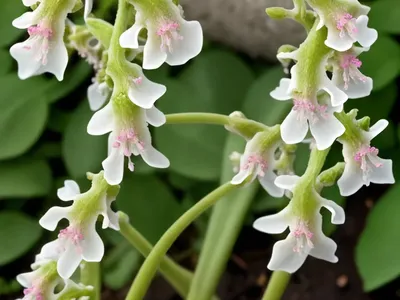
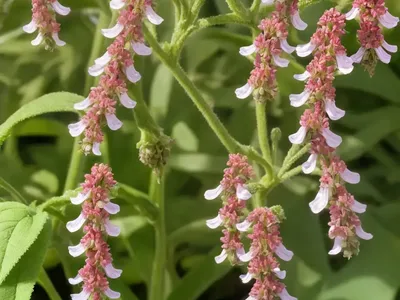
Figwort, scientifically known as Scrophularia marilandica, is a perennial herbaceous plant with a rich heritage of traditional uses and an essential role in sustainable gardening practices. Belonging to the Figwort family, Scrophulariaceae, this species is native to North America and thrives in various habitats, including woodlands, thickets, and along stream banks. The plant typically grows to a height of 2-4 feet and produces clusters of small, tubular flowers with a unique greenish-purple hue.
Plant Family
Scrophularia marilandica is a member of the Figwort family, Scrophulariaceae, which encompasses a diverse group of herbaceous plants, shrubs, and even a few trees. This family is renowned for its ornamental and medicinal species, making it a significant subject of interest for botanists and gardeners alike.
Characteristics
The figwort plant is characterized by its distinctive opposite leaves and erect growth habit, which contribute to its aesthetic appeal in naturalistic garden settings. The paired, toothed leaves give the plant a lush appearance, enhancing its overall visual impact. Additionally, the elongated clusters of tiny flowers that adorn the plant during the blooming season attract a myriad of pollinators, making figwort a valuable asset in supporting local biodiversity.
Habitat
Figwort thrives in diverse habitats, ranging from moist woodlands to riparian zones. It is commonly found in regions with rich, loamy soil that retains moisture, reflecting its preference for well-drained yet consistently moist conditions. The plant’s adaptability to partial shade makes it an ideal candidate for understory planting, providing an essential ecological function in forested ecosystems.
Folklore and Symbolism
In traditional folklore, the figwort plant has been associated with various cultural beliefs and symbolism, often embodying themes of healing and protection. Its presence in indigenous herbalism and folk medicine has contributed to its reputation as a plant with mystical and therapeutic properties. Additionally, figwort holds symbolic significance in different cultural contexts, where it may be revered as a symbol of resilience or spiritual growth.
Taxonomy
The taxonomy of Scrophularia marilandica reflects its classification as a member of the plant kingdom, Plantae, and the division of flowering plants, Angiosperms. Within the Figwort family, Scrophulariaceae, this species is recognized for its unique morphological and ecological characteristics, distinguishing it as a valuable component of natural ecosystems.
Cultivation
The cultivation of figwort requires an understanding of its ecological preferences and growth habits, enabling gardeners to create conducive environments for its thriving. By considering its habitat requirements, soil preferences, and water needs, individuals can successfully integrate figwort into their landscapes, fostering its ecological contributions and medicinal potential.
Key Takeaways – Figwort (Scrophularia marilandica)
Figwort Uses
- Medicinal Purposes: Figwort has a rich history of traditional medicinal uses, with its aerial parts often employed in herbal remedies for various ailments. The plant contains bioactive compounds that are believed to possess anti-inflammatory, diuretic, and vulnerary properties, making it valuable in natural healing practices.
- Ecological Contributions: Figwort plays a vital role in supporting local biodiversity by providing nectar and habitat for pollinators, including bees, butterflies, and hummingbirds. Its adaptability to shaded environments also makes it a valuable component of woodland ecosystems, contributing to their structural and functional diversity.
- Gardening and Landscaping: The aesthetic appeal and ecological benefits of figwort render it an attractive choice for naturalistic gardening and landscape design. Its vertical growth habit and architectural foliage make it a valuable addition to perennial borders, rain gardens, and woodland settings.
Figwort Benefits
- Natural Health Remedies: Figwort has been traditionally used to alleviate conditions such as skin irritations, rheumatic discomfort, and respiratory ailments, demonstrating its potential as a natural remedy for common health issues.
- Wildlife Support: The nectar-rich flowers of figwort attract a diverse array of pollinators, contributing to the overall health and resilience of local ecosystems. By promoting pollinator visitation, figwort supports the pollination of surrounding plant species, contributing to the maintenance of genetic diversity and ecosystem stability.
- Innovative Landscaping: Figwort’s adaptability to shaded environments and its striking floral display make it an appealing choice for sustainable landscaping practices. Its utilization in ecological restoration projects and sustainable gardening initiatives underscores its capacity to enhance the visual and ecological value of cultivated landscapes.
Figwort Medicinal Properties
- Anti-inflammatory Activity: Figwort contains bioactive compounds that exhibit anti-inflammatory properties, making it a potential remedy for conditions involving inflammation and discomfort.
- Diuretic Effects: The diuretic properties of figwort have been recognized in traditional medicine, suggesting its potential in supporting kidney function and promoting urinary health.
- Vulnerary Actions: The vulnerary effects of figwort are traditionally attributed to its ability to promote tissue repair and soothe minor skin irritations, presenting opportunities for its incorporation into natural first aid remedies.
Figwort Plant Care
- Water Requirements: Figwort thrives in consistently moist soil and benefits from regular watering, especially during periods of drought. Adequate soil moisture promotes healthy growth and supports the plant’s ecological functions in attracting and supporting pollinators.
- Sunlight Preferences: Figwort exhibits a preference for partial shade, making it suitable for planting in shaded garden areas and woodland landscapes. While it can tolerate periods of sunlight, providing dappled or indirect light helps maintain its vigor and aesthetic appeal.
- Soil Considerations: Figwort thrives in well-drained, loamy soil with adequate organic matter content. Amending the soil with compost and mulch can sustain soil moisture levels and provide essential nutrients for healthy plant growth.
Figwort Growing Tips
- Mulching: Applying a layer of organic mulch around the base of figwort plants helps retain soil moisture, regulate soil temperature, and suppress weed growth. Organic mulches such as shredded leaves or bark chips contribute to the overall health and vitality of figwort in garden settings.
- Companion Planting: Pairing figwort with complementary shade-loving plants, such as ferns, hostas, and astilbes, creates visually appealing and ecologically beneficial plant communities. Companion planting also promotes synergistic relationships among plant species, contributing to the overall resilience and stability of garden ecosystems.
Figwort Health Benefits
- Herbal Remedy Potential: Figwort’s historical use in traditional medicine suggests its potential as a herbal remedy for various health conditions, particularly those related to inflammation, skin irritations, and respiratory discomfort.
- Ecological Support: By attracting pollinators and providing nectar resources, figwort contributes to the vitality of local ecosystems and supports the health of surrounding plant communities. Its ecological benefits extend to fostering biodiversity and contributing to the overall stability of natural habitats.
Figwort Herbal Remedy
- Preparation: Figwort can be prepared as a decoction or tincture, utilizing its aerial parts to extract bioactive compounds with medicinal properties. The resulting herbal preparations can be administered externally or internally, based on traditional use and contemporary herbal practices.
- Application: Figwort preparations have been historically applied topically to soothe skin irritations, bruises, and minor wounds. Internally, figwort herbal remedies have been used to address internal discomfort and promote general well-being.
Culture
Figwort Plant Description
Scrophularia marilandica, commonly known as figwort, is a herbaceous perennial known for its distinctive opposite leaves, erect growth habit, and clusters of small, tubular flowers. This native North American plant thrives in woodland and riparian habitats, flourishing in moist, well-drained soils.
Figwort Plant Family
Figwort belongs to the Figwort family, Scrophulariaceae, a diverse group of herbaceous plants, shrubs, and trees that are known for their ornamental, medicinal, and ecological significance. This plant family encompasses a wide range of species with varied growth habits and habitat preferences, contributing to its overall botanical diversity.
Scrophularia marilandica Characteristics
The characteristics of Scrophularia marilandica include its tall, erect growth habit, opposite toothed leaves, and elongated clusters of greenish-purple flowers. These features make it an attractive plant for naturalistic garden settings and contribute to its ecological value in supporting local biodiversity.
Figwort Plant Uses in Traditional Medicine
Figwort has a long history of use in traditional medicine, where its aerial parts have been employed in herbal remedies for conditions such as skin irritations, rheumatic discomfort, and respiratory ailments. The plant’s bioactive compounds are believed to possess anti-inflammatory, diuretic, and vulnerary properties, making it valuable in natural healing practices.
Figwort Plant Identification
Identification of figwort can be based on its erect growth habit, opposite and toothed leaves, and clusters of small, tubular flowers with a greenish-purple hue. Observing these characteristic features aids in the accurate recognition and utilization of this valuable plant species.
Figwort Plant Habitat
Figwort is commonly found in moist woodlands, thickets, and along stream banks, thriving in habitats characterized by rich, loamy soil and partial shade. Its adaptability to shaded environments makes it a valuable component of woodland ecosystems, contributing to their structural and functional diversity.
Uses
Figwort Plant Folklore
In traditional folklore, figwort has been associated with various cultural beliefs and symbolism, often embodying themes of healing, resilience, and spiritual growth. Its presence in indigenous herbalism and folk medicine has contributed to its reputation as a plant with mystical and therapeutic properties, underscoring its significance in traditional healing practices.
Figwort Plant Symbolism
Figwort holds symbolic significance in various cultural contexts, where it may be revered as a symbol of protection, resilience, or spiritual renewal. Its associations with healing and vitality contribute to its symbolism as a plant with intrinsic value and interconnectedness to human well-being.
Figwort Plant Cultivation
The cultivation of figwort involves creating conducive environments that mimic its natural habitat preferences, including moist, well-drained soils and partial shade. By adhering to its ecological needs, gardeners can establish thriving populations of figwort, promoting its ecological contributions and cultural significance in sustainable gardening practices.
Figwort Plant Species
Scrophularia marilandica represents a distinct species within the plant kingdom, characterized by its unique morphological and ecological attributes. As a valuable representative of North American flora, this plant species contributes to the overall biodiversity and ecological resilience of natural ecosystems.
Figwort Plant Natural Remedies
The natural remedies derived from figwort encompass its application in addressing skin irritations, rheumatic discomfort, and respiratory ailments. By harnessing its bioactive compounds and medicinal properties, figwort offers natural solutions to common health issues, reflecting its value as a traditional herbal remedy.
Scrophularia marilandica Cultivation Guide
A comprehensive cultivation guide for Scrophularia marilandica includes considerations for soil preparation, watering practices, and shaded environments. By following a structured approach to plant care, individuals can successfully introduce and nurture figwort in garden settings, reaping its ecological and medicinal benefits.
Water
Figwort Plant Water Requirements
Figwort thrives in consistently moist soil conditions, requiring adequate water to support its growth and ecological functions. Regular watering, especially during dry periods, helps sustain the plant’s vitality and contributes to its role in attracting and supporting pollinators.
Figwort Plant Watering Tips
- Consistent Moisture: Maintaining consistent soil moisture is essential for promoting healthy growth and flowering in figwort plants. Strategic watering practices help prevent water stress and support the plant’s ecological contributions in supporting pollinator visitation.
- Avoid Waterlogged Soil: While figwort benefits from moist soil conditions, excessive water accumulation should be avoided to prevent root rot and other moisture-related issues. Balancing soil moisture levels is crucial to the plant’s overall health and vigor.
Sunlight
Figwort Plant Sunlight Preferences
Figwort exhibits a preference for partial shade, making it well-suited for planting in shaded garden areas, woodland landscapes, or alongside taller companion plants. Partial shade provides the ideal light conditions for figwort, enhancing its aesthetic appeal and ecological value.
Figwort Plant Light Exposure
- Partial Shade: Providing dappled or indirect light is beneficial for figwort, as it enables the plant to thrive in shaded environments while also tolerating some sunlight exposure. Understanding the balance between light availability and shade supports the plant’s growth and overall performance.
- Dappled Light: The presence of dappled light in woodland settings or garden borders creates an ideal environment for figwort, allowing it to receive filtered sunlight that promotes photosynthesis and flowering. Suitable light exposure contributes to the plant’s ecological role in supporting local pollinators.
Fertilizer
Figwort Plant Nutrient Needs
Figwort thrives in well-drained, loamy soils supplemented with organic matter, which provides essential nutrients for healthy growth and flowering. Amending the soil with compost and organic fertilizers supports the plant’s nutrient requirements and overall vigor.
Figwort Plant Fertilization Tips
- Organic Amendments: Incorporating organic matter into the soil, such as compost or well-rotted manure, enriches the nutrient content and structure of the soil, benefiting figwort and supporting its ecological contributions.
- Balanced Fertilization: While figwort generally thrives in fertile soils, excessive fertilization should be avoided to prevent the risk of nutrient imbalances. Applying a balanced, organic fertilizer in moderation can sustain the plant’s nutritional needs without overwhelming its growth.
Soil
Figwort Plant Soil Preferences
Figwort prefers well-drained, loamy soil with adequate organic matter content, reflecting its adaptation to moist yet oxygenated growing conditions. Understanding the plant’s soil preferences is essential for creating suitable habitats for its cultivation and ecological contributions.
Figwort Plant Soil Preparation
- Moisture Retention: Enhancing soil moisture retention through organic amendments and mulching supports figwort’s vitality and ecological functions, contributing to its role in attracting and supporting pollinators.
- Organic Enrichment: Adding compost, leaf mold, or well-rotted manure to the soil provides essential nutrients and improves soil structure, creating conducive growing conditions for figwort.
Pruning
Figwort Plant Pruning Techniques
Pruning figwort can involve the removal of spent flowers and damaged foliage, promoting tidiness and encouraging continued flowering. Deadheading faded blooms and selectively trimming back overgrown stems help maintain the plant’s aesthetic appeal and ecological functions.
Figwort Plant Pruning Tips
- Regular Maintenance: Consistent monitoring and maintenance of figwort plants support their overall health and flowering performance, ensuring that they remain visually appealing and ecologically valuable.
- Selective Pruning: Engaging in selective pruning practices, such as removing dead or damaged foliage, helps rejuvenate figwort plants and promotes the growth of new, healthy shoots.
Propagation
Figwort Plant Propagation Methods
Figwort can be propagated through seeds, division, or stem cuttings, offering multiple options for establishing new plantings and increasing the population of this valuable species. Understanding the different propagation methods enables individuals to expand figwort populations and integrate it into diverse garden settings.
Figwort Plant Propagation Techniques
- Seed Propagation: Sowing figwort seeds in well-drained, moist soil and providing optimal growing conditions supports successful germination and establishment of new plants.
- Division: Dividing mature figwort plants and transplanting the divided sections enables the creation of additional plantings and contributes to the overall spread of figwort in suitable habitats.
Container
Figwort Plant in Containers
While figwort is typically grown in garden beds or naturalistic landscapes, it can also be cultivated in containers, providing an alternative approach to integrating this species into diverse garden settings. Container cultivation allows for flexibility in plant placement and facilitates the establishment of figwort in various outdoor and indoor environments.
Figwort Plant Care in Containers
- Container Selection: Choosing spacious containers with adequate drainage holes supports the healthy growth of figwort in a contained environment, ensuring that the plant receives suitable growing conditions.
- Moisture Management: Maintaining consistent soil moisture and providing sheltered light exposure enhances the adaptability of figwort in container settings, contributing to its overall performance and ornamental value.
Popularity
Figwort Plant Popularity in Gardening
Figwort has gained popularity in gardening and landscaping due to its aesthetic appeal, ecological contributions, and potential for natural remedy production. As an ornamental and medicinal species, figwort has garnered attention from gardeners and herbal enthusiasts, contributing to its overall recognition and cultivation.
Figwort Plant Cultivation Efforts
- Sustainable Gardening: Integrating figwort into sustainable gardening practices promotes its ecological functions and underscores its value in supporting pollinators and local biodiversity.
- Medicinal Plant Interest: The traditional uses of figwort in herbal remedies have sparked interest in its cultivation, leading to efforts to conserve and propagate this species for its potential health benefits.
Common Diseases
Figwort Plant Diseases
While figwort is generally resistant to many pests and diseases, it may occasionally encounter issues such as powdery mildew or leaf spot. Understanding the common diseases that affect figwort enables early detection and targeted management to maintain the plant’s health and vitality.
Figwort Plant Disease Management
- Cultural Practices: Maintaining good air circulation, proper plant spacing, and avoiding overhead watering minimizes the risk of foliar diseases on figwort, contributing to its overall disease resistance.
- Early Intervention: Timely identification and management of common diseases, such as powdery mildew or leaf spot, prevent the spread of pathogens and safeguard the health of figwort plants.
Disease Diagnosis
Figwort Plant Disease Diagnosis
Diagnosing diseases in figwort involves observing characteristic symptoms such as powdery white spots on leaves, yellowing or browning of foliage, or leaf lesions. Identifying these visual indicators aids in accurately diagnosing and managing common diseases that affect figwort.
Visual Symptoms of Figwort Diseases
- Powdery Mildew: White, powdery patches on the upper surface of leaves, often accompanied by leaf distortion or stunted growth.
- Leaf Spot: Circular or irregular lesions on leaves, typically exhibiting a darkened or discolored appearance, signaling the presence of a foliar disease.
Common Pests
Figwort Plant Pests
Figwort is relatively resistant to pest infestations, but it may occasionally attract aphids, spider mites, or leafhoppers. Monitoring for common pests and implementing appropriate management strategies helps safeguard figwort plants from pest-related damage.
Pest Management for Figwort
- Natural Predators: Encouraging natural predators such as ladybugs or lacewings supports biological control of pest populations, minimizing the need for chemical interventions and preserving the ecological balance in figwort habitats.
- Physical Removal: Safely removing pest-infested plant parts