Fiddleleaf Philodendron (Philodendron Panduriforme)
As a plant scientist, I am excited to share with you the comprehensive care guide for one of the most popular and stunning plants, the Fiddleleaf.
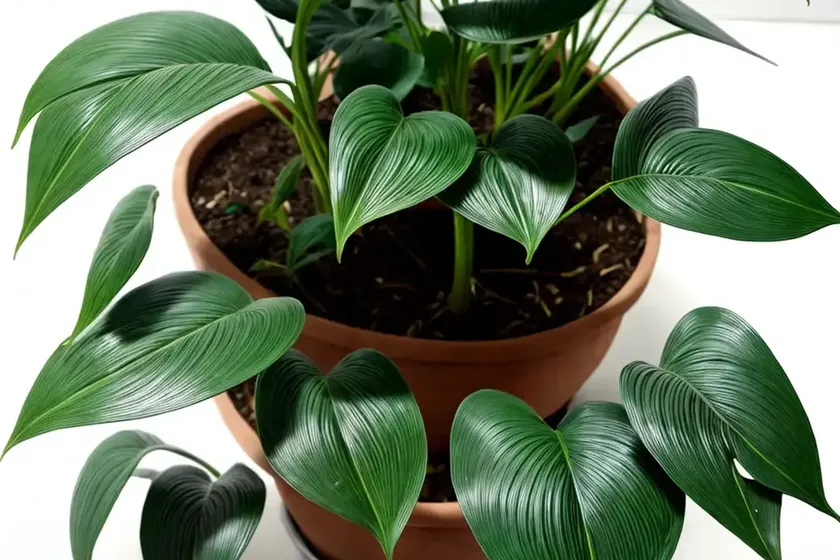
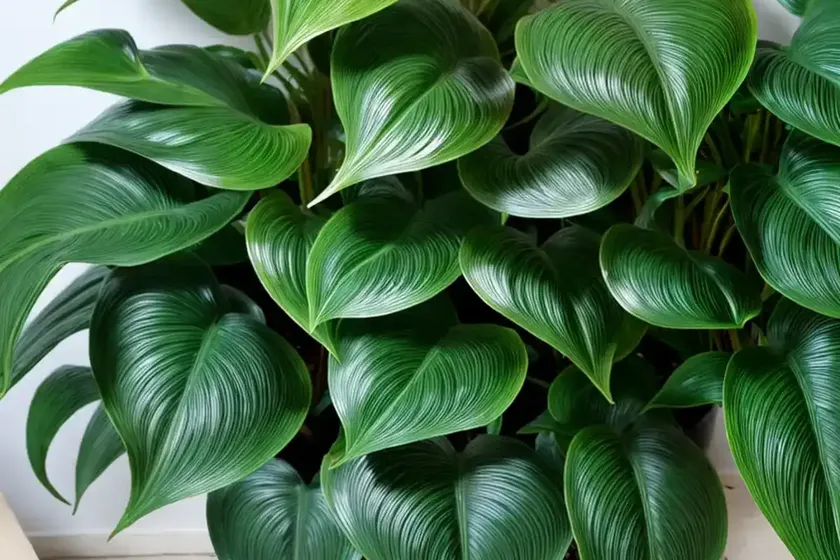
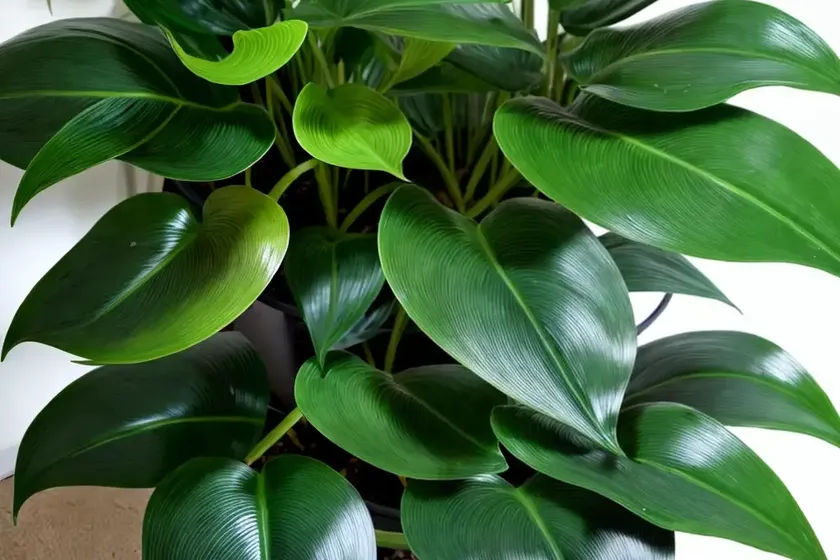
As a plant scientist, I am excited to share with you the comprehensive care guide for one of the most popular and stunning plants, the Fiddleleaf Philodendron (Philodendron Panduriforme). This guide will cover everything you need to know about its culture, uses, water requirements, sunlight preferences, fertilization, soil type, pruning, propagation, common diseases, pests, and essential botanist tips. By the end of this guide, you will have a deeper understanding of how to care for this beautiful plant and help it thrive in your indoor or outdoor space.
What is Fiddleleaf Philodendron (Philodendron Panduriforme)?
The Fiddleleaf Philodendron, scientifically known as Philodendron panduriforme, is a species of flowering plant in the family Araceae. It is native to the tropical regions of Central and South America, where it thrives in the warm and humid climates of rainforests. This charming plant is highly admired for its distinctively shaped leaves and its air-purifying properties, making it a popular choice for indoor and outdoor ornamental purposes.
Key Takeaways – Fiddleleaf Philodendron (Philodendron Panduriforme)
Before delving into the specifics of the Fiddleleaf Philodendron care, let’s outline the key takeaways associated with this remarkable plant:
- Botanical Name: Philodendron panduriforme
- Common Name: Fiddleleaf Philodendron
- Family: Araceae
- Native Habitat: Central and South America
- Growth Habit: Evergreen vine
- Uses: Ornamental, air purification
- Toxicity: Mildly toxic to pets and humans
Now, let’s explore what it takes to care for the Fiddleleaf Philodendron and provide it with an environment where it can thrive.
Culture
Understanding the culture or the preferred environmental conditions for the Fiddleleaf Philodendron is crucial for ensuring its optimal growth and health. It’s essential to mimic its natural habitat to the best of our abilities to create a thriving environment for this beautiful plant.
Uses
The Fiddleleaf Philodendron is primarily used for ornamental purposes, both indoors and outdoors. Its lush, large, and uniquely shaped leaves make it a favorite choice for adding a tropical touch to interior spaces. Additionally, this plant is known for its air-purifying properties, contributing to improved air quality in indoor environments.
Water
Proper watering is essential for the health of the Fiddleleaf Philodendron. While it appreciates moist soil, it’s crucial to avoid overwatering, which can lead to root rot and other related issues. A balanced watering routine is key to maintaining the plant’s health.
- Watering Frequency: Water the plant when the top inch of the soil feels dry. Depending on the environment and season, this could range from once a week to every 10 to 14 days.
- Watering Technique: Water the soil thoroughly until excess water drains from the bottom of the pot. Empty the saucer to prevent the plant from sitting in standing water.
Sunlight
Proper sunlight exposure is vital for the Fiddleleaf Philodendron’s growth and leaf development. While it thrives in bright, indirect light, it’s also important to shield it from intense, direct sunlight to prevent leaf burn.
- Light Requirements: Place the plant in a location with bright, indirect light. Avoid direct sunlight exposure, especially during the peak hours of the day.
- Indoor Placement: Near a north-facing window or a few feet away from an east or west-facing window is ideal. Consider filtered light or the use of sheer curtains to diffuse direct sunlight.
Fertilizer
Fertilizing the Fiddleleaf Philodendron provides it with essential nutrients for robust growth and vibrant foliage. However, it’s important to follow a balanced fertilization schedule to avoid over-fertilization, which can be detrimental to the plant’s health.
- Fertilizer Type: Use a balanced, water-soluble fertilizer designed for houseplants or foliage plants.
- Fertilizing Schedule: Fertilize the plant during the growing season (spring and summer) approximately once a month. Reduce frequency during the fall and winter months.
Soil
Choosing the right soil type is crucial for the Fiddleleaf Philodendron’s overall health and growth. The ideal soil should provide good drainage while retaining sufficient moisture for the plant’s root system.
- Soil Type: A well-draining, peat-based potting mix with added perlite or orchid bark for aeration is suitable for Fiddleleaf Philodendron.
- Moisture Retention: The soil should hold moisture without becoming waterlogged. Ensure adequate airflow within the soil to prevent stagnation.
Pruning
Pruning is an essential aspect of Fiddleleaf Philodendron care, contributing to the plant’s overall appearance, health, and longevity. Regular pruning helps manage the plant’s size, encourages bushier growth, and removes damaged or diseased foliage.
- Pruning Frequency: As needed, prune the plant to shape it and remove any yellowing or damaged leaves.
- Sterilization: Use clean, sharp scissors or pruning shears to prevent damage to the plant. Sterilize the tools before and after pruning to minimize the risk of spreading diseases.
Propagation
Propagation allows you to expand your collection of Fiddleleaf Philodendrons or share the plant with others. Understanding the propagation methods for this species provides opportunities to create new plants from existing ones.
- Propagation Methods: Stem cuttings and air layering are the most common methods for propagating Fiddleleaf Philodendron.
- Propagation Timing: Spring and early summer are the ideal times for propagating the plant when it is actively growing.
Container
Selecting the right container or pot has implications for the plant’s growth and overall well-being. The container should accommodate the plant’s root system, provide adequate drainage, and support healthy growth.
- Container Size: Choose a container that is 1-2 inches larger in diameter than the current root ball of the plant.
- Drainage Holes: Ensure that the container has drainage holes to prevent water from stagnating in the soil.
Popularity
The Fiddleleaf Philodendron has gained immense popularity among plant enthusiasts and interior decorators due to its stunning foliage and air-purifying qualities. Its elegant, fiddle-shaped leaves add a touch of tropical elegance to any space, making it a sought-after choice for both homes and offices.
Common Diseases
Like all plants, the Fiddleleaf Philodendron is susceptible to certain diseases, which can affect its overall health and appearance if not addressed promptly.
Disease Diagnosis
Recognizing the common diseases that affect the Fiddleleaf Philodendron is crucial for timely intervention and management. Some of the common diseases include:
- Root Rot: Caused by overwatering and poorly draining soil.
- Leaf Spot: Identified by dark, water-soaked spots on the leaves, often due to overwatering or high humidity.
- Powdery Mildew: A fungal infection that appears as a powdery white substance on the leaves.
Common Pests
Pests can also pose a threat to the health of the Fiddleleaf Philodendron. Identifying and addressing pest infestations promptly is essential for preventing damage to the plant.
- Spider Mites: These tiny pests can cause webbing and stippling on the leaves, leading to reduced plant vigor.
- Mealybugs: These white, cottony pests can cluster on the undersides of leaves and along the stems, draining the plant’s juices and causing yellowing of the foliage.
Botanist’s Tips
As a plant scientist, I would like to share some valuable tips for caring for the Fiddleleaf Philodendron based on extensive research and practical experience. These tips are aimed at ensuring the optimal health and growth of this remarkable plant:
- Support: Provide a sturdy support or trellis for the Fiddleleaf Philodendron to climb and spread, enhancing its natural growth habit.
- Air Circulation: Maintain adequate air circulation around the plant to minimize the risk of fungal diseases and promote overall plant health.
- Temperature and Humidity: Ensure that the plant is placed in an environment with stable temperatures and moderate to high humidity levels, mimicking its native tropical habitat.
Fun Facts
Before we conclude this comprehensive care guide, here are some intriguing and delightful fun facts about the Fiddleleaf Philodendron:
- The Fiddleleaf Philodendron is closely related to the popular Fiddle-leaf Fig (Ficus lyrata) but belongs to a different plant family.
- Its leaves can grow up to 15-18 inches in length, showcasing their impressive and distinctive appearance.
- In its native habitat, the Fiddleleaf Philodendron can climb up trees and other structures using its aerial roots.
Links to External Resources
For further information and expanding your knowledge on Fiddleleaf Philodendron care, here are some recommended external resources:
- American Society for the Prevention of Cruelty to Animals (ASPCA) – Toxic and Non-Toxic Plants: Philodendron
- University of Florida IFAS Extension – Philodendron Panduriforme Plant Care
- The Sill – Fiddle Leaf Fig vs. Fiddle Leaf Philodendron: What’s the Difference?
In conclusion, the Fiddleleaf Philodendron (Philodendron Panduriforme) is a stunning and versatile plant that can thrive in various indoor and outdoor settings when provided with the right care and conditions. With the insights and guidelines shared in this comprehensive care guide, you are well-equipped to cultivate and nurture this exquisite plant, adding a touch of tropical elegance and natural beauty to your surroundings.
By understanding the nuances of Fiddleleaf Philodendron care and implementing best practices, you can create an environment where this remarkable plant flourishes, showcasing its lush foliage and enhancing the aesthetic appeal of your living spaces.
This comprehensive care guide delves into the intricacies of caring for the Fiddleleaf Philodendron (Philodendron Panduriforme), providing valuable insights and practical recommendations for optimal plant health and growth. From detailed instructions on watering and sunlight preferences to essential botanist tips and external resources, this guide equips plant enthusiasts with the knowledge and tools to cultivate and nurture this exceptional plant.