Ferocactus Latispinus (Ferocactus Latispinus)
Plants have always amazed humans with their diversity and adaptability. Among the vast array of botanical wonders, the Ferocactus latispinus stands out as.
Introduction
Plants have always amazed humans with their diversity and adaptability. Among the vast array of botanical wonders, the Ferocactus latispinus stands out as a remarkable species worth exploring. In this comprehensive guide, we will delve into the details of this fascinating plant, including its care requirements, unique characteristics, and more.
What is Ferocactus latispinus?
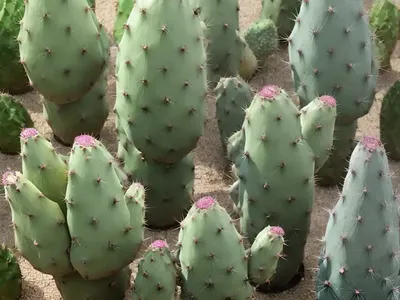
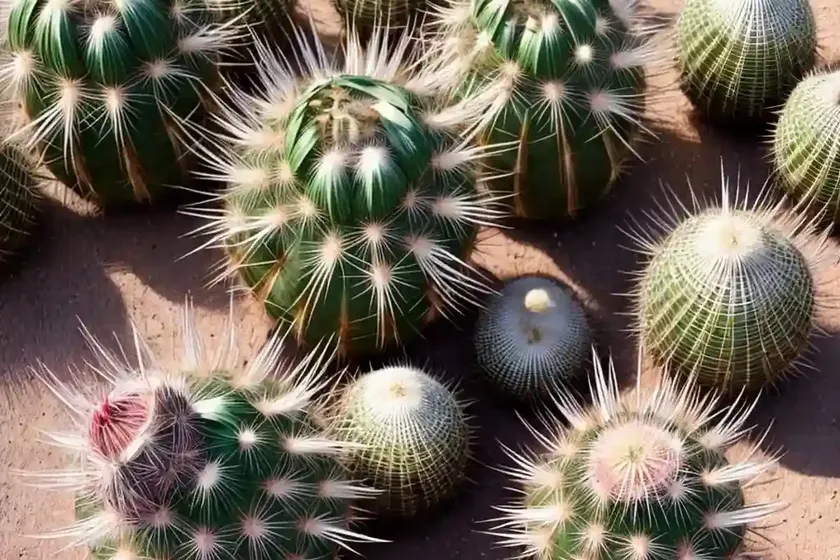
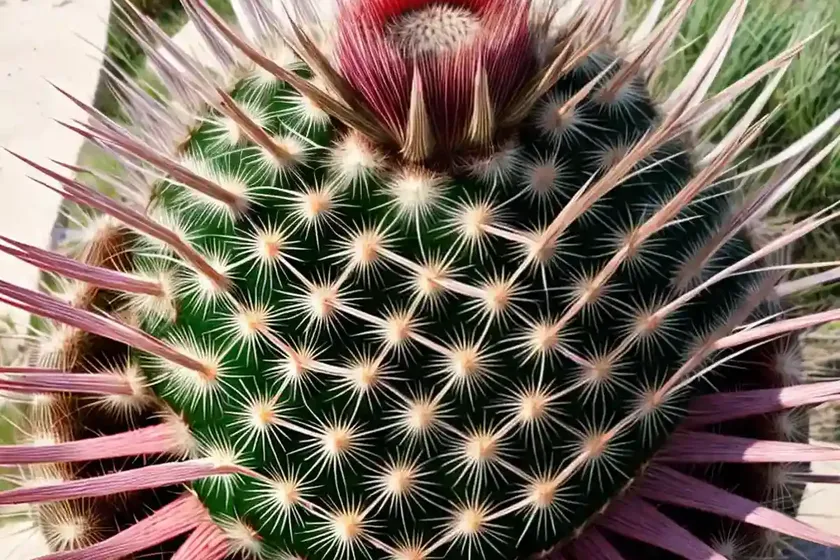
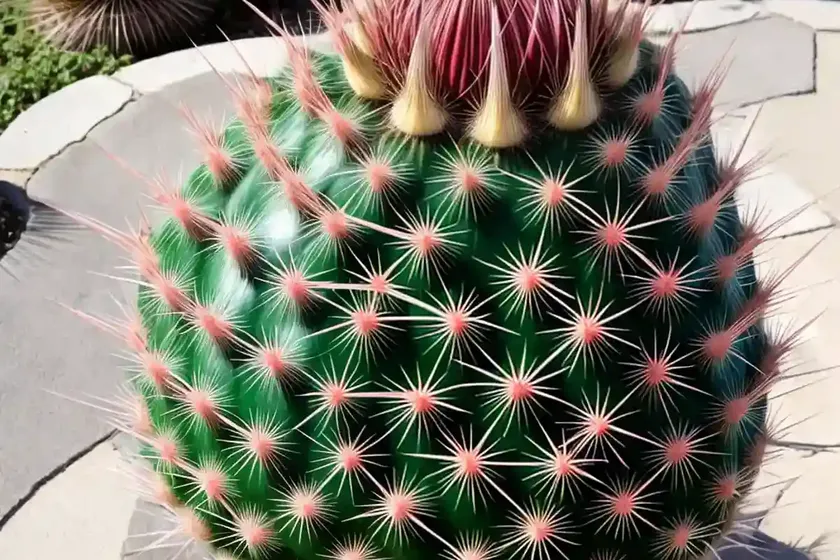
Ferocactus latispinus, commonly known as the fishhook barrel cactus, is a species of cactus belonging to the genus Ferocactus within the Cactaceae family. Native to Mexico, specifically the states of Puebla and Oaxaca, this striking cactus is known for its cylindrical shape, distinct ribbed pattern, and formidable spines. Its scientific name “latispinus” is derived from the Latin words “latus,” meaning broad, and “spina,” meaning thorn, which aptly describes the plant’s prominent spines.
Key Takeaways
Before delving into the specifics of Ferocactus latispinus, here are key points to remember:
- Scientific Name: Ferocactus latispinus
- Common Name: Fishhook barrel cactus
- Family: Cactaceae
- Genus: Ferocactus
- Native Range: Mexico, specifically Puebla and Oaxaca
- Drought Tolerance: Highly drought-tolerant
- Sun Exposure: Thrives in full sun
- Watering Needs: Requires infrequent watering
- Soil Type: Well-draining, sandy soil
- Special Features: Impressive spines, cylindrical shape
Now that we have an overview of this captivating plant, let’s explore its cultural requirements, uses, and more.
Culture
Uses
The Ferocactus latispinus serves various purposes, both in its natural habitat and in cultivation. Some of its primary uses include:
- Ornamental Plant: The striking appearance of Ferocactus latispinus, with its stout, ribbed form and imposing spines, makes it a sought-after addition to arid and desert-themed landscapes.
- Xeriscaping: Due to its exceptional drought tolerance and low water requirements, it is a valuable plant for xeriscaping projects, where water-efficient landscaping is essential.
- Conservation: In its native habitat, Ferocactus latispinus plays a crucial role in its ecosystem, providing habitat and sustenance for various desert creatures and contributing to the overall biodiversity of arid regions.
Care
Water
One of the most critical aspects of caring for Ferocactus latispinus is managing its water requirements. As a desert-dwelling cactus, it has evolved to thrive in arid conditions and is highly adapted to conserving water. When cultivating this species, it is vital to adhere to the following watering guidelines:
- Infrequent Watering: Ferocactus latispinus prefers infrequent, deep waterings rather than frequent shallow waterings. During the growing season, typically spring and summer, water the plant when the soil has dried out completely. In the dormant winter months, reduce watering to mimic its natural arid environment.
Sunlight
Sunlight is another essential factor in the successful cultivation of Ferocactus latispinus. This species exhibits a remarkable ability to thrive in intense sunlight and high temperatures, making it an ideal choice for sunny, arid landscapes. When providing sunlight for Ferocactus latispinus, consider the following recommendations:
- Full Sun Exposure: Position the plant in an area that receives ample sunlight throughout the day, preferably in a location with direct, unobstructed sun exposure.
- Protect from Extreme Heat: While the plant is adapted to intense sunlight, it may benefit from some protection during periods of extreme heat, especially if grown in regions with scorching temperatures.
Fertilizer
Fertilization requirements for Ferocactus latispinus are relatively minimal compared to many other plant species. Due to its adaptation to nutrient-poor desert soils, this cactus has developed a high degree of self-sufficiency. However, providing some minimal fertilization during the growing season can support its overall health and vitality. Consider the following points when fertilizing Ferocactus latispinus:
- Low-Nutrient Fertilizer: Use a low-nitrogen fertilizer that is specifically formulated for cacti and succulents. Applying a balanced, low-nutrient fertilizer at half-strength once or twice during the growing season can provide the plant with the necessary nutrients without risking over-fertilization.
Soil
The soil composition is a crucial component of Ferocactus latispinus’ care, as it directly impacts the plant’s ability to thrive in cultivation. A well-draining, porous soil mixture is essential to ensure the plant’s roots remain healthy and free from excess moisture. Here are some key considerations for selecting the right soil for Ferocactus latispinus:
- Sandy, Well-Draining Soil: Use a specialized cactus and succulent potting mix or create a custom blend comprised of coarse sand, perlite, and well-draining soil. The goal is to create a substrate that promotes rapid drainage and aeration to prevent waterlogging.
Pruning
Due to its unique growth habit and spiny exterior, pruning Ferocactus latispinus is not a common practice in cultivation. However, there are specific scenarios where minimal pruning may be necessary or beneficial. Here are some instances where pruning may be required:
- Removing Damaged Tissue: If the plant sustains damage, such as mechanical injury or disease, selectively removing the affected areas with sterile pruning tools can help promote healing and prevent further issues.
- Trimming Wayward Spines: In some cases, excessive or overgrown spines may impede the plant’s aesthetic appeal or pose challenges during handling. Carefully trimming any problematic spines can enhance the overall appearance of the plant while exercising caution to avoid injuring the plant or oneself.
Propagation
Seed Propagation
Propagating Ferocactus latispinus from seeds is a rewarding yet time-intensive process that requires patience and attention to detail. While the process from seed to mature plant may take several years, starting from seeds allows for the cultivation of genetically diverse individuals. Here’s an overview of the seed propagation process:
- Seed Collection: Harvest mature seeds from a healthy Ferocactus latispinus specimen. Allow the seeds to air dry for a few days to remove any residual moisture before sowing.
- Sowing the Seeds: Prepare a container filled with a well-draining cactus potting mix. Gently press the seeds into the soil surface and lightly cover them with a thin layer of the substrate.
- Germination and Care: Place the container in a warm, sunny location and ensure the soil is kept slightly moist but never waterlogged. Germination may take several weeks, and once the seedlings have developed their first set of true leaves, they can be cared for in a manner similar to mature cacti.
Offsets and Division
Ferocactus latispinus occasionally produces offsets, also known as pups or offshoots, around its base, especially in older specimens. These offsets can be carefully separated from the parent plant and propagated independently. Here’s how to propagate Ferocactus latispinus through offsets:
- Identifying Offsets: Inspect the base of the plant for any small, attached offshoots that have developed their own root systems or are beginning to show independent growth.
- Separation and Planting: Using a sharp, sterile knife or pruning shears, carefully separate the offset from the parent plant, ensuring it has some roots attached. Plant the offset in a well-draining substrate and provide appropriate care as it establishes itself.
Container Popularity
The compact size and striking appearance of Ferocactus latispinus make it an attractive choice for container cultivation. Whether grown in individual pots or as part of a mixed succulent arrangement, these cacti bring a touch of the desert to indoor and outdoor spaces. Here are some factors contributing to its container popularity:
- Aesthetic Appeal: The visually striking appearance of Ferocactus latispinus, with its prominent spines and robust form, makes it an eye-catching addition to container gardens and succulent collections.
- Space Efficiency: With its slow growth rate, Ferocactus latispinus can thrive in containers for many years without outgrowing its allotted space, making it a low-maintenance option for small gardens, patios, or indoor settings.
Common Diseases
While Ferocactus latispinus is generally resilient and resistant to many common plant diseases, there are still some potential issues that can impact its health. Understanding these diseases and their signs can help preemptively address any problems that may arise. Here are a few common diseases to watch out for:
Root Rot
Overly moist or waterlogged soil can lead to the development of root rot in Ferocactus latispinus. This condition is caused by various types of fungal pathogens that thrive in excessively damp environments. Signs of root rot include wilting, yellowing or browning of the lower plant tissue, and a foul or musty odor emanating from the soil.
Stem Rot
Similar to root rot, stem rot can occur as a result of prolonged exposure to excess moisture or as a secondary infection following physical damage to the plant. Symptoms include softening and discoloration of the affected areas, often accompanied by a foul odor.
Preventative Measures
To prevent common diseases such as root rot and stem rot, it is crucial to maintain appropriate watering practices and ensure the plant is situated in well-draining soil. Additionally, providing adequate airflow around the plant and practicing good sanitation can further mitigate the risk of disease.
Disease Diagnosis
Diagnosing diseases in Ferocactus latispinus involves careful observation of the plant’s overall appearance, as well as specific signs and symptoms that may indicate a health issue. When assessing the plant for potential diseases, consider the following diagnostic steps:
- Visual Inspection: Examine the cactus for any noticeable changes in color, texture, or structure, such as wilting, discoloration, or lesions.
- Soil and Root Examination: Carefully inspect the soil for excessive moisture, foul odors, or signs of decay. Check the roots for any abnormalities, such as mushy or discolored sections.
- Previous Care Practices: Review the plant’s recent care regimen, including watering frequency, sunlight exposure, and any past incidents of physical damage.
Once potential issues are identified, prompt action can help mitigate the impact of the disease and facilitate the plant’s recovery.
Common Pests
While Ferocactus latispinus is naturally resilient to many pests due to its spiny exterior and water-storing adaptations, there are still a few potential invaders that may pose a threat to its well-being. Understanding these pests and their characteristics can aid in the early detection and management of infestations. Some common pests to watch out for include:
Scale Insects
These tiny, stationary pests can attach themselves to the surface of the plant and feed on its sap, leading to yellowing, wilting, or stunted growth. Additionally, their presence may result in the development of sooty mold, further impacting the plant’s health and appearance.
Mealybugs
Mealybugs are soft-bodied insects that congregate on the plant’s stems and crevices, feeding on its sap and excreting sticky honeydew. A heavy infestation can weaken the plant and lead to a decline in overall vigor.
Pest Management
To manage and prevent pest infestations, regular monitoring and maintenance practices are crucial. Carefully inspect the plant for signs of pests, such as unusual markings, sticky residue, or visible insects. When addressing pest issues, consider using targeted treatments such as neem oil or insecticidal soap to mitigate infestations while minimizing impact on the plant and its surrounding environment.
Botanist’s Tips
As a botanist specializing in cacti and succulents, I have had the privilege of studying and cultivating Ferocactus latispinus, and I would like to share a few additional tips for enthusiasts and aspiring growers:
- Understanding Natural Habitats: Familiarize yourself with the plant’s native environment and ecological context, as this knowledge can guide your approach to care and cultivation.
- Observation and Adaptation: Closely observe your Ferocactus latispinus and adapt your care practices based on its specific responses and needs, as individual plants may exhibit variations in growth and behavior.
- Respect for Spines: Exercise caution and respect when handling the plant, as its formidable spines serve as vital features for survival and protection in its natural habitat.
Fun Facts
To further appreciate the uniqueness of Ferocactus latispinus, here are some intriguing and lesser-known facts about this remarkable cactus:
- Survival Strategies: The spines of Ferocactus latispinus provide protection against herbivores and help reduce water loss by creating a microclimate around the plant.
- Longevity: With proper care, Ferocactus latispinus can live for several decades, showcasing its resilience and endurance in challenging environments.
- Habitat Diversity: While the species is predominantly found in arid regions, it demonstrates remarkable adaptability and can thrive in diverse desert landscapes.
Links to External Resources
For those interested in further exploring the world of Ferocactus latispinus, here are some valuable external resources and references:
- Cactus and Succulent Society of America – A renowned organization dedicated to the study, cultivation, and conservation of cacti and succulents, providing a wealth of information on various species, including Ferocactus latispinus.
- The International Union for Conservation of Nature (IUCN) – The IUCN Red List offers valuable insights into the conservation status and distribution of Ferocactus latispinus in its natural habitat.
Conclusion
In conclusion, the Ferocactus latispinus, or fishhook barrel cactus, offers a captivating blend of aesthetic appeal, resilience, and adaptability. As enthusiasts and horticulturalists delve into the intricacies of caring for this remarkable species, a deeper appreciation for its unique adaptations and ecological significance emerges. By embracing the cultural requirements, understanding its uses, and employing best practices for cultivation, individuals can foster the thriving growth of Ferocactus latispinus while contributing to the conservation and appreciation of this charismatic desert inhabitant. Whether grown in landscapes, containers, or specialized botanical collections, Ferocactus latispinus stands as a testament to the enduring beauty and ingenuity of desert plants.