Feather Cactus (Mammillaria Plumosa)
In the world of succulents, there’s a fascinating variety of plants that stand out for their unique characteristics and beauty. One such plant is the.
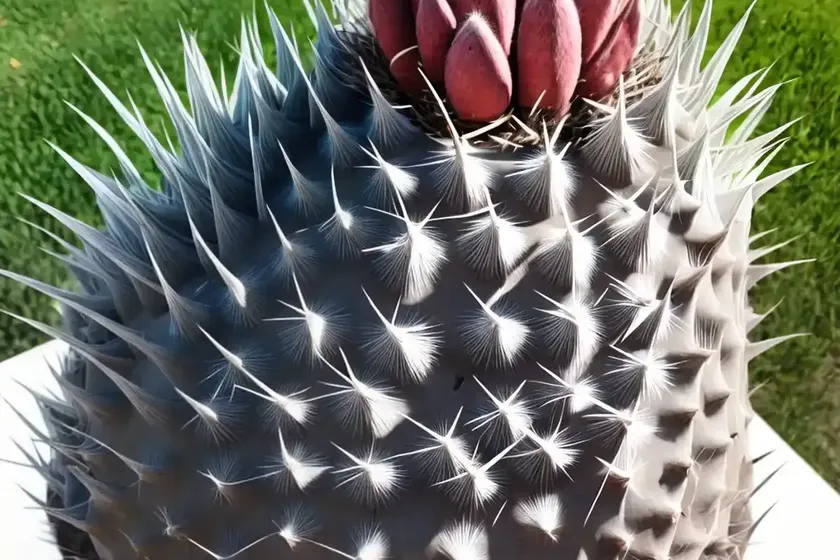
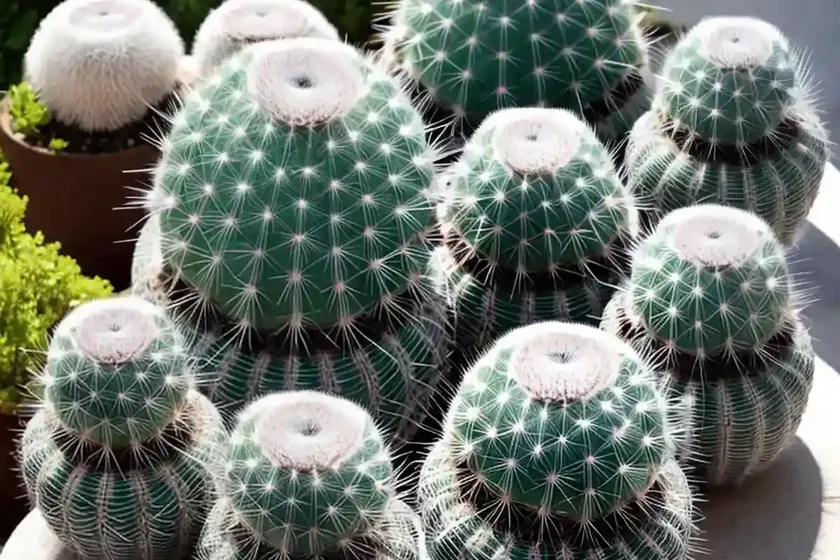
In the world of succulents, there’s a fascinating variety of plants that stand out for their unique characteristics and beauty. One such plant is the Feather Cactus, scientifically known as Mammillaria plumosa. This remarkable cactus species has captured the hearts of plant enthusiasts worldwide due to its striking appearance and relatively easy cultivation.
In this comprehensive guide, we will delve into the intriguing world of the Feather Cactus. From its origins and cultural significance to its care requirements and common diseases, this article aims to provide a thorough understanding of Mammillaria plumosa and equip both novice and experienced gardeners with the knowledge needed to cultivate these fascinating plants successfully.
What is the Feather Cactus (Mammillaria plumosa)?
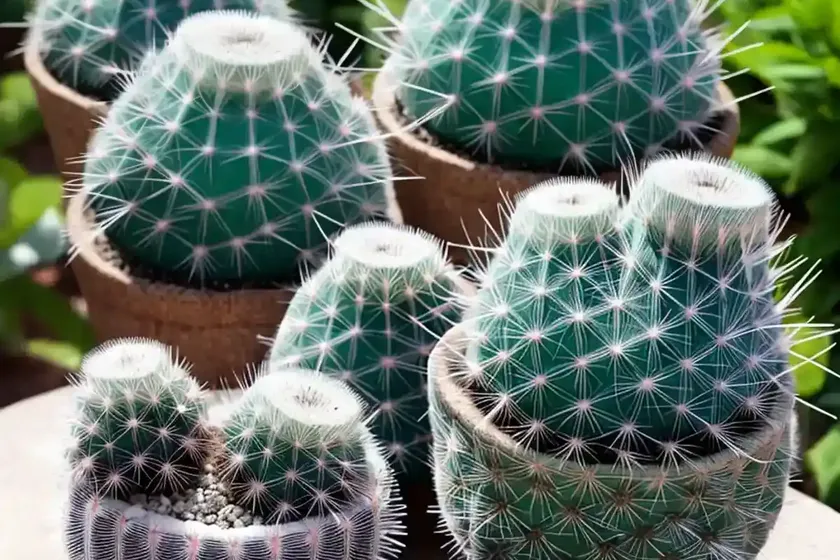
Mammillaria plumosa is a species of cactus native to Mexico. It is part of the Mammillaria genus, which comprises around 200 recognized species. The Feather Cactus gets its name from the distinctive appearance of its spines, which resemble delicate feathers, giving the plant a soft, fluffy texture.
Key Takeaways – Feather Cactus (Mammillaria plumosa):
- Scientific Name: Mammillaria plumosa
- Common Name: Feather Cactus
- Native Habitat: Mexico
- Distinctive Feature: Soft, white spines resembling feathers
Now that we have an overview of what the Feather Cactus is, let’s proceed to understand its cultural significance and uses.
Culture
The cultural significance of the Feather Cactus is deeply rooted in its aesthetic appeal and symbolic value. In many regions, cacti, including the Feather Cactus, are revered for their resilience and adaptability in harsh environments. Additionally, the unique appearance of Mammillaria plumosa makes it a favored choice for ornamental and decorative purposes, both indoors and in gardens.
Uses
- Ornamental Plant: Mammillaria plumosa is widely cultivated for its striking appearance, making it a popular choice for ornamental displays, terrariums, and succulent gardens.
- Symbolism: Due to its resilience and ability to thrive in challenging conditions, the Feather Cactus is often associated with endurance, strength, and adaptability.
With a basic understanding of the cultural significance and uses of the Feather Cactus, we can now explore the essential care requirements for cultivating this unique plant.
Feather Cactus Care
Cultivating Mammillaria plumosa successfully involves understanding and addressing its specific needs concerning water, sunlight, fertilizer, soil, pruning, propagation, and container requirements. Let’s delve into each of these aspects to gain a comprehensive understanding of Feather Cactus care.
Water
Proper watering is essential for the health and vitality of the Feather Cactus. Being a succulent, Mammillaria plumosa is adapted to survive in arid conditions and has low water requirements.
- Watering Needs: Feather Cactus should be watered sparingly, allowing the soil to dry out between waterings. Overwatering can lead to root rot and other complications, so a well-draining soil is crucial.
- Soil Moisture Level: The soil should be allowed to dry to a moderate level before rewatering to prevent waterlogged conditions and associated issues.
Sunlight
As with most cacti, adequate sunlight is vital for the growth and development of the Feather Cactus.
- Light Requirements: Mammillaria plumosa thrives in bright, indirect sunlight. While it can tolerate some direct sunlight, prolonged exposure to intense sun rays may lead to sunburn or discoloration.
- Sun Exposure: Position the plant in a location that receives plenty of natural light, such as near a sunny window or in a well-lit outdoor area.
Fertilizer
Feather Cactus plants have minimal fertilizer requirements, and excessive fertilization can be detrimental to their health.
- Fertilization Tips: Use a balanced, water-soluble fertilizer diluted to half strength during the growing season. Fertilize sparingly to avoid nutrient buildup in the soil, which can affect the plant’s overall health.
Soil
The right soil mixture is crucial for providing the Feather Cactus with the ideal growing medium.
- Best Soil for Mammillaria Plumosa: Use a well-draining cactus or succulent mix to ensure adequate aeration and prevent waterlogging. A mixture of perlite, coarse sand, and peat moss can create an ideal soil composition for Mammillaria plumosa.
Pruning
Pruning requirements for the Feather Cactus are minimal, primarily focused on the removal of dead or damaged plant parts.
- Pruning Techniques: Use sterilized pruning shears to carefully remove any dead or rotting segments of the cactus. Avoid excessive pruning, as Mammillaria plumosa does not require extensive shaping or maintenance.
Propagation
Propagating Feather Cactus can be a rewarding endeavor for expanding your succulent collection.
- Propagation Methods: Mammillaria plumosa can be propagated through offsets (or pups) that develop around the base of the mature plant. These offsets can be carefully removed and replanted to establish new Feather Cactus specimens.
Container
Choosing the right container for your Feather Cactus is essential for providing a suitable environment for its growth.
- Container Selection: Opt for a shallow, well-draining pot or container to accommodate the shallow root system of Mammillaria plumosa. Ensure that the container has drainage holes to prevent water from accumulating at the roots.
With the essential care requirements outlined, it’s important to address the popularity of the Feather Cactus and common diseases that can affect its health.
Popularity
The Feather Cactus, Mammillaria plumosa, has gained significant popularity among plant enthusiasts and collectors due to its unique appearance and relative ease of cultivation. Its soft, feather-like spines and compact growth habit make it a sought-after addition to succulent gardens and indoor plant collections.
The increasing interest in succulents and cacti, coupled with the Feather Cactus’s ornamental appeal, has contributed to its widespread popularity in horticultural circles.
Common Diseases
While the Feather Cactus is generally resilient, it is susceptible to certain diseases and issues that can affect its health if not addressed promptly. Understanding common diseases and their diagnosis is crucial for maintaining the vibrant appearance and vitality of Mammillaria plumosa.
Disease Diagnosis
- Root Rot: Overwatering or poorly draining soil can lead to root rot, which is characterized by mushy, discolored roots. To mitigate root rot, adjust the watering frequency and ensure that the soil allows for proper drainage.
Common Pests
In addition to diseases, Feather Cactus plants may also be prone to infestations by common pests.
- Mealybugs: These small, white insects can cluster on the stems of Mammillaria plumosa, leading to discoloration and wilting. Treatment involves gently removing the mealybugs and applying insecticidal soap to control their population.
By understanding the potential diseases and pests that can affect the Feather Cactus, gardeners can take proactive measures to maintain the plant’s health and prevent infestations.
Botanist’s Tips
As a botanist specializing in cacti and succulents, I’ve had the opportunity to study and cultivate various species, including Mammillaria plumosa. Based on my experience, here are some valuable tips for growing and caring for Feather Cactus:
- Ensure Adequate Drainage: Feather Cactus plants are highly sensitive to waterlogged conditions, so using a well-draining soil mix and a container with drainage holes is essential.
- Monitor Sun Exposure: While Mammillaria plumosa enjoys bright light, it’s important to protect it from intense, direct sunlight, especially during the hottest part of the day.
- Be Cautious with Watering: Overwatering is a common issue with succulents, so err on the side of underwatering rather than risking root rot from excess moisture.
Applying these tips can help ensure the successful cultivation of Mammillaria plumosa and contribute to the overall health and vibrancy of the Feather Cactus.
Fun Facts
To further appreciate the unique characteristics of the Feather Cactus, here are some intriguing and lesser-known facts about Mammillaria plumosa:
- The spines of Mammillaria plumosa serve as a protective adaptation, deflecting excessive sunlight and providing insulation against extreme temperatures.
- In its natural habitat, the Feather Cactus may bloom with delicate, pale pink or white flowers, adding to its visual appeal during the flowering season.
Links to External Resources
For additional information and resources on caring for Feather Cactu (Mammillaria plumosa), you may find the following links helpful:
Armed with a wealth of knowledge about the Feather Cactus and its care requirements, plant enthusiasts can embark on the rewarding journey of cultivating Mammillaria plumosa with confidence and appreciation for its unique attributes. Whether displayed as a striking focal point in a succulent garden or showcased as an ornamental accent in a living space, the Feather Cactus is sure to captivate and inspire admiration.