European Hackberry (Celtis Australis)
European hackberry, scientifically known as Celtis australis, is a deciduous tree belonging to the family Cannabaceae. It is native to Southern Europe, the.
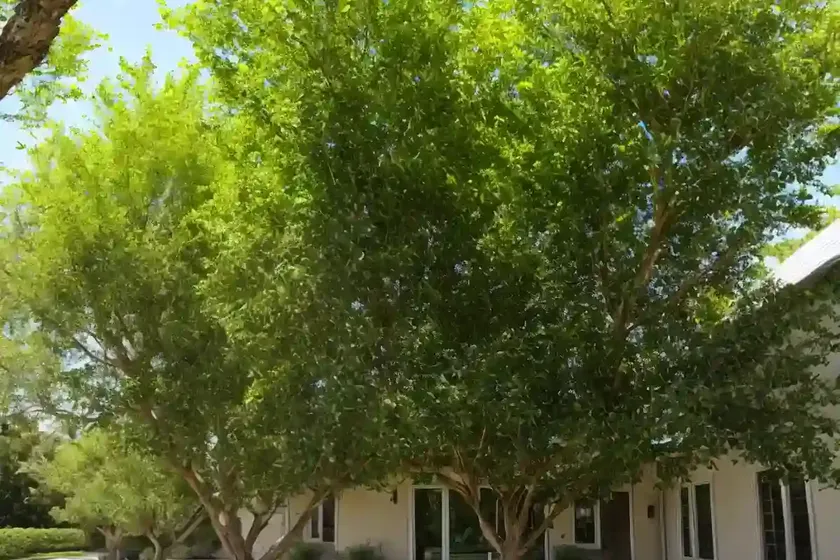
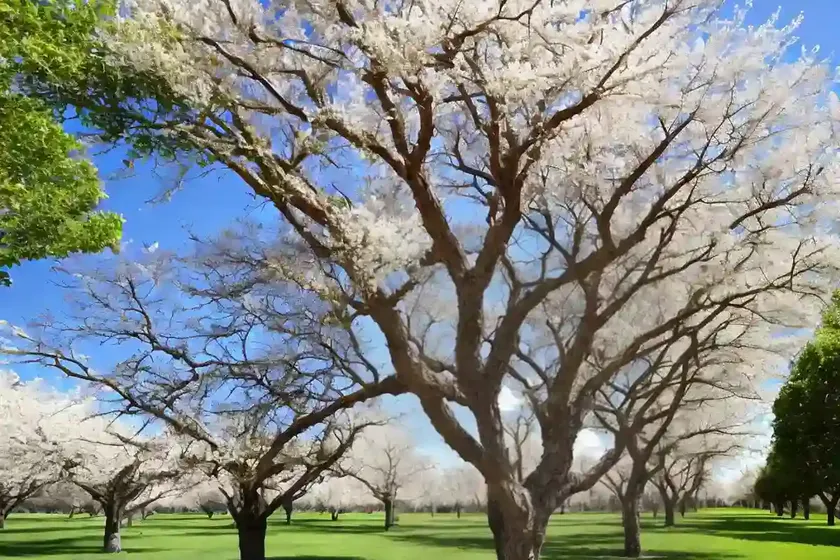
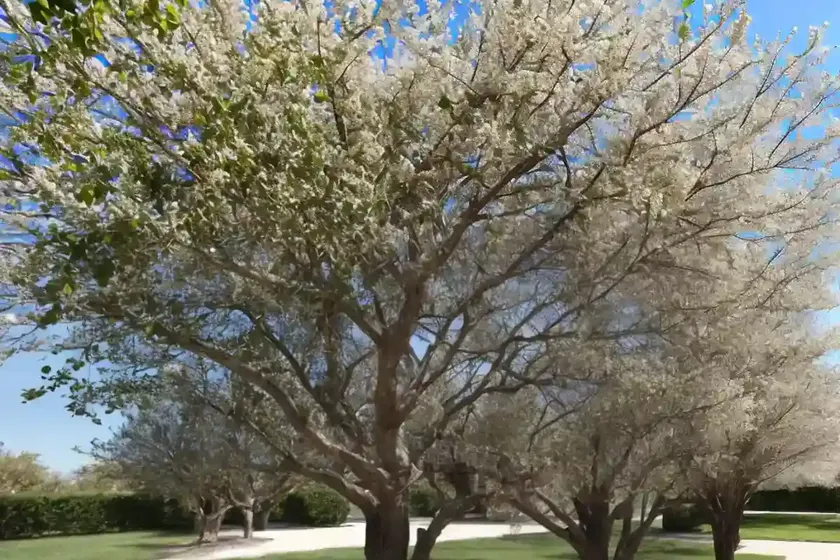
What is European Hackberry?
European hackberry, scientifically known as Celtis australis, is a deciduous tree belonging to the family Cannabaceae. It is native to Southern Europe, the Middle East, and North Africa. Known for its adaptability and hardiness, European hackberry is often used in landscaping, agroforestry, and urban greening initiatives.
As a plant scientist with a passion for understanding and exploring the vast world of plants, I am excited to delve into the intricate details of the European hackberry. In this comprehensive guide, I will cover various aspects, including its culture, uses, maintenance, and ecological significance.
Key Takeaways – European Hackberry (Celtis australis)
Before diving into the specific details of the European hackberry, let’s summarize the key takeaways associated with this remarkable tree:
- Scientific Name: Celtis australis
- Family: Cannabaceae
- Native Range: Southern Europe, the Middle East, and North Africa
- Attributes: Deciduous, adaptable, hardy
With these fundamental characteristics in mind, let’s explore the intricacies of the European hackberry, its cultural significance, uses, maintenance requirements, and ecological impact.
Culture
Understanding the cultural requirements of the European hackberry is essential for successfully cultivating and maintaining this tree. From its water and sunlight needs to soil preferences, a comprehensive grasp of its culture is pivotal in promoting its healthy growth.
Water
European hackberry exhibits moderate water needs, making it suitable for a wide range of soil conditions. While it can tolerate periods of drought, consistent moisture is beneficial for optimal growth, especially during its establishment phase. Adequate irrigation during dry spells can significantly enhance its resilience and overall health.
Sunlight
Like many deciduous trees, the European hackberry thrives in full sun to partial shade. It can adapt to various light conditions, making it a versatile choice for diverse landscapes. However, providing ample sunlight typically results in robust growth and the development of a well-shaped crown.
Soil
The adaptability of European hackberry extends to its soil preferences. It can thrive in a variety of soil types, including loamy, sandy, or clay soils, as long as they are well-drained. The tree is also tolerant of alkaline and acidic soils, demonstrating its resilience in different environmental settings.
Uses
The European hackberry offers a multitude of uses, ranging from its ecological significance to its practical applications in various industries. Understanding its versatile uses provides insights into its value in diverse settings, from agroforestry to urban landscaping.
Ecological Significance
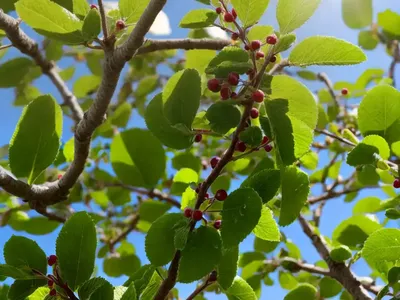
This tree plays a crucial role in supporting biodiversity, providing food and habitat for various wildlife species. Its fruits are consumed by birds and small mammals, contributing to local ecosystems. The European hackberry’s shade and shelter also offer nesting sites for birds, further enriching the surrounding ecological balance.
Timber and Woodworking
The wood of the European hackberry is prized for its versatility and durability. It is commonly used in woodworking, crafting furniture, flooring, and architectural millwork. The timber’s fine grain and natural resistance to decay make it a valuable resource in the construction and woodworking industries.
Urban Landscaping
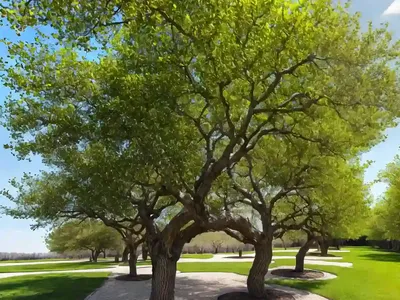
Due to its adaptability and aesthetic appeal, European hackberry is widely used in urban greening initiatives. It serves as a shade tree, providing cooling effects in urban environments, and contributes to the enhancement of green spaces in cities and towns. Its ability to withstand pollution and urban stressors further consolidates its role in urban landscaping.
Medicinal and Cultural Uses
In traditional medicine, various parts of the European hackberry have been used for their medicinal properties. From the bark to the leaves, different components have been employed in herbal remedies. Additionally, the tree holds cultural significance in certain regions, where it is revered for its symbolism and historical associations.
Maintenance
Maintaining the health and vigor of European hackberry involves careful attention to various aspects, including fertilization, pruning, and propagation. By implementing proper maintenance practices, the tree can thrive and fulfill its potential in different contexts.
Fertilizer
European hackberry generally does not have high fertilizer requirements. However, in nutrient-poor soils or urban environments with limited access to natural sources of nutrients, applying a balanced fertilizer in early spring can promote healthy growth. It is essential to avoid excessive fertilization, as it can lead to imbalanced growth and potential stress on the tree.
Pruning
Pruning is an essential aspect of European hackberry maintenance, particularly in its early years. Proper pruning can help shape the tree, remove dead or crossing branches, and promote overall structural integrity. Pruning should be carried out during the dormant season to minimize stress on the tree and facilitate optimal regrowth.
Propagation
The propagation of European hackberry can be achieved through various methods, including seed propagation, hardwood cuttings, and grafting. Each method has its advantages and challenges, and the choice of propagation technique depends on specific objectives and available resources. Propagation through seeds offers the opportunity to select for desired traits, while hardwood cuttings can expedite the establishment of new individuals.
Container Popularity
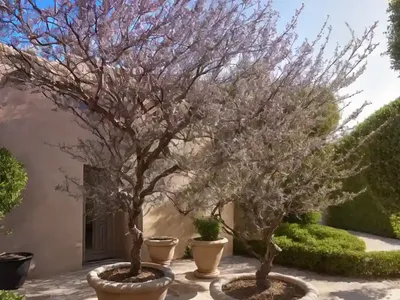
European hackberry can thrive in container gardening, offering a versatile and space-efficient option for cultivating this tree. Its adaptability to container environments extends its potential applications in urban and small-scale settings, allowing individuals with limited outdoor space to experience the beauty and benefits of this remarkable tree.
Container Culture
When growing European hackberry in containers, it is essential to select a suitable pot size that accommodates the tree’s root system. Additionally, using well-draining soil and providing adequate water and sunlight are critical for container culture success. Regular monitoring of the tree’s growth and health is crucial in container environments.
Urban Greening and Small-Scale Landscaping
In urban environments and small-scale landscaping projects, European hackberry can serve as a valuable addition, contributing to the greening of limited spaces. Its adaptability to containers allows it to thrive on rooftops, patios, and balconies, expanding the reach of greenery in urban dwellings.
Common Diseases
As with any plant species, European hackberry is susceptible to certain diseases that can affect its health and vitality. Understanding these potential illnesses and adopting preventative measures is essential in maintaining the tree’s well-being.
Anthracnose
Anthracnose, caused by various fungal pathogens, can lead to leaf spots, defoliation, and overall stress in European hackberry trees. Proper sanitation, adequate air circulation, and choosing disease-resistant varieties can help mitigate the impact of anthracnose.
Powdery Mildew
Powdery mildew, characterized by white powdery patches on leaves, can affect European hackberry, especially in humid conditions. Ensuring proper spacing between trees, promoting good airflow, and addressing environmental factors that contribute to humidity can reduce the incidence of powdery mildew.
Disease Diagnosis
Diagnosing potential diseases in European hackberry involves careful observation of symptoms, understanding environmental conditions, and considering the tree’s overall health. Early detection and accurate diagnosis are crucial in implementing effective disease management strategies.
Symptoms and Signs
Common symptoms of diseases in European hackberry include leaf spots, discoloration, wilting, and abnormal growth patterns. Additionally, the presence of fungal or bacterial structures on leaves or stems can indicate specific diseases. Careful monitoring of the tree’s overall condition can provide valuable insights into its health status.
Environmental Factors
Environmental factors, such as moisture levels, temperature, and air circulation, can significantly influence disease development in European hackberry. Assessing these factors and addressing any imbalances or stressors can contribute to the prevention and management of diseases.
Common Pests
European hackberry can also face challenges from various pests that target its foliage, stems, and roots. Identifying common pests and understanding their life cycles is essential in implementing pest control measures that minimize damage and protect the tree’s health.
Hackberry Woolly Aphid
The hackberry woolly aphid is a common pest that infests European hackberry, causing leaf distortion and the production of waxy secretions. Monitoring the tree for aphid infestations and employing natural predators, such as ladybugs, can help manage this pest without the need for chemical intervention.
Scale Insects
Scale insects can also affect European hackberry, feeding on its sap and weakening the tree. Pruning infested branches, promoting natural predators, and using horticultural oils can assist in controlling scale insect populations without resorting to synthetic pesticides.
Botanist’s Tips
As a plant scientist with a deep appreciation for the intricate complexities of plant life, I have gathered valuable insights and tips for effectively growing and appreciating European hackberry. These tips encompass various aspects, from cultivation to ecological interactions.
Ecological Awareness
Understanding the ecological roles of European hackberry allows individuals to appreciate its contributions to local biodiversity and natural habitats. By recognizing the tree’s interactions with wildlife and the surrounding environment, we can foster a deeper connection with nature and promote conservation efforts.
Sustainable Cultivation
Promoting sustainable cultivation practices, such as using organic fertilizers and minimizing chemical inputs, can enhance the resilience of European hackberry populations. By prioritizing sustainable approaches, we can safeguard the tree’s long-term viability and minimize environmental impact.
Fun Facts
Exploring the fascinating aspects of the European hackberry unveils a trove of intriguing and noteworthy details. From its cultural significance to its ecological connections, here are some fun facts that illustrate the unique qualities of this remarkable tree:
- The European hackberry’s fruits are enjoyed by birds, including thrushes, starlings, and cedar waxwings, making it a valuable food source for avian populations.
- In folklore and traditional beliefs, the European hackberry has been associated with symbolism related to protection, longevity, and resilience, earning it a place in cultural narratives and traditions.
- The wood of the European hackberry, prized for its fine texture and workability, has been utilized in crafting musical instruments, showcasing its versatility beyond traditional woodworking applications.
Links to External Resources
To further expand your knowledge and explore additional insights about European hackberry, I have compiled a list of reliable and informative external resources:
- European Hackberry – Arbor Day Foundation
- Celtis australis – Plants for a Future
- Urban Forestry – European Hackberry
- European Hackberry – Missouri Botanical Garden
As a plant scientist, it is both a privilege and a delight to unravel the intricacies of plant species like the European hackberry. From its ecological significance to its practical applications and cultural symbolism, this tree exemplifies the profound connections between plants and the human experience. I hope this comprehensive guide serves as a gateway to a deeper understanding and appreciation of the remarkable qualities of the European hackberry.