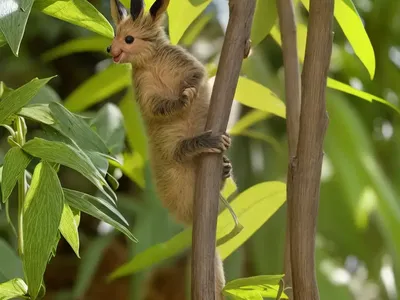
European Fan Palm (Chamaerops Humilis)
The European Fan Palm, scientifically known as Chamaerops humilis, is a stunning and resilient palm species that has become increasingly popular among.
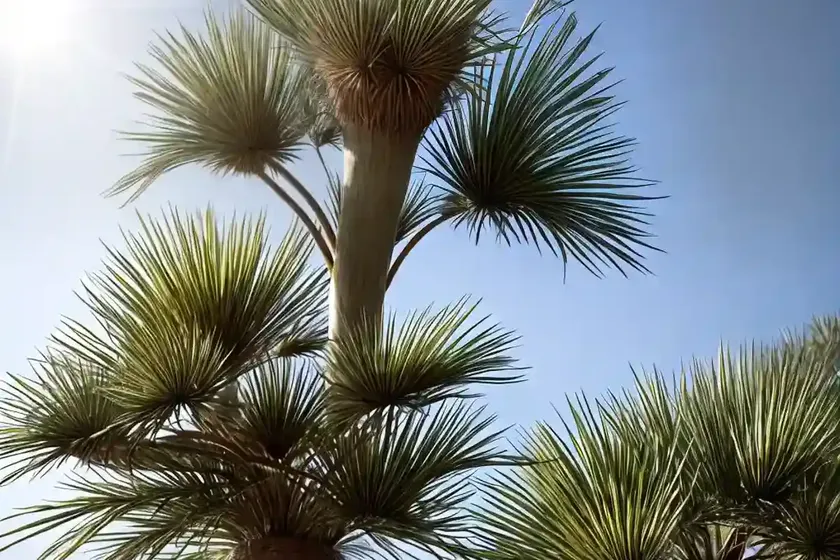
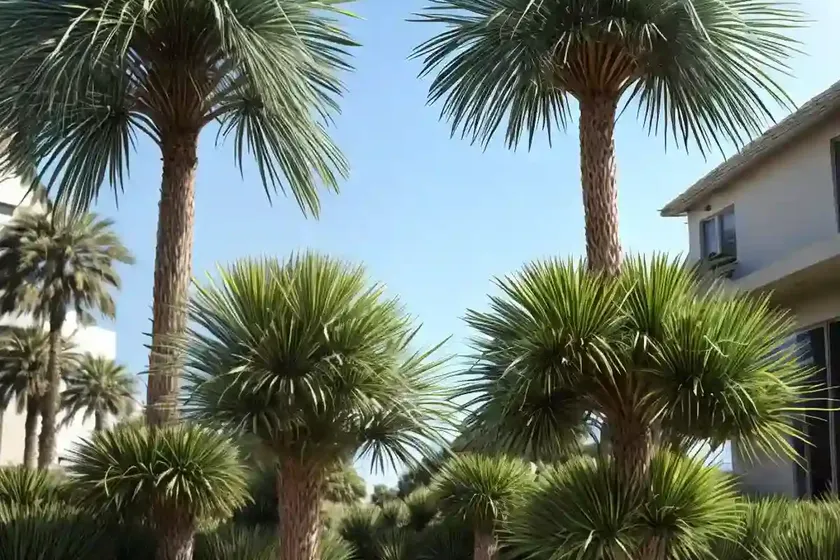
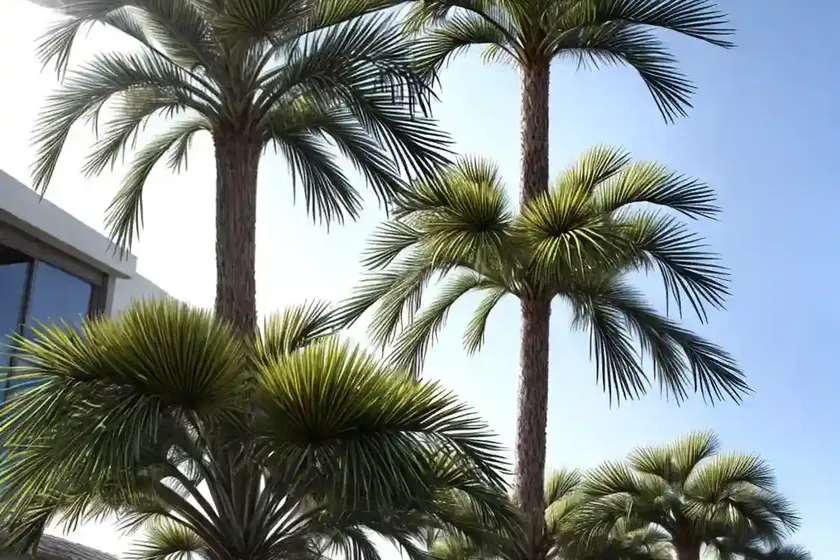
The European Fan Palm, scientifically known as Chamaerops humilis, is a stunning and resilient palm species that has become increasingly popular among plant enthusiasts. This evergreen plant is native to the Mediterranean region and can be a magnificent addition to both indoor and outdoor settings. In this comprehensive guide, we will explore the key aspects of caring for, cultivating, and maintaining the European Fan Palm, covering topics ranging from its cultural significance and uses to its water, sunlight, and soil requirements, as well as its propagation methods, common diseases, and pests that affect it.
What is the European Fan Palm (Chamaerops humilis)?
The European Fan Palm is a slow-growing, clump-forming palm that belongs to the Arecaceae family. Its distinctive fan-shaped leaves, compact growth habit, and overall hardiness make it an ideal choice for a wide range of landscape designs and indoor settings. This plant can thrive in various climates and is known for its exceptional adaptability, making it suitable for coastal gardens, urban landscapes, and even container gardening.
Key Takeaways
Before delving into the specific aspects of caring for the European Fan Palm, let’s consider some key takeaways about this exceptional plant:
- Scientific Name: Chamaerops humilis
- Common Names: European Fan Palm, Mediterranean Fan Palm
- Plant Type: Evergreen palm
- Native Habitat: Mediterranean region
- Growth Rate: Slow
- Mature Height: 6-10 feet
- Cold Hardiness: USDA zones 8-11
- Watering Schedule: Moderate, well-drained soil
- Sunlight Requirements: Full sun to partial shade
- Soil pH Preference: Slightly acidic to slightly alkaline
- Propagation Methods: Offsets, seeds
- Uses: Landscaping, indoor and outdoor cultivation
- Disease Susceptibility: Leaf spot diseases
- Common Pests: Aphids, scale insects
- Container Gardening: Well-suited for containers
- Fun Fact: Chamaerops humilis has been cultivated for thousands of years and was historically used for medicinal and ornamental purposes in the Mediterranean region.
Culture
Uses
The European Fan Palm holds significant cultural and historical importance, particularly in the Mediterranean region. This plant has been utilized for various purposes, including:
- Ornamental Planting: Chamaerops humilis is a favored choice for ornamental landscaping and has been cultivated in gardens, parks, and public spaces for its aesthetic appeal.
- Medicinal Applications: Traditional herbal medicine practices in the Mediterranean region have made use of different parts of the European Fan Palm for therapeutic purposes.
- Environmental Benefits: As an evergreen plant, Chamaerops humilis contributes to biodiversity and provides habitat and food for wildlife in its native regions.
Water
Watering Schedule: Adequate watering is essential for maintaining the health and vitality of the European Fan Palm. However, it is crucial to avoid overwatering, as excessive moisture can lead to root rot and other systemic issues. A moderate watering schedule is recommended, allowing the soil to partially dry out between waterings.
Sunlight
Sunlight Requirements: Chamaerops humilis thrives in full sun to partial shade conditions. It can adapt to a variety of light intensities, making it suitable for both sunny and partially shaded areas. When grown indoors, ensure that the plant receives bright, indirect light for optimal growth.
Soil
Best Soil for European Fan Palm: The European Fan Palm prefers well-draining, nutrient-rich soil that is slightly acidic to slightly alkaline. A combination of loamy and sandy soil with good drainage properties is ideal for promoting healthy root development and overall plant growth.
Fertilizer
Applying a balanced, slow-release fertilizer formulated for palms can support the growth and vigor of the European Fan Palm. During the growing season, a controlled-release fertilizer with an N-P-K ratio of 8-8-8 or 10-10-10 can be applied every 3-4 months to provide essential nutrients.
Pruning
Pruning Frequency: Regular pruning of the European Fan Palm is essential to maintain its attractive appearance and remove any dead or damaged fronds. Pruning frequency can vary based on the growth rate and overall condition of the plant, but it is generally recommended to carry out pruning every 1-2 years, especially in late winter or early spring.
Propagation
Propagation Methods: Chamaerops humilis can be propagated through offsets (suckers) that emerge at the base of mature palms. These offsets can be carefully removed and replanted to establish new palm specimens. Additionally, the European Fan Palm can be propagated from seeds, although this method requires more time and patience due to its slow germination and growth process.
Container Popularity
The European Fan Palm is highly popular for container gardening due to its compact growth habit and adaptability to containerized environments. When grown in containers, it can be a focal point in patio settings, indoor spaces, and urban landscapes, adding a touch of elegance and tropical charm.
Common Diseases
Disease Diagnosis: While the European Fan Palm is relatively resistant to many common diseases, it can be susceptible to fungal infections such as leaf spot diseases. Diagnosis of diseases can involve identifying characteristic symptoms such as leaf discoloration, spotting, or wilting, which may warrant prompt treatment and preventive measures.
Common Pests
Pests Affecting Chamaerops humilis: Several pests can affect the European Fan Palm, including aphids and scale insects. These pests can infest the plant, causing damage to the foliage and overall health. Regular monitoring and early intervention through insecticidal treatments can help control pest infestations.
Botanist’s Tips
To ensure the successful cultivation and care of the European Fan Palm, here are some essential tips from a botanist’s perspective:
- Monitor Moisture Levels: Avoid waterlogging and ensure proper drainage to prevent root rot.
- Provide Adequate Air Circulation: Good air circulation can help prevent fungal diseases and promote overall plant health.
- Regular Inspection: Periodic inspection for pests and diseases is crucial for early detection and effective management.
- Prudent Pruning: When pruning, exercise caution to avoid damaging the plant and promote regrowth of healthy fronds.
- Well-Draining Containers: When growing in containers, choose pots with adequate drainage to prevent water accumulation.
Fun Facts
Uncover some fascinating fun facts about the European Fan Palm that showcase its unique characteristics and historical significance:
- Historical Legacy: Chamaerops humilis has been cultivated for millennia and holds cultural significance in the Mediterranean region for its diverse uses.
- Slow Growth: This palm species exhibits a slow growth rate, making it a long-lasting and timeless addition to landscapes and interiors.
- Coastal Adaptation: Its tolerance to coastal conditions and wind make it an ideal plant for maritime environments and seaside gardens.
Links to External Resources
Explore further information, resources, and inspiration related to the European Fan Palm and its care:
Conclusion
In conclusion, the European Fan Palm (Chamaerops humilis) stands as a resilient, visually striking, and culturally significant plant with a rich history and diverse applications. Whether adorning coastal landscapes, urban gardens, or indoor settings, this palm species offers enduring beauty and versatile utility. By understanding its cultural uses, watering, sunlight, and soil requirements, as well as best practices for pruning, propagation, and disease and pest management, plant enthusiasts can foster the health and splendor of the European Fan Palm. Embrace the allure of this timeless palm and cultivate its beauty in your own botanical haven.