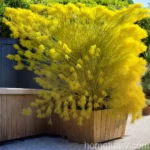
European Broom (Cytisus Scoparius): A Complete Guide for Cultivation, Care, and Uses
Plants have always held a special place in human societies, providing us with oxygen, food, medicine, and natural beauty. One such plant that has garnered attention for its diverse uses and striking appearance is the European Broom, scientifically known as Cytisus Scoparius. In this comprehensive guide, we will delve into the various aspects of European Broom, including its culture, uses, care requirements, common diseases, and much more.
What is European Broom (Cytisus Scoparius)?
European Broom, or Cytisus Scoparius, is a deciduous shrub belonging to the Fabaceae family. This plant is native to Western Europe and parts of Asia, where it is commonly found in open woodlands, heathlands, and coastal areas. Known for its vibrant yellow flowers and graceful, arching branches, the European Broom has been cultivated and utilized for centuries for its ornamental, medicinal, and ecological properties.
Key Takeaways – European Broom (Cytisus Scoparius)
Before we delve into the finer details of European Broom, let’s look at some key takeaways about this remarkable plant:
- Scientific Name: Cytisus Scoparius
- Common Names: European Broom, Broom shrub
- Taxonomy: Fabaceae family
- Characteristics: Deciduous shrub with vibrant yellow flowers and arching branches
- Habitat: Native to Western Europe and parts of Asia
- Uses: Ornamental, medicinal, ecological
- Growth: Fast-growing, reaching heights of 6 to 10 feet
- Flowering: Typically blooms in late spring to early summer
- Pruning: Regular pruning to maintain shape and encourage flowering
- Propagation: Can be propagated from seeds or softwood cuttings
- Diseases: Susceptible to certain fungal diseases
- Pests: Attracts aphids, spider mites, and caterpillars
- Soil: Well-drained, moderately fertile soil
- Sunlight: Prefers full sun
- Water: Moderate watering, drought-tolerant once established
- Fertilizer: Minimal fertilizer requirements
The European Broom plant offers a wealth of cultural, ecological, and horticultural significance that we will explore in detail throughout this guide.
Culture
Understanding the cultural significance and uses of the European Broom can provide valuable insights into its historical, medicinal, and symbolic importance in various cultures.
Uses
The European Broom, with its striking appearance and diverse properties, has been utilized for numerous purposes across different societies. Some of its primary uses include:
- Ornamental Purposes: Due to its vibrant blooms and elegant form, the European Broom is widely cultivated as an ornamental plant in gardens, parks, and landscapes.
- Medicinal Properties: In traditional medicine, parts of the European Broom plant have been used to treat various ailments, including heart conditions, respiratory issues, and as a diuretic.
- Wildlife Habitat: The plant serves as a valuable habitat and food source for various wildlife species, including birds and pollinators.
- Soil Erosion Control: Its extensive root system makes it an effective plant for stabilizing soil in erosion-prone areas.
Water
When it comes to watering the European Broom, it is essential to strike a balance to ensure healthy growth and blooming. Here are some key considerations for watering this plant:
- Established Plants: Once the plant is established, it is relatively drought-tolerant and requires minimal watering, primarily during prolonged dry spells.
- Young Plants: Newly planted European Broom shrubs may need more frequent watering to aid in root establishment, especially during the first growing season.
- Soil Moisture: Ensure that the soil is well-drained but retains some moisture, particularly during hot periods.
Sunlight
The European Broom thrives in full sunlight, making it an excellent choice for gardens and landscapes that receive ample sunlight throughout the day. Here are some sunlight-related considerations for this plant:
- Sun Exposure: Provide the European Broom with a location that receives full sunlight for the majority of the day to promote healthy growth and prolific flowering.
- Shade Tolerance: While it prefers full sun, the plant can tolerate partial shade, but it may result in reduced flowering and overall vigor.
Fertilizer
When it comes to fertilizing the European Broom, a conservative approach is typically best to prevent excessive foliage growth at the expense of flowering. Here are some key points to consider regarding fertilization:
- Minimal Requirements: The European Broom is not a heavy feeder and generally thrives in moderately fertile soils without the need for regular fertilization.
- Organic Matter: Prior to planting, amending the soil with organic matter can provide a nutrient boost and enhance soil structure, promoting healthier growth.
Soil
The quality of the soil plays a crucial role in the overall health and vigor of the European Broom plant. Here are some essential soil-related considerations for cultivating this shrub:
- Drainage: Well-drained soil is essential to prevent waterlogging, which can lead to root rot and other issues.
- pH Levels: The European Broom prefers slightly acidic to neutral soil with a pH range of 6.0 to 7.0. Amending highly acidic or alkaline soils may be necessary for optimal growth.
- Soil Composition: A loamy or sandy soil with good fertility and aeration is ideal for cultivating the European Broom.
Pruning
Pruning is a vital aspect of European Broom care as it helps maintain a desirable shape, promotes flowering, and prevents the plant from becoming invasive. Here are some key points to consider when pruning this shrub:
- Timing: Prune the European Broom immediately after flowering to encourage new growth and flower bud formation for the following year.
- Techniques: The removal of spent flowers and the shaping of the plant to maintain a pleasing form are the primary objectives of pruning this shrub.
- Invasive Control: Regular pruning helps prevent the European Broom from spreading uncontrollably, particularly in areas where it is considered invasive.
Propagation
Propagating the European Broom can be an exciting endeavor, allowing you to create new plants from established ones. Here are some methods of propagation for this species:
- Seeds: Propagating Cytisus Scoparius from seeds can be a straightforward method, though it may take some time for the plants to reach maturity and begin flowering.
- Softwood Cuttings: Taking softwood cuttings in late spring or early summer can yield new plants relatively quickly, provided they receive the right care and conditions for rooting.
Container Popularity
While the European Broom is typically grown in garden beds and landscapes, it can also thrive in containers under the right conditions. Here are some key points to consider when growing this plant in containers:
- Container Size: Choose a spacious and sturdy container to accommodate the plant’s roots and provide stability, especially as the shrub grows.
- Drainage: Ensure that the container has adequate drainage holes to prevent waterlogging, which can be detrimental to the plant’s health.
- Soil Quality: Use a well-draining potting mix and consider adding some organic matter to enhance fertility and moisture retention.
Common Diseases
Like many plants, the European Broom is susceptible to certain diseases, particularly those caused by fungal pathogens. Here are some common diseases that may affect this species:
- Powdery Mildew: A common fungal disease that presents as a powdery white coating on the leaves, often caused by poor air circulation and high humidity.
- Root Rot: Excessive soil moisture and poor drainage can lead to root rot, which manifests as wilting, yellowing leaves, and stunted growth.
- Dieback: This condition, characterized by the death of plant tissue starting from the tips of branches, can be caused by various fungal pathogens and environmental stressors.
- Anthracnose: Another fungal disease that can affect the European Broom, causing dark, sunken lesions on the stems and leaves.
Disease Diagnosis
Diagnosing and addressing any potential diseases affecting the European Broom is crucial for maintaining the plant’s health and vigor. Here are some essential steps for disease diagnosis:
- Visual Symptoms: Regularly inspect the plant for any signs of abnormal growth, discoloration, lesions, or unusual markings on the foliage and stems.
- Environmental Factors: Consider any environmental stressors, such as excessive moisture, poor air circulation, or nutrient deficiencies, that may be contributing to the plant’s condition.
- Professional Consultation: If the cause of the issue is unclear or the disease is severe, seek the assistance of a plant pathology expert or horticulturist for diagnosis and treatment recommendations.
Common Pests
In addition to diseases, the European Broom can also be susceptible to certain pests that may affect its growth and overall well-being. Here are some common pests to watch out for:
- Aphids: These small, sap-sucking insects can congregate on the new growth of the plant, causing distortion of the leaves and the secretion of sticky honeydew.
- Spider Mites: Infestations of spider mites can lead to stippled, discolored leaves and the formation of fine webbing on the plant.
- Caterpillars: Certain caterpillar species may feed on the foliage of the European Broom, resulting in visible damage and defoliation if left unchecked.
Botanist’s Tips
As a plant scientist with a deep appreciation for the natural world, I have gathered some valuable tips for enthusiasts and horticulturists interested in cultivating the European Broom:
- Wildlife-Friendly Planting: When incorporating the European Broom into landscapes, consider its role in providing habitat and food for local wildlife, contributing to ecological diversity.
- Companion Planting: Pair the European Broom with compatible companion plants that complement its growth habits and soil requirements while enhancing the overall aesthetics of the garden.
- Native Plant Considerations: In areas where the European Broom is considered invasive, exercise caution and consider native plant alternatives to support local ecosystems.
Fun Facts
To enrich our understanding and appreciation of the European Broom, here are some intriguing and lesser-known facts about this remarkable plant:
- Symbolic Significance: In traditional folklore, the European Broom has been associated with various symbolic meanings, often representing purification, protection, and prosperity.
- Historical Uses: Throughout history, different parts of the European Broom plant have been utilized for making brooms, baskets, dyes, and herbal remedies.
- Cultural Significance: In certain cultures, the European Broom has been celebrated in art, literature, and folklore, reflecting its enduring cultural significance.
Links to External Resources
For additional information, images, and resources on European Broom (Cytisus Scoparius), consider exploring the following external links:
- Royal Horticultural Society (RHS): Cytisus
- USDA Plants Database: Cytisus Scoparius
- Missouri Botanical Garden: Cytisus Scoparius
As we conclude this comprehensive guide, I hope you have gained new insights into the captivating world of the European Broom (Cytisus Scoparius). Whether you are a gardening enthusiast, nature lover, or simply curious about the diverse uses and cultural significance of plants, the European Broom stands as a testament to the remarkable relationships between humans and the natural world.
However, it is essential to approach the selection and cultivation of any plant species responsibly, taking into account the potential impact on local ecosystems and habitats. With thoughtful consideration and care, we can celebrate the beauty and benefits of plants while safeguarding the delicate balance of nature.
Happy gardening and may the beauty of the European Broom inspire you to cultivate and cherish the natural treasures that enrich our lives.