European Beech (Fagus Sylvatica ‘Purpurea Tricolor’)
In the world of horticulture, the European beech, scientifically known as Fagus sylvatica ‘Purpurea Tricolor’, is a striking ornamental tree that boasts a.
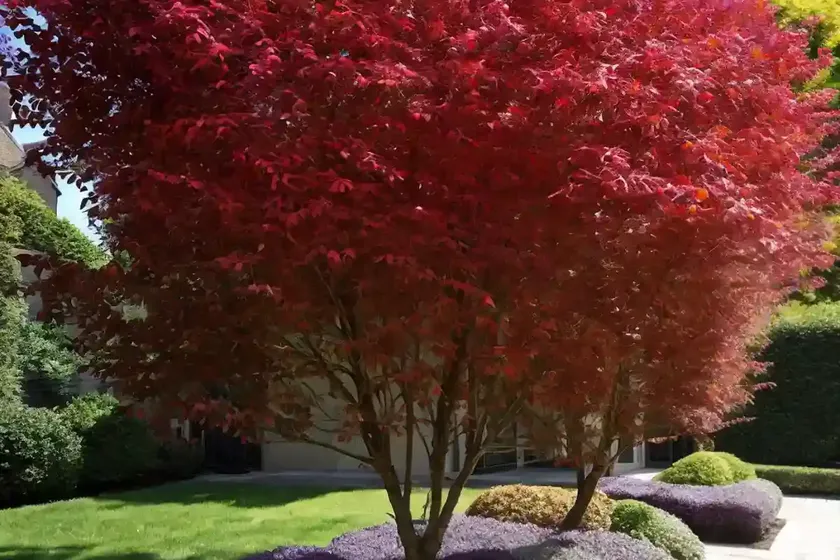
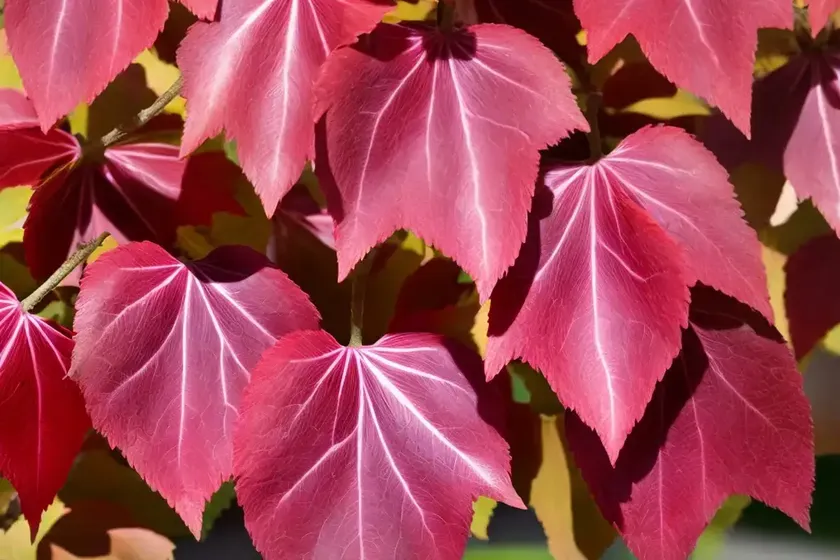
In the world of horticulture, the European beech, scientifically known as Fagus sylvatica ‘Purpurea Tricolor’, is a striking ornamental tree that boasts a rich history, unique characteristics, and a range of uses in landscapes. In this comprehensive guide, we will dive into the details of this exquisite plant, covering its culture, uses, water, sunlight, fertilizer, soil, pruning, propagation, container care, popularity, common diseases, pests, and much more. By the end of this article, you will have a thorough understanding of how to care for and appreciate the European beech tree.
What is the European Beech (Fagus sylvatica ‘Purpurea Tricolor’)?
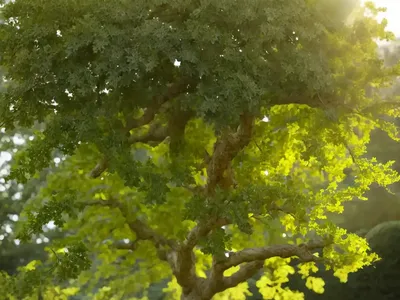
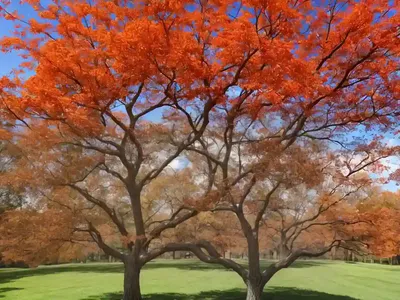
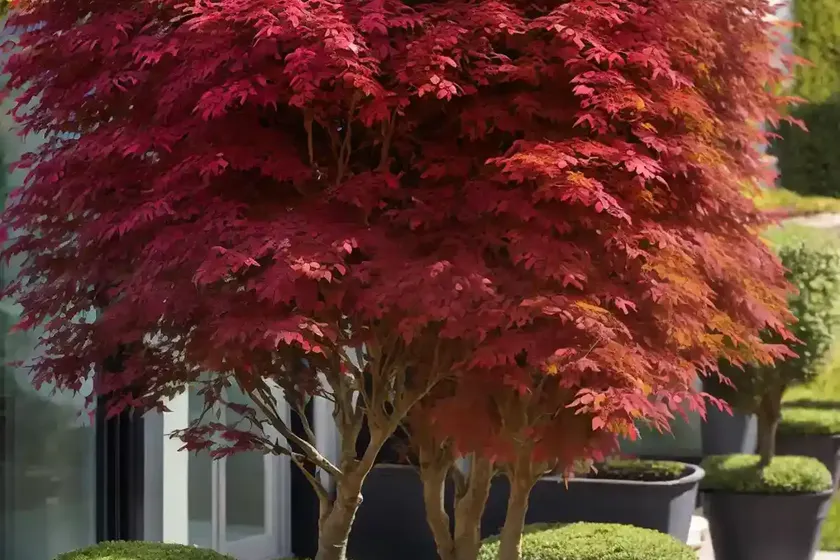
The European beech, or Fagus sylvatica ‘Purpurea Tricolor’, is a cultivar of the Fagus sylvatica species, which is native to Europe. This particular cultivar is celebrated for its striking foliage, which features a unique color combination of pink, purple, and green. The leaves emerge in shades of pink, mature to deep purple, and gradually transition to a mix of green, creating a visually captivating display throughout the growing season.
Key Takeaways – European Beech (Fagus sylvatica ‘Purpurea Tricolor’)
Before delving into the specifics of caring for the European beech, let’s highlight the key takeaways about this magnificent tree:
- Foliage Color: The Fagus sylvatica ‘Purpurea Tricolor’ is prized for its striking pink, purple, and green foliage, adding a vibrant and unique touch to landscapes.
- Cultivar of European Beech: This cultivar belongs to the Fagus sylvatica species, which is commonly known as the European beech tree.
- Ornamental Appeal: With its distinct foliage and elegant form, the European beech serves as an eye-catching specimen tree in gardens and parks.
- Versatile Uses: From providing shade to enhancing the aesthetic appeal of landscapes, this tree serves various purposes in horticultural settings.
Culture
Understanding the cultural requirements of the European beech is essential for ensuring its health and vitality. From suitable growing conditions to maintenance practices, let’s explore the various aspects of the cultural needs of Fagus sylvatica ‘Purpurea Tricolor’.
Uses
The European beech is renowned for its versatility in landscape design and horticulture. Here are some common uses of Fagus sylvatica ‘Purpurea Tricolor’:
- Specimen Tree: The tree’s unique foliage makes it a captivating focal point in gardens and parks.
- Shade Provider: Due to its dense foliage, the European beech offers excellent shade, making it ideal for creating shaded areas in landscapes.
- Color Contrast: Its vibrant foliage provides a stunning color contrast when planted against a backdrop of green foliage or other trees with different leaf colors.
The uses of this cultivar extend to a range of garden styles, from formal gardens to woodland landscapes, where its unique foliage and graceful form can be showcased effectively.
Water
Maintaining appropriate soil moisture is vital for the health and vigor of the European beech. While the tree demonstrates a good level of tolerance to drought conditions, it thrives best in moist, well-drained soils. Here are some key points to consider regarding watering the Fagus sylvatica ‘Purpurea Tricolor’:
- Establishment: Newly planted European beech trees require regular watering to aid in the establishment of their root systems. For the first year after planting, ensure that the tree receives consistent moisture, especially during dry spells.
- Mature Trees: Once established, the European beech generally demonstrates good tolerance to moderate drought. However, during prolonged dry periods, it may benefit from supplemental watering to support its overall health and growth.
Sunlight
Like most beech tree species, Fagus sylvatica ‘Purpurea Tricolor’ thrives in partial to full sunlight. Adequate sunlight is crucial for the development of its vibrant foliage and overall vigor. Here are some sunlight-related considerations to keep in mind:
- Optimal Sun Exposure: Select planting locations that offer partial to full sunlight for the majority of the day. Adequate sunlight ensures that the tree’s foliage maintains its vibrant coloration and promotes healthy growth.
- Shade Tolerance: While the European beech prefers sunlight, it also exhibits a degree of tolerance to partial shade. However, for the most vibrant foliage display, it is best to provide ample sunlight.
Fertilizer
Proper fertilization plays a significant role in supporting the growth and vitality of the European beech. When considering fertilizer application for Fagus sylvatica ‘Purpurea Tricolor’, it is essential to understand its nutrient requirements and the appropriate timing for feeding:
- Nutrient Needs: European beech trees benefit from balanced fertilizers that provide essential macro and micronutrients. Look for fertilizers specifically formulated for woody ornamental plants.
- Feeding Schedule: Apply the first round of fertilizer in early spring, just as new growth begins. A second application in late spring or early summer can further support the tree’s growth and foliage development.
Soil
The soil composition and quality significantly impact the overall health and growth of the European beech. Whether planting in the ground or in containers, understanding the soil preferences of Fagus sylvatica ‘Purpurea Tricolor’ is crucial for ensuring optimal growing conditions:
- Well-Drained Soil: European beech trees thrive in well-drained, slightly acidic to neutral soils. Ensure that the soil does not become waterlogged, as excessively wet conditions can lead to root rot and other issues.
- Soil Amendments: Prior to planting, amending the soil with organic matter can improve its texture and drainage, creating a favorable environment for the tree’s root development.
Pruning
Pruning is an essential aspect of European beech tree care, contributing to its overall appearance, health, and longevity. When approaching pruning for Fagus sylvatica ‘Purpurea Tricolor’, consider the following guidelines:
- Pruning Objectives: The primary objectives of pruning the European beech include shaping the tree, removing dead or damaged branches, and maintaining its size and form. Avoid excessive pruning, as beech trees are susceptible to stress from extensive branch removal.
- Timing: Perform major pruning tasks during the dormant season, preferably in late winter or early spring. This timing minimizes stress on the tree and allows it to heal efficiently before the onset of new growth.
- Sanitation: Properly sanitize pruning tools to prevent the spread of diseases. Clean and disinfect cutting tools before and after each use, especially when working on potentially diseased branches.
Propagation
The propagation of Fagus sylvatica ‘Purpurea Tricolor’ typically involves methods such as grafting and hardwood cuttings. Here are some key points to consider when propagating this distinctive cultivar:
- Grafting: Propagation through grafting involves joining the stem or bud of the desired cultivar onto a compatible rootstock. It is a common method for replicating specific characteristics of the European beech cultivar.
- Hardwood Cuttings: Propagating from hardwood cuttings offers an alternative approach. Select healthy, mature wood for the cuttings and utilize appropriate rooting hormone to encourage successful root development.
Understanding the principles of propagation enables horticulturists and enthusiasts to expand their collection of Fagus sylvatica ‘Purpurea Tricolor’ or establish new plantings with desired traits.
Container Popularity
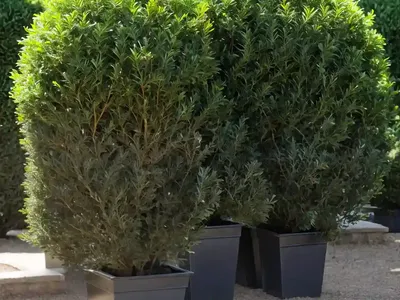
In the realm of container gardening and urban landscapes, the European beech holds a notable level of popularity as a statement tree in large planters and landscapes. Its striking foliage and graceful form make it a sought-after choice for adding visual interest and natural beauty to outdoor spaces. Here are some advantages of growing Fagus sylvatica ‘Purpurea Tricolor’ in containers:
- Space Considerations: Container planting allows for the cultivation of European beech trees in confined spaces, such as patios, balconies, and urban gardens.
- Visual Impact: The tree’s elegant appearance and colorful foliage create a stunning focal point in container displays, enhancing the aesthetic appeal of outdoor areas.
- Versatility: Container-grown European beech trees can be arranged in various design styles, from formal to contemporary, offering flexibility in landscape design.
When growing Fagus sylvatica ‘Purpurea Tricolor’ in containers, proper maintenance, including watering, soil management, and periodic root pruning, is crucial to support its growth and longevity.
Common Diseases
Despite its resilience, the European beech, like many plants, is susceptible to certain diseases. Understanding these common ailments and their management is vital for maintaining the health of Fagus sylvatica ‘Purpurea Tricolor’. Let’s explore some prevalent diseases associated with this cultivar:
Disease Diagnosis
- Powdery Mildew (Erysiphales): This fungal disease often manifests as white, powdery growth on the foliage, affecting the tree’s overall appearance. Proper air circulation and avoiding overhead watering can help prevent powdery mildew.
- Beech Bark Disease: Caused by a combination of insect and fungal infestations, beech bark disease can lead to the decline of affected trees. Vigilant monitoring and early intervention are crucial for managing this disease effectively.
Common Pests
In addition to diseases, the European beech may encounter pest issues that require attention and management. Common pests that can affect Fagus sylvatica ‘Purpurea Tricolor’ include:
- Aphids: These small insects can infest the tree’s foliage, leading to distorted growth and honeydew production. Natural predators or insecticidal soaps can help control aphid populations.
- Scale Insects: Scale infestations often appear as small, immobile bumps on the tree’s stems and foliage. Proper horticultural oils or insecticidal treatments can be used to manage scale insects effectively.
Botanist’s Tips
As a skilled botanist and plant enthusiast, here are some valuable tips and insights for cultivating and appreciating Fagus sylvatica ‘Purpurea Tricolor’:
- Cultural Adaptability: While the European beech thrives in suitable conditions, it also demonstrates a level of adaptability to various soil types and environmental factors. Understanding its inherent adaptability can aid in successful cultivation.
- Foliage Maintenance: Regularly monitor the tree’s foliage for signs of pests or diseases, and promptly address any issues to maintain its vibrant and healthy appearance.
- Landscape Integration: Consider incorporating the European beech into diverse landscape styles, utilizing its color variation and unique form to enhance the visual appeal of gardens and natural areas.
Fun Facts
To further appreciate the allure and significance of Fagus sylvatica ‘Purpurea Tricolor’, here are some intriguing and noteworthy facts about this captivating tree:
- The striking foliage of the European beech makes it a popular choice for creating visually dramatic plantings and focal points in gardens and park settings.
- The color variations of the leaves throughout the growing season offer an ever-changing display of pink, purple, and green, captivating the eye and adding seasonal interest to landscapes.
- This cultivar, with its unique leaf coloration, has been celebrated for its role in enhancing the diversity and beauty of ornamental tree collections in arboreta and botanical gardens.
Links to External Resources
To expand your knowledge and exploration of the European beech and related topics, consider exploring the following external resources:
- Royal Horticultural Society – European Beech: Link
- Missouri Botanical Garden – Fagus sylvatica ‘Purpurea Tricolor’: Link
- University of Florida IFAS Extension – European Beech for Urban and Suburban Sites: Link
- The Morton Arboretum – Fagus sylvatica ‘Purpurea Tricolor’: Link
Incorporating information from reputable sources can provide valuable insights and guidance for enthusiasts, horticulturists, and botanists interested in European beech trees and ornamental horticulture.
As we conclude this in-depth exploration of the European beech (Fagus sylvatica ‘Purpurea Tricolor’), we have gained a comprehensive understanding of its cultural requirements, uses, propagation, disease and pest management, and more. This remarkable cultivar continues to captivate plant enthusiasts and horticultural professionals, offering a blend of ornamental beauty and cultural significance in diverse landscapes. Whether as a focal tree in a garden or an ornamental specimen in urban settings, the European beech stands as a testament to the enduring appeal of ornamental trees in horticulture and naturalistic design.