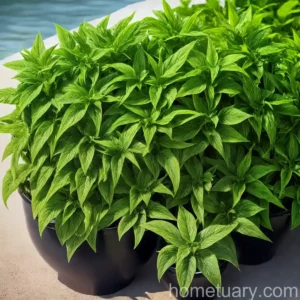
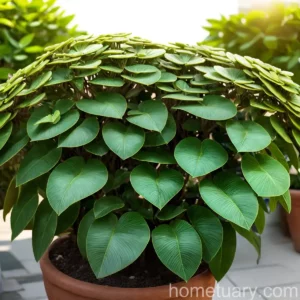
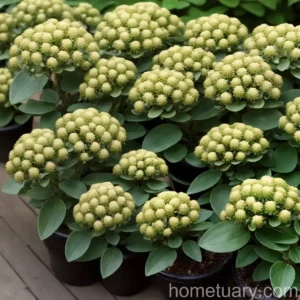
Euphorbia seguieriana subsp. niciciana (Siberian Spurge)
Euphorbia seguieriana subsp. niciciana, also known as Siberian Spurge, is a perennial herbaceous plant belonging to the Euphorbiaceae family. This striking plant is known for its vibrant foliage and adaptability to various growing conditions. In this comprehensive guide, we will delve into the characteristics, cultivation, and maintenance of Euphorbia seguieriana subsp. niciciana, as well as its uses and benefits in gardens and landscapes.
What is Euphorbia seguieriana subsp. niciciana?
Euphorbia seguieriana subsp. niciciana is a sub-species of Euphorbia seguieriana, a species native to Europe and Western Asia. This particular sub-species, also known as Siberian Spurge, is renowned for its ornamental value and is a popular choice among gardeners and landscapers. It is characterized by its striking foliage, which adds an eye-catching element to any garden or landscape.
Key Takeaways – Euphorbia seguieriana subsp. niciciana
Before delving into the specifics of cultivating and caring for Siberian Spurge, let’s explore some key takeaways about this plant.
- Plant Name: Euphorbia seguieriana subsp. niciciana (Siberian Spurge)
- Common Names: Siberian Spurge, Niciciana Spurge
- Family: Euphorbiaceae
- Native Habitat: Europe, Western Asia
- Characteristics: Striking foliage, adaptability, ornamental value
- Uses: Ornamental plant in gardens and landscapes
Now, let’s delve into the intricacies of cultivating and caring for Euphorbia seguieriana subsp. niciciana.
Culture
The culture of Euphorbia seguieriana subsp. niciciana encompasses various aspects such as its habitat, cultivation, and uses. Understanding the cultural requirements of this plant is essential for successfully growing it in garden settings.
Habitat
Euphorbia seguieriana subsp. niciciana is native to Europe and Western Asia, where it thrives in a variety of habitats ranging from open woodlands to rocky slopes. It is well-adapted to diverse growing conditions and can withstand some degree of drought, making it a resilient choice for gardens.
Uses
Siberian Spurge is primarily grown for its ornamental value. The plant’s vibrant foliage and adaptability make it a popular choice for adding visual interest to rock gardens, borders, and mixed perennial beds. Additionally, its low maintenance requirements and ability to thrive in challenging conditions make it a versatile option for landscaping projects.
Water
Proper watering is crucial for the health and vitality of Euphorbia seguieriana subsp. niciciana. While this plant exhibits some tolerance to drought, it is important to provide adequate moisture, especially during the establishment phase and periods of prolonged dryness.
Watering Needs
- Establishment Phase: During the initial planting and establishment phase, ensure consistent moisture to promote healthy root development.
- Mature Plants: Once established, Siberian Spurge is relatively drought-tolerant, requiring moderate water levels. Avoid overwatering, as this can lead to root rot.
Tip: Use a well-draining soil mix to prevent waterlogged conditions, especially in areas with heavy rainfall.
Sunlight
Siberian Spurge thrives in sunlight and displays its best foliage coloration when grown in the appropriate light conditions. Understanding the sunlight requirements of this plant is essential for optimal growth and visual appeal.
Sun Exposure
- Full Sun: Euphorbia seguieriana subsp. niciciana flourishes in full sun, where it exhibits vibrant foliage colors and robust growth. Aim to provide at least 6-8 hours of direct sunlight for best results.
- Partial Shade: While the plant can tolerate some shade, it tends to develop more intense foliage coloration when grown in full sun.
Tip: Position Siberian Spurge in a location with ample sunlight to enhance its ornamental value.
Fertilizer
Fertilization plays a key role in supporting the growth and vitality of Euphorbia seguieriana subsp. niciciana. By understanding the plant’s fertilizer needs, gardeners can promote healthy foliage and overall vigor.
Fertilization Guidelines
- Timing: Apply a balanced, slow-release fertilizer in early spring as new growth emerges. Avoid excessive fertilization, as Siberian Spurge is relatively low-maintenance.
- Quantity: Use a conservative amount of fertilizer to prevent excessive growth, which can compromise the plant’s natural form.
Tip: Incorporate a layer of organic mulch around the base of the plant to provide a gradual release of nutrients and to conserve soil moisture.
Soil
The soil requirements of Euphorbia seguieriana subsp. niciciana are an essential consideration for successful cultivation. Understanding the appropriate soil conditions helps create an optimal growing environment for the plant.
Soil Type
- Well-Draining Soil: Siberian Spurge thrives in well-draining soil that prevents waterlogging. Amend heavy clay soils with organic matter to improve drainage.
- pH Level: The plant tolerates a wide range of soil pH levels, but a neutral to slightly alkaline soil is generally ideal for optimal growth.
Tip: Perform a soil test to assess the pH and nutrient levels; amend the soil as needed based on the test results.
Pruning
Pruning is an important aspect of maintaining the health and appearance of Euphorbia seguieriana subsp. niciciana. Proper pruning helps manage the plant’s growth and encourages a tidy, attractive appearance.
Pruning Guidelines
- Deadheading: Remove spent flower spikes to promote continuous blooming and prevent self-seeding.
- Spring Cleanup: Trim back any winter-damaged or unsightly growth in early spring to encourage new, healthy growth.
- Caution: Wear gloves and protective clothing when pruning, as the milky sap of the plant can irritate the skin and eyes.
Tip: Avoid cutting back the plant too heavily, as excessive pruning can compromise its natural shape and resilience.
Propagation
Reproducing Euphorbia seguieriana subsp. niciciana through propagation allows gardeners to expand their plant collection and share this captivating species with others. Several methods can be employed to propagate Siberian Spurge successfully.
Propagation Techniques
- Division: Divide mature clumps of Siberian Spurge in early spring to create new plants. Ensure each division has a healthy root system and viable growth points.
- Seed Propagation: While less commonly used, Siberian Spurge can be propagated from seeds. Sow seeds in a well-draining soil mix and maintain consistent moisture until germination occurs.
Tip: Propagate Siberian Spurge in the active growing season to capitalize on the plant’s natural vigor and resilience.
Container Popularity
The adaptability and ornamental value of Euphorbia seguieriana subsp. niciciana make it a popular choice for container gardening. Growing Siberian Spurge in containers offers a range of possibilities for adding visual interest to outdoor spaces.
Container Gardening Tips
- Container Selection: Choose a spacious container with adequate drainage holes to accommodate the plant’s root system and promote healthy growth.
- Soil Mix: Use a well-draining, fertile soil mix designed for container plants. Incorporate perlite or coarse sand to improve drainage.
- Watering: Monitor the moisture levels in the container, ensuring the soil remains consistently moist but not waterlogged.
Tip: Consider using Siberian Spurge as a focal point in container arrangements or as part of mixed plantings for dynamic visual impact.
Common Diseases
Understanding the potential diseases that can affect Euphorbia seguieriana subsp. niciciana is essential for implementing preventive measures and maintaining the plant’s health.
Disease Diagnosis
- Powdery Mildew: Siberian Spurge is susceptible to powdery mildew, which manifests as a white, powdery coating on the foliage. Improve air circulation and consider applying fungicidal treatments if necessary.
- Crown Rot: Excessively wet soil can lead to crown rot in the plant. Ensure proper drainage and avoid overwatering to prevent this fungal disease.
Tip: Monitor the plant regularly for signs of disease, and promptly address any issues to prevent the spread of infections.
Common Pests
While Euphorbia seguieriana subsp. niciciana is relatively resistant to pest infestations, it can occasionally encounter certain pests that may affect its growth and appearance.
Pest Control
- Aphids: Keep an eye out for aphids, particularly in the vicinity of new growth. Insecticidal soaps and neem oil can effectively control aphid populations.
- Slugs and Snails: These pests may target young, tender growth of Siberian Spurge. Employ physical barriers and organic slug control methods to protect the plant.
Tip: Regularly inspect the plant for pest activity and take proactive measures to manage infestations.
Botanist’s Tips
As a botanist, I have observed several key tips and considerations that can enhance the cultivation and care of Euphorbia seguieriana subsp. niciciana.
Tips for Success
- Moderation in Fertilization: Practice restraint in fertilizing Siberian Spurge to prevent excessive growth and maintain its natural form and vigor.
- Caution in Pruning: Exercise caution when pruning the plant, and avoid contact with the milky sap, which can cause skin and eye irritation.
- Appreciation for Adaptability: Embrace the plant’s adaptability and resilience, utilizing it in various garden settings to its full ornamental potential.
Tip: Share the beauty and benefits of Siberian Spurge with fellow gardeners and enthusiasts, promoting its role in diverse garden designs and landscapes.
Fun Facts
To further appreciate the allure of Euphorbia seguieriana subsp. niciciana, consider these intriguing and captivating fun facts about Siberian Spurge.
Fascinating Tidbits
- Ornamental History: Siberian Spurge has a long history as an ornamental plant, valued for its vibrant foliage and adaptability to different growing conditions.
- Wildlife Interest: While the milky sap of Euphorbia plants deters browsing animals, certain insects are known to feed on the foliage and flowers.
- Historical Uses: Some Euphorbia species have historical uses in traditional medicine and folk remedies, adding cultural significance to these plants.
Tip: Emphasize the unique qualities and captivating allure of Siberian Spurge when sharing its charm with others.
Links to External Resources
For further information and insights into Euphorbia seguieriana subsp. niciciana, consider exploring the following resources:
- Royal Horticultural Society – Euphorbia – Discover in-depth information on the Euphorbia genus, including cultivation and care tips.
- Missouri Botanical Garden – Euphorbia seguieriana – Explore details about the characteristics and growing requirements of Euphorbia seguieriana.
In conclusion, Euphorbia seguieriana subsp. niciciana (Siberian Spurge) is an exceptional perennial plant renowned for its ornamental value and adaptability. By understanding its cultivation, maintenance, and uses, gardeners can fully appreciate the beauty and benefits that Siberian Spurge brings to diverse garden settings. Whether grown in rock gardens, containers, or mixed borders, this captivating plant continues to captivate enthusiasts with its striking foliage and resilient nature.
Now you can simply convert the markdown to HTML for publishing on a website!