Euphorbia Rigida (Upright Myrtle Spurge): A Versatile and Resilient Plant for Your Garden
Euphorbia rigida, commonly known as Upright Myrtle Spurge, is a visually striking and resilient perennial plant that has gained popularity among gardeners and landscapers for its unique characteristics and low-maintenance requirements. This blog post aims to provide a comprehensive guide to understanding and cultivating Euphorbia rigida, covering its culture, uses, care requirements, common pests and diseases, propagation techniques, and much more. Whether you are a seasoned horticulturist or a novice gardener, this article will equip you with valuable insights to incorporate this intriguing plant into your outdoor spaces.
What is Euphorbia Rigida?
Euphorbia rigida belongs to the Euphorbiaceae family, which encompasses a wide range of flowering plants commonly known as spurges. Originating from the Mediterranean region, Euphorbia rigida is celebrated for its vibrant yellow-green inflorescences and its ability to thrive in various climatic conditions. This tough perennial is known for its striking architectural form, which makes it a fantastic addition to rock gardens, drought-tolerant landscapes, and mixed border plantings.
Key Takeaways: Euphorbia Rigida (Upright Myrtle Spurge)
Before delving into the specific aspects of Euphorbia rigida care and cultivation, let’s explore some key takeaways about this captivating plant:
-
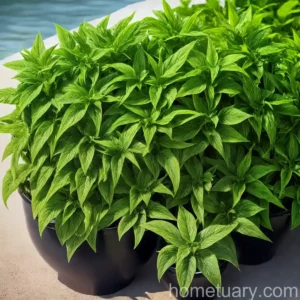
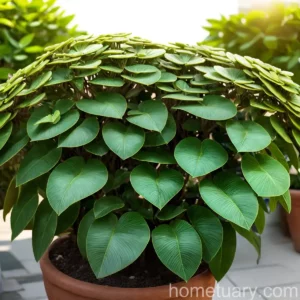
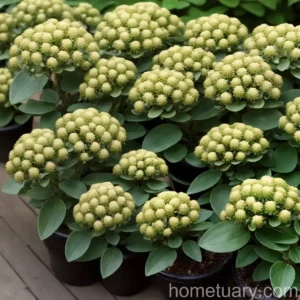
Characteristics: Euphorbia rigida is characterized by its upright, clump-forming growth habit, blue-green succulent leaves arranged in spirals, and showy, bract-like inflorescences that appear in early spring.
-
Water Needs: This plant is well-adapted to arid conditions and can thrive with minimal water once established, making it an excellent choice for water-wise landscaping.
-
Sunlight Requirements: Euphorbia rigida favors full sun exposure and will produce the best bloom displays when grown in locations with ample sunlight.
-
Soil Requirements: Well-draining and infertile soils are essential for the successful cultivation of Euphorbia rigida, as it is intolerant of waterlogged or overly rich soils.
-
Propagation: Propagating Euphorbia rigida can be achieved through stem cuttings, division, or seeds, offering gardeners multiple options for expanding their plant collection.
-
Garden Uses: This plant is valued for its versatility, serving as a low-maintenance groundcover, a standout feature in rock gardens, and an eye-catching component of xeriscapes.
-
Pests and Diseases: While generally resistant to pests and diseases, Euphorbia rigida may encounter issues such as aphid infestations and stem rot under unfavorable growing conditions.
-
Medicinal Uses: Some Euphorbia species, including Euphorbia rigida, have been utilized in traditional medicine for their potential therapeutic properties, although caution is advised due to their toxic sap.
-
Endangered Status: Depending on the region, wild populations of Euphorbia rigida may face conservation challenges, highlighting the importance of sustainable cultivation practices.
Now that we have outlined the core facets of Euphorbia rigida, let’s delve into each aspect in more detail to equip you with the knowledge and skills required to cultivate and appreciate this remarkable plant.
Culture
Water
Euphorbia rigida is well-suited to dry and arid climates, making it an excellent candidate for water-wise landscaping and xeriscaping projects. Once established, this plant displays impressive drought tolerance and requires minimal supplemental watering, thriving in well-draining soils that allow excess moisture to escape rapidly. When initially planting Euphorbia rigida, it is essential to provide moderate water to help the root system establish itself, after which infrequent deep watering during extended dry spells should suffice. Overwatering should be strictly avoided, as excessive moisture can lead to root rot and other issues. Understanding the specific watering needs of Euphorbia rigida in your local climate and soil conditions is crucial for fostering its optimal growth and health.
Sunlight
In its natural habitat and cultivated landscapes, Euphorbia rigida thrives in full sunlight, benefiting from at least 6 to 8 hours of direct sun exposure daily. When provided with ample sunlight, this plant exhibits enhanced foliage coloration and abundant flowering, creating a visually captivating display in the garden. While it can tolerate partial shade, Euphorbia rigida is most vigorous and visually appealing when grown in locations with abundant sunlight. When selecting a planting site for Euphorbia rigida, prioritize areas with exposure to the sun’s rays, ensuring that the plant receives the light it needs to flourish.
Fertilizer
Euphorbia rigida is not a heavy feeder and typically thrives in lean, low-nutrient soils. In most cases, fertilization is not necessary for the successful cultivation of this plant, as overly fertile soils can lead to excessive vegetative growth at the expense of flowering and overall plant vigor. However, if you are growing Euphorbia rigida in soil with poor fertility or in containers, a modest application of a balanced, low-dose fertilizer in the spring may provide a slight boost to the plant’s growth. It is essential to exercise caution when fertilizing Euphorbia rigida, as excessive nutrient levels can negatively impact its overall performance and natural growth habits.
Soil
Well-draining, gritty, and infertile soils are ideal for Euphorbia rigida, mirroring the arid and rocky environments from which this plant originates. Sandy loam, gravelly, or rocky soils with good drainage properties are well-suited for cultivating Euphorbia rigida, preventing water stagnation around the root zone. While this plant can adapt to a range of soil types, including poor, dry, and alkaline soils, it is crucial to ensure that the planting site facilitates efficient water drainage and aeration to prevent waterlogged conditions. Optimizing the soil structure and composition enhances the plant’s resilience and minimizes the risk of root-related issues.
Pruning
Pruning plays a significant role in managing the size, shape, and overall appearance of Euphorbia rigida, contributing to its aesthetic appeal and long-term health. Here are some essential pruning tips for cultivating Euphorbia rigida:
- Deadheading Spent Flowers: Removing faded flower heads prevents the plant from expending energy on seed production and encourages the development of new blooms.
- Thinning: Overcrowded or congested stems can be thinned out to improve air circulation, reduce the risk of disease, and promote a more open and airy growth habit.
- Safety Measures: When handling Euphorbia rigida, it is crucial to wear gloves and protective clothing, as the plant’s milky sap can cause skin irritation and other adverse reactions when in contact with the skin.
Pruning should be carried out thoughtfully and judiciously, maintaining the natural form and growth habits of Euphorbia rigida while addressing specific maintenance and aesthetic objectives.
Propagation
Euphorbia rigida can be propagated through various methods, providing gardeners with flexibility and creative opportunities to expand their plantings. The following propagation techniques are commonly employed for Euphorbia rigida:
- Stem Cuttings: During the active growing season, select healthy, non-flowering stems and take 4- to 6-inch cuttings, ensuring that each cutting possesses several leaf nodes. After allowing the cut ends to dry and callus for a few days, the cuttings can be inserted into well-draining potting mix to initiate root development under mildly moist conditions.
- Division: Established clumps of Euphorbia rigida can be carefully divided, with each division comprising a portion of the root system and multiple shoots. Dividing the plant is a viable method for rejuvenating older clumps and generating new plantings from a single parent specimen.
- Seeds: Collecting ripe seeds from Euphorbia rigida and sowing them in sterile seed-starting mix can yield new plants, although germination can be variable and may take some time. Maintaining consistent moisture levels and providing gentle bottom heat can help enhance seed germination rates.
By leveraging these propagation techniques, you can bolster your Euphorbia rigida collection and experiment with diverse planting arrangements to enrich your landscape.
Container Popularity
Euphorbia rigida’s adaptability, drought tolerance, and striking visual appeal have positioned it as a sought-after candidate for container gardening. The ability of this plant to thrive in containers enables gardeners to introduce it into various settings, such as patios, terraces, and urban gardens, where space may be limited or soil conditions may not be conducive to traditional in-ground planting. When cultivating Euphorbia rigida in containers, it is essential to select pots with adequate drainage holes, use well-draining potting mix, and monitor watering and sunlight levels to ensure the plant’s well-being. Container-grown Euphorbia rigida can serve as an attention-grabbing focal point or a complementary element within mixed plantings, contributing to the creation of visually captivating and resilient displays.
Common Diseases
Euphorbia rigida generally exhibits robust disease resistance, owing to its natural adaptations to arid and challenging environments. However, under certain unfavorable conditions, specific diseases and issues can affect the health and vitality of this plant. Some common diseases and concerns associated with Euphorbia rigida include:
- Stem Rot: Prolonged exposure to damp or waterlogged soils can lead to stem rot, causing the plant’s stems to become mushy and discolored. To mitigate this issue, it is crucial to ensure that the soil around the plant’s root zone has excellent drainage properties, preventing excessive moisture accumulation.
- Powdery Mildew: In humid or poorly ventilated conditions, Euphorbia rigida may be susceptible to powdery mildew infestations, which manifest as white, powdery patches on the foliage. Enhancing air circulation and avoiding overhead watering can help minimize the risk of powdery mildew development.
Vigilance, preemptive measures, and adherence to optimal cultural practices play a pivotal role in preventing and mitigating potential disease concerns, safeguarding the resilience and attractiveness of Euphorbia rigida.
Disease Diagnosis
Diagnosing and addressing diseases in Euphorbia rigida necessitates a systematic approach that involves keen observation, prompt intervention, and the implementation of preventive measures. When assessing potential diseases affecting Euphorbia rigida, consider the following diagnostic protocols:
- Symptom Recognition: Familiarize yourself with the characteristic symptoms exhibited by common diseases that may afflict Euphorbia rigida, such as stem rot, powdery mildew, and other fungal infections.
- Cultural Observation: Evaluate the growing conditions, environmental factors, and maintenance practices that may influence the plant’s susceptibility to diseases, such as excessive moisture, poor air circulation, and nutrient imbalances.
- Pathogen Identification: When encountering disease symptoms, strive to identify the specific pathogens or causal factors responsible for the observed issues, as this knowledge can inform targeted control measures and treatment strategies.
- Integrated Management: Embrace an integrated approach to disease management, incorporating cultural, biological, and, if necessary, chemical interventions to suppress diseases while fostering the plant’s overall vitality.
By adopting a proactive and informed stance toward disease diagnosis and management, you can uphold the well-being and resilience of Euphorbia rigida in your garden or landscape.
Common Pests
While Euphorbia rigida exhibits remarkable resistance to pests, it may still fall prey to certain opportunistic insects that can compromise its appearance and vigor. Stay vigilant for the following common pests that may affect Euphorbia rigida:
- Aphids: Soft-bodied aphids may feed on the succulent foliage and stems of Euphorbia rigida, potentially causing leaf distortion, sap depletion, and the spread of sooty mold. Employing organic insecticidal soaps or horticultural oils can help manage aphid populations while minimizing the impact on beneficial insects.
- Snails and Slugs: These mollusks can voraciously consume the tender foliage of Euphorbia rigida, necessitating the implementation of physical barriers, beer traps, or molluscicidal baits to deter and control their presence.
Maintaining a vigilant stance, promoting ecological balance, and implementing targeted pest management strategies can help safeguard Euphorbia rigida from the adverse effects of potential insect invaders.
Botanist’s Tips
To cultivate Euphorbia rigida successfully and derive optimal enjoyment from this plant, consider the following botanist’s tips and recommendations:
- Careful Handling: When handling Euphorbia rigida, particularly during pruning, propagation, or maintenance tasks, exercise caution and wear protective gear to shield yourself from its toxic, milky sap.
- Natural Companions: Introducing botanical companions that share similar cultural requirements and aesthetic qualities can complement and enhance the visual impact of Euphorbia rigida within mixed plantings, creating harmonious and eco-friendly garden displays.
- Preservation Efforts: Given the potential conservation challenges facing certain wild populations of Euphorbia rigida, consider supporting efforts to protect and conserve native habitats through advocacy, sustainable cultivation practices, and responsible plant sourcing.
By adhering to these insights and best practices, you can foster a thriving and harmonious environment for Euphorbia rigida and harness its inherent beauty and resilience to enrich your horticultural endeavors.
Fun Facts
Uncover fascinating and lesser-known facts about Euphorbia rigida that add depth and intrigue to your appreciation of this remarkable plant:
- Horticultural Heritage: Euphorbia rigida inherits its genus name from the ancient Greek physician Euphorbus, serving as a testament to the enduring traditions and associations that plants carry throughout history.
- Landscape Charisma: This plant’s striking bract-like inflorescences and architectural growth habit have earned it acclaim as an alluring rock garden addition, attracting attention and admiration from gardening enthusiasts worldwide.
- Landscaping Versatility: Euphorbia rigida’s adaptability as a drought-tolerant, low-maintenance groundcover and accent plant enables it to harmonize with diverse landscape styles and design themes, contributing to its widespread appeal in both residential and public landscapes.
Exploring these captivating facts can deepen your understanding of Euphorbia rigida’s significance and elevate your enjoyment of its myriad qualities as a botanical gem.
Links to External Resources
To complement the insights and guidance provided in this article, consider exploring the following external resources for additional information, inspiration, and practical advice on Euphorbia rigida:
- The Royal Horticultural Society (RHS) – A respected authority on horticultural expertise, the RHS offers valuable insights on gardening, plant care, and species profiles, including Euphorbia rigida.
- Missouri Botanical Garden – The Missouri Botanical Garden’s comprehensive plant database provides a wealth of scientific and practical information on Euphorbia rigida and other horticultural subjects.
- University Cooperative Extension Services – Access extension publications and resources from reputable university programs to gain regional and specialized knowledge on Euphorbia rigida cultivation and gardening best practices.
These reputable resources can serve as valuable companions in your journey to understand, cultivate, and appreciate Euphorbia rigida, enriching your horticultural pursuits and fostering a deeper connection with the botanical world.
Conclusion
Euphorbia rigida (Upright Myrtle Spurge) stands as a testament to the resilience, beauty, and versatility of plants that have captured the admiration of horticulturists, gardeners, and nature enthusiasts globally. By mastering the nuances of its care, understanding its uses, and appreciating its ornamental and ecological contributions, you can cultivate a profound appreciation for Euphorbia rigida and integrate its unique allure into your outdoor spaces. Whether adorning rock gardens, enriching sustainable landscapes, or curating inspiring container displays, Euphorbia rigida imparts a timeless and captivating presence that showcases the enduring magic of the botanical realm.
As you embark on your journey to explore Euphorbia rigida, remember to embrace its captivating charisma, respect its natural adaptations, and celebrate the landscape transformations it initiates, illuminating the wondrous tapestry of plant life.
Incorporate this versatile and resilient plant into your garden, and witness its captivating appeal as it beckons you to discover the myriad wonders of Euphorbia rigida.
Keywords: Euphorbia rigida care, Upright Myrtle Spurge plant, Euphorbia rigida characteristics, Upright Myrtle Spurge facts, How to grow Euphorbia rigida, Upright Myrtle Spurge propagation techniques, Euphorbia rigida pruning tips, Upright Myrtle Spurge pests and diseases, Euphorbia rigida soil requirements, Upright Myrtle Spurge water needs, Euphorbia rigida sunlight requirements, Upright Myrtle Spurge companion plants, Euphorbia rigida garden uses, Upright Myrtle Spurge landscaping ideas, Euphorbia rigida winter care, Upright Myrtle Spurge bloom time, Euphorbia rigida foliage color, Upright Myrtle Spurge perennial plant, Euphorbia rigida container gardening, Upright Myrtle Spurge groundcover, Euphorbia rigida drought tolerant, Upright Myrtle Spurge full sun plant, Euphorbia rigida native habitat, Upright Myrtle Spurge cuttings, Euphorbia rigida garden design, Upright Myrtle Spurge landscape feature, Euphorbia rigida medicinal uses, Upright Myrtle Spurge ornamental plant, Euphorbia rigida wildlife-friendly plant, Upright Myrtle Spurge pollinator plant, Euphorbia rigida evergreen foliage, Upright Myrtle Spurge low-maintenance plant, Euphorbia rigida groundcover alternative, Upright Myrtle Spurge eco-friendly plant, Euphorbia rigida natural pest control, Upright Myrtle Spurge garden border, Euphorbia rigida water-wise landscaping, Upright Myrtle Spurge xeriscaping plant, Euphorbia rigida endangered species, Upright Myrtle Spurge invasive plant control, Euphorbia rigida repotting tips, Upright Myrtle Spurge variegated variety, Euphorbia rigida flower arrangement, Upright Myrtle Spurge terrarium plant, Euphorbia rigida rock garden addition, Upright Myrtle Spurge container plantings, Euphorbia rigida native plant conservation, Upright Myrtle Spurge garden feature plant, Euphorbia rigida water-wise gardening, Upright Myrtle Spurge sustainable landscaping