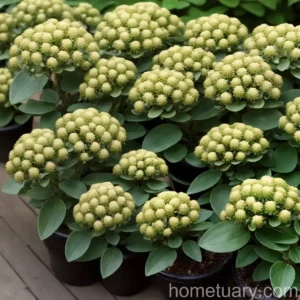
Euphorbia polychroma (Cushion Spurge): A Plant Lover’s Delight
Plants are not just essential for the environment and our existence, but they also hold significant aesthetic and functional value in our lives. The world of plants is diverse and fascinating, offering a wide array of species, each with its unique characteristics and benefits. In this blog post, we delve into the enchanting world of Euphorbia polychroma, commonly known as Cushion Spurge, to explore its characteristics, uses, and care tips. Whether you are a gardening enthusiast, a landscaping professional, or someone who simply appreciates the beauty of nature, the Cushion Spurge plant has something extraordinary to offer.
What is Euphorbia polychroma (Cushion Spurge)?
Euphorbia polychroma, a member of the genus Euphorbia, is a perennial flowering plant known for its vibrant foliage and stunning floral displays. It is native to Europe and Asia and belongs to the family Euphorbiaceae. The plant is cherished for its low-maintenance nature, making it a popular choice for gardens, landscapes, and even containers.
Key Takeaways – Euphorbia polychroma (Cushion Spurge)
Before we delve deeper into the specific aspects of this captivating plant, let’s take a quick look at the key takeaways of the Euphorbia polychroma, also known as Cushion Spurge. These takeaways will guide us through the various aspects we will explore in this blog post, from its cultural needs to its uses, unique features to its care requirements.
- Euphorbia polychroma Benefits: Discover the functional and aesthetic benefits of incorporating Cushion Spurge in your surroundings.
- Euphorbia polychroma Care: Explore the essential care tips to ensure the optimal growth and health of the plant.
- Cushion Spurge for Landscaping: Learn about the potential of Euphorbia polychroma in transforming and enhancing landscapes.
- Euphorbia polychroma Characteristics: Uncover the unique traits and features that set Cushion Spurge apart from other plants.
- Euphorbia polychroma Propagation Methods: Gain insights into the ways to propagate and expand your Euphorbia polychroma collection.
Now, let’s explore each of these aspects in more detail to gain a comprehensive understanding of Euphorbia polychroma.
Culture
Understanding the cultural needs of Euphorbia polychroma is crucial for ensuring its successful growth and development. Below are the key cultural aspects that influence the plant’s overall well-being.
Uses
Euphorbia polychroma, or Cushion Spurge, serves various purposes, from its ornamental value to its potential in traditional herbal practices.
Ornamental Use
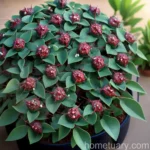
The plant is widely admired for its captivating display of flowers and striking foliage. Its vibrant yellow bracts and lovable compact mounds make it a popular choice for adding visual interest to gardens, borders, and rockeries.
Medicinal Uses
Beyond its ornamental appeal, some species of the Euphorbia genus have been used in traditional medicine for their purported medicinal properties. However, it’s important to note that the medicinal uses of Euphorbia polychroma should only be explored under the guidance of a qualified herbalist or medical professional.
Water
Euphorbia polychroma is known for its tolerance to drought conditions, making it a suitable choice for water-wise gardens or regions with limited water availability. While the plant is resilient in dry conditions, it’s essential to provide adequate watering, especially during the establishment phase and prolonged dry spells.
Sunlight
Cushion Spurge thrives in full sunlight to partial shade. It prefers well-draining soil under direct sunlight but can also adapt to shadier conditions, making it versatile for various garden environments.
Fertilizer
The Euphorbia polychroma plant is not particularly demanding when it comes to fertilization. A balanced, all-purpose fertilizer applied in early spring as new growth emerges can support healthy development and robust flowering.
Soil
The plant exhibits a preference for well-draining, moderately fertile soil. It is adaptable to various soil types, including sandy and loamy soils, as long as they offer good drainage.
Pruning
Pruning Euphorbia polychroma is relatively simple. To maintain its compact shape and encourage new growth, the plant can be cut back after flowering or in early spring. It’s important to wear gloves and take care when handling Euphorbia species as their milky sap can be a skin irritant and cause irritation to the eyes and mouth.
Propagation
Propagating Euphorbia polychroma can be achieved through various methods, including division and stem cuttings. Division is commonly practiced in early spring, while stem cuttings can be taken in late spring to early summer for successful propagation.
Container Popularity
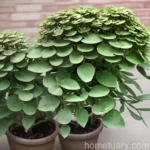
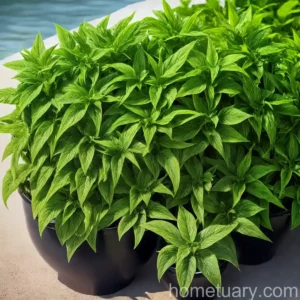
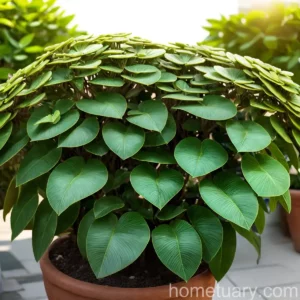
Euphorbia polychroma’s compact and tidy growth habit makes it an excellent choice for container gardening. It adds a bright and cheerful touch to outdoor spaces and can be easily moved to different locations to suit seasonal or aesthetic preferences.
Container Common Diseases
While Euphorbia polychroma is generally resistant to most pests and diseases, it’s important to be aware of potential issues that may affect the plant’s health. Common diseases that may impact Euphorbia polychroma include:
- Powdery Mildew: This fungal disease can affect the plant, especially in humid or poorly ventilated conditions. It presents as a powdery, white substance on the leaves and stems.
- Root Rot: Excessive moisture or poorly draining soil can lead to root rot, which can affect the plant’s overall health and vigor.
Disease Diagnosis
Diagnosing diseases in Euphorbia polychroma involves careful observation of the plant’s physical symptoms, including discoloration, wilting, or abnormal growth patterns. In cases where disease is suspected, prompt action should be taken to mitigate its impact and prevent further spread.
Common Pests
Aphids
Aphids are common pests that may infest Euphorbia polychroma, particularly during the growing season. These small, soft-bodied insects feed on plant sap and can cause damage to the foliage if left unchecked.
Spider Mites
Spider mites are another potential pest that may affect Euphorbia polychroma. They are known for causing stippling or discoloration of the leaves and can impair the plant’s overall health.
Botanist’s Tips
As a plant enthusiast and botanist, there are several key tips I would like to share for cultivating and appreciating Euphorbia polychroma:
- Wear Protective Gear: When handling Euphorbia polychroma or any Euphorbia species, it’s crucial to wear gloves and eye protection to avoid contact with the plant’s milky sap, which can cause skin irritation.
- Mindful Pruning: Exercise caution when pruning or cutting back Euphorbia polychroma to minimize contact with the sap and prevent potential skin or eye irritation.
- Appreciate Unique Foliage: Embrace the distinct foliage of Cushion Spurge, which adds an attractive and vibrant element to garden spaces throughout the growing season.
Fun Facts
Uncover some fascinating and lesser-known facts about Euphorbia polychroma:
- The name “Cushion Spurge” is derived from the plant’s low, mounding growth habit, resembling a cushion or mound.
- While the plant is renowned for its yellow bracts and flowers, some cultivated varieties offer additional color variations, including orange and red hues.
Links to External Resources
To further expand your knowledge and appreciation of Euphorbia polychroma, I recommend exploring the following external resources:
- The Royal Horticultural Society: Detailed information on the cultivation and care of Euphorbia polychroma.
- Missouri Botanical Garden: A comprehensive plant guide providing insights into the characteristics and uses of Cushion Spurge.
- University of Wisconsin-Madison Division of Extension: Valuable insights into the landscaping and horticultural potential of Euphorbia polychroma.
As we conclude our exploration of Euphorbia polychroma, it’s evident that this remarkable plant offers a wealth of benefits, from its ornamental allure to its adaptable nature. Whether you are considering its incorporation into your garden or seeking to expand your knowledge of unique plant species, the Cushion Spurge plant stands as a testament to the beauty and resilience of nature.
In closing, I hope this blog post has ignited your curiosity and appreciation for Euphorbia polychroma, encouraging you to explore the wonders of this delightful plant further. Whether it’s the vibrant colors of its flowers, the low-maintenance care requirements, or its potential for transformative landscaping, Euphorbia polychroma is an enchanting addition to any botanical enthusiast’s repertoire.