Euonymus Japonicus ‘Microphyllus Aureovariegatus’ (Japanese Spindle)
Euonymus japonicus ‘Microphyllus Aureovariegatus’, commonly known as the Japanese Spindle, is a popular and versatile evergreen shrub that belongs to the.
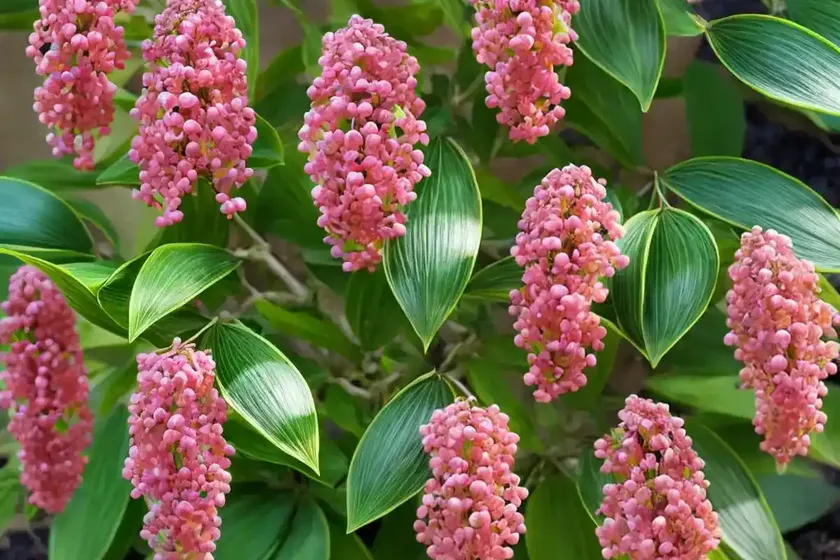
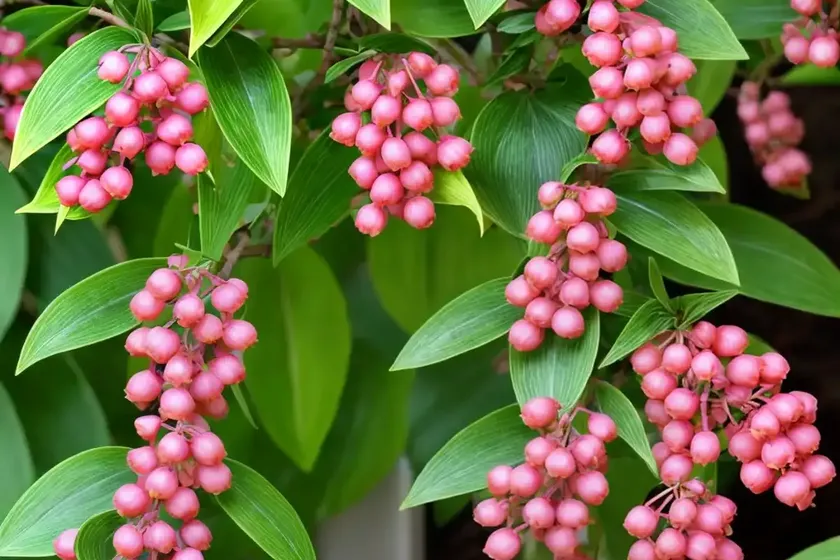
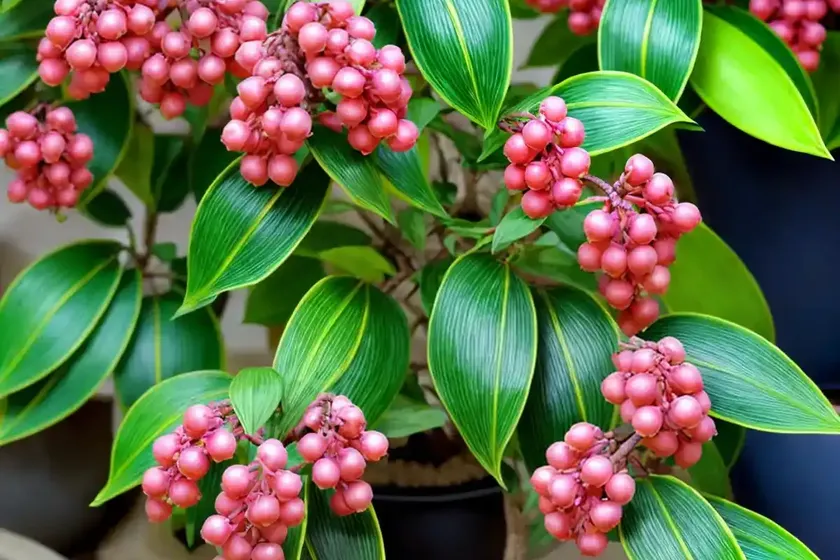
Euonymus japonicus ‘Microphyllus Aureovariegatus’, commonly known as the Japanese Spindle, is a popular and versatile evergreen shrub that belongs to the Celastraceae family. This ornamental plant is known for its attractive foliage and adaptability to various environmental conditions, making it a favorite choice for landscapes and gardens. In this comprehensive guide, we will explore the cultivation, care, and uses of Euonymus japonicus ‘Microphyllus Aureovariegatus’, along with tips for propagation, pruning, and addressing common diseases and pests.
What is Euonymus japonicus ‘Microphyllus Aureovariegatus’?
Euonymus japonicus ‘Microphyllus Aureovariegatus’ is a cultivar of the species Euonymus japonicus, which is native to East Asia, including Japan, Korea, and China. This evergreen shrub is prized for its dense, compact growth habit and striking variegated foliage. The leaves are small, glossy, and oval-shaped, with a distinctive creamy yellow to golden margin that contrasts beautifully with the deep green center. This variegated pattern adds visual interest and brightens up the landscape throughout the year.
Key Takeaways – Euonymus japonicus ‘Microphyllus Aureovariegatus’
Before delving into the specific care and maintenance aspects of Euonymus japonicus ‘Microphyllus Aureovariegatus’, it’s essential to understand some key takeaways about this plant:
- Scientific Name: Euonymus japonicus ‘Microphyllus Aureovariegatus’
- Common Name: Japanese Spindle
- Family: Celastraceae
- Foliage: Evergreen
- Foliage Color: Variegated (green with creamy yellow to golden margins)
- Growth Habit: Compact, dense
- Mature Height: 3 to 6 feet
- Mature Spread: 3 to 4 feet
- USDA Hardiness Zones: 6 to 9
- Uses: Hedges, borders, foundation plantings, containers
- Notable Feature: Attractive variegated foliage
With these key points in mind, let’s explore the specific cultivation and care requirements for Euonymus japonicus ‘Microphyllus Aureovariegatus’ to ensure its optimal growth and health.
Culture
Cultivating Euonymus japonicus ‘Microphyllus Aureovariegatus’ involves providing the appropriate growing conditions to support its development and to enhance its ornamental features. Understanding the cultural requirements of this plant is crucial for ensuring its long-term vitality and aesthetic appeal.
Uses
The Japanese Spindle (Euonymus japonicus ‘Microphyllus Aureovariegatus’) offers a range of uses in both residential and commercial landscapes. Its versatility and decorative attributes make it suitable for various applications, including:
-
Hedges: The dense growth habit and variegated foliage make it an excellent choice for creating formal or informal hedges. It can be pruned to maintain a desired height and shape, adding structure and visual interest to garden borders.
-
Borders and Edging: As a compact shrub, it can be used to define borders and pathways, providing a neat and polished appearance to garden beds and walkways.
-
Foundation Plantings: Planted near buildings or structures, Euonymus japonicus ‘Microphyllus Aureovariegatus’ adds greenery and texture to the foundation, softening the transition between architecture and the surrounding landscape.
-
Containers: Its adaptability to container growth makes it suitable for patio planters, entryway arrangements, and adding greenery to balconies and outdoor living spaces.
Water
Proper watering is essential for the health and vigor of Euonymus japonicus ‘Microphyllus Aureovariegatus’. While this shrub exhibits moderate drought tolerance once established, consistent moisture is crucial during its initial establishment and periods of prolonged dryness.
-
Establishment: Newly planted specimens require regular watering to promote root establishment. Provide supplemental irrigation as needed to keep the root ball consistently moist, especially during the first growing season.
-
Mature Plants: Once established, Japanese Spindles are moderately drought-tolerant and can withstand brief dry spells. However, it is important to monitor the soil moisture and provide supplemental watering during extended periods of drought to prevent stress and dehydration.
-
Watering Frequency: Watering frequency can vary depending on factors such as climate, soil type, and overall environmental conditions. It is generally advisable to water deeply but infrequently, allowing the soil to partially dry out between watering sessions to encourage healthy root development.
-
Signs of Underwatering: Drooping, wilting, or yellowing foliage may indicate insufficient water. Adjust the watering frequency and volume to ensure proper hydration and reduce the risk of water stress.
Sunlight
Euonymus japonicus ‘Microphyllus Aureovariegatus’ thrives in locations with ample sunlight, although it can tolerate partial shade under certain conditions. Providing the appropriate sunlight exposure is fundamental to promoting robust growth and enhancing the coloration of its variegated foliage.
-
Full Sun: Planting Japanese Spindle in a site that receives full sun to partial shade is ideal for optimal growth and foliage development. Full sun exposure helps intensify the variegated coloration and ensures vigorous, compact growth.
-
Partial Shade: While the Japanese Spindle prefers full sun, it can tolerate partial shade, particularly in regions with intense heat or during the hottest part of the day. In such cases, providing dappled sunlight or partial shading can protect the plant from excessive heat and sunburn.
-
Sunlight Requirements: Aim to provide at least 4 to 6 hours of direct sunlight daily for Euonymus japonicus ‘Microphyllus Aureovariegatus’ to maintain its health and vibrant variegation.
Fertilizer
Fertilizing Japanese Spindle plants is essential for supplying the necessary nutrients to support robust growth and vibrant foliage. Understanding the fertilizer requirements and application techniques can help optimize the plant’s health and ornamental qualities.
-
Balanced Fertilizer: Use a balanced, slow-release fertilizer formulated for woody plants and shrubs to promote healthy growth and vibrant foliage. An NPK (nitrogen-phosphorus-potassium) ratio of 10-10-10 or similar is suitable for Euonymus japonicus ‘Microphyllus Aureovariegatus’.
-
Application Timing: Apply fertilizer in early spring before the start of active growth to provide a nutrient boost for the growing season. Refrain from fertilizing in late summer or fall to avoid stimulating tender new growth that may be susceptible to frost damage.
-
Even Distribution: Spread the fertilizer evenly around the root zone of the plant, avoiding direct contact with the stems or foliage. Water the area thoroughly after application to facilitate the absorption of nutrients into the soil.
-
Avoid Excessive Fertilization: Overfertilization can lead to excessive foliage growth at the expense of overall plant health and may increase susceptibility to certain pests and diseases. Follow the recommended dosage and frequency specified on the fertilizer label.
Soil
The soil composition and quality significantly influence the overall health and performance of Euonymus japonicus ‘Microphyllus Aureovariegatus’. Understanding the preferred soil characteristics and making necessary amendments can create an optimal growing environment for this ornamental shrub.
-
Well-Draining Soil: Japanese Spindle plants thrive in well-draining soil to prevent waterlogging and minimize the risk of root rot. Amending heavy or compacted soils with organic matter, such as compost or peat moss, can improve drainage and soil structure.
-
pH Range: Euonymus japonicus ‘Microphyllus Aureovariegatus’ prefers slightly acidic to slightly alkaline soil with a pH range between 6.0 and 7.5. Conducting a soil test can help determine the existing pH level and guide appropriate soil amendments, if necessary.
-
Soil Moisture: While Japanese Spindle plants prefer moist soil, they are tolerant of a range of moisture conditions once established. Avoid waterlogged or excessively dry soil to maintain a balance of moisture for optimal growth and health.
-
Mulching: Applying a layer of organic mulch around the base of the plant helps conserve soil moisture, suppress weed growth, and insulate the root system. Mulch with materials such as shredded bark, wood chips, or compost, maintaining a depth of 2 to 3 inches to provide these benefits.
Pruning
Proper pruning is an essential aspect of Euonymus japonicus ‘Microphyllus Aureovariegatus’ care, contributing to its overall appearance, health, and longevity. Regular pruning helps maintain a tidy, compact form and can be used to correct growth irregularities or rejuvenate the plant as needed.
-
Timing: The best time to prune Japanese Spindle plants is in late winter to early spring before the onset of new growth. This timing allows for the removal of dead or damaged branches and shaping the plant before the growing season.
-
Sanitization: Use clean, sharp pruning tools to ensure precise cuts and minimize the risk of disease transmission. Disinfect the pruning tools with a solution of 70% isopropyl alcohol or a household disinfectant before and after each use, particularly when dealing with potentially diseased foliage.
-
Pruning Techniques: When pruning Euonymus japonicus ‘Microphyllus Aureovariegatus’, focus on removing dead, diseased, or crossing branches to improve airflow and overall plant health. Light shaping and selective thinning can also promote a dense, well-branched structure and encourage new growth.
-
Rejuvenation Pruning: In the event of overgrown or leggy growth, rejuvenation pruning can be employed to renew the plant’s vigor and reshape its form. This drastic pruning technique entails cutting back the plant to near-ground level, allowing it to regrow from the base.
Propagation
Euonymus japonicus ‘Microphyllus Aureovariegatus’ can be propagated through several methods, including softwood cuttings, semi-hardwood cuttings, and seeds. Each propagation technique offers various benefits and considerations, allowing gardeners to expand their plant collection or share specimens with others.
-
Softwood Cuttings: Softwood cuttings, taken from the current season’s new growth, can be rooted to produce new plants. The optimal time for taking softwood cuttings is in late spring to early summer when the stems are actively growing and exhibit tender, flexible growth.
-
Semi-Hardwood Cuttings: Semi-hardwood cuttings, harvested from partially matured stems, provide a reliable propagation method for Euonymus japonicus ‘Microphyllus Aureovariegatus’. Gather semi-hardwood cuttings in late summer or early autumn, selecting healthy, non-flowering shoots for the best results.
-
Seeds: Propagating Japanese Spindle plants from seeds is another option, although it may take longer to produce mature plants compared to vegetative propagation methods. Collect ripe seed capsules in the fall, extract the seeds, and sow them in seed-starting trays or pots filled with a well-draining, moist growing medium.
-
Rooting Hormone: Applying a rooting hormone solution to the cut ends of the stem cuttings before planting can enhance the rooting process and improve the success rate of propagation. Follow the manufacturer’s instructions for mixing and applying the rooting hormone to the cuttings.
Container Popularity
Euonymus japonicus ‘Microphyllus Aureovariegatus’ exhibits popularity in container gardening due to its manageable size, attractive foliage, and adaptability to container growth. Growing Japanese Spindle plants in containers offers flexibility in placement and allows individuals with limited garden space to enjoy the ornamental qualities of this shrub.
-
Container Selection: Choose a container with sufficient drainage holes and a size proportional to the plant’s root system. Selecting a lightweight, durable material such as plastic, fiberglass, or composite can facilitate handling and maintenance.
-
Growing Medium: Fill the container with a well-draining potting mix formulated for woody plants or shrubs. Consider adding a layer of gravel or broken pottery shards at the base to promote drainage and prevent the soil from compacting over time.
-
Placement: Position the container in a location that receives the recommended sunlight exposure for Euonymus japonicus ‘Microphyllus Aureovariegatus’, ensuring adequate air circulation and space for growth. Rotate the container periodically to promote even growth and prevent one-sided development.
-
Watering and Fertilization: Container-grown Japanese Spindle plants may require more frequent watering compared to those grown in the ground, as containers can dry out more quickly. Monitor the soil moisture and provide regular fertilization during the growing season according to the plant’s needs.
-
Overwintering: In regions with cold winters, consider overwintering container-grown Euonymus japonicus ‘Microphyllus Aureovariegatus’ in a protected location or insulating the container to shield the roots from freezing temperatures. Water the plant sparingly during dormancy to prevent dehydration.
Common Diseases
While Euonymus japonicus ‘Microphyllus Aureovariegatus’ is relatively resilient, it may be susceptible to certain diseases under unfavorable growing conditions or environmental stress. Recognizing the symptoms and implementing preventive measures can help protect the plant from disease-related issues.
-
Powdery Mildew: Powdery mildew, characterized by a white or gray powdery coating on the foliage, can affect Japanese Spindle plants, particularly in humid or poorly ventilated environments. Improving air circulation and avoiding overhead watering can help reduce the risk of powdery mildew.
-
Leaf Spot: Leaf spot diseases, including anthracnose and cercospora leaf spot, can cause dark lesions or spots on the leaves, leading to premature defoliation and aesthetic decline. Ensuring proper sanitation and removing and disposing of infected plant debris can help manage leaf spot diseases.
-
Root Rot: Excessive soil moisture or poorly drained conditions can contribute to root rot, leading to root damage and decline in plant health. To prevent root rot, use well-draining soil, avoid overwatering, and address any drainage issues in the planting area.
-
Cankers: Cankers may develop on the stems or branches of Euonymus japonicus ‘Microphyllus Aureovariegatus’, appearing as sunken or discolored areas with roughened bark. Pruning out and destroying affected branches and promoting overall plant vigor can help manage canker diseases.
-
Viral Diseases: Various viral diseases can affect Japanese Spindle plants, causing symptoms such as leaf mottling, distortion, or stunted growth. Implementing proper sanitation practices, including disinfecting pruning tools, and promoting plant health through adequate care can help minimize viral disease incidence.
Disease Diagnosis
Diagnosing and identifying diseases affecting Euonymus japonicus ‘Microphyllus Aureovariegatus’ involves assessing the plant for specific symptoms and signs of distress. With a careful examination of the foliage, stems, and overall plant health, it is possible to pinpoint the potential disease issues and take appropriate remedial measures.
-
Symptom Recognition: Familiarize yourself with the common symptoms associated with various plant diseases, such as wilting, discoloration, spots, lesions, or abnormal growth patterns. These symptoms can provide valuable clues for diagnosing the underlying issue.
-
Examination of Foliage: Inspect the foliage for any abnormal coloration, spots, or deformities, paying particular attention to the upper and lower leaf surfaces. Note any changes in leaf texture, including wilting, curling, or necrosis.
-
Stem and Branch Assessment: Check for signs of cankers, lesions, or abnormal growth on the stems and branches. Closely examine the bark for any discoloration, sunken areas, or unusual texture that may indicate disease-related issues.
-
Root Inspection: In cases of suspected root rot or soil-borne diseases, gently dig around the base of the plant to examine the roots. Healthy roots should appear firm, white, and free of foul odors, while diseased roots may exhibit discoloration, decay, or a mushy texture.
-
Professional Consultation: If you encounter difficulties in diagnosing potential diseases or are uncertain about the best course of action, consider seeking guidance from local extension services, plant diagnostic laboratories, or certified arborists for accurate diagnosis and management recommendations.
Common Pests
Euonymus japonicus ‘Microphyllus Aureovariegatus’ is relatively resistant to many pests but can occasionally be affected by certain insects and mites. Understanding the common pests that may target Japanese Spindle plants can help preemptively address infestations and minimize potential damage.
-
Scale Insects: Scale insects can infest Japanese Spindle plants, appearing as small, immobile pests attached to the stems or on the underside of leaves. These sap-feeding insects can cause yellowing, wilting, and overall plant decline. Prune and destroy heavily infested plant parts and consider applying horticultural oil to control scale populations.
-
Aphids: Aphids are soft-bodied insects that may congregate on the new growth of Japanese Spindle, extracting plant fluids and excreting honeydew. Rinsing the foliage with a strong jet of water or applying insecticidal soap can help manage aphid infestations.
-
Spider Mites: Spider mites are tiny arachnids that can cause stippling, discoloration, and webbing on the foliage of Euonymus japonicus ‘Microphyllus Aureovariegatus’. Regularly misting the plant to increase humidity and employing miticides can help suppress spider mite populations.
-
Euonymus Caterpillar: The larvae of the Euonymus caterpillar can consume the foliage of Japanese Spindle plants, leading to defoliation and aesthetic damage. Handpicking and disposing of caterpillars, or applying Bacillus thuringiensis (Bt) insecticides, can be effective control measures.
-
Leafminers: Leafminer insects create serpentine tunnels or blotches on the leaves of Euonymus japonicus ‘Microphyllus Aureovariegatus’, which can compromise the plant’s aesthetic appeal. Pruning and destroying infested foliage and implementing cultural controls can help manage leafminer infestations.
Botanist’s Tips
As a plant scientist, I am pleased to offer specific tips and recommendations for the successful cultivation and care of Euonymus japonicus ‘Microphyllus Aureovariegatus’ based on scientific knowledge and practical experience:
-
Cultural Adaptability: Japanese Spindle plants exhibit versatility and adaptability to various growing conditions, making them suitable for different landscapes and gardening styles. Embrace this adaptability and experiment with different applications to fully appreciate the plant’s ornamental potential.
-
Vigilant Monitoring: Regularly monitor the health and condition of Euonymus japonicus ‘Microphyllus Aureovariegatus’ to promptly identify and address any issues related to pests, diseases, or environmental stress. Effective monitoring can help prevent potential problems and promote plant resilience.
-
Holistic Plant Health: Focus on holistic plant health by incorporating sustainable gardening practices, including soil improvement, water conservation, and integrated pest management. A balanced approach to plant care promotes the well-being of Japanese Spindle and its surrounding ecosystem.
-
Educational Outreach: Share your knowledge and passion for plants by engaging with fellow gardening enthusiasts, local communities, and educational