Euonymus Fortunei ‘Coloratus’ (Purple Wintercreeper)
In the world of landscaping and gardening, there are many varieties of plants that serve as ground cover, ornamental features, and even climbers. The.
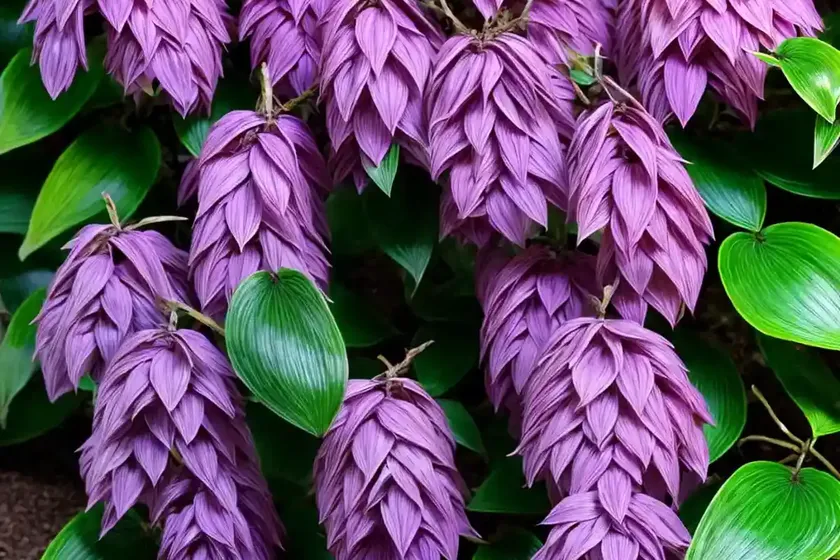
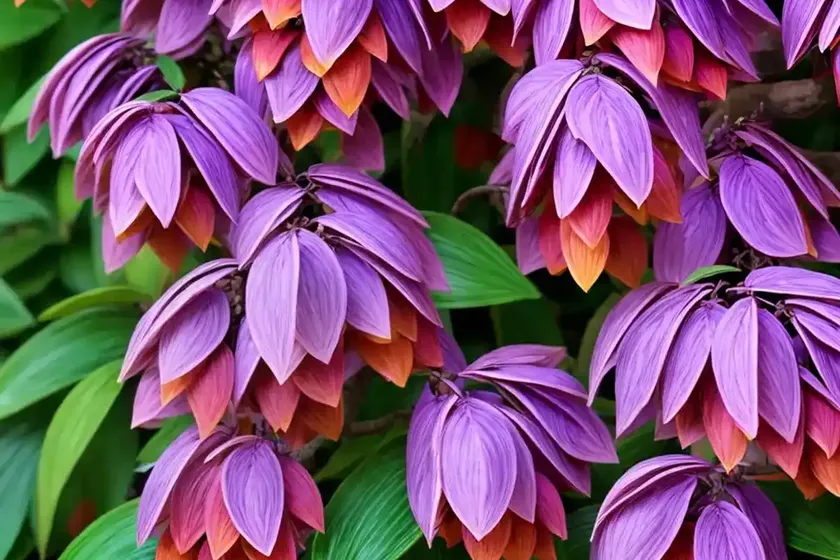
In the world of landscaping and gardening, there are many varieties of plants that serve as ground cover, ornamental features, and even climbers. The Purple Wintercreeper plant, scientifically known as Euonymus fortunei ‘Coloratus’, is one such versatile and visually appealing plant. This plant, often praised for its low maintenance nature and beautiful foliage, has gained popularity among gardeners and landscapers, especially for its vibrant and attractive purple leaves.
Throughout this comprehensive guide, we will delve into the various aspects of this fascinating plant, Euonymus fortunei ‘Coloratus’, including its cultural requirements, uses, care tips, common diseases and pests, and some interesting botanist’s tips. By the end of this article, you will have gained a deep understanding of the Purple Wintercreeper and how to successfully cultivate and care for it.
Key Takeaways – Euonymus fortunei ‘Coloratus’ (Purple Wintercreeper)
Before we explore this captivating plant in detail, let’s take a quick look at the key takeaways regarding Euonymus fortunei ‘Coloratus’:
- Botanical Name: Euonymus fortunei ‘Coloratus’
- Common Name: Purple Wintercreeper
- Plant Type: Evergreen ground cover plant, ornamental vine
- Foliage Color: Shades of vibrant purple
- Growth Habit: Trailing and climbing
- Cultural Requirements: Low maintenance, drought-tolerant, suitable for various light conditions
- Uses: Ground cover, privacy screens, ornamental purposes
- Potential Height: Up to 2 feet
- Hardiness Zone: 4-8
- Common Pests: Scale insects, aphids
- Common Diseases: Powdery mildew, leaf spot
- Propagation: Easily propagated through stem cuttings
- Popularity: Widely used in landscapes and gardens for its unique color and versatility
With these key takeaways in mind, let’s proceed to explore the various aspects and characteristics of the Purple Wintercreeper plant.
What is Euonymus fortunei ‘Coloratus’ (Purple Wintercreeper)?
Euonymus fortunei ‘Coloratus’, commonly referred to as Purple Wintercreeper, is an evergreen plant known for its stunning and colorful foliage. This plant is a part of the Celastraceae family and is native to East Asia, including China, Japan, Korea, and the Philippines. It is widely cultivated and appreciated for its ability to provide year-round interest and its versatility in various landscaping applications.
The Purple Wintercreeper is celebrated for its exceptional tolerance to different light conditions, making it suitable for both sunny and shaded areas. This adaptability, along with its minimal maintenance requirements, makes it an ideal choice for both amateur and experienced gardeners.
Key Features of Euonymus fortunei ‘Coloratus’:
To understand the plant in more depth, let’s explore some of its key features:
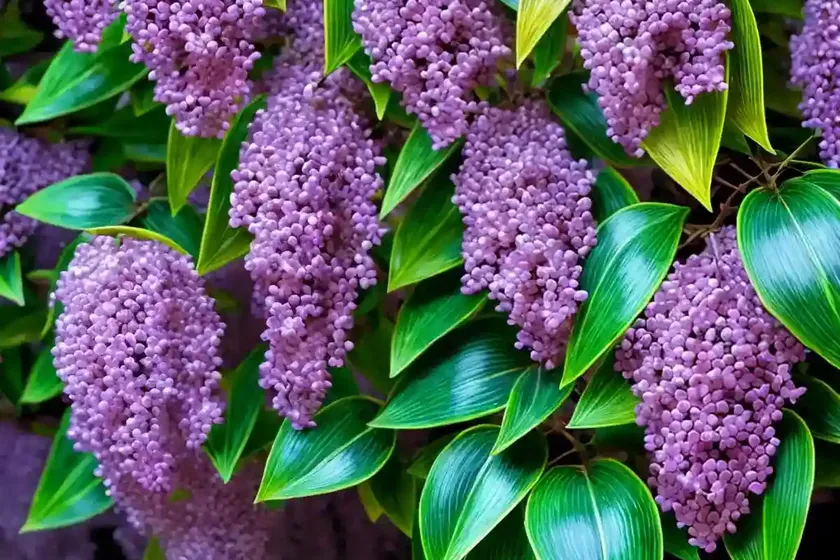
– Foliage: The most striking feature of Euonymus fortunei ‘Coloratus’ is its vibrant purple foliage, which makes it an eye-catching plant in any landscape. The leaves are oval-shaped and typically exhibit variegation with shades ranging from deep green to rich purple.
– Growth Habit: This plant has a trailing and climbing growth habit, making it suitable for ground cover, border edging, and even as a climbing vine on supporting structures.
– Versatility: Purple Wintercreeper is known for its versatility, as it can serve as a ground cover, a trailing vine, or a climbing plant, depending on how it is utilized in the landscape design.
With its distinctive features and adaptability, Euonymus fortunei ‘Coloratus’ has become a popular choice for adding color and texture to various outdoor spaces.
Culture
Cultivating and successfully maintaining the Purple Wintercreeper plant involves ensuring that it receives the appropriate cultural requirements. Let’s explore the specific cultural aspects that are essential for the healthy growth of Euonymus fortunei ‘Coloratus’.
Water
Proper watering is crucial for the well-being of Purple Wintercreeper plants. While established plants exhibit good drought tolerance, it is important to provide regular watering, especially during periods of extreme heat or prolonged dry spells. Adequate moisture is essential for the plant to establish its roots and thrive. However, it is equally important to avoid overwatering, as excessive moisture can lead to root rot and other moisture-related issues.
Sunlight
One of the remarkable characteristics of Euonymus fortunei ‘Coloratus’ is its adaptability to varying light conditions. It can thrive in full sun to partial shade, making it suitable for a wide range of outdoor environments. When planted in full sun, the purple foliage of the Wintercreeper tends to exhibit a more intense and vibrant color, while in partial shade, the plant maintains its attractive appearance with slightly less intense hues.
Fertilizer
To promote healthy growth and vibrant foliage, Purple Wintercreeper plants benefit from periodic fertilization. A balanced, slow-release fertilizer applied in the early spring provides essential nutrients that support the plant’s overall vigor and color development. It is important to follow recommended dosage and application instructions to prevent over-fertilization, which can lead to adverse effects on the plant.
Soil
Purple Wintercreeper thrives in well-draining soil that is rich in organic matter. It is adaptable to various soil types, including sandy loam, clay, and loamy soils. Prior to planting, amending the soil with organic compost or peat moss can further enhance its ability to support healthy growth. Additionally, maintaining a slightly acidic to neutral soil pH level (between 6.0 to 7.5) is beneficial for the plant’s optimal development.
Pruning
Pruning is an important aspect of managing the growth and appearance of Euonymus fortunei ‘Coloratus’. Regular pruning helps maintain a neat and compact form, especially when used as ground cover or border edging. Additionally, pruning can be employed to control its growth as a climbing vine or to remove any dead or diseased parts.
Tips for Pruning Purple Wintercreeper:
- Regular Maintenance: Perform light pruning throughout the growing season to shape the plant and remove any stray or overgrown branches.
- Annual Pruning: In early spring, conduct more comprehensive pruning to remove any winter damage and to shape the plant according to the desired design.
- Promoting Branching: To encourage a denser growth habit, selectively prune the tips of branches, which can stimulate the development of new lateral growth.
Pruning should be carried out using clean and sharp pruning tools to prevent damage and minimize the risk of disease transmission. By implementing proper pruning techniques, the Purple Wintercreeper can maintain its attractive appearance and remain a valuable asset in the landscape.
Propagation
Propagating Euonymus fortunei ‘Coloratus’ can be achieved through several methods, including stem cuttings and layering. Propagation offers the opportunity to expand the plant’s presence in the landscape or to share its beauty with others.
Stem Cuttings:
- Selecting Cuttings: Choose healthy, non-flowering stems for cuttings, typically at a length of 4-6 inches.
- Preparation: Remove the lower leaves from the cuttings and dip the cut ends in a rooting hormone to promote root development.
- Planting Cuttings: Plant the cuttings in a well-draining potting mix and maintain consistent moisture levels until roots are established.
Stem cuttings taken in late spring or early summer tend to root successfully, subsequently producing new plants that inherit the desirable traits of the parent Euonymus fortunei ‘Coloratus’.
Container Popularity
The Purple Wintercreeper has gained popularity as a container plant, adding a burst of color and texture to outdoor spaces and garden beds. Its cascading growth habit and vibrant foliage make it an appealing choice for container gardening, where it can be showcased as a trailing accent or even trained as a climbing vine on trellises or arbors.
Container Care Tips:
- Well-Draining Soil: Utilize a well-draining potting mix to ensure adequate drainage and prevent waterlogging.
- Light Requirements: Position the containers in locations that provide the desired light conditions, whether it be full sun or partial shade.
- Watering: Monitor the moisture levels of the potting mix and water the plant as needed to maintain optimal soil moisture.
Container-grown Euonymus fortunei ‘Coloratus’ offers the flexibility to enhance various outdoor settings, including patios, balconies, and entryways, with its captivating purple foliage and elegant trailing or climbing growth.
Common Diseases
While Purple Wintercreeper is known for its resilience, it can be susceptible to certain diseases, particularly under unfavorable growing conditions. Understanding and identifying these diseases is crucial for implementing appropriate management strategies.
Disease Diagnosis
Some of the common diseases that may affect Euonymus fortunei ‘Coloratus’ include:
– Powdery Mildew: Characterized by a white powdery growth on the foliage, powdery mildew can weaken the plant and affect its overall appearance.
– Leaf Spot: This fungal disease presents as dark spots on the leaves, leading to leaf discoloration and potential defoliation if left untreated.
Disease Management and Prevention:
- Cultural Practices: Implement proper cultural practices, such as providing adequate air circulation and avoiding overhead watering, to reduce the risk of fungal diseases.
- Pruning: Regularly prune and remove any infected or dead parts of the plant to prevent the spread of diseases.
- Fungicidal Treatments: In severe cases, fungicidal treatments may be used according to labeled instructions to control and manage fungal diseases.
By monitoring the plant’s health and promptly addressing any signs of disease, gardeners can help maintain the vigor and visual appeal of the Purple Wintercreeper.
Common Pests
The resilience of Euonymus fortunei ‘Coloratus’ may be challenged by certain pests, which can compromise its growth and appearance if left unchecked. Being aware of these common pests enables gardeners to proactively manage and protect their Purple Wintercreeper plants.
Common Pests:
- Scale Insects: These small, immobile pests can infest the plant and weaken it by feeding on its sap, leading to stunted growth and yellowing foliage.
- Aphids: Aphids are another common pest that may target the Purple Wintercreeper, causing leaf distortion and a reduction in plant vigor.
Pest Management Strategies:
- Natural Predators: Encouraging the presence of natural predators, such as ladybugs and lacewings, can help control aphid populations.
- Horticultural Oils: Applying horticultural oils can effectively manage scale insects by suffocating them and disrupting their life cycle.
Vigilance and prompt action are essential in addressing pest infestations, ensuring the continued health and beauty of Euonymus fortunei ‘Coloratus’.
Botanist’s Tips
As a plant scientist, I find Euonymus fortunei ‘Coloratus’ to be a fascinating plant with unique characteristics and versatile applications in landscaping and gardening. Here are some valuable botanist’s tips for cultivating and enjoying the Purple Wintercreeper:
- Varied Landscape Use: Explore the various possibilities of using Purple Wintercreeper in landscaping, whether as a ground cover, accent plant, or ornamental climber.
- Color Combinations: Consider the plant’s vibrant purple foliage when planning color combinations in the garden, as it can serve as an attractive contrast or focal point.
- Seasonal Interest: Appreciate the year-round interest provided by Euonymus fortunei ‘Coloratus’, from its striking foliage in summer to its ability to maintain color during the winter months.
- Visual Impact: Use the trailing and climbing growth habit of the Purple Wintercreeper to create visual interest and dimension in the garden, including cascading over retaining walls or climbing up arbors.
By keeping these botanist’s tips in mind, gardeners and landscapers can fully leverage the ornamental and functional aspects of this captivating plant.
Fun Facts
To enrich our understanding and appreciation of the Purple Wintercreeper, here are some fun and intriguing facts about Euonymus fortunei ‘Coloratus’:
- The Purple Wintercreeper is considered an evergreen plant, retaining its foliage and color throughout the year.
- It is prized for its low maintenance nature, making it an excellent choice for beginner gardeners or those seeking an undemanding yet visually appealing plant.
- Despite its delicate appearance, the Purple Wintercreeper exhibits resilience and can adapt to a wide range of environmental conditions.
- Euonymus fortunei, the species to which ‘Coloratus’ belongs, includes various cultivars with different foliage colors and patterns, offering a diverse range of aesthetic options for landscapes.
- The climbing ability of Purple Wintercreeper makes it suitable for creating living privacy screens and vertical interest in outdoor spaces.
These fun facts highlight the charm and adaptability of Euonymus fortunei ‘Coloratus’, adding depth to the allure of this exceptional plant.
Links to External Resources
For further exploration and detailed information on Euonymus fortunei ‘Coloratus’ and related topics, the following external resources can serve as valuable references:
- Royal Horticultural Society – Euonymus fortunei ‘Coloratus’
- University of Florida IFAS Extension – Purple Wintercreeper
- Missouri Botanical Garden – Euonymus fortunei
- University of Maryland Extension – Ornamental Plants for Pollinators: Euonymus fortunei
- American Society for the Prevention of Cruelty to Animals – Euonymus Toxicity
These resources provide a wealth of knowledge on Purple Wintercreeper and its cultivation, care, and potential uses in various settings.
In conclusion, Euonymus fortunei ‘Coloratus’ (Purple Wintercreeper) is a captivating and valuable addition to any landscape or garden. With its vibrant purple foliage, adaptability, and low maintenance nature, this evergreen plant offers both visual appeal and practical benefits. By understanding its cultural requirements, propagation methods, and management strategies for diseases and pests, gardeners can harness the full potential of this remarkable plant, enhancing the beauty of outdoor environments and creating captivating green spaces. Whether used as a ground cover, ornamental climber, or container plant, the Purple Wintercreeper stands out as a versatile and resilient species that continues to captivate and inspire both novice and seasoned horticulturists alike.