Euonymus Fortunei ‘Canadale Gold’ (Wintercreeper)
Euonymus fortunei ‘Canadale Gold’, commonly known as Wintercreeper, is a delightful evergreen shrub that has gained popularity for its versatile uses in.
Introduction to Euonymus fortunei ‘Canadale Gold’
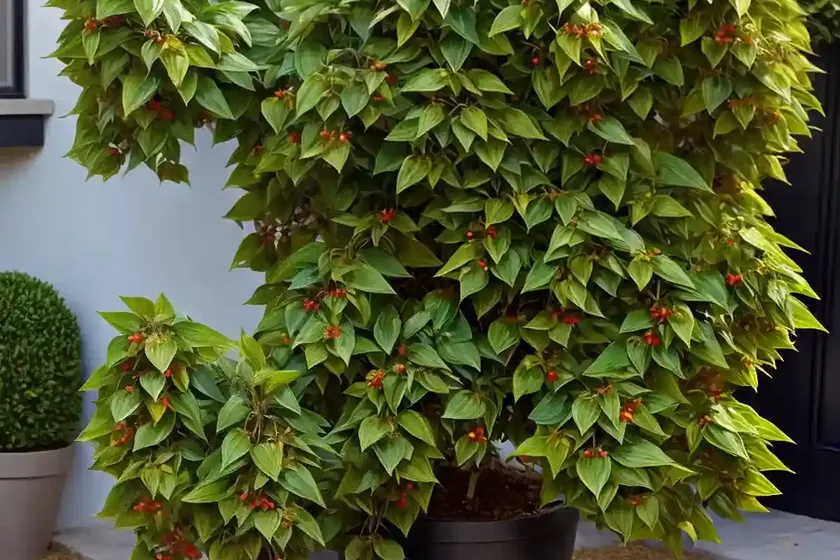
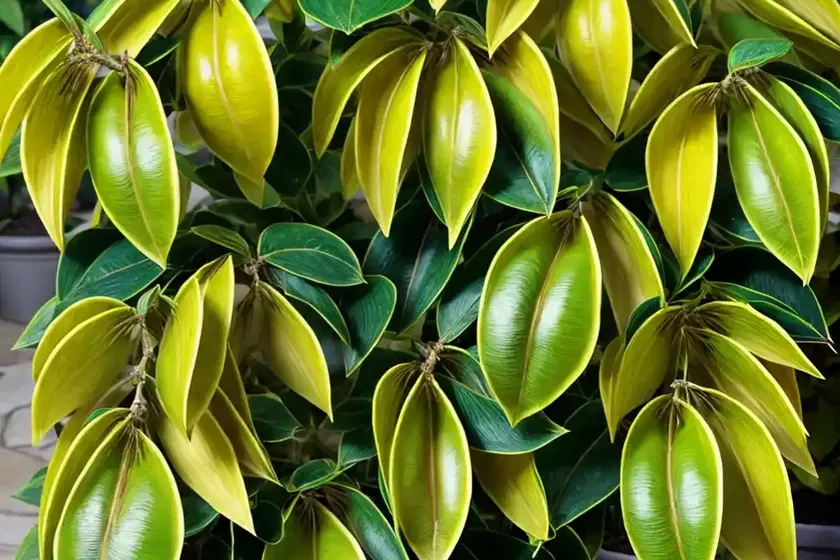
Euonymus fortunei ‘Canadale Gold’, commonly known as Wintercreeper, is a delightful evergreen shrub that has gained popularity for its versatile uses in landscaping, gardening, and even for its air purification abilities. This resilient plant is native to China, Japan, and Korea and belongs to the Celastraceae family. It is known for its vibrant and eye-catching golden-yellow foliage that provides a stunning display all year round, making it a sought-after choice for garden enthusiasts and landscapers.
Key Takeaways – Euonymus fortunei ‘Canadale Gold’ (Wintercreeper)
Let’s delve into the various aspects of the Euonymus fortunei ‘Canadale Gold’ (Wintercreeper) and explore its characteristics, cultivation, maintenance, and its role in the natural ecosystem.
Plant Characteristics
Euonymus fortunei ‘Canadale Gold’ Characteristics
The Euonymus fortunei ‘Canadale Gold’ showcases several noteworthy characteristics that contribute to its charm and desirability as a landscaping plant.
It is imperative for any horticulturist or enthusiast to understand these features before delving into the specific care and maintenance guidelines for this stunning plant. Below are some of the key characteristics of the Euonymus fortunei ‘Canadale Gold’:
- Scientific Name: Euonymus fortunei ‘Canadale Gold’
- Common Name: Wintercreeper
- Plant Type: Evergreen shrub
- Foliage: Distinctive golden-yellow leaves
- Growth Habit: Low-growing and compact
- Mature Height: Typically reaches a height of 1-2 feet
- Hardiness: Suitable for USDA hardiness zones 5-8
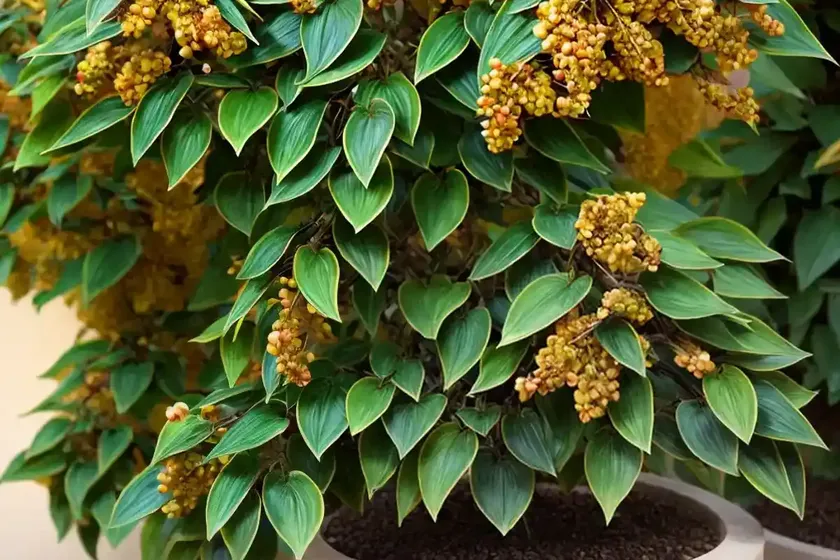
- Blooms: Insignificant flowers; produces ornamental fruit
- Usage: Groundcover, container gardening, and landscape borders
Wintercreeper Plant Care Guide
What Cultivation Practices Suit Euonymus fortunei ‘Canadale Gold’?
To ensure the optimal growth and vitality of Euonymus fortunei ‘Canadale Gold’, it is essential to adhere to specific cultivation practices that cater to its requirements. These include:
Water
- Optimal Moisture: Wintercreeper plants prefer well-drained soil and regular watering, especially during its initial establishment phase.
- Avoid Waterlogging: Ensure that the soil is not waterlogged, as excessive moisture can lead to root rot and other detrimental effects.
Sunlight
- Light Requirement: While Wintercreeper plants tolerate various light conditions, they thrive in partial to full sunlight. Adequate sunlight is crucial for maintaining the vibrant coloration of its foliage.
Soil
- Soil Type: Well-drained, fertile soil with a slightly acidic to neutral pH is ideal for Wintercreeper plants.
- Organic Matter: Amending the soil with organic matter can enhance its quality and provide essential nutrients for the plant’s growth.
Fertilizer
- Balanced Fertilization: Apply a balanced fertilizer in spring to support healthy growth and vibrant foliage.
- Avoid Excess Fertilization: Over-fertilization can lead to excessive foliage growth at the expense of coloration.
Best Practices for Growing Euonymus fortunei ‘Canadale Gold’
To achieve successful growth and long-term sustainability of Euonymus fortunei ‘Canadale Gold’, the following best practices should be considered:
- Regular Monitoring: Periodically inspect the plant for signs of diseases, pests, or nutrient deficiencies.
- Pruning: Regular pruning helps maintain the desired shape and controls the plant’s growth.
- Mulching: Applying mulch around the base of the plant aids in moisture retention and weed suppression.
- Proper Watering: Adequate and consistent watering, especially during dry periods, is crucial for the plant’s well-being.
- Seasonal Care: Adjust care practices according to seasonal changes, such as reduced watering in winter.
Wintercreeper Plant Varieties
Exploring the Diversity of Wintercreeper Plants
The Euonymus fortunei species encompasses a diverse range of cultivars and varieties, each exhibiting unique characteristics and features. Some notable Wintercreeper plant varieties include:
- Euonymus fortunei ‘Emerald ‘n’ Gold’: Known for its vibrant golden-yellow and green variegated foliage.
- Euonymus fortunei ‘Moonshadow’: Showcases a striking contrast with dark green leaves bordered by golden-yellow edges.
- Euonymus fortunei ‘Coloratus’: Renowned for its deep purple to green foliage, providing a rich color palette.
Each variety of Wintercreeper offers a distinct visual appeal and may be selected based on specific landscaping or aesthetic preferences.
Euonymus fortunei ‘Canadale Gold’ Propagation Methods
Propagating Wintercreeper Plants
Propagation of Euonymus fortunei ‘Canadale Gold’ can be achieved through various methods, allowing horticulturists and gardeners to expand their Wintercreeper population. Common propagation techniques for Wintercreeper plants include:
- Stem Cuttings: Utilize semi-hardwood stem cuttings and provide proper environmental conditions for rooting.
- Division: Divide mature Wintercreeper plants to create new individuals, ensuring each division has sufficient roots for successful establishment.
Careful attention to detail and adherence to appropriate propagation guidelines can yield successful results in expanding and propagating Wintercreeper plants.
Wintercreeper Plant Maintenance
Key Maintenance Tasks for Euonymus fortunei ‘Canadale Gold’
Maintenance plays a vital role in sustaining the health and visual appeal of Euonymus fortunei ‘Canadale Gold’ in various settings, including home gardens and landscapes. Essential maintenance tasks for Wintercreeper plants encompass:
- Pruning Techniques: Employ appropriate pruning techniques to control growth and shape the plant while promoting dense foliage.
- Weed Control: Regularly remove weeds from the vicinity of Wintercreeper plants to mitigate competition for essential resources.
- Monitoring Health: Vigilantly monitor the plant for signs of diseases, pests, or nutrient deficiencies to address any issues promptly.
Growing Euonymus fortunei ‘Canadale Gold’ in Different Climates
Adapting Wintercreeper Plants to Diverse Climate Conditions
The adaptability of Euonymus fortunei ‘Canadale Gold’ to different climates enables its cultivation in a wide range of geographic regions. While this plant thrives in temperate climates, its resilience allows it to withstand varied environmental conditions. Horticulturists and gardening enthusiasts can explore the cultivation of Wintercreeper plants in:
- Temperate Zones: Euonymus fortunei ‘Canadale Gold’ flourishes in temperate climates with moderate rainfall and distinct seasons.
- Coastal Regions: Its tolerance to salt spray makes it suitable for coastal landscapes and gardens.
- Harsh Environments: With proper care, Wintercreeper plants can endure mild drought and adapt to urban environments.
Understanding the adaptability of Euonymus fortunei ‘Canadale Gold’ to different climates facilitates its successful cultivation in a multitude of locations.
Wintercreeper Plant Benefits
The Rewards of Incorporating Euonymus fortunei ‘Canadale Gold’
The presence of Euonymus fortunei ‘Canadale Gold’ in landscaping and garden settings offers a myriad of benefits, contributing to the overall appeal and functionality of the space. Some notable benefits of Wintercreeper plants include:
- Year-Round Visual Interest: The evergreen foliage provides vibrant coloration throughout the year, enhancing the visual allure of the surroundings.
- Groundcover Capabilities: Wintercreeper plants serve as an effective groundcover, minimizing soil erosion and suppressing weed growth.
- Low Maintenance: Its resilience and adaptability reduce the need for extensive maintenance efforts, making it a convenient landscaping option.
- Wildlife Attraction: The fruit produced by Wintercreeper plants attracts birds, adding an element of wildlife interaction to the landscape.
Euonymus fortunei ‘Canadale Gold’ Pruning Techniques
Nurturing Healthy Growth and Form through Pruning
Pruning is a critical aspect of maintaining the desired shape, size, and overall vigor of Euonymus fortunei ‘Canadale Gold’ plants. Employing effective pruning techniques ensures the plant’s continued health and visual appeal. Key aspects of Wintercreeper plant pruning include:
- Timing: Prune Wintercreeper plants in late winter or early spring before the onset of new growth.
- Shape Enhancement: Trim and shape the plant to maintain a compact and tidy form.
- Removing Diseased Branches: Promptly eliminate any diseased or damaged branches to prevent the spread of infections.
By mastering appropriate pruning techniques, horticulturists and gardeners can promote the optimal growth and aesthetic value of Wintercreeper plants.
Wintercreeper Plant Diseases and Pest Control
Safeguarding Euonymus fortunei ‘Canadale Gold’ against Adverse Influences
Despite its resilience, Euonymus fortunei ‘Canadale Gold’ is susceptible to certain diseases and pest infestations that can compromise its health and appearance. Understanding and implementing effective disease management and pest control measures is essential for the plant’s well-being. Common diseases and pests that affect Wintercreeper plants include:
Common Diseases
- Powdery Mildew: Recognized by the presence of a white, powdery substance on the foliage, particularly in humid conditions.
- Leaf Spot: Manifests as dark lesions on the leaves, potentially leading to defoliation if severe.
- Crown Gall: Characterized by the formation of galls on the stems and roots due to bacterial infection.
Disease Diagnosis
- Symptom Identification: Thoroughly inspect the plant for symptoms such as discoloration, lesions, or abnormal growth.
- Pathogen Identification: Understanding the causal agents of diseases facilitates the implementation of targeted management strategies.
Common Pests
- Scale Insects: These pests appear as small, immobile bumps on the stems and foliage, draining the plant’s sap.
- Spider Mites: Known for causing stippling on the leaves and forming fine webbing on the plant.
Pest Control Measures
- Mechanical Intervention: Handpick pests when feasible, especially in the case of localized infestations.
- Horticultural Oils and Insecticidal Soaps: Utilize these organic products to effectively manage pest populations while minimizing environmental impact.
Botanist’s Tips for Wintercreeper Plant Cultivation
Expert Recommendations for Euonymus fortunei ‘Canadale Gold’
Drawing from the insights and experiences of botanists and horticultural experts, the following tips offer valuable guidance for the successful cultivation of Euonymus fortunei ‘Canadale Gold’:
- Monitor Soil Moisture: Regularly assess the soil moisture level to avoid both water stress and waterlogging.
- Promote Air Circulation: Ensure adequate spacing between Wintercreeper plants to facilitate air movement and reduce the risk of fungal diseases.
- Mulching: Apply a layer of organic mulch to conserve soil moisture and regulate soil temperature.
These tips, rooted in scientific knowledge and practical experience, contribute to the comprehensive understanding of Wintercreeper plant care.
Fun Facts about Euonymus fortunei ‘Canadale Gold’
Discovering Intriguing Elements of Wintercreeper Plants
As we delve deeper into the world of Euonymus fortunei ‘Canadale Gold’, it is fascinating to uncover some lesser-known yet captivating fun facts about this remarkable plant:
- Wintercreeper plants are considered invasive in certain regions, where their vigorous growth poses ecological concerns.
- The vibrant foliage of Euonymus fortunei ‘Canadale Gold’ offers a stunning visual contrast in mixed plantings and landscapes.
- The fruits of Wintercreeper are ornamental and can persist on the plant through the winter, adding interest to the surroundings.
Links to External Resources
For further exploration and detailed insights into Euonymus fortunei ‘Canadale Gold’ and related topics, the following external resources are recommended:
- Royal Horticultural Society – Euonymus fortunei ‘Canadale Gold’
- Missouri Botanical Garden – Wintercreeper
- University of Florida IFAS Extension – Euonymus fortunei: Wintercreeper
These resources offer authoritative information and reliable guidance for enthusiasts, researchers, and professionals seeking comprehensive knowledge about Wintercreeper plants and related horticultural topics.
Conclusion
Euonymus fortunei ‘Canadale Gold’ (Wintercreeper) stands as a captivating and versatile addition to landscape designs and garden settings, offering year-round visual appeal, resilience, and a host of practical benefits. By comprehensively exploring the cultivation, care, and unique attributes of Wintercreeper plants, enthusiasts and horticultural professionals can further appreciate and harness the potential of this exceptional species.
Through the dissemination of knowledge and adherence to best practices, the integration of Euonymus fortunei ‘Canadale Gold’ into diverse environments contributes to the enhancement of natural spaces and fosters a deeper connection with the botanical world.
By delving into the distinct features, cultivation techniques, and remarkable attributes of Euonymus fortunei ‘Canadale Gold’ (Wintercreeper), this comprehensive article provides a rich resource for plant enthusiasts, horticulturalists, and gardening aficionados seeking in-depth knowledge about this captivating evergreen species.
This article is not intended for diagnostic purposes. Please consult relevant professionals for specific advice related to plant care and management.