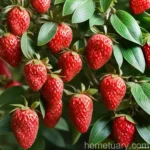
The Allure of Euonymus Alatus (Burning Bush) in the Plant Kingdom
In the realm of horticulture, the plant kingdom offers a myriad of wonders, with each species possessing unique characteristics and qualities that captivate both novice enthusiasts and seasoned experts. Today, we delve into the intriguing world of Euonymus alatus, also known as the Burning Bush, a captivating and versatile shrub that has become a beloved addition to landscapes and gardens.
Through this detailed exploration, we will uncover the key facets of Euonymus alatus, ranging from its cultural requirements to its uses, diseases, and pests. We will also discuss fascinating botanist tips and fun facts about this remarkable plant. Without further ado, let’s embark on this journey of discovery to unravel the allure of the Burning Bush in the plant kingdom.
What is Euonymus alatus (Burning Bush)?
Euonymus alatus, commonly referred to as the Burning Bush, is a deciduous shrub native to East Asia, particularly China, Japan, and Korea. Its distinctive name stems from the vibrant red color of its foliage during the fall season, creating a stunning spectacle that resembles a fiery blaze. The shrub belongs to the Celastraceae family and is characterized by its unique winged branches, which provide additional visual interest throughout the year.
Key Takeaways – Euonymus alatus (Burning Bush)
Before delving into the finer details of this captivating plant, let’s encapsulate the key takeaways:
- Euonymus alatus, also known as the Burning Bush, is a deciduous shrub renowned for its striking red foliage during the fall season.
- It is indigenous to East Asia, specifically China, Japan, and Korea.
- The plant belongs to the Celastraceae family and is distinguished by its distinctive winged branches.
Now that we have established a foundational understanding of Euonymus alatus, we can delve deeper into various aspects of its care and cultivation.
Culture
Understanding the specific cultural requirements of Euonymus alatus is imperative for nurturing its health and promoting its optimal growth. Let’s explore the cultural facets pertaining to this captivating shrub.
Water
Euonymus alatus thrives in well-drained soil and exhibits moderate drought tolerance once established. However, it is crucial to ensure consistent moisture, especially during periods of prolonged dryness. Adequate watering is essential, particularly during the initial stages of establishment and in hot, arid climates.
Sunlight
In terms of sunlight requirements, Euonymus alatus demonstrates a versatile nature, displaying an affinity for both full sun and partial shade. When planted in a location with full sun exposure, the plant tends to exhibit more vibrant fall foliage. On the other hand, partial shade can be advantageous in regions with intense summer heat, providing respite from direct sunlight.
Fertilizer
When it comes to fertilization, Euonymus alatus benefits from a balanced, slow-release fertilizer applied in the early spring. This aids in supporting healthy growth and the development of vibrant foliage. Care should be taken to avoid excessive fertilization, as it can potentially lead to adverse effects on the plant’s overall well-being.
Soil
The Burning Bush thrives in well-drained soil with a slightly acidic to neutral pH. Soil that retains moisture without becoming waterlogged is conducive to the plant’s health and vitality. It is advisable to avoid heavy clay soils, as they can impede proper drainage and lead to root-related issues.
Pruning
Pruning plays a pivotal role in maintaining the desired shape and size of Euonymus alatus, ensuring a neat and tidy appearance in the landscape. Proper pruning techniques are essential to promote healthy growth and encourage the development of vibrant foliage.
Pruning Techniques for Euonymus alatus
- Regular pruning is typically performed during the late winter or early spring, before the onset of new growth. This aids in rejuvenating the plant and removing any damaged or diseased branches.
- It is recommended to prune selectively, focusing on the removal of dead or overgrown branches while preserving the natural form of the shrub.
- Avoid excessive pruning, as it can hinder the plant’s ability to produce an abundant display of fall foliage.
Propagation
The propagation of Euonymus alatus can be achieved through various techniques, including seeds, cuttings, and layering. Each method offers distinct advantages and requires specific considerations for successful propagation.
Propagation Methods for Euonymus alatus
- Seed Propagation: Growing Euonymus alatus from seeds can be an intriguing and rewarding process. To promote germination, it is advisable to sow fresh seeds in a well-draining seed-starting mix and maintain consistent moisture until the seedlings emerge.
- Stem Cuttings: Propagating Euonymus alatus through stem cuttings is a popular method to generate new plants with desirable traits. Select healthy, non-flowering stems for the cuttings and provide the appropriate environmental conditions to foster root development.
- Layering: Layering involves encouraging the formation of roots on a stem that is still attached to the parent plant. This method can be particularly effective for Euonymus alatus and offers the advantage of producing rooted offshoots without the need for extensive intervention.
Container Popularity
Euonymus alatus exhibits a notable level of popularity as a container plant, with its compact growth habit and ornamental foliage making it an appealing choice for container gardening. The plant’s adaptability to container cultivation renders it suitable for various settings, from urban balconies to tranquil patio spaces.
Common Diseases
While Euonymus alatus is generally resilient, it can be susceptible to certain diseases that may affect its overall health if left unaddressed. Understanding the common diseases and their associated symptoms is crucial for implementing timely intervention measures.
Common Diseases of Euonymus alatus
- Powdery Mildew: Characterized by the appearance of powdery white patches on the foliage, powdery mildew can impact the aesthetic appeal of the plant and hinder its photosynthetic capabilities.
- Canker Diseases: Canker diseases, caused by various fungal pathogens, can lead to the formation of sunken lesions on the branches and stems of the plant, potentially resulting in dieback if uncontrolled.
- Anthracnose: This fungal disease can manifest as dark, sunken lesions on the leaves, accompanied by premature leaf drop and overall decline in vigor.
Disease Diagnosis
Diagnosing diseases affecting Euonymus alatus involves a careful examination of the plant’s symptoms and a comprehensive understanding of the common ailments that may afflict it. Timely and accurate diagnosis is essential for implementing targeted treatment strategies.
Diagnosing Diseases in Euonymus alatus
- Visual Inspection: Careful examination of the plant’s foliage, stems, and overall appearance can aid in identifying common disease symptoms such as discoloration, lesions, or powdery coatings.
- Consultation with Experts: Seeking the advice of experienced gardeners or plant pathologists can provide valuable insights into disease diagnosis and management, particularly for complex or uncommon ailments.
- Laboratory Analysis: In cases where the cause of a plant’s decline or unusual symptoms remains unclear, laboratory analysis of affected plant tissues may be necessary to identify specific pathogens or abnormalities.
Common Pests
In addition to diseases, Euonymus alatus may also be susceptible to certain pests, which can pose a threat to its vitality and aesthetic appeal. Awareness of common pests and proactive pest management measures are essential for preserving the health of the plant.
Common Pests Affecting Euonymus alatus
- Scale Insects: Scale insects can infest Euonymus alatus and cause damage by feeding on the plant’s sap, leading to weakened growth and the potential for sooty mold development.
- Aphids: Aphids are notorious for their ability to rapidly reproduce and infest the tender growth of plants, including Euonymus alatus. They can distort new growth and excrete honeydew, attracting other pests and fostering the development of fungal issues.
- Spider Mites: These tiny arachnids can inflict damage on the foliage of Euonymus alatus by piercing the plant cells and extracting their contents, resulting in stippled, discolored leaves.
Botanist’s Tips
Mastering the art of nurturing and appreciating Euonymus alatus involves leveraging insightful tips from accomplished botanists, horticulturists, and gardening experts. These expert insights can illuminate the path to cultivating thriving Euonymus alatus specimens and maximizing their potential in the landscape.
Botanist’s Tips for Euonymus alatus**
- Optimal Pruning Timing: Engage in routine pruning of Euonymus alatus during the late winter or early spring to promote vigorous growth and maintain its desired form.
- Vigilant Monitoring: Regularly inspect the foliage and stems for signs of pests or diseases, intervening promptly to prevent the escalation of potential issues.
- Mindful Watering: Strike a balance with watering, ensuring consistent moisture while avoiding waterlogged conditions that can compromise the plant’s root health.
Fun Facts
Unearthing intriguing and captivating facts about Euonymus alatus adds an element of fascination to the exploration of this unique plant. These fun facts shed light on the distinct attributes and qualities that contribute to the allure of Euonymus alatus in both natural and cultivated settings.
Fascinating Tidbits about Euonymus alatus**
- Botanical Name Origin: The genus name Euonymus is derived from the Greek words “eu” (good) and “onoma” (name), reflecting the esteemed status of the plant in the botanical realm.
- Ecological Significance: Euonymus alatus serves as a valuable food source for various wildlife species, including birds that are attracted to its seeds.
- Ornamental Impact: The vibrant red hue of Euonymus alatus foliage in autumn has cemented its status as a beloved ornamental plant, infusing landscapes with captivating seasonal color.
Links to External Resources
For further exploration and comprehensive insights into Euonymus alatus (Burning Bush), consider the following external resources:
- Royal Horticultural Society – Euonymus alatus
- The Morton Arboretum – Euonymus alatus
- Missouri Botanical Garden – Euonymus alatus
As we conclude this extensive exploration of Euonymus alatus (Burning Bush), it is evident that this versatile shrub holds a special place in the world of horticulture. Its striking aesthetic appeal, coupled with its resilience and adaptability, make it a cherished addition to diverse landscapes and garden settings. By adhering to the care guidelines and harnessing the botanical wisdom encapsulated in this study, enthusiasts can cultivate thriving Euonymus alatus specimens and partake in the timeless allure of this extraordinary plant.
Now, armed with a deeper understanding of the cultural nuances, uses, and botanical insights surrounding Euonymus alatus, you are equipped to embark on your own journey of appreciation and cultivation, celebrating the remarkable attributes of this captivating shrub within the intricate tapestry of the plant kingdom.
Keywords: Burning Bush plant care, Euonymus alatus growth tips, Pruning Euonymus alatus, Burning Bush plant characteristics, Euonymus alatus propagation, Euonymus alatus variety, Euonymus alatus landscape ideas, Euonymus alatus diseases, Euonymus alatus pests, Burning Bush plant uses, Euonymus alatus foliage, Euonymus alatus winter care, Euonymus alatus fall color, Euonymus alatus hardiness zone, Euonymus alatus companion plants, Euonymus alatus soil requirements, Burning Bush plant benefits, Euonymus alatus pruning techniques, Euonymus alatus sun requirements, Euonymus alatus shade tolerance, Euonymus alatus water needs, Euonymus alatus planting guide, Burning Bush plant symbolism, Euonymus alatus native habitat, Euonymus alatus medicinal uses, Euonymus alatus landscaping trends, Euonymus alatus common problems, Euonymus alatus leaf drop, Burning Bush plant varieties, Euonymus alatus maintenance tips, Euonymus alatus container gardening, Euonymus alatus pruning schedule, Euonymus alatus wildlife attraction, Euonymus alatus drought tolerance, Burning Bush plant history, Euonymus alatus cultural significance, Euonymus alatus garden design, Euonymus alatus leaf color variation, Euonymus alatus height and spread, Euonymus alatus best uses in landscaping, Burning Bush plant focal point, Euonymus alatus seasonal changes, Euonymus alatus planting distance, Euonymus alatus natural habitat, Euonymus alatus leaf texture, Euonymus alatus root system, Euonymus alatus propagation methods, Burning Bush plant in containers, Euonymus alatus leaf arrangement, Euonymus alatus as a hedge.