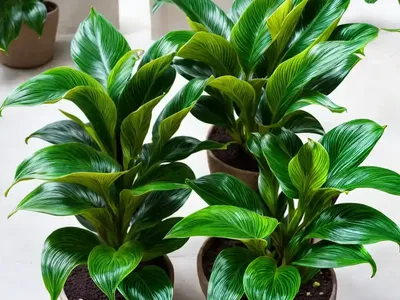
Eternal Flame (Calathea Crocata)
In the world of indoor gardening, the Calathea crocata, also known as the Eternal Flame plant, stands out as a true gem. With its striking flame-like.
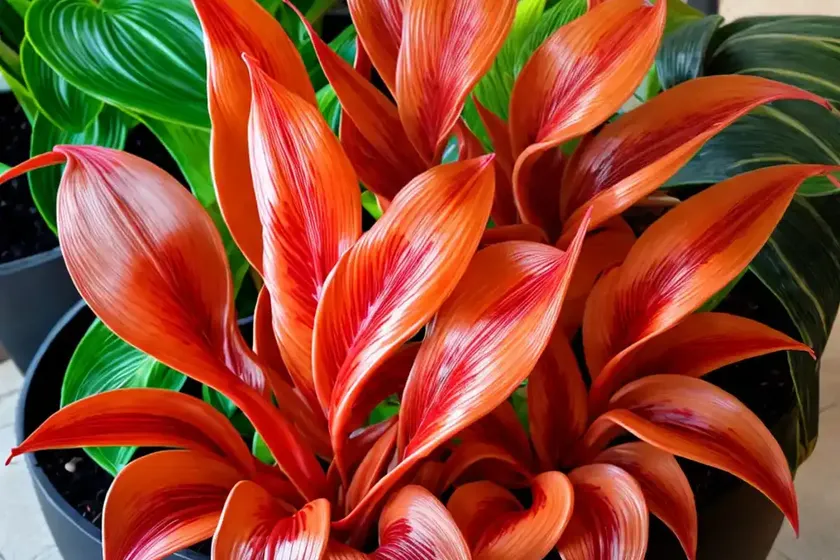
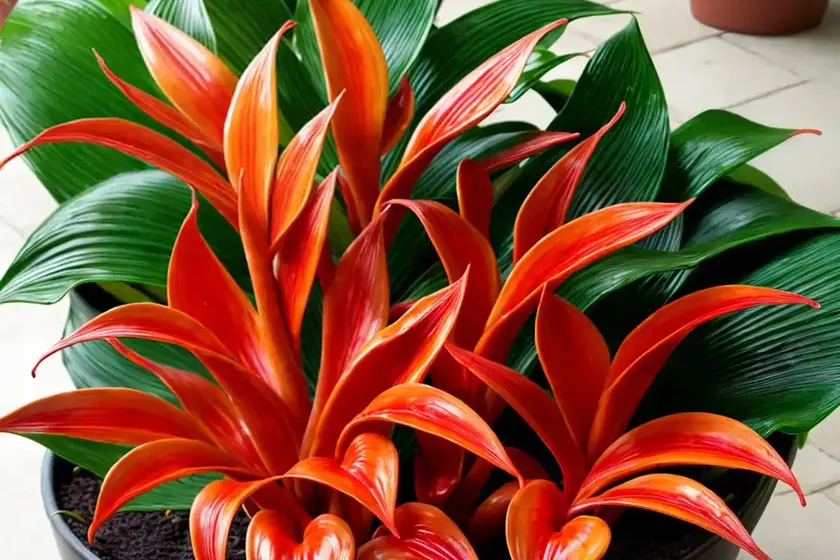
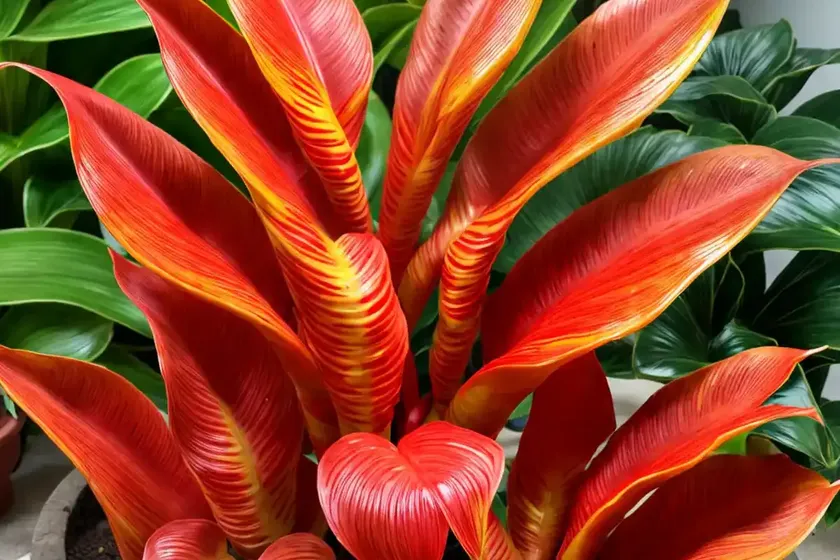
In the world of indoor gardening, the Calathea crocata, also known as the Eternal Flame plant, stands out as a true gem. With its striking flame-like blooms, vibrant foliage, and unique patterns, this tropical plant has captured the hearts of many plant enthusiasts. This blog post delves into every aspect of the Eternal Flame plant – from its cultural significance and uses to the intricacies of care, propagation, and common diseases. Whether you’re a seasoned plant parent or just beginning your indoor gardening journey, this comprehensive guide will equip you with the knowledge and tips needed to cultivate and enjoy the beauty of the Eternal Flame.
What is the Eternal Flame (Calathea Crocata)?
The Calathea crocata, commonly known as the Eternal Flame, is a species of flowering plant in the Marantaceae family. Native to the tropical regions of South America, specifically in Brazil, this stunning plant is revered for its vibrant, flame-shaped flowers and eye-catching foliage. Its botanical name, Calathea crocata, alludes to its radiant and fiery appearance, with ‘crocata’ derived from the Latin word ‘crocatum,’ meaning saffron-colored.
The Eternal Flame plant is characterized by its large, elliptical leaves with distinct patterns and a captivating blend of colors. Its undersides often feature contrasting hues, adding to the plant’s visual appeal. While its foliage is a major attraction, the star of the show is undoubtedly its unique flame-shaped blooms that emerge from the center, bringing a burst of tropical vibrancy to any indoor space.
With its striking appearance and relatively manageable care requirements, the Calathea crocata has become a popular choice for indoor plant enthusiasts seeking to add a touch of exotic beauty to their homes.
Key Takeaways – Eternal Flame (Calathea Crocata)
Before delving into the specifics of cultivating and caring for the Eternal Flame plant, it’s essential to understand the key takeaways that make this tropical beauty stand out:
- Flame-Like Blooms: The Eternal Flame plant is renowned for its vibrant, flame-shaped blooms that add a burst of color to indoor spaces.
- Eye-Catching Foliage: Its large, patterned leaves with striking colors and unique markings make it a visually captivating plant.
- Tropical Elegance: Originating from the tropical regions of South America, the Calathea crocata brings a touch of exotic elegance to indoor environments.
- Manageable Care: While it requires attention to specific cultural needs, the Eternal Flame can thrive indoors with proper care and maintenance.
With these key highlights in mind, let’s explore in detail the cultural significance, uses, and essential care guidelines for the Eternal Flame plant.
Culture
Uses
The Eternal Flame plant holds cultural significance in various contexts. Beyond its aesthetic allure, it is revered for its symbolic representation of tropical beauty and vitality. Often used in interior design and landscaping, the Calathea crocata serves as a natural decor element, adding a touch of vibrant foliage and unique blooms to indoor spaces. Its evergreen nature and striking appearance make it an ideal choice for enhancing the visual appeal of homes, offices, and public spaces.
In addition to its ornamental uses, some traditional cultures attribute medicinal qualities to certain species within the Calathea genus. While the Calathea crocata is primarily valued for its visual impact, other species within the genus are utilized for their purported medicinal properties, including anti-inflammatory and diuretic effects. However, it’s important to note that these traditional uses should be researched thoroughly before considering any medicinal applications.
Care
Successfully cultivating the Eternal Flame plant requires attentiveness to specific care guidelines, ranging from watering and sunlight exposure to soil type and fertilization. Here, we’ll examine each aspect of care in detail to ensure the optimal growth and vitality of your Calathea crocata.
Water
Proper watering is crucial to the health of the Eternal Flame plant. Unlike some other houseplants, Calathea crocata prefers consistently moist, but not waterlogged, soil. As a general guideline, water your Eternal Flame when the top inch of the soil feels dry to the touch. It’s important to maintain adequate moisture levels, especially during the growing season, as fluctuations in soil moisture can lead to leaf curling and browning.
To ensure effective watering, consider using room temperature water to avoid shocking the plant’s roots. Additionally, using a pebble tray or humidifier can help maintain a favorable level of humidity around the plant, mimicking its natural tropical habitat. Regularly misting the foliage can also contribute to the plant’s overall well-being, preventing the edges of the leaves from drying out and browning.
Sunlight
In its natural habitat, the Calathea crocata thrives under the dappled shade of tropical forests, where it receives filtered sunlight. When cultivated indoors, replicating this environment is essential for the plant’s health and vitality. Position your Eternal Flame in a location with bright, indirect light, away from direct sunlight, as prolonged exposure to intense rays can scorch the leaves and affect the plant’s overall well-being. Placing it near east or west-facing windows, where it can benefit from gentle morning or late afternoon sunlight, is ideal.
If your indoor environment lacks natural light, consider using grow lights to supplement the Eternal Flame’s sunlight requirements. Adjustable LED grow lights that emit a full spectrum of light can provide the ideal conditions for the plant’s growth and blooming.
Fertilizer
To support healthy growth and vibrant blooms, the Eternal Flame plant benefits from regular fertilization during the growing season. Opt for a balanced, water-soluble fertilizer with a formulation such as 10-10-10 or 20-20-20 to provide essential nutrients without the risk of overfeeding or burning the plant’s roots.
During the spring and summer months, fertilize your Calathea crocata every four weeks, following the instructions on the fertilizer label for dilution and application. As the plant enters the dormant phase in the fall and winter, reduce the frequency of fertilization to every 6-8 weeks, allowing it to rest and conserve energy.
When applying fertilizer, ensure that the soil is adequately moist to prevent root damage. Additionally, after applying the fertilizer solution, water the plant lightly to encourage the nutrients to reach the root zone efficiently.
Soil
The right soil type is crucial for supporting the Eternal Flame plant’s growth and well-being. Given its preference for consistently moist conditions, a well-draining potting mix with good water retention capabilities is essential. A high-quality peat-based mix with added perlite or coarse sand to enhance drainage and aeration is well-suited for the Calathea crocata.
When repotting or planting the Eternal Flame, ensure that the potting mix is evenly moistened prior to transferring the plant. Carefully remove any excess soil from the root system, and place the plant in the prepared potting mix, ensuring the root ball is positioned at the same level as its previous container. Gently pat down the soil around the root ball to provide stability and water the plant thoroughly to settle the soil in place.
Pruning
Pruning is an essential aspect of caring for the Eternal Flame plant, contributing to its overall vitality and appearance. Regular maintenance pruning involves removing yellowing, damaged, or dead leaves, promoting air circulation, and regulating the plant’s size and shape.
Using clean, sharp scissors or pruning shears, trim any unsightly or unhealthy foliage close to the base of the plant, ensuring a clean cut to prevent potential infection or rot. As new growth emerges, prune any leggy or overcrowded areas to maintain a balanced and aesthetically pleasing appearance.
Propagation
The propagation of the Eternal Flame plant can be achieved through division or stem cuttings. Here’s a brief overview of each method:
Division: When repotting your mature Calathea crocata, you can divide the plant by carefully separating the root ball into sections, ensuring that each division has a healthy root system and viable foliage. Transplant the divided sections into separate pots, providing the same care and attention as you would for the parent plant.
Stem Cuttings: Propagating the Eternal Flame through stem cuttings involves selecting healthy, non-flowering stems and snipping them just below a leaf node. Place the cuttings in water or a moist, well-draining propagation medium, ensuring that at least one or two nodes are submerged. With adequate warmth and moisture, the cuttings will develop roots over time, signaling successful propagation.
Container
Selecting the right container for your Eternal Flame is essential for promoting healthy growth and preventing issues related to root congestion and waterlogging. Choose a pot that provides ample room for the plant’s root system to expand, with drainage holes to allow excess water to escape. A container with a diameter at least 1-2 inches larger than the plant’s current pot is suitable for accommodating the Calathea crocata’s growth.
When repotting your Eternal Flame, select a well-draining potting mix and a pot that offers adequate drainage to prevent the soil from becoming waterlogged. Ensure that the container is clean and has been prepped with a layer of small stones or a piece of mesh over the drainage holes to facilitate effective drainage.
Popularity
The Eternal Flame plant, with its captivating flame-shaped blooms and eye-catching foliage, has gained widespread popularity in the world of indoor gardening. Its unique characteristics, relative ease of care, and ability to thrive in indoor environments make it a sought-after addition to homes, offices, and public spaces.
Key Highlights of the Eternal Flame’s Popularity:
-
Interior Decor: The vibrant foliage and striking blooms of the Calathea crocata make it a popular choice for enhancing the visual appeal of indoor spaces, adding a touch of tropical elegance to various interior design themes.
-
Social Media Favourite: With its visually stunning appearance and unique patterns, the Eternal Flame plant has gained popularity on social media platforms, where plant enthusiasts showcase its beauty and share care tips and propagation techniques.
-
Gifts and Occasions: Due to its ornamental value and symbolic significance, the Eternal Flame is often selected as a thoughtful gift for special occasions, representing beauty, vibrancy, and longevity.
The increasing popularity of the Eternal Flame plant is a testament to its visual appeal, cultural significance, and the joy it brings to indoor gardening enthusiasts.
Common Diseases
Disease Diagnosis
While the Eternal Flame plant is relatively resilient, it is susceptible to certain diseases and issues that can affect its overall health and appearance. Recognizing the symptoms and early signs of common diseases is essential for implementing timely interventions and preventing the spread of issues.
Key Diseases and Symptoms:
-
Leaf Spot: Characterized by the appearance of dark, water-soaked spots on the foliage, leaf spot can be caused by fungal pathogens or bacterial infections. Overwatering and poor air circulation can contribute to the development of leaf spot.
-
Root Rot: Excessive moisture and waterlogged soil can lead to root rot, impacting the plant’s ability to uptake nutrients and water. Symptoms include wilting, yellowing leaves, and a foul odor emanating from the soil.
-
Powdery Mildew: A powdery white or grayish coating on the foliage indicates the presence of powdery mildew, a common fungal disease that thrives in humid conditions. Inadequate air circulation and high humidity levels can promote powdery mildew development.
-
Spider Mites: Infestations of spider mites can lead to stippled, discolored foliage and fine webbing on the plant. These minuscule pests thrive in dry indoor environments and can rapidly multiply if not addressed promptly.
Common Pests
In addition to diseases, the Eternal Flame plant is vulnerable to infestations by common pests that can compromise its health and vitality. Recognizing the signs of pest activity is crucial for implementing effective control measures and preventing widespread damage.
Key Pests and Symptoms:
-
Aphids: These small, soft-bodied insects congregate on the undersides of leaves and new growth, sucking sap from the plant and causing leaf curling, distortion, and the secretion of sticky honeydew.
-
Mealybugs: Mealybugs are identifiable by their cottony, white appearance and typically congregate in protected areas, such as leaf axils and the underside of leaves, feeding on the plant’s sap and excreting honeydew.
-
Scale Insects: Scale insects appear as small, raised bumps on the stems and foliage of the plant, often resembling small, immobile growths. Heavy infestations can lead to yellowing, wilting, and eventual decline in the plant’s health.
-
Fungus Gnats: These small, dark-colored flies are attracted to moist, organic-rich soil and lay their eggs near the soil surface. The larvae feed on organic matter and can cause root damage, leading to weakened growth and susceptibility to other issues.
Recognizing and addressing common diseases and pests promptly is essential for preserving the health and vigor of the Eternal Flame plant. Implementing cultural adjustments, natural remedies, or targeted treatments can help mitigate these issues and promote the plant’s resilience.
Botanist’s Tips
To ensure the optimal health and vibrancy of your Eternal Flame plant, consider incorporating the following tips and best practices into your care routine:
-
Optimal Humidity: Maintain a favorable level of humidity around the Calathea crocata, either through regular misting, the use of a humidifier, or placing the plant on a pebble tray filled with water.
-
Regular Inspections: Routinely inspect your Eternal Flame for signs of pests, diseases, or aberrations in growth to identify issues early and implement effective interventions.
-
Protect from Drafts: Shield the plant from direct exposure to drafts, such as those from air conditioners, heaters, or open windows, as sudden temperature changes can stress the plant.
-
Consistent Temperature: Aim to maintain a relatively stable temperature around the Eternal Flame, avoiding extreme fluctuations that can impact its growth and overall well-being.
-
Customized Care: Tailor your care approach based on the plant’s specific environmental conditions, such as light exposure, temperature, and overall humidity levels, to create an ideal growth environment.
Incorporating these tips into your care routine will contribute to the long-term health and vitality of your Eternal Flame, ensuring it remains a stunning focal point in your indoor garden.
Fun Facts
As an exotic and visually captivating plant, the Eternal Flame (Calathea crocata) boasts a range of fascinating and unique qualities that make it a standout addition to any indoor space. Here are some fun facts about this tropical beauty:
-
Native Habitat: The Calathea crocata is native to the tropical rainforests of Brazil, where it thrives under the dappled shade of the forest canopy, providing valuable insights into its preferred light and humidity requirements.
-
Botanical Kin: The Calathea crocata belongs to the Marantaceae family, which includes various species renowned for their ornamental foliage and distinctive growth habits, such as the prayer plants (Maranta spp.) and other Calathea varieties.
-
Diverse Varieties: While the Eternal Flame is a popular choice, additional varieties of Calathea crocata exist, each displaying unique leaf patterns, colors, and growth characteristics, adding to the diversity and allure of this species.
-
Symbolic Significance: In some cultures, the Calathea crocata is associated with qualities such as grace, beauty, and longevity, making it a cherished plant with deep symbolic value.
-
Air-Purifying Qualities: Like many other plants from the Calathea genus, the Eternal Flame is known for its ability to purify the air by removing pollutants and enhancing indoor air quality.
These fun facts offer a glimpse into the rich diversity and cultural significance of the Eternal Flame plant, shedding light on its captivating attributes and symbolic resonance.
Links to External Resources
For additional insights, care tips, and guidance on cultivating the Eternal Flame plant (Calathea crocata), explore the following external resources:
- Royal Horticultural Society – Calathea crocata
- The Spruce – Calathea Care Guide
- Gardening Know How – Eternal Flame Plant Care
- Plant Care Today – Eternal Flame Plant Care
- University of Florida IFAS Extension – Calathea Diseases
Dive into these resources to expand your knowledge and enhance your care approach for the Eternal Flame, drawing upon expert insights and practical advice from seasoned horticulturists and plant enthusiasts.
In conclusion, the Eternal Flame (Calathea crocata) stands as a testament to the awe-inspiring beauty and intricate diversity found in the world of tropical plants. With its flame-like blooms, vibrant foliage, and timeless allure, it continues to captivate indoor gardening enthusiasts and hold a special place in the realm of botanical elegance. By embracing the cultural significance, understanding its unique care requirements, and celebrating its distinctive qualities, you can embark on an enriching journey of cultivating and cherishing the stunning beauty of the Eternal Flame in your indoor garden.