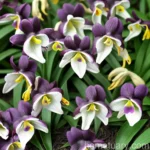
Erythronium dens-canis ‘Lilac Wonder’ (Dog’s Tooth Violet): A Detailed Guide
Plants have been a source of fascination and wonder for humans for centuries. Their beauty, diversity, and ecological importance continue to captivate people around the world. In this blog post, we will delve into the captivating world of the Erythronium dens-canis ‘Lilac Wonder,’ also known as the Dog’s Tooth Violet. This exquisite plant has not only ornamental value but also cultural and ecological significance. We will explore its unique characteristics, cultural uses, care requirements, and much more.
What is Erythronium dens-canis ‘Lilac Wonder’ (Dog’s Tooth Violet)?
The Erythronium dens-canis ‘Lilac Wonder,’ commonly referred to as the Dog’s Tooth Violet, is a charming perennial plant that belongs to the family Liliaceae. Originating from Europe and Asia, this plant is beloved for its delicate, lily-shaped flowers and distinctive mottled leaves. The ‘Lilac Wonder’ variety is particularly prized for its enchanting lilac-colored blooms, adding a touch of elegance to gardens and landscapes.
Key Takeaways – Erythronium dens-canis ‘Lilac Wonder’ (Dog’s Tooth Violet)
Before we delve into the details of the Erythronium dens-canis ‘Lilac Wonder,’ let’s highlight some key takeaways about this captivating plant.
- Plant Name: Erythronium dens-canis ‘Lilac Wonder’ (Dog’s Tooth Violet)
- Common Names: Dog’s Tooth Violet, Lilac Wonder
- Family: Liliaceae
- Origin: Europe and Asia
- Notable Feature: Lilac-colored, lily-shaped flowers
- Cultural Uses: Ornamental plantings, traditional folklore
- Ecological Importance: Pollinator attraction, wildlife habitat
Now that we have a basic understanding of the Erythronium dens-canis ‘Lilac Wonder,’ let’s explore its various aspects in more detail.
Culture
Uses
The Erythronium dens-canis ‘Lilac Wonder’ holds numerous cultural and ecological uses, making it a valuable addition to gardens and natural settings.
- Ornamental Plantings: Its stunning lilac-colored flowers and mottled leaves make the ‘Lilac Wonder’ a popular choice for ornamental plantings in gardens, parks, and natural landscapes.
- Traditional Folklore: In some cultures, the Dog’s Tooth Violet holds symbolism and is associated with various traditional beliefs and customs.
Care
Water
Proper watering is essential for the health and vitality of the Erythronium dens-canis ‘Lilac Wonder.’ While it requires moist soil, it’s crucial to avoid overwatering, which can lead to root rot. Water the plant when the soil surface feels dry to the touch, and adjust the frequency based on environmental conditions and soil moisture levels.
Sunlight
The ‘Lilac Wonder’ thrives in partial shade to full shade, making it an ideal choice for woodland gardens or areas with dappled sunlight. Protect it from harsh afternoon sun, especially in regions with hot summers, to prevent leaf scorching and maintain vibrant, healthy foliage.
Fertilizer
To support robust growth and abundant blooms, fertilize the Erythronium dens-canis ‘Lilac Wonder’ in early spring with a balanced, organic fertilizer. Avoid excessive nitrogen, as it can promote leafy growth at the expense of flower production. A light application of well-balanced fertilizer will provide the necessary nutrients for this charming plant.
Soil
The ‘Lilac Wonder’ thrives in rich, well-draining soil with ample organic matter. A slightly acidic to neutral pH range is ideal for optimal growth and performance. Prepare the planting site by amending the soil with compost or well-rotted organic matter to create a favorable growing environment for this species.
Pruning
Minimal pruning is required for the Erythronium dens-canis ‘Lilac Wonder.’ Remove any dead or yellowing foliage in late autumn to maintain a tidy appearance and prevent the spread of diseases. Avoid heavy pruning, as the plant’s foliage plays a crucial role in energy storage and future growth.
Propagation
Container
Erythronium dens-canis ‘Lilac Wonder’ can be successfully grown in containers, allowing gardeners to enjoy its beauty on patios, balconies, or other confined spaces. Choose a well-draining potting mix and a container with adequate drainage holes to ensure proper moisture management. Regular watering and attention to sunlight requirements are essential for container-grown specimens.
Popularity
The ‘Lilac Wonder’ variety of Erythronium dens-canis has gained popularity among gardeners and plant enthusiasts for its enchanting lilac blooms and adaptability to diverse growing conditions. Its delicate flowers and charming appearance have contributed to its increasing presence in gardens and natural settings.
Common Diseases
Despite its overall resilience, the Erythronium dens-canis ‘Lilac Wonder’ may be susceptible to certain diseases, particularly under unfavorable growing conditions. Common diseases that may affect this plant include:
- Leaf Spot: Fungal leaf spot diseases can lead to the development of unsightly spots on the plant’s foliage, affecting its aesthetic appeal.
- Powdery Mildew: In humid or poorly ventilated environments, powdery mildew can occur, coating the leaves with a white, powdery substance and impacting the plant’s overall health.
Disease Diagnosis
The diagnosis of diseases affecting the Erythronium dens-canis ‘Lilac Wonder’ involves careful observation of symptoms and signs. Look for unusual spots, discoloration, or powdery coatings on the foliage. Proper diagnosis is essential for implementing effective control measures and preserving the plant’s health.
Common Pests
While generally resistant to pests, the ‘Lilac Wonder’ may occasionally face challenges from certain insect pests. Common pests that may affect this species include:
- Slugs and Snails: These voracious feeders can cause significant damage to the foliage and flowers of the Erythronium dens-canis ‘Lilac Wonder,’ particularly in moist, shaded areas.
Botanist’s Tips
As a plant scientist, I have some valuable tips for optimizing the growth and performance of the Erythronium dens-canis ‘Lilac Wonder’:
- Mulch: Apply a layer of organic mulch around the base of the plant to conserve soil moisture, suppress weed growth, and provide a protective layer for the roots.
- Companion Planting: Pair the ‘Lilac Wonder’ with shade-loving perennials and woodland plants to create visually appealing and ecologically beneficial garden compositions.
Fun Facts
Uncover the enchanting world of the Erythronium dens-canis ‘Lilac Wonder’ with these captivating fun facts:
- The flowers of the ‘Lilac Wonder’ are not true violets but are named for their resemblance to violets and their tooth-shaped bulbs.
- In traditional folklore, the Dog’s Tooth Violet has been associated with various symbolic meanings and beliefs, adding to its cultural significance.
Links to External Resources
For further exploration of the Erythronium dens-canis ‘Lilac Wonder,’ consider these valuable external resources:
- Royal Horticultural Society – Erythronium
- Missouri Botanical Garden – Erythronium
- American Society for the Prevention of Cruelty to Animals – Toxic and Non-Toxic Plants – Erythronium dens-canis
In this comprehensive guide, we have delved into the intricate details of the captivating Erythronium dens-canis ‘Lilac Wonder,’ shedding light on its cultural uses, care requirements, and ecological significance. Whether you are an avid gardener, a plant enthusiast, or simply someone with an appreciation for nature’s beauty, the ‘Lilac Wonder’ holds a special place in the botanical world, captivating hearts with its delicate lilac blooms and mottled leaves.