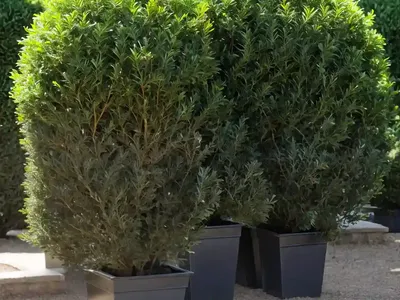
Emory Oak (Quercus Emoryi)
As a plant scientist, I have always been captivated by the diversity and complexity of plant species that exist in our natural world. One such remarkable.


As a plant scientist, I have always been captivated by the diversity and complexity of plant species that exist in our natural world. One such remarkable plant is the Emory Oak (Quercus Emoryi), which holds great ecological, cultural, and aesthetic significance. In this comprehensive guide, we will delve deep into the fascinating world of Emory Oak, exploring its characteristics, cultural uses, environmental benefits, and much more.
What is Emory Oak (Quercus Emoryi)?
Emory Oak, scientifically known as Quercus Emoryi, is a species of oak tree native to the southwestern United States and northern Mexico. It belongs to the Fagaceae family and is renowned for its adaptability to arid and semi-arid environments. The Emory Oak is a medium to large-sized tree with a distinctively rugged and gnarled appearance, making it a striking presence in its natural habitat.
Key Takeaways – Emory Oak (Quercus Emoryi)
Before we delve into the specific aspects of Emory Oak, let’s outline the key takeaways, which will guide our exploration of this remarkable plant:
- Emory Oak is a native tree species of the southwestern United States and northern Mexico.
- It is known for its resilience in arid and semi-arid environments, making it a valuable component of these ecosystems.
- The tree’s cultural, ecological, and aesthetic significance has contributed to its conservation efforts and the interest it garners from both researchers and enthusiasts.
Now that we have an overview of what Emory Oak entails, let’s dissect its various dimensions, starting with its cultural uses.
Cultural Uses of Emory Oak (Quercus Emoryi)
The cultural significance of Emory Oak extends beyond its ecological role, as it has been woven into the fabric of indigenous traditions and practices. The native communities of the region have revered the Emory Oak for its multifaceted uses, ranging from food and medicine to craftwork and ceremonial practices.
Food
The acorns of the Emory Oak have been a traditional food source for indigenous peoples, who have ingeniously utilized them as a staple in their diets. These acorns are processed to extract their nutritious kernel, which is then ground into flour used for making traditional bread, soups, and other culinary delights.
Medicine
In addition to being a source of sustenance, various parts of the Emory Oak have been utilized for their medicinal properties. The bark and leaves of the tree contain compounds that have been employed in traditional herbal remedies by indigenous healers to address a range of ailments.
Craftwork
The wood of the Emory Oak has been valued for its strength and durability, making it an excellent material for woodworking and crafting. Indigenous artisans have crafted a myriad of items, including baskets, furniture, and tools, utilizing the resilient timber of the tree.
Ceremonial Practices
The Emory Oak occupies a prominent place in the rituals and ceremonies of indigenous cultures. Its presence in ceremonial spaces, coupled with the symbolic significance attributed to the tree, underscores its deeply rooted cultural importance.
Emory Oak’s Water Requirements
Understanding the water needs of Emory Oak is crucial for its successful cultivation and conservation, especially in the context of the arid and semi-arid environments where it thrives. Let’s explore the optimal water requirements for Emory Oak trees.
Watering Guidelines
Emory Oak trees exhibit adaptability to relatively dry conditions, making them suitable for xeriscaping and water-wise landscaping. Once established, these trees have a moderate water requirement, particularly during periods of extended drought.
Irrigation Practices
During the tree’s establishment phase, it is essential to provide regular and deep irrigation to promote healthy root development. However, once the Emory Oak has matured, it showcases resilience to periodic water scarcity, relying on its root system to efficiently utilize available moisture.
Drought Tolerance
The Emory Oak’s natural resilience and ability to withstand drought make it an excellent candidate for sustainable landscaping in regions characterized by water scarcity. Its capacity to thrive in arid conditions underscores its ecological importance in conserving water resources.
Sunlight Preferences for Emory Oak (Quercus Emoryi)
In addition to water, sunlight plays a pivotal role in the growth and development of Emory Oak trees. Understanding their sunlight preferences is essential for optimizing their planting locations and ensuring their overall well-being.
Full Sun vs. Partial Shade
Emory Oak trees display a preference for full sun, thriving in locations that receive abundant direct sunlight. While they can tolerate partial shade, optimal growth, and full expression of their foliage and form are achieved in sunny environments.
Site Selection
When planting Emory Oak trees, it is advisable to choose sites that receive ample sunlight throughout the day. Avoiding areas with prolonged shading from surrounding structures or taller trees will promote the tree’s vigor and aesthetic appeal.
Sunlight and Leaf Production
The sunlight exposure directly influences the leaf production and photosynthetic capacity of Emory Oak trees. Adequate sunlight enables the tree to synthesize nutrients and energy efficiently, contributing to its overall health and vitality.
Fertilizing Emory Oak (Quercus Emoryi)
Fertilization plays a critical role in enhancing the growth and vigor of Emory Oak trees, particularly when planted in urban or landscaped settings. Careful attention to the type and timing of fertilization can greatly influence the tree’s long-term health.
Types of Fertilizers
When selecting fertilizers for Emory Oak trees, opt for slow-release, balanced formulations that provide essential nutrients without promoting excessive vegetative growth. Organic fertilizers can also be beneficial in enriching the soil and supporting the tree’s overall well-being.
Timing of Fertilization
Applying fertilizers during the tree’s active growing season, typically in the early spring, is the most effective approach. This ensures that the tree can efficiently utilize the nutrients as it initiates new growth and prepares for the upcoming growing season.
Soil Amendment
In instances where the soil is deficient in specific nutrients, targeted soil amendments can be beneficial for enriching the growing medium around Emory Oak trees. Conducting a soil test can provide valuable insights into the soil composition and guide the tailored application of amendments.
Soil Requirements for Emory Oak (Quercus Emoryi)
Understanding the soil preferences of Emory Oak trees is crucial for establishing thriving landscapes and ensuring the tree’s long-term health. Let’s explore the key soil requirements for these remarkable trees.
Well-Drained Soil
Emory Oak trees thrive in well-drained soils that allow excess moisture to percolate away from the root zone. Soil compaction and waterlogged conditions should be avoided to prevent the risk of root rot and other detrimental effects on the tree’s health.
pH Levels
The optimal pH range for the growth of Emory Oak trees falls within slightly acidic to neutral soil conditions. Conducting a soil pH test can provide valuable insights into the soil’s acidity levels, enabling targeted adjustments to create an optimal growth environment.
Soil Composition
Adequate organic matter in the soil promotes nutrient availability and microbial activity, contributing to the overall vigor of Emory Oak trees. Incorporating organic amendments can enhance the soil structure and fertility, creating a conducive environment for the tree’s root development.
Pruning Practices for Emory Oak (Quercus Emoryi)
Pruning plays a pivotal role in shaping the growth of Emory Oak trees, promoting structural integrity, and enhancing their aesthetic appeal. Adopting proper pruning practices is essential for maintaining the health and vigor of these trees.
Timing of Pruning
Pruning activities are best conducted during the dormant season or early spring to minimize stress on the tree and allow for efficient wound healing. Avoid pruning during periods of active growth or extreme environmental stress to prevent undue strain on the tree.
Pruning Objectives
The primary objectives of pruning Emory Oak trees include the removal of dead, diseased, or damaged branches, shaping the tree’s form, and promoting adequate air circulation within the canopy. Pruning also serves to mitigate potential safety hazards associated with overhanging branches.
Pruning Techniques
Employ proper pruning techniques, such as making clean and precise cuts, to minimize the risk of infection and promote rapid wound closure. Additionally, pruning tools should be well-maintained and sanitized to prevent the spread of diseases between trees.
Propagation Methods for Emory Oak (Quercus Emoryi)
The propagation of Emory Oak trees presents an opportunity to propagate and preserve their genetic diversity, enabling the cultivation of new trees for conservation, landscaping, and research purposes. Let’s explore the key methods for propagating these remarkable trees.
Seed Propagation
Emory Oak trees can be propagated from seeds, which are collected from mature trees and sown in a well-prepared seedbed. Adequate stratification, typically through cold-moist treatment, can enhance the germination rates and uniformity of seedlings.
Vegetative Propagation
Utilizing vegetative propagation methods, such as hardwood cuttings and grafting, can enable the replication of specific traits and characteristics of selected Emory Oak trees. This approach is valuable for maintaining the genetic integrity and desirable attributes of the parent tree.
Nursery Practices
Establishing suitable nursery conditions, including well-drained media, appropriate humidity, and access to natural light, is crucial for the successful propagation of Emory Oak trees. Careful attention to irrigation and disease management is essential for nurturing healthy young trees.
Emory Oak in Containers
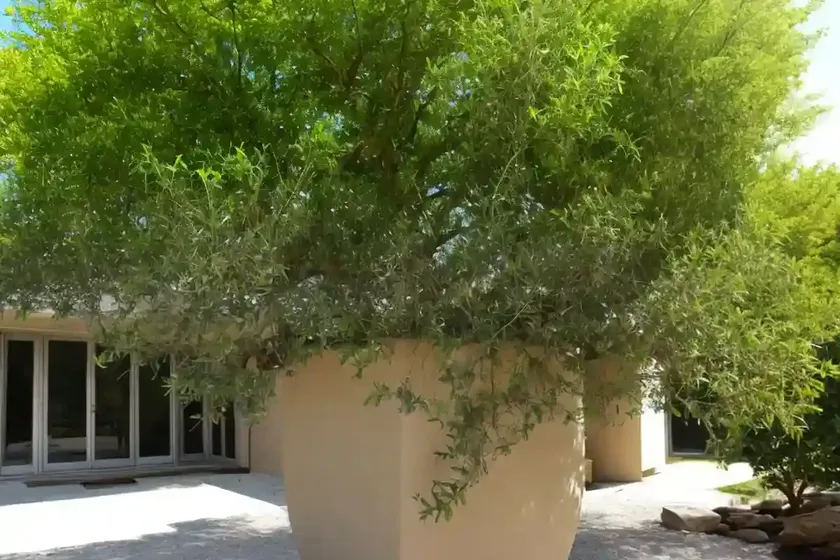
While Emory Oak trees are predominantly known for their presence in natural landscapes, they can also be grown successfully in containers, presenting unique opportunities for urban and small-space gardening. Let’s explore the considerations for cultivating Emory Oak in containers.
Container Selection
Choosing spacious containers with adequate drainage is essential for accommodating the vigorous root system and promoting healthy growth of Emory Oak trees. Select containers made from durable materials that can withstand the fluctuating environmental conditions.
Soil Mix
Employ a well-draining soil mix formulated for woody plants to provide the necessary aeration and moisture retention for Emory Oak trees in container culture. Regular monitoring of soil moisture levels and appropriate irrigation practices are essential for container-grown trees.
Sunlight and Space
Position container-grown Emory Oak trees in locations that receive ample sunlight, ensuring a minimum of six to eight hours of direct sun exposure per day. Adequate space for the container and consideration of potential height and canopy spread are crucial for accommodating the tree’s growth.
Popularity of Emory Oak (Quercus Emoryi) in Landscaping
The versatile and resilient nature of Emory Oak trees has contributed to their growing popularity in landscaping and horticultural settings. Let’s delve into the factors driving their appeal and the unique contributions they make to cultivated landscapes.
Drought Tolerant Landscaping
The increasing focus on sustainable and water-wise landscaping has elevated the appeal of Emory Oak trees, which thrive in arid and semi-arid environments without excessive water inputs. Their capacity to enhance the aesthetic appeal of landscapes while conserving water resources has garnered significant interest.
Urban Tree Canopy
Emory Oak trees have been recognized for their potential to augment urban tree canopies, offering shade, habitat, and aesthetic value in urban environments. Their adaptability to urban conditions and low maintenance requirements make them viable additions to urban forestry initiatives.
Wildlife Habitat
The ecological benefits of Emory Oak trees extend to their provision of habitat and food sources for a diverse array of wildlife, including birds, mammals, and insects. Their role in fostering urban biodiversity and ecological connectivity has contributed to their integration into urban habitat restoration efforts.
Common Diseases of Emory Oak (Quercus Emoryi) and Disease Diagnosis
While Emory Oak trees exhibit resilience to many environmental stresses, they can be susceptible to certain diseases that can impact their health and vigor. Understanding the common diseases and their diagnosis is crucial for implementing effective management strategies.
Leaf Blight
Leaf blight, caused by fungal pathogens, can result in the browning and necrosis of Emory Oak leaves, compromising the tree’s photosynthetic capacity and overall vitality. Timely diagnosis and appropriate fungicidal treatments are essential for managing this disease.
Powdery Mildew
Powdery mildew, characterized by the powdery white growth on the foliage, can affect Emory Oak trees, particularly in humid or shaded conditions. Cultural practices to enhance air circulation and the application of appropriate fungicides can aid in the control of powdery mildew.
Oak Wilt
Oak wilt, caused by a vascular-infecting fungus, poses a significant threat to Emory Oak trees, leading to wilting, defoliation, and ultimately, tree mortality. Prompt diagnosis, sanitation measures, and preventive fungicidal treatments are critical for managing oak wilt and limiting its spread.
Common Pests Affecting Emory Oak (Quercus Emoryi)
In addition to diseases, Emory Oak trees can be vulnerable to various pests that can impact their growth and overall health. Implementing effective pest management strategies is essential for safeguarding the trees and mitigating potential damage.
Oak Leafrollers
Oak leafrollers, the larvae of certain moth species, can cause defoliation and aesthetic damage to Emory Oak trees by rolling and feeding within the foliage. Monitoring and targeted applications of biological or chemical control measures can help manage oak leafroller populations.
Galls
Gall-forming insects can induce the formation of abnormal growths, or galls, on Emory Oak trees, impacting their aesthetics and potentially disrupting normal physiological processes. Understanding the lifecycle of gall-forming insects and implementing cultural and chemical control measures can aid in managing their impact.
Acorn Weevils
Acorn weevils, which infest and consume the seeds of Emory Oak trees, can result in reduced seed viability and compromised reproductive potential for the tree. Monitoring the presence of weevils and employing management strategies, such as insecticidal treatments, can help mitigate their impact.
Botanist’s Tips for Emory Oak (Quercus Emoryi) Care
As a plant scientist with a deep appreciation for Emory Oak trees, I offer the following tips for caring for and appreciating these remarkable trees in diverse settings:
Embrace Sustainable Landscaping
Leverage the resilience and ecological benefits of Emory Oak trees to promote sustainable landscaping practices, focusing on water conservation, urban biodiversity, and ecological connectivity.
Community Engagement
Advocate for the conservation and integration of Emory Oak trees into urban and peri-urban landscapes, engaging with communities and stakeholders to foster awareness of the tree’s cultural, ecological, and aesthetic significance.
Research and Conservation
Support research initiatives and conservation programs aimed at understanding and safeguarding the genetic diversity, habitat integrity, and ecological roles of Emory Oak trees in their native range.
Fun Facts About Emory Oak (Quercus Emoryi)
To conclude our exploration, here are some fun and intriguing facts about Emory Oak:
- Emory Oak acorns were a staple food source for indigenous peoples, with various tribes utilizing them to prepare nourishing and culturally significant dishes.
- The wood of Emory Oak is highly prized for its strength and durability, making it a favored material for crafting traditional artifacts and implements.
- Emory Oak trees are known for their distinctive gnarled appearance, adding a rugged and compelling character to the landscapes they inhabit.
Links to External Resources
For those seeking to further explore the world of Emory Oak trees, here are some valuable external resources to expand your knowledge and appreciation:
- USDA Natural Resources Conservation Service – Emory Oak Fact Sheet
- Arizona Native Plant Society – Emory Oak
- The University of Arizona Extension – Oak Wilt in the Southwest
In this comprehensive guide, we have surfaced the rich and multifaceted world of Emory Oak (Quercus Emoryi), delving into its cultural significance, horticultural care, and environmental contributions. As its conservation status and relevance in ecological restoration efforts continue to be recognized, the Emory Oak stands as a testament to the profound interplay between plants, culture, and environmental stewardship.