Elephant’s Ear (Alocasia Sarian)
As a plant scientist, I am always fascinated by the diversity and beauty of plants. One particular plant that has captured the attention of plant.
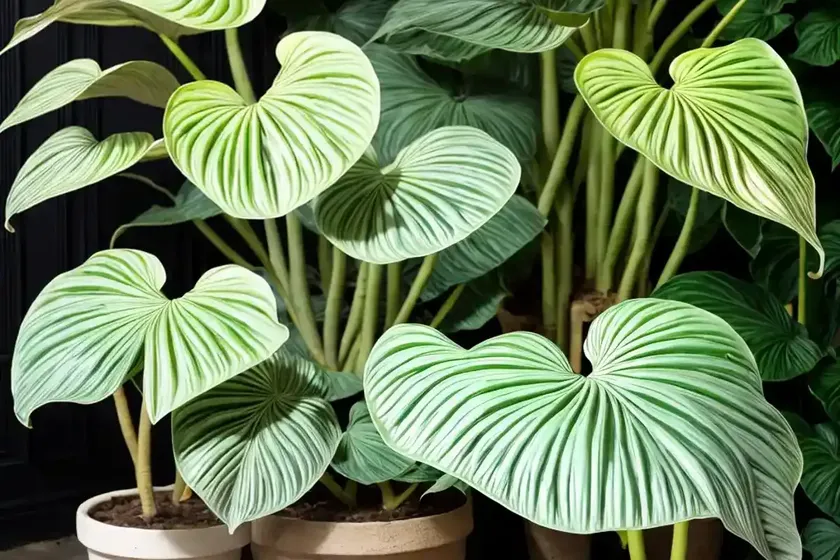
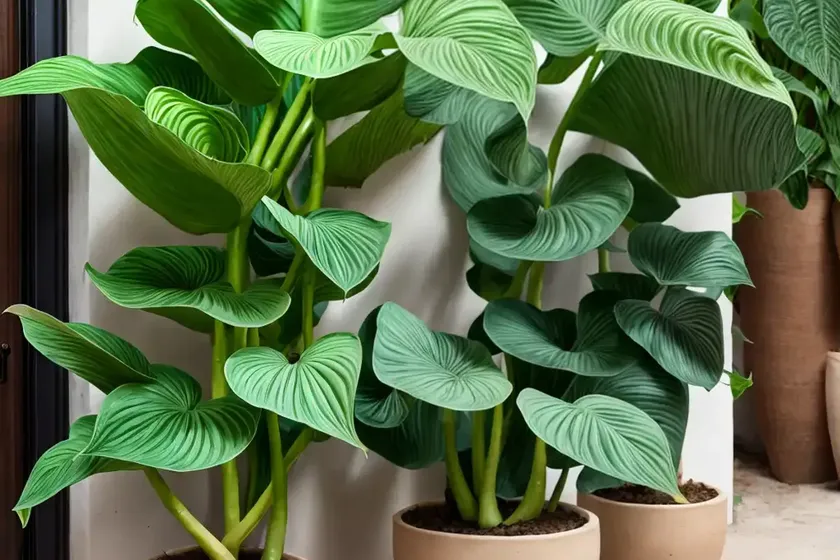
As a plant scientist, I am always fascinated by the diversity and beauty of plants. One particular plant that has captured the attention of plant enthusiasts and gardeners alike is the Elephant’s Ear (Alocasia Sarian). In this comprehensive guide, we will delve into the various aspects of this stunning plant, including its cultural needs, uses, care requirements, and more. Whether you are already a fan of the Elephant’s Ear or are considering adding this plant to your collection, this guide will provide valuable insights into maximizing its growth and beauty.
What is the Elephant’s Ear (Alocasia Sarian)?
The Elephant’s Ear, scientifically known as Alocasia Sarian, is a tropical plant that belongs to the Araceae family. Native to Southeast Asia, particularly the rainforests of Borneo, this plant is cherished for its large, distinctively shaped leaves that resemble the ears of an elephant, hence its common name. The Alocasia genus comprises numerous species, each with its own unique leaf patterns, sizes, and growth habits. The Alocasia Sarian, specifically, is a cultivar prized for its striking foliage and ornamental appeal.
Key Takeaways – Elephant’s Ear (Alocasia Sarian)
Before we delve into the specifics of caring for the Elephant’s Ear (Alocasia Sarian), let’s highlight the key takeaways that will be covered in this comprehensive guide:
- Plant Name: Elephant’s Ear (Alocasia Sarian)
- Cultural Needs: Water, sunlight, fertilizer, soil, pruning, propagation
- Container Requirements
- Common Uses
- Popularity and Aesthetics
- Common Diseases and Pest Control
Now, let’s explore each of these aspects in detail, starting with the cultural needs of the Elephant’s Ear.
Cultural Needs of the Elephant’s Ear (Alocasia Sarian)
As with any plant, understanding the cultural requirements of the Elephant’s Ear is essential for promoting healthy growth and vitality. Let’s explore the specific needs of this remarkable plant.
Water
- Elephant ear plants thrive in consistently moist but well-draining soil. They prefer slightly damp conditions and should not be allowed to dry out completely between waterings.
- When watering, it’s important to ensure that the soil is evenly moist, but not waterlogged. Overwatering can lead to root rot, while underwatering can cause stress and wilting.
- Consider using a pebble tray or misting the leaves to provide the high humidity levels that Elephant’s Ear plants prefer.
Sunlight
- Alocasia Sarian plants thrive in bright, indirect light. They are not tolerant of direct sunlight, which can scorch the leaves and cause damage.
- Indirect light simulates the conditions of their natural habitat, where they receive filtered sunlight through the lush canopy of the rainforest.
Fertilizer
- Providing a balanced, water-soluble fertilizer every 2-4 weeks during the growing season can help support the lush growth of Elephant’s Ear plants.
- Look for a fertilizer with a higher nitrogen content to promote healthy leaf development. It’s important to follow the recommended dosage to avoid overfertilizing, which can lead to nutrient imbalances and damage the plant.
Soil
- A well-draining potting mix enriched with organic matter is ideal for Elephant’s Ear plants. This type of soil provides the necessary aeration and moisture retention while preventing waterlogging.
- Consider adding peat moss or perlite to the soil to improve its texture and drainage. Avoid using heavy, compacted soils that can suffocate the roots.
Pruning
- Regular pruning can help maintain the desired shape and appearance of the Elephant’s Ear plant. Remove any yellowing or damaged leaves, as well as spent flowers or developing seed pods.
- It’s important to use clean, sharp scissors or pruning shears to avoid tearing or injuring the plant. Wipe the blades with rubbing alcohol before and after pruning to prevent the spread of diseases.
Propagation
- Alocasia Sarian plants can be propagated through division or by rooting stem cuttings. Division involves separating the rhizomes and replanting them in separate containers, while stem cuttings can be rooted in water or a suitable propagation medium.
- When propagating Elephant’s Ear plants, be sure to provide the appropriate warmth and humidity to support root development. It’s best to propagate during the spring or early summer when the plant is actively growing.
Now that we’ve covered the essential cultural needs of the Elephant’s Ear, let’s explore the uses and popularity of this striking plant.
Uses and Popularity of the Elephant’s Ear (Alocasia Sarian)
The Elephant’s Ear (Alocasia Sarian) is revered for its ornamental beauty and versatile uses in various settings. Let’s delve into the common uses and the widespread popularity of this magnificent plant.
Common Uses
- Indoor Decor: Alocasia Sarian plants are prized for their striking foliage, making them popular choices for indoor decor. Their large, glossy leaves and unique patterns add a touch of tropical elegance to homes, offices, and public spaces.
- Garden Landscapes: In suitable climates, Elephant’s Ear plants are cultivated in outdoor garden landscapes, where their lush foliage creates dramatic focal points. They are often integrated into tropical or exotic garden designs.
- Container Gardening: Due to their manageable size and ornamental appeal, Alocasia Sarian plants are well-suited for container gardening. They can be showcased on patios, balconies, or terraces to create a lush, tropical ambiance.
Popularity and Aesthetics
The Alocasia Sarian cultivar has gained widespread popularity among plant enthusiasts and collectors, thanks to its distinctive characteristics and aesthetic appeal. The following factors contribute to its popularity:
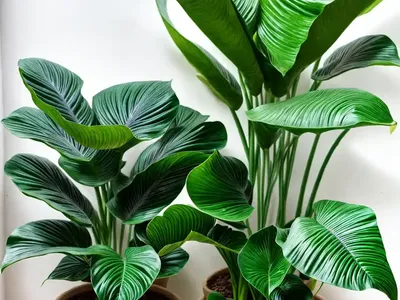
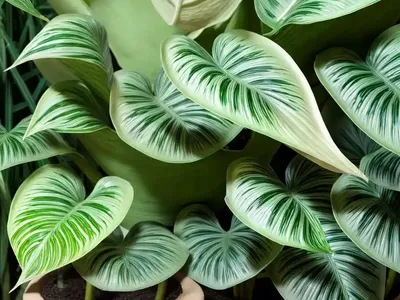
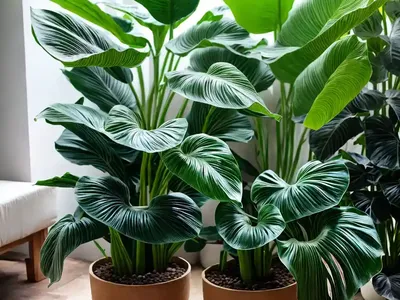
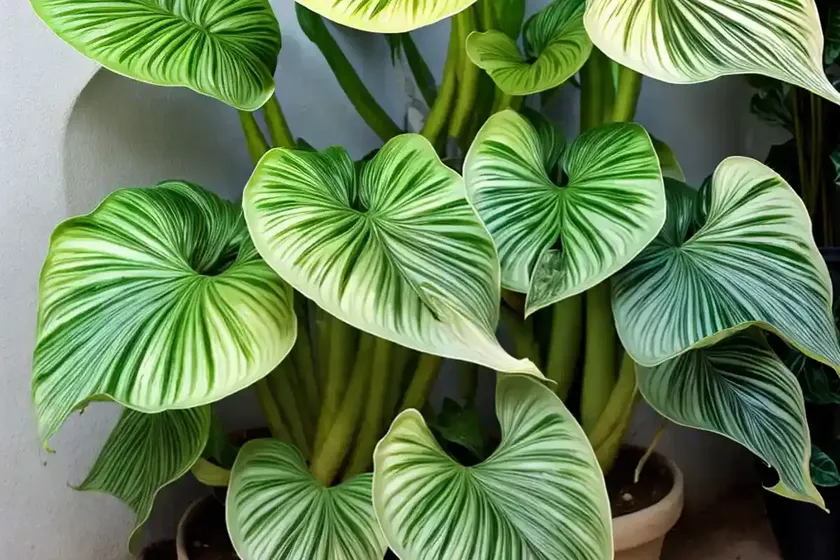
- Unique Leaf Patterns: The Alocasia Sarian is revered for its large, arrowhead-shaped leaves featuring intricate patterns and contrasting veins. The striking foliage adds a bold and exotic touch to any space.
- Container Compatibility: Its compact size and manageable growth make the Alocasia Sarian an ideal choice for container gardening, allowing plant lovers to enjoy its beauty in various settings.
- Ornamental Value: The lush, glossy leaves of the Elephant’s Ear plant make it an eye-catching addition to any indoor or outdoor space, serving as a conversation piece and a focal point of decor.
Now that we’ve explored the uses and popularity of the Elephant’s Ear, let’s delve into common diseases, pest control, and valuable tips for maintaining the health of this plant.
Common Diseases and Pest Control
Ensuring the long-term health and vitality of the Elephant’s Ear (Alocasia Sarian) requires vigilance against diseases and pests that can affect the plant. Let’s explore the common issues that may arise and how to effectively address them.
Common Diseases
- Fungal Diseases: Elephant’s Ear plants are susceptible to fungal infections, particularly when exposed to excessive moisture or poor air circulation. Symptoms of fungal diseases include leaf spots, wilting, and yellowing foliage.
- Bacterial Leaf Blight: This bacterial disease can cause dark, water-soaked spots on the leaves, eventually leading to the collapse of the affected foliage.
- Root Rot: Overwatering or waterlogged soil can result in root rot, which manifests as wilting, yellowing, and eventual decay of the roots.
- Preventive Tips: To prevent fungal and bacterial diseases, it’s essential to avoid overwatering, provide adequate airflow around the plant, and ensure that the soil is well-draining. Applying a preventive fungicide can also help protect the Elephant’s Ear from potential infections.
Pest Control
- Spider Mites: These tiny pests can infest Elephant’s Ear plants, causing stippled, discolored leaves and fine webbing on the foliage. Regularly misting the plant and keeping its environment humid can deter spider mites.
- Mealybugs: These soft-bodied insects can cluster on the undersides of the leaves, as well as near the leaf axils and stems. Inspect the plant regularly and remove mealybugs with a cotton swab dipped in rubbing alcohol.
- Scale Insects: Scale insects can appear as small, waxy bumps on the stems and leaves of the plant. Use a soft brush and soapy water to gently remove scale insects from the plant.
It’s important to monitor the Elephant’s Ear plant regularly for any signs of diseases or pest infestations and take prompt action to address these issues. Additionally, employing preventive measures, such as maintaining good airflow, proper watering practices, and regular inspection, can help safeguard the plant against potential problems.
Botanist’s Tips for Alocasia Sarian (Elephant’s Ear)
As a plant scientist with a deep appreciation for the natural world, I am committed to sharing valuable insights to help enthusiasts and gardeners care for their plants. Here are some expert tips for cultivating and maintaining the Alocasia Sarian (Elephant’s Ear) plant:
- Monitor Humidity Levels: Alocasia Sarian plants thrive in high humidity environments. Consider using a humidity tray or placing the plant in a naturally humid space, such as a bathroom or kitchen.
- Avoid Cold Drafts: Elephant’s Ear plants are sensitive to cold drafts and temperature fluctuations. Keep the plant away from drafty windows and doors, especially during the winter months.
- Regularly Rotate the Plant: To promote uniform growth and prevent the plant from leaning toward the light source, rotate the Alocasia Sarian periodically to ensure balanced exposure to light.
- Provide Adequate Space: When planting Alocasia Sarian in a container, choose one that allows ample space for root development. Crowded conditions can lead to stress and hinder the plant’s growth.
Implementing these tips can contribute to the overall health and thriving growth of the Alocasia Sarian, helping plant enthusiasts derive maximum enjoyment from this elegant and captivating species.
Fun Facts About the Alocasia Sarian (Elephant’s Ear)
To deepen our appreciation for the natural marvels of the Alocasia Sarian (Elephant’s Ear) plant, let’s explore some fascinating and little-known facts about this enchanting species:
- The Alocasia Sarian is a natural air purifier, capable of removing harmful toxins from indoor environments and contributing to cleaner, fresher air.
- Some cultures regard the Elephant’s Ear plant as a symbol of resilience and strength, owing to its robust growth and striking appearance.
- The large, ear-shaped leaves of the Alocasia Sarian inspired its common name, evoking the resemblance to the ears of an elephant and capturing the imagination of plant enthusiasts worldwide.
Unearthing these captivating facts adds an enriching dimension to our understanding of the Alocasia Sarian and its significance in the realm of botany and horticulture.
Links to External Resources
To further broaden your knowledge and expertise in caring for the Alocasia Sarian and other related topics, consider exploring the following reputable external resources:
- Royal Horticultural Society – Alocasia Sarian Care Guide
- University of Florida IFAS Extension – Common Diseases of Ornamental Plants
- American Society for the Prevention of Cruelty to Animals (ASPCA) – Toxic and Non-Toxic Plants for Pets
- University of Maryland Extension – Integrated Pest Management for Home Gardens
These external resources offer a wealth of information, tips, and insights to deepen your understanding of plant care, disease management, and pest control, enhancing your capacity to nurture and cherish your botanical companions.
In conclusion, the Elephant’s Ear (Alocasia Sarian) stands as a captivating emblem of natural beauty and vitality, gracing indoor and outdoor environments with its iconic, ear-shaped foliage and ornamental allure. By embracing the cultural needs of this remarkable plant, appreciating its diverse uses, and safeguarding its health against diseases and pests, plant enthusiasts can cultivate a thriving and resplendent Alocasia Sarian, enriching their lives and spaces with its enduring grace and charm.
As a plant scientist deeply committed to the well-being of plant life, it brings me great joy to share this comprehensive guide on the Alocasia Sarian, inviting enthusiasts and gardeners to partake in the wonder and splendor of this extraordinary botanical treasure.
Remember, plants are living organisms and require care and attention to flourish. By nurturing and cherishing these natural marvels, we honor the vitality and resilience of the plant kingdom and cultivate a deeper connection to the wondrous world of nature.