Elephant Ear ‘tea Cup’ (Colocasia Esculenta ‘tea Cup’)
Welcome to the wonderful world of plants! Today, we are going to delve into the fascinating realm of Elephant Ear ‘Tea Cup’ (Colocasia Esculenta ‘Tea.
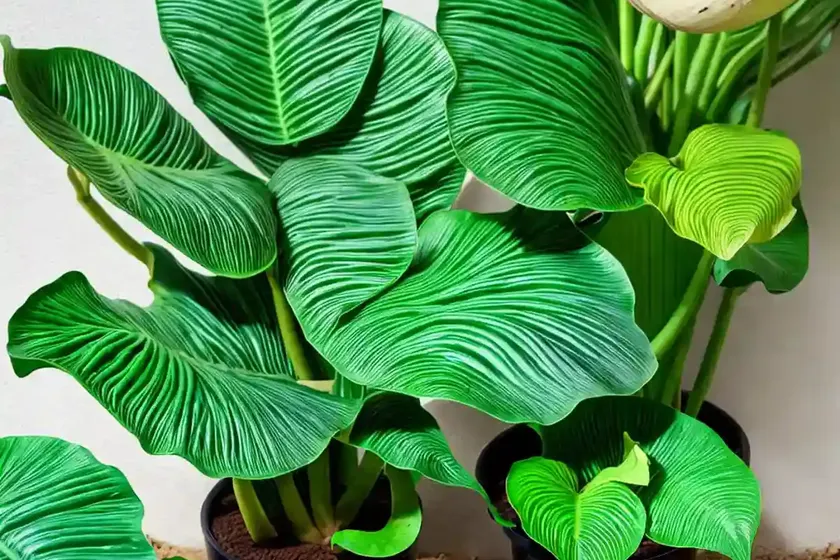
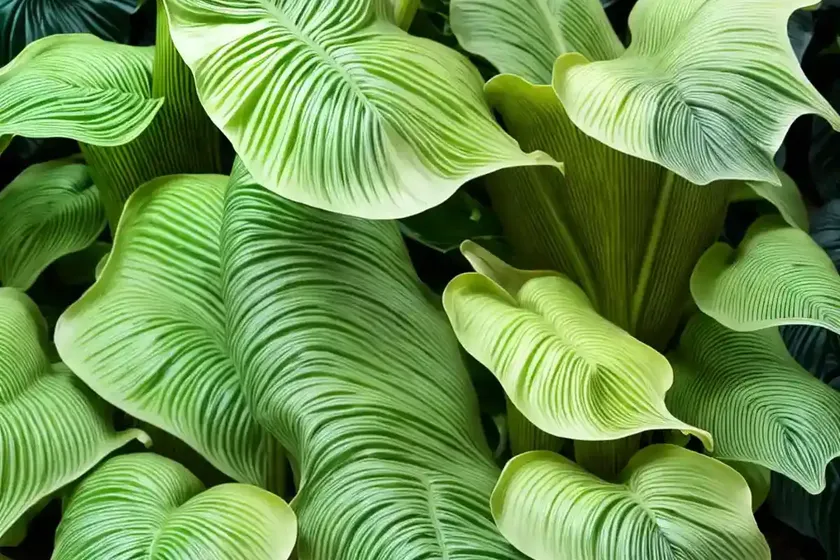
Welcome to the wonderful world of plants! Today, we are going to delve into the fascinating realm of Elephant Ear ‘Tea Cup’ (Colocasia Esculenta ‘Tea Cup’). This unique and stunning plant is adored by plant enthusiasts for various reasons, including its impressive foliage and versatility. Throughout this comprehensive guide, we will explore every aspect of caring for and understanding this remarkable plant.
What is the Elephant Ear ‘Tea Cup’ (Colocasia Esculenta ‘Tea Cup’)?
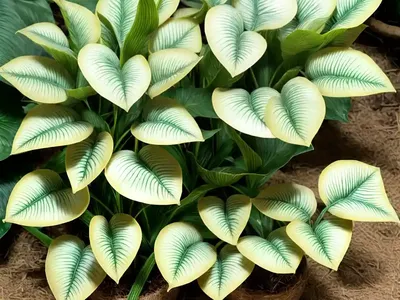
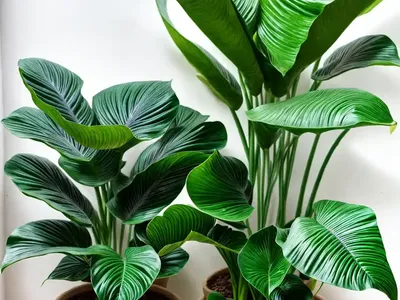
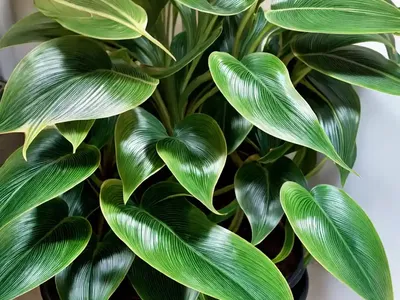
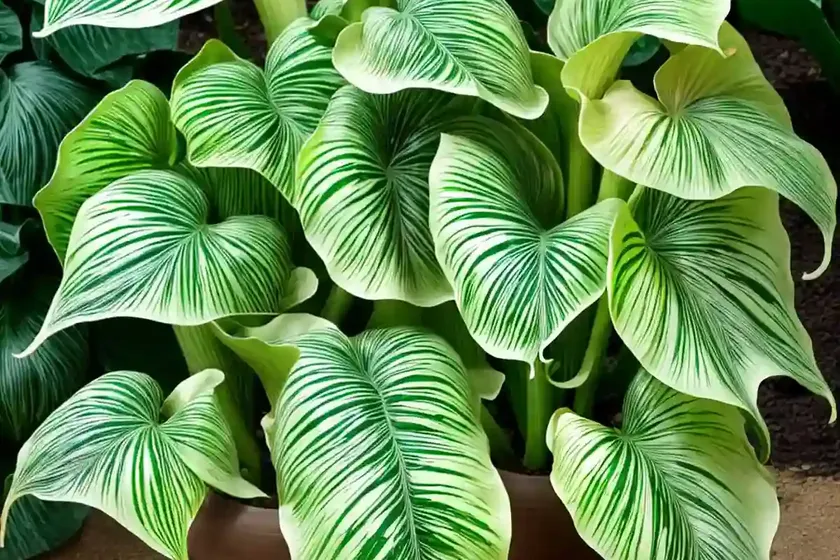
The Elephant Ear ‘Tea Cup’, scientifically known as Colocasia Esculenta ‘Tea Cup’, is a distinct variety of the Elephant Ear plant. Its common name is derived from the shape of its large, dark green leaves, which resemble the form of a tea cup. This plant is an herbaceous perennial and belongs to the Araceae family, making it a relative of other popular ornamental plants like the peace lily and the philodendron.
Key Takeaways
- Common Name: Elephant Ear ‘Tea Cup’
- Scientific Name: Colocasia Esculenta ‘Tea Cup’
- Plant Type: Herbaceous Perennial
- Family: Araceae
- Unique Feature: Large, cup-shaped leaves
- Origin: Native to Southeast Asia and the Indian subcontinent
Culture
Uses
The Elephant Ear ‘Tea Cup’ plant has a range of versatile uses, making it a popular choice for both indoor and outdoor settings. Here are some of the common uses of this plant:
-
Indoor Decoration: The striking foliage of the Elephant Ear ‘Tea Cup’ makes it a popular choice for indoor spaces. It adds a vibrant and tropical touch to any interior environment.
-
Outdoor Landscaping: In outdoor garden settings, the Elephant Ear ‘Tea Cup’ serves as an eye-catching feature plant. Its large leaves create a lush and tropical ambiance, and it can be used to add a dramatic effect to garden landscapes.
-
Medicinal Purposes: In traditional medicine, certain parts of the Elephant Ear ‘Tea Cup’ plant are used for their medicinal properties. However, it is crucial to consult a healthcare professional before using any plant-based remedies.
-
Air Purification: Like many other houseplants, the Elephant Ear ‘Tea Cup’ contributes to indoor air purification by removing harmful toxins and improving air quality.
Water
Proper watering is essential for the health and vitality of the Elephant Ear ‘Tea Cup’ plant. Here are some guidelines to ensure optimal watering practices:
-
Regular Moisture: The plant requires consistently moist soil, but it is crucial to avoid waterlogging. Ensure that the soil is well-draining to prevent root rot.
-
Watering Frequency: During the growing season, typically from spring to early fall, water the plant regularly, allowing the top inch of the soil to dry out between waterings.
-
Reduced Watering in Winter: In the winter months, reduce the frequency of watering, allowing the soil to dry out slightly between waterings. However, ensure that the plant does not completely dry out.
-
Humidity: The Elephant Ear ‘Tea Cup’ plant thrives in high humidity environments. Regular misting can help create the humidity levels it prefers.
Sunlight
Proper light exposure is crucial for the Elephant Ear ‘Tea Cup’ plant to thrive. Consider the following pointers when providing sunlight for your plant:
-
Bright Indirect Light: The plant prefers bright, indirect light. Avoid direct sunlight, especially during the hottest part of the day, as it can scorch the leaves.
-
Indoor Placement: Place the plant near a window where it can receive adequate natural light. However, ensure that it is shielded from direct sun exposure.
-
Outdoor Conditions: In outdoor settings, position the plant in partial shade to protect it from intense sunlight, especially during the afternoon hours.
Fertilizer
Regular fertilization is essential to support the growth and vitality of the Elephant Ear ‘Tea Cup’ plant. Consider the following fertilizer guidelines:
-
Balanced Fertilizer: Use a balanced, water-soluble fertilizer formulated for foliage plants. Apply the fertilizer according to the instructions on the product label.
-
Frequency: During the growing season, typically from spring to late summer, feed the plant every 4-6 weeks.
- Reduced Fertilization: In winter, when the plant is in a period of reduced growth, cut back on fertilization to avoid overfeeding.
Soil
The type of soil plays a significant role in the overall health and well-being of the Elephant Ear ‘Tea Cup’ plant. Here are some essential soil considerations:
-
Well-Draining Soil: The plant thrives in well-draining, fertile soil. A mixture of peat moss, perlite, and regular potting soil works well for container-grown plants.
-
Acidic to Neutral pH: Aim for a slightly acidic to neutral soil pH range of 6.0-7.0. The plant can tolerate mildly alkaline soil but tends to perform best in slightly acidic conditions.
-
Soil Moisture: The soil should retain moisture without becoming waterlogged. Ensure that excess water can drain freely from the pot to avoid waterlogging.
-
Mulching: Apply a layer of organic mulch, such as bark chips or coconut coir, on the soil surface to conserve moisture and regulate soil temperature.
Pruning
Pruning is an essential aspect of Elephant Ear ‘Tea Cup’ plant care, contributing to its overall appearance and health. Here are some pruning tips for this plant:
-
Leaf Removal: Trim off any yellowing or damaged leaves as they appear. This helps maintain the plant’s aesthetic appeal and prevents the spread of diseases.
-
Deadheading: Remove spent flowers to encourage continued blooming and prevent the plant from expending energy on seed production.
-
Propagation: If desired, propagate the plant by dividing the rhizomes during the growing season. This can help control the size of the plant and create new specimens.
Propagation
The propagation of the Elephant Ear ‘Tea Cup’ plant can be achieved through division or by planting rhizomes. Here are the steps for successful propagation:
-
Division: Divide the plant during the growing season, ensuring that each division has a healthy rhizome and a good cluster of roots. Plant the divisions in individual pots with well-draining soil.
-
Rhizome Planting: Plant healthy rhizomes in small pots filled with a well-draining potting mix. Ensure that the rhizomes are partially submerged in the soil and water them thoroughly.
Container Popularity
The Elephant Ear ‘Tea Cup’ plant is a popular choice for container gardening due to its striking visual appeal and adaptability. Here are some reasons why it is well-suited for containers:
-
Aesthetic Value: The large, cup-shaped leaves of the plant make it a captivating addition to any container garden or indoor space.
-
Versatility: It can be grown in various container sizes, allowing flexibility in placement and design.
-
Indoor and Outdoor Uses: The plant can thrive in both indoor and outdoor container settings, providing versatility in its placement.
Common Diseases
Disease Diagnosis
Like any other plant, the Elephant Ear ‘Tea Cup’ is susceptible to certain diseases and infections. Here are some common diseases and their symptoms:
-
Leaf Spot: Characterized by the appearance of dark, water-soaked spots on the leaves. Over time, these spots can enlarge and cause the leaves to turn yellow and drop prematurely.
-
Root Rot: Excessive moisture or waterlogging can lead to root rot, with symptoms including wilting, yellowing leaves, and a foul odor emanating from the roots.
-
Powdery Mildew: This fungal disease appears as a white, powdery substance on the leaves, often accompanied by distorted growth and leaf yellowing.
Common Pests
Several pests can affect the health of the Elephant Ear ‘Tea Cup’ plant. Recognizing the signs of pest infestations is crucial for effective pest management. Common pests include:
-
Spider Mites: These tiny pests can cause stippling on the leaves and create fine webbing, particularly on the undersides of the leaves.
-
Aphids: These small, soft-bodied insects often cluster on tender new growth, feeding on plant sap and excreting sticky honeydew.
-
Mealybugs: Mealybugs can be identified by their white, cottony appearance. They typically congregate on leaf joints and the undersides of leaves.
Botanist’s Tips
To ensure the successful growth and care of the Elephant Ear ‘Tea Cup’ plant, consider the following expert tips from botanists and experienced growers:
-
Regular Monitoring: Keep a close eye on the plant’s growth and overall condition. Early detection of issues can prevent potential problems from escalating.
-
Avoid Overwatering: While the plant requires consistent moisture, overwatering can lead to root rot and other issues. Allow the soil to dry out slightly between waterings.
-
Protect from Drafts: Position the plant away from drafty areas, especially during the winter months. Sudden temperature fluctuations can stress the plant.
-
Monitor Humidity Levels: If growing the plant indoors, consider using a humidifier to maintain adequate humidity levels, especially during the drier months.
Fun Facts
-
The Elephant Ear ‘Tea Cup’ plant is known for its impressive size, with some varieties capable of reaching heights of over 6 feet.
-
In certain cultures, the Elephant Ear plant is associated with symbolism and traditional medicinal uses.
-
These plants are excellent additions to tropical-themed gardens and landscaping projects, adding a lush and dramatic element.
-
The large, heart-shaped leaves of the Elephant Ear ‘Tea Cup’ plant have earned it a reputation as a favorite among plant enthusiasts seeking a bold and exotic aesthetic appeal.
Links to External Resources
For further exploration of the Elephant Ear ‘Tea Cup’ (Colocasia Esculenta ‘Tea Cup’) plant, here are some additional resources:
- The Spruce – Elephant Ear Plant Profile
- Gardening Know How – Growing Elephant Ear Plants
- Royal Horticultural Society – Colocasia Esculenta ‘Tea Cup’
As we conclude this comprehensive guide, we hope that it has provided valuable insights into the cultivation and care of the Elephant Ear ‘Tea Cup’ (Colocasia Esculenta ‘Tea Cup’) plant. Whether you are a novice gardener or an experienced plant enthusiast, the unique characteristics and versatile uses of this plant make it a captivating addition to any indoor or outdoor space. Happy gardening!