Elderberry (Sambucus)
Elderberry, scientifically known as Sambucus, is a genus of flowering plants that belongs to the Adoxaceae family. The elderberry plant is renowned for its.
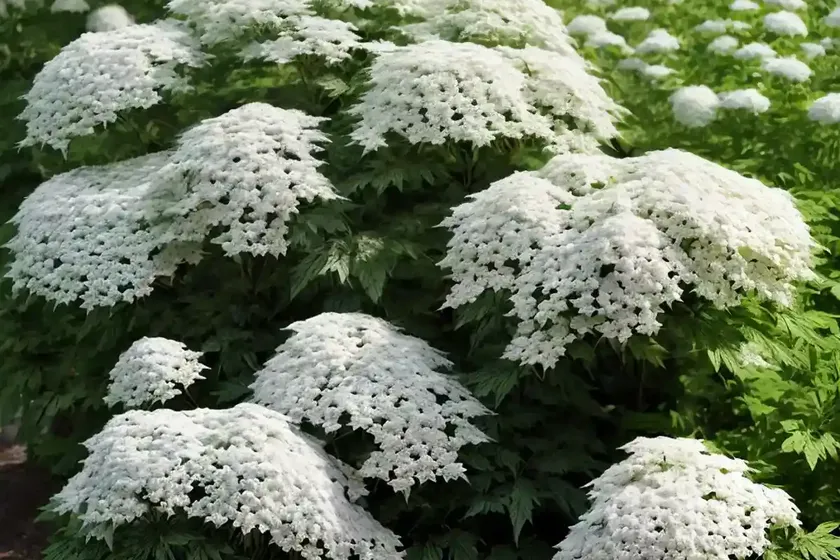
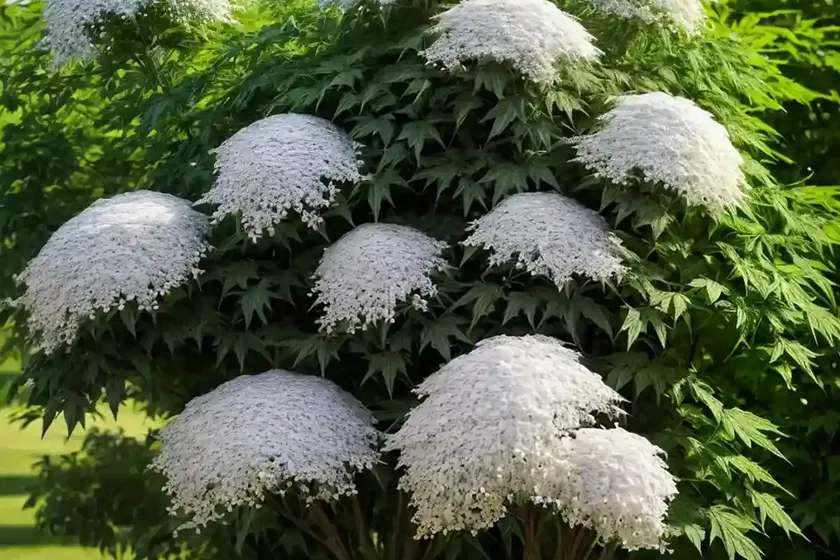
Elderberry, scientifically known as Sambucus, is a genus of flowering plants that belongs to the Adoxaceae family. The elderberry plant is renowned for its multifaceted uses, including culinary, medicinal, and ornamental purposes. In this comprehensive guide, we will delve into the various aspects of elderberry, including its culture, uses, care tips, common diseases, and much more.
What is Elderberry?
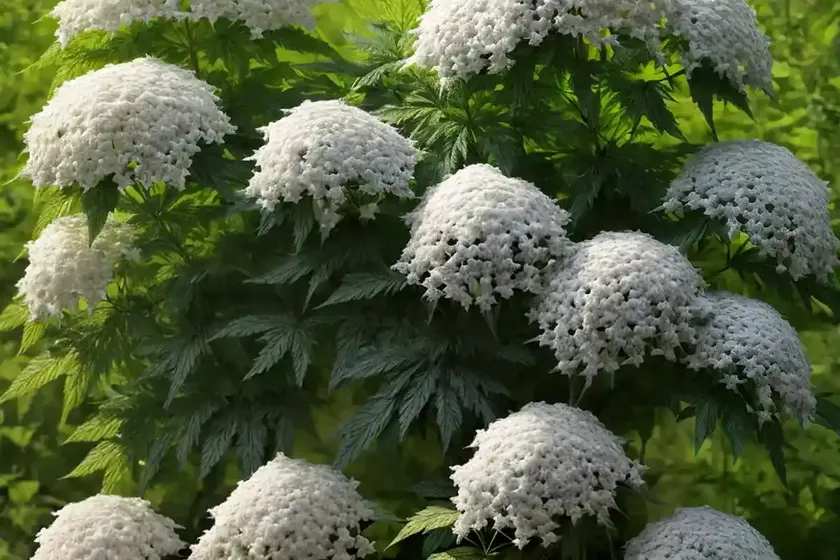
Elderberry is a deciduous shrub that is native to various parts of the world, including Europe, Africa, and the Americas. The plant is characterized by clusters of creamy-white or pale yellow flowers, followed by dark purple or black berries. The elderberry plant is not only visually appealing but also holds significant cultural and historical importance.
Key Takeaways – Elderberry (Sambucus)
Before delving into the specifics of elderberry care and cultivation, let’s explore some of the key takeaways associated with this remarkable plant:
- Elderberry Health Benefits: Elderberry is renowned for its potential health benefits, including immune system support, respiratory health, heart health, and more.
- Sambucus Plant Uses: The uses of the elderberry plant are diverse, encompassing culinary applications, herbal medicine, and ornamental purposes.
- Elderberry Syrup Recipe: Elderberry syrup is a popular preparation that is widely used for its potential medicinal properties and delightful flavor.
- Elderberry Extract Benefits: Elderberry extract is valued for its antioxidant properties and potential immune-boosting effects.
- Sambucus Plant Care Tips: Effective care and maintenance practices are essential for cultivating healthy and productive elderberry plants.
- Elderberry Tea Benefits: Elderberry tea is a beloved beverage that offers a range of potential health benefits and a delightful taste.
- Growing Elderberry Plants: Understanding the ideal conditions for growing elderberry plants is crucial for their successful cultivation.
- Elderberry Medicinal Properties: The elderberry plant is recognized for its medicinal properties, making it a valuable component of traditional and alternative medicine.
- Sambucus Plant Varieties: There are various elderberry varieties, each with its unique characteristics and uses.
- Elderberry Immune System Support: The elderberry plant is often associated with immune system support and overall wellness.
- Elderberry for Cold and Flu: Elderberry is commonly used as a natural remedy for addressing symptoms of colds and flu.
- Sambucus Flowering Season: Understanding the flowering season of elderberry plants is crucial for monitoring their growth and development.
- Elderberry Culinary Uses: Elderberries are utilized in a variety of culinary applications, including jams, syrups, and wines.
- Elderberry Antioxidant Properties: The antioxidant properties of elderberries contribute to their potential health-promoting effects.
- Sambucus Plant Pruning Techniques: Proper pruning techniques are essential for maintaining the health and productivity of elderberry plants.
- Elderberry Plant Propagation: Understanding the techniques for propagating elderberry plants is valuable for expanding their cultivation.
- Elderberry for Allergies: Elderberry is believed to have potential benefits for managing allergic symptoms and promoting overall well-being.
- Sambucus Plant Diseases: Recognizing and addressing common diseases that affect elderberry plants is crucial for their long-term health and productivity.
- Elderberry Jam Recipe: Elderberry jam is a delightful and versatile preparation that showcases the unique flavor of elderberries.
- Elderberry for Heart Health: Elderberry may offer potential benefits for supporting heart health and overall cardiovascular well-being.
- Sambucus Plant Characteristics: Understanding the basic characteristics of elderberry plants is essential for their successful cultivation.
- Elderberry Plant Identification: Identifying elderberry plants and their distinctive features is important for their proper care and management.
- Elderberry Syrup Health Benefits: Elderberry syrup is associated with a range of potential health benefits, making it a popular natural remedy.
- Sambucus Plant Pests and Control: Recognizing common pests that affect elderberry plants and implementing effective control measures is essential.
- Elderberry for Respiratory Health: Elderberry is often utilized for its potential benefits in supporting respiratory health and addressing related issues.
- Elderberry in Traditional Medicine: The historical and cultural significance of elderberry in traditional medicine is profound and enduring.
- Sambucus Plant Companion Planting: Understanding suitable companion plants for elderberry can enhance their growth and overall vitality.
- Elderberry Tincture Recipe: Elderberry tincture is a concentrated preparation that offers a convenient way to access the potential benefits of elderberries.
- Elderberry for Skin Health: Elderberry is associated with potential benefits for skin health and overall dermatological well-being.
- Sambucus Plant Soil Requirements: Understanding the specific soil requirements of elderberry plants is crucial for their successful cultivation.
- Elderberry Plant Harvesting Tips: Effective harvesting techniques are essential for maximizing the yield and quality of elderberries.
- Elderberry for Digestive Health: Elderberry may offer potential benefits for digestive health and overall gastrointestinal well-being.
- Elderberry as a Natural Remedy: The diverse potential applications of elderberry as a natural remedy make it a valuable plant in holistic wellness.
- Sambucus Plant Propagation Methods: Exploring the various methods of propagating elderberry plants can enhance their proliferation and cultivation.
- Elderberry Wine Recipe: Elderberry wine is a beloved and sophisticated beverage that highlights the rich flavors of elderberries.
- Elderberry for Arthritis Relief: Elderberry is believed to offer potential relief for symptoms of arthritis and related inflammatory conditions.
- Elderberry in Herbal Medicine: The role of elderberry in herbal medicine and natural healing practices is rich and varied.
- Sambucus Plant Sunlight Needs: Understanding the specific sunlight requirements of elderberry plants is crucial for their healthy growth and development.
- Elderberry Plant Container Gardening: Cultivating elderberry plants in containers offers a versatile and space-efficient approach to their cultivation.
- Elderberry for Immune Support: The immune-supporting properties of elderberry make it a valuable addition to holistic wellness practices.
- Elderberry Syrup for Kids: Elderberry syrup is sometimes used as a natural remedy for addressing specific health concerns in children.
- Sambucus Plant Root System: Exploring the root system of elderberry plants is crucial for understanding their overall growth and nutrient uptake.
- Elderberry for Weight Management: Elderberry may offer potential benefits for supporting healthy weight management and overall well-being.
- Elderberry as an Antiviral Herb: The potential antiviral properties of elderberry make it a valuable component of natural healing practices.
- Elderberry Growing Zones: Understanding the ideal growing zones for elderberry plants is crucial for their successful cultivation in different regions.
- Sambucus Plant Winter Care: Implementing appropriate care practices during the winter is essential for protecting elderberry plants from harsh conditions.
- Elderberry for Eye Health: Elderberry is believed to offer potential benefits for supporting eye health and visual well-being.
- Elderberry in Culinary Dishes: The versatile use of elderberries in culinary dishes adds a unique and delightful flavor to various recipes.
- Elderberry Plant Companion Herbs: Identifying suitable companion herbs for elderberry plants can enhance their overall growth and vitality.
- Elderberry for Natural Detoxification: Elderberry may offer potential benefits for supporting natural detoxification processes within the body.
With these key takeaways in mind, let’s delve into the intricate details of cultivating, utilizing, and appreciating the remarkable elderberry plant.
Elderberry Culture
Water
Elderberry plants thrive in moist, well-draining soil. Adequate water is crucial, especially during the plant’s early establishment and fruit development stages. While elderberries tolerate damp conditions, they do not thrive in waterlogged soil. To maintain optimal moisture levels, consider the following watering practices:
- Regular Watering: During dry spells, ensure that elderberry plants receive consistent and adequate moisture. Irrigate the plants deeply to promote healthy root development and overall growth.
- Mulching: Applying a layer of organic mulch around the base of elderberry plants helps retain soil moisture, suppress weeds, and provide essential nutrients. Organic materials such as wood chips, straw, or compost make excellent mulching options.
- Avoid Waterlogging: While elderberries appreciate moisture, it’s essential to prevent waterlogging, which can lead to root rot and other detrimental conditions. Ensure that the soil has proper drainage to prevent excessive water accumulation around the roots.
Sunlight
Elderberry plants exhibit a preference for full sun exposure, although they can also tolerate partial shade. When selecting a site for planting elderberries, prioritize locations that receive ample sunlight for the majority of the day. Here are essential considerations related to sunlight for elderberry cultivation:
- Full Sun: Whenever possible, plant elderberry shrubs in areas that receive at least 6-8 hours of direct sunlight daily. Adequate sunlight promotes robust growth, flowering, and fruit production.
- Partial Shade: While elderberries prefer full sun, they can tolerate partial shade, particularly in regions with intense afternoon sunlight or high temperatures. However, to maximize fruiting potential, prioritize locations with ample sunlight.
- Site Selection: When planning the placement of elderberry plants, consider the surrounding landscape and structures that may cast shade during different times of the day. Choose a location that minimizes potential shading from buildings, trees, or other obstructions.
Fertilizer
Proper fertilization is essential for supporting the growth and productivity of elderberry plants. While elderberries are relatively low-maintenance, supplying adequate nutrients can significantly enhance their overall health and vigor. Here are some key aspects to consider regarding fertilizing elderberry plants:
- Soil Testing: Conduct a soil test to assess the nutritional content and pH level of the planting site. This information can guide specific fertilizer recommendations and adjustments to the soil’s composition.
- Balanced Fertilizer Application: During the growing season, apply a balanced fertilizer with a formulation such as 10-10-10 or 8-8-8 around the base of elderberry plants. Follow the manufacturer’s instructions for application rates and timings.
- Organic Amendments: Incorporating organic matter, such as compost or well-rotted manure, into the soil can enhance its fertility and structure. Organic amendments contribute to a gradual release of nutrients and promote beneficial microbial activity in the soil.
Soil
Elderberry plants thrive in well-draining, fertile soil with a slightly acidic to neutral pH range. Optimal soil conditions play a pivotal role in promoting vigorous growth, abundant flowering, and bountiful fruiting. Consider the following soil-related factors for cultivating healthy elderberry plants:
- Drainage: Ensure that the soil offers good drainage to prevent waterlogging, especially in regions with heavy or clay-based soils. Amending the soil with organic matter can improve its drainage and aeration properties.
- pH Level: Aim for a soil pH range of approximately 5.5 to 6.5 for optimal elderberry growth. Conduct a soil test to determine the pH level and make necessary adjustments using lime or sulfur as recommended.
- Texture: Elderberries thrive in well-structured loamy soil that retains moisture without becoming waterlogged. If the soil is excessively sandy or clayey, amending it with organic matter can enhance its texture and fertility.
Pruning
Pruning plays a crucial role in maintaining the health, productivity, and overall aesthetic appeal of elderberry plants. Proper pruning techniques promote robust growth, facilitate air circulation, and rejuvenate the plant’s vigor. Here are essential considerations for pruning elderberry shrubs:
- Annual Pruning: Perform annual pruning during the dormant season, typically in late winter or early spring before the onset of new growth. This timing minimizes stress on the plants and allows for a fresh burst of growth after pruning.
- Remove Dead or Damaged Wood: Trim away any dead, diseased, or damaged wood to promote healthy regrowth and prevent the spread of potential infections. Clean pruning cuts with a sharp, sterilized tool to minimize the risk of introducing pathogens.
- Thinning and Shaping: Thin out congested or crowded growth to improve air circulation and sunlight penetration within the canopy. Additionally, shape the plants by selectively removing wayward or excessively vigorous shoots to maintain an open and balanced structure.
Propagation
Elderberry plants can be propagated through various methods, including hardwood cuttings, softwood cuttings, layering, and division. Each propagation technique offers unique advantages and is suited to specific circumstances. Here’s a brief overview of common elderberry propagation methods:
- Hardwood Cuttings: Propagate elderberry plants from hardwoods cuttings taken during the dormant season. Select healthy, disease-free stems and prepare them for rooting in a suitable propagation medium. Hardwood cuttings typically demonstrate good rooting potential and are conducive to mass propagation.
- Softwood Cuttings: Softwood cuttings, taken from young, actively growing shoots, can also serve as viable propagation material. These cuttings are often utilized for their rapid rooting and establishment, particularly during the spring and early summer months.
- Layering: Encourage natural layering by coaxing select branches to come into contact with the soil and promoting the development of new roots. Once established, the rooted layers can be carefully separated from the parent plant and transplanted to new locations.
- Division: Divide mature elderberry plants by carefully separating the root mass into smaller sections, each containing viable roots and shoots. This method facilitates the rapid multiplication of elderberry plants and is particularly suited to rejuvenating overgrown specimens.
Container Popularity
Cultivating elderberry plants in containers offers a versatile and space-efficient approach to their cultivation, particularly for individuals with limited outdoor space or those seeking to manage plant size. When grown in containers, elderberries can thrive in diverse settings, such as patios, balconies, or small gardens. Consider the following factors related to container gardening with elderberry plants:
- Container Selection: Choose a spacious, sturdy container with adequate drainage holes to accommodate the vigorous growth of elderberry roots. Select a container that provides ample space for root development and stability.
- Well-Draining Soil: Use a high-quality, well-draining potting mix to promote healthy root growth and moisture regulation within the container. Consider incorporating organic matter and perlite to enhance the soil’s structure and fertility.
- Sunlight Exposure: Position the containers in locations that receive abundant sunlight, as elderberries thrive in full sun conditions. Ensure that the containerized plants have access to direct sunlight for a significant portion of the day.
- Watering and Maintenance: Monitor the moisture levels within the containers and water the plants as needed to maintain optimal soil moisture. Containerized elderberries may require more frequent watering, especially during hot and dry periods.
Common Diseases
Elderberry plants are susceptible to certain diseases that can impact their overall health and productivity. Recognizing the symptoms of common elderberry diseases and implementing appropriate management strategies are essential for maintaining the well-being of the plants. Here are some prevalent diseases that affect elderberry plants:
Disease Diagnosis
- Powdery Mildew: Powdery mildew manifests as a powdery, white growth on the leaves, stems, and flowers of elderberry plants. It can impede photosynthesis and weaken the plants over time. To manage powdery mildew, practice adequate spacing between plants, improve air circulation, and apply fungicidal treatments if necessary.
- Anthracnose: Anthracnose leads to dark, sunken lesions on elderberry leaves and can cause defoliation and reduced fruit production. Prune infected plant material, apply suitable fungicides, and ensure proper sanitation to minimize the spread of anthracnose.
- Bacterial Canker: Bacterial canker results in sunken, discolored lesions on elderberry stems and can lead to dieback and reduced plant vigor. Prune affected branches, apply copper-based fungicides, and maintain proper plant health to mitigate the impact of bacterial canker.
- Botrytis Blight: Botrytis blight, or gray mold, often affects elderberry flowers and fruit, causing them to become discolored and decayed. Improve air circulation, manage humidity levels, and promptly remove and dispose of infected plant parts to prevent the spread of the disease.
Common Pests
Elderberry plants are subject to infestation by various pests that can compromise their growth and overall vitality. Recognizing the signs of common elderberry pests and employing appropriate control measures are essential for safeguarding the plants. Here are some prevalent pests that affect elderberry plants:
Botanist’s Tips
- Aphids: Aphids feed on elderberry leaves and shoots, causing distortion, discoloration, and stunted growth. Control aphids by employing natural predators, such as ladybugs, or using insecticidal soap to minimize their populations.
- Spider Mites: Spider mites can infest elderberry foliage, leading to stippling, webbing, and reduced plant vigor. Manage spider mites by hosing down the plants to dislodge the pests, using predatory mites, or applying horticultural oil to suppress their presence.
- Elderberry Borers: The larvae of elderberry borers tunnel into the stems and can cause extensive damage to the plants. Prune and dispose of infested branches, and consider applying appropriate insecticidal treatments to target elderberry borers effectively.
Fun Facts
- The flowers, berries, and foliage of elderberry plants have been utilized for a diverse array of culinary, medicinal, and decorative purposes throughout history.
- Elderberry shrubs have rich cultural and folklore associations in various traditions, often symbolizing protection, healing, and rejuvenation.
- Elderberry flowers can be utilized to create flavorful and aromatic infusions, such as elderflower cordial and elderflower tea, which are celebrated for their delicate floral notes.
Links to External Resources
For additional information on elderberry cultivation, uses, and related topics, consider exploring the following reputable resources:
- University of California Agriculture and Natural Resources – Elderberry Production in California
- United States Department of Agriculture (USDA) National Resources Conservation Service – Plants Database
- Missouri Botanical Garden – Sambucus spp. (Elderberry)
- Royal Horticultural Society (RHS) – Elderberry
- North Carolina State University Cooperative Extension – Elderberry Production in North Carolina
With its rich history, versatile uses, and potential for enhancing health and well-being, the elderberry plant stands as a botanical treasure with much to offer. Whether grown for its ornamental beauty, culinary potential, or medicinal properties, elderberries continue to captivate the interest and appreciation of enthusiasts and plant lovers around the globe.
In conclusion, the cultivation and utilization of elderberry plants offer a unique and rewarding experience that brings together diverse aspects of horticulture, wellness, and cultural traditions. As we celebrate the timeless legacy of elderberries, let us honor their remarkable contributions to our lives and cherish the natural abundance they bring to our gardens and communities.