Egyptian Paperplant (Cyperus Papyrus)
In the vast and diverse kingdom of plants, the Egyptian paperplant (Cyperus papyrus) stands as an exemplar of historical significance, cultural importance.
Introduction
In the vast and diverse kingdom of plants, the Egyptian paperplant (Cyperus papyrus) stands as an exemplar of historical significance, cultural importance, and botanical wonder. This aquatic perennial with its triangular stems and plume-like clusters has captured the imagination of mankind for millennia. Its storied history as a writing material in ancient Egypt and its continued relevance in modern horticulture make it a plant of both academic and aesthetic intrigue. In this comprehensive guide, we will delve into the various aspects of this extraordinary plant, from its biological characteristics to its cultural significance, uses, and cultivation practices.
What is the Egyptian Paperplant (Cyperus papyrus)?
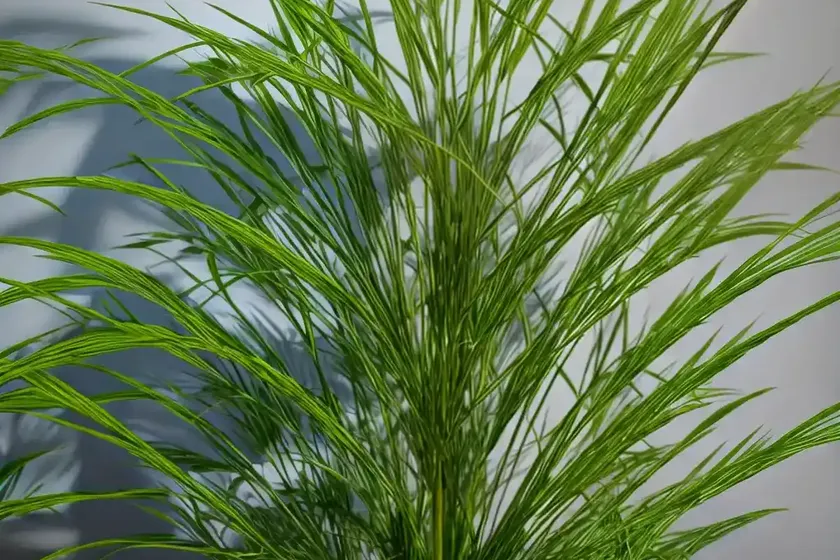
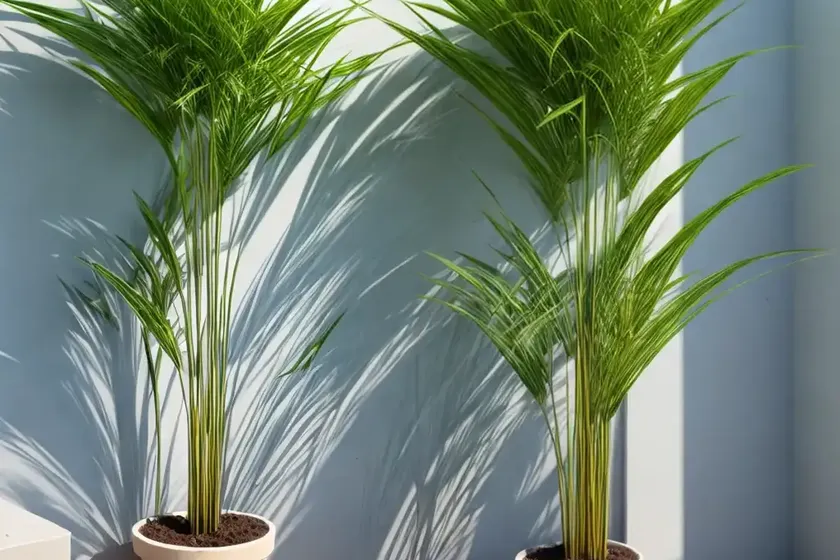
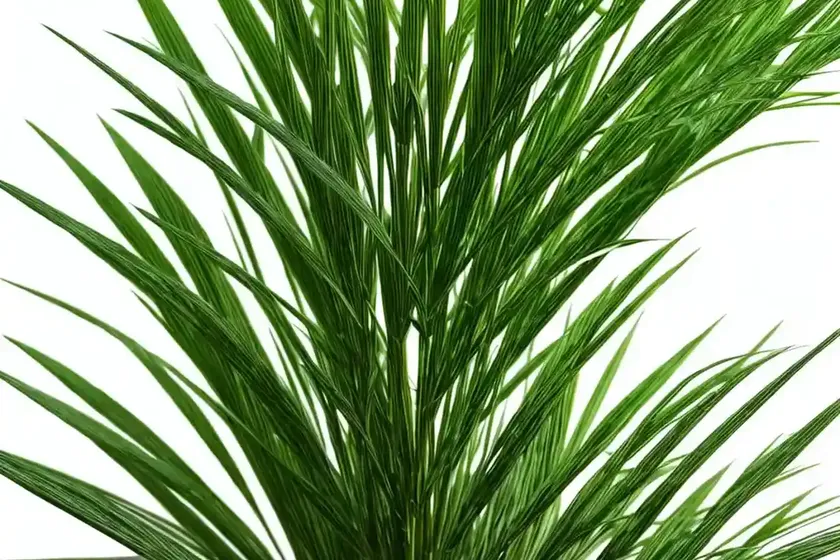
The Egyptian paperplant, also known as Cyperus papyrus, is a member of the sedge family Cyperaceae. Native to Africa and the Mediterranean region, this plant is renowned for its sedge-like growth pattern, forming clumps of tall, triangular stems topped with umbrella-shaped clusters of fine, thread-like filaments. It is an aquatic plant that thrives in marshy areas and along the banks of lakes and rivers, where its roots are submerged in water. The striking appearance and unique growth habit of the Egyptian paperplant have contributed to its widespread cultivation and use across various cultures and civilizations.
Key Takeaways – Egyptian Paperplant (Cyperus papyrus)
Before we dive into the specifics of cultivating and caring for Cyperus papyrus, let’s start by summarizing its key characteristics and attributes.
- Plant Name: Egyptian Paperplant (Cyperus papyrus)
- Family: Cyperaceae
- Native Habitat: Africa, Mediterranean region
- Distinctive Traits: Triangular stems, umbrella-shaped clusters of fine filaments
- Growing Environment: Aquatic, thrives in marshy areas and along water bodies
- Cultural Significance: Historical use as a writing material in ancient Egypt
- Versatile Uses: Ornamental plant, ecological applications, historical and cultural symbolism
With these fundamental details in mind, we will now embark on an illuminating journey through the remarkable world of Cyperus papyrus.
Cultivation of Egyptian Paperplant
Cultivating the Egyptian paperplant requires an understanding of its specific environmental needs and growth requirements. From water and sunlight to soil composition and maintenance, each aspect plays a crucial role in ensuring the healthy and robust growth of Cyperus papyrus.
Water
One of the defining features of the Egyptian paperplant is its aquatic nature. As a plant that naturally inhabits marshy areas and wetlands, it has a high affinity for water. When grown in a home or garden setting, it is essential to recreate this watery environment to support the plant’s vitality. Whether cultivated in outdoor ponds or indoor containers, the water level should be carefully monitored and maintained to ensure that the plant’s roots remain submerged. This can be achieved by using trays, shallow basins, or specialized aquatic plant containers that allow for constant water presence.
Sunlight
In its natural habitat, Cyperus papyrus thrives in locations with ample sunlight. When cultivated in a garden or outdoor setting, it is advisable to choose a spot that receives full to partial sun exposure throughout the day. Adequate sunlight is crucial for the plant’s photosynthetic processes and overall growth. In indoor settings, placing the plant near a bright, sunlit window can provide the necessary light conditions for its development.
Fertilizer
As an aquatic plant, the Egyptian paperplant has unique nutrient requirements that stem from its adaptation to wetland environments. When cultivated in containers or pond settings, a balanced aquatic plant fertilizer can be applied to support its growth and nourishment. It is important to use fertilizers formulated specifically for aquatic plants to avoid any adverse effects on the surrounding ecosystem. Regular monitoring of the plant’s growth and vigor can help in determining the appropriate fertilization schedule.
Soil
Given its aquatic nature, the Egyptian paperplant does not rely on traditional soil for its growth. Instead, it thrives in settings where its roots are submerged in water or moist, marshy ground. In cultivation, a mixture of sand and loamy soil can be used to anchor the plant in containers and provide support for its root system. For pond settings, the plant can be positioned in areas with silty or clay substrate, where it can establish itself and access the necessary nutrients from the water.
Pruning
Pruning plays a role in maintaining the aesthetic appeal and health of the Egyptian paperplant. As it grows, the plant may produce an abundance of new stems, creating dense clusters that can benefit from occasional thinning. This can be achieved by carefully removing excess stems to promote air circulation and prevent overcrowding. Additionally, any yellowing or withered foliage can be trimmed to maintain the plant’s vitality.
Propagation of Egyptian Paperplant
The propagation of Cyperus papyrus can be achieved through several methods, offering enthusiasts and horticulturists various options to expand their collection of these captivating plants.
Division
Division is a common and effective method of propagating the Egyptian paperplant. During the plant’s active growth phase, clumps of stems and roots can be carefully separated to create new plants. Each division should have a sufficient number of stems and a healthy root system to support its establishment. Once divided, the new plant can be replanted in suitable containers or aquatic habitats, where it can continue to grow and flourish.
Cuttings
Another method of propagation involves taking stem cuttings from the parent plant and encouraging them to root in water or a moist, sandy substrate. Selecting healthy stems with established root nodes can enhance the success of the cutting’s establishment. With regular monitoring and appropriate environmental conditions, the cuttings can develop roots and transition into independent plants.
Seeds
While less commonly utilized, propagating Cyperus papyrus from seeds presents an alternative approach. The seeds can be sown in a moist, nutrient-rich substrate and placed in a warm, well-lit environment to facilitate germination. As the seedlings develop, they can be carefully transplanted into individual containers or aquatic habitats, where they can continue their growth journey.
Container Cultivation of Egyptian Paperplant
For enthusiasts and gardeners seeking to cultivate Cyperus papyrus in a contained environment, the use of containers offers a versatile and manageable approach to plant care and maintenance. Whether indoors or outdoors, the following considerations can guide the successful cultivation of the Egyptian paperplant in containers.
Popularity in Containers
The Egyptian paperplant’s striking appearance and ornamental value make it a popular choice for container cultivation. Its architectural form and dramatic display of towering stems and airy clusters lend a touch of elegance and intrigue to any container garden or indoor space. The plant’s adaptability to container environments further enhances its appeal to gardening enthusiasts and botanical connoisseurs.
Common Diseases
While the Egyptian paperplant is generally resilient, it can be vulnerable to certain diseases and environmental stressors that may affect its growth and vitality. Understanding these common diseases and their potential impact is crucial for implementing effective preventive measures and timely interventions.
Disease Diagnosis
When cultivating Cyperus papyrus in containers, it is essential to be vigilant regarding the onset of any disease symptoms. Common indicators of disease or stress in the plant may include:
- Yellowing or browning of foliage: This can be a sign of nutrient deficiencies, water stress, or fungal infections.
- Stunted growth or wilting: These symptoms may signal root rot or inadequate environmental conditions.
- Pest infestation: The presence of pests such as aphids, mites, or caterpillars can pose a threat to the plant’s health and require prompt attention.
By promptly identifying and addressing these symptoms, gardeners can minimize the impact of diseases and preserve the vitality of their Egyptian paperplants.
Common Pests
Pests can pose a challenge to the health and vigor of the Egyptian paperplant, particularly when cultivated in containers. Understanding the common pests that may target the plant and implementing suitable pest management strategies are essential for ensuring its well-being.
Botanist’s Tips
To protect Cyperus papyrus from potential pest infestations, consider the following botanist’s tips:
- Regular monitoring: Routinely inspect the plant for signs of pest activity, including visible damage, webbing, or the presence of insects.
- Natural predators: Encourage the presence of beneficial insects and organisms that can help control pest populations, such as ladybugs, lacewings, and predatory mites.
- Integrated pest management: When necessary, consider the use of organic pest control measures, such as neem oil or insecticidal soaps, to target specific pests while minimizing harm to beneficial organisms.
By combining vigilant monitoring with proactive pest management strategies, gardeners can safeguard their Egyptian paperplants from potential pest-related issues.
Egyptian Paperplant: Uses and Significance
The Egyptian paperplant holds a rich tapestry of uses and significance, spanning historical, cultural, ecological, and ornamental domains. Its versatile nature and enduring legacy have contributed to its enduring relevance and appeal across diverse contexts.
Historical Uses
The historical significance of Cyperus papyrus is deeply intertwined with its use as a writing material in ancient Egypt. The plant’s pith was processed and fashioned into a form of paper, known as papyrus, which played a pivotal role in recording and preserving knowledge, literature, and documentation in ancient Egyptian civilization. With its robust and versatile properties, papyrus served as the medium for religious texts, administrative records, and literary works, underscoring its enduring impact on human history and communication.
Cultural Symbolism
Beyond its utilitarian value, the Egyptian paperplant holds profound cultural symbolism, embodying themes of growth, abundance, and the enduring legacy of ancient civilizations. Its botanical presence is woven into artistic representations, architectural motifs, and historical narratives, serving as a symbol of cultural continuity and historical connection.
Ecological Applications
In addition to its cultural and historical significance, Cyperus papyrus contributes to ecological restoration and habitat enhancement. Its dense growth habit and rhizomatous nature provide valuable habitat for diverse aquatic organisms, including fish, invertebrates, and amphibians. Furthermore, its utilization in constructed wetlands and riparian restoration projects underscores its ecological importance in mitigating water pollution and supporting biodiversity.
Ornamental and Aesthetic Value
The ornamental appeal of the Egyptian paperplant transcends cultural and historical boundaries, captivating enthusiasts and gardeners with its striking form and graceful presence. Whether showcased in formal aquatic gardens, naturalistic ponds, or indoor containers, the plant’s architectural elegance and airy clusters imbue spaces with a sense of tranquility and botanical allure.
Egyptian Paperplant: Botanist’s Tips and Fun Facts
To further enrich our understanding of Cyperus papyrus, let’s delve into the intriguing realm of botanist’s tips and fun facts associated with this exceptional plant.
Botanist’s Tips
Botanists and horticulturists share valuable insights and recommendations for cultivating and caring for the Egyptian paperplant:
- Adequate water management: Maintaining consistent and appropriate water levels is essential for the plant’s vitality and long-term health.
- Optimal sunlight exposure: Providing the plant with sufficient sunlight fosters robust growth and vibrant foliage.
- Balanced fertilization: Utilizing aquatic plant fertilizers in accordance with the plant’s nutrient requirements can support its vigor and resilience.
By heeding these tips from botanical experts, gardeners can enhance their success in cultivating and enjoying the beauty of Cyperus papyrus.
Fun Facts
Uncover fascinating nuggets of information that shed light on the captivating attributes and cultural resonance of the Egyptian paperplant:
- Symbol of ancient knowledge: The use of papyrus as a writing material symbolizes the enduring role of plants in preserving and transmitting human wisdom and creativity.
- Ecological role: In its natural habitat, Cyperus papyrus serves as a crucial component of wetland ecosystems, offering habitat and sustenance to diverse wildlife.
- Cultural legacy: The historical significance of papyrus in ancient Egypt underscores the profound interplay between plants, human civilization, and cultural expression.
Links to External Resources
For those seeking further exploration and in-depth information on the Egyptian paperplant (Cyperus papyrus), the following external resources provide valuable insights and reference points:
- Royal Botanic Gardens, Kew – Cyperus papyrus
- Missouri Botanical Garden – Cyperus papyrus
- The Metropolitan Museum of Art – Papyrus in Ancient Egypt
- University of Florida IFAS Extension – Growing Papyrus Indoors
- Aquascapes – Creating a Papyrus Bog
These resources offer a diverse array of perspectives and information, encompassing botanical, historical, and horticultural dimensions of the Egyptian paperplant.
Conclusion
The Egyptian paperplant (Cyperus papyrus) stands as a testament to the enduring allure and cultural resonance of plants in human civilization. From its historic role as a writing material in ancient Egypt to its contemporary significance as an ornamental and ecological staple, Cyperus papyrus continues to captivate and inspire individuals across diverse spheres. As we immerse ourselves in its botanical marvel and cultural significance, we gain a deeper appreciation for the intrinsic connections between plants, history, and the human experience. Through meticulous cultivation and thoughtful appreciation, the legacy of the Egyptian paperplant endures, weaving a verdant thread through the tapestry of botanical wonder and historical legacy.