Dyce’s Holly Fern (Polystichum X Dycei)
Plants have the remarkable ability to bring life and beauty to any space, whether indoors or outdoors. One such plant that has been gaining popularity for.
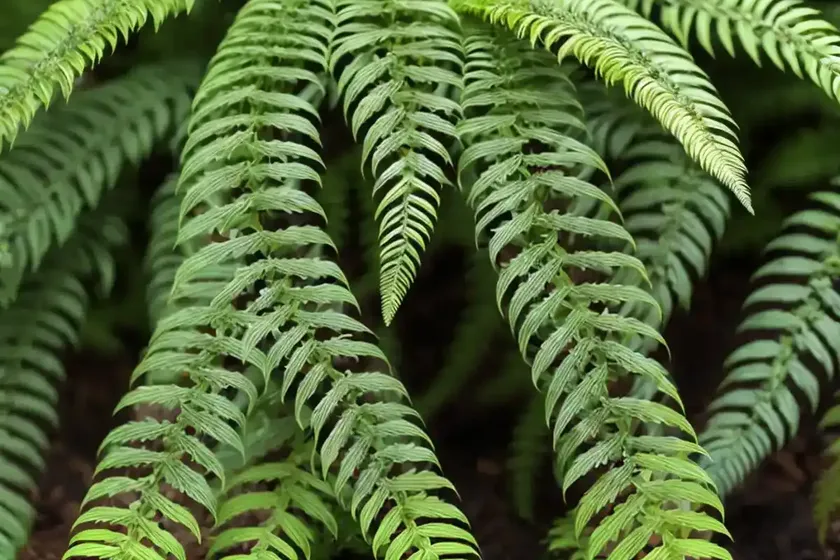
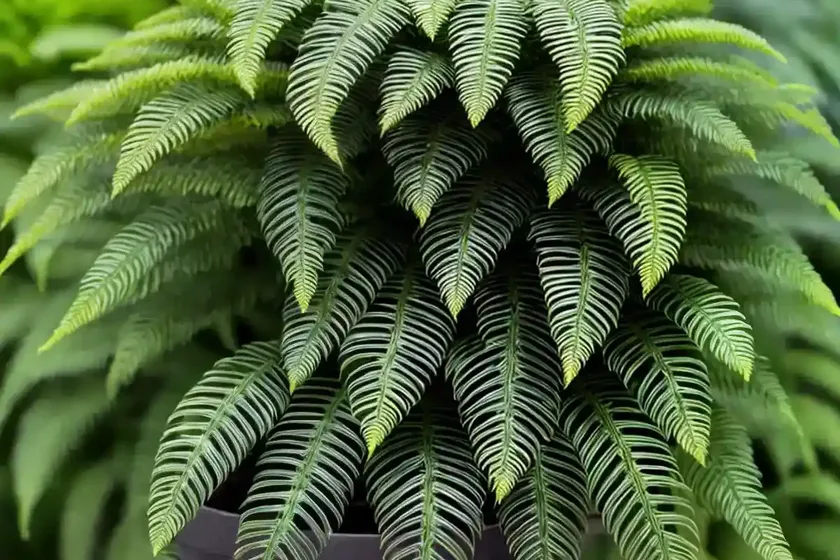
Plants have the remarkable ability to bring life and beauty to any space, whether indoors or outdoors. One such plant that has been gaining popularity for its lush foliage and ease of care is Dyce’s holly fern (Polystichum x dycei). In this comprehensive guide, we will explore all you need to know about this exquisite fern, from its cultivation and care to its uses in landscaping and container gardening.
What is Plant: Dyce’s Holly Fern (Polystichum x dycei)?
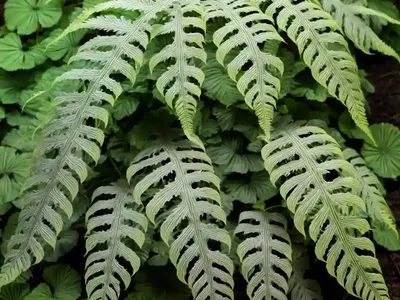
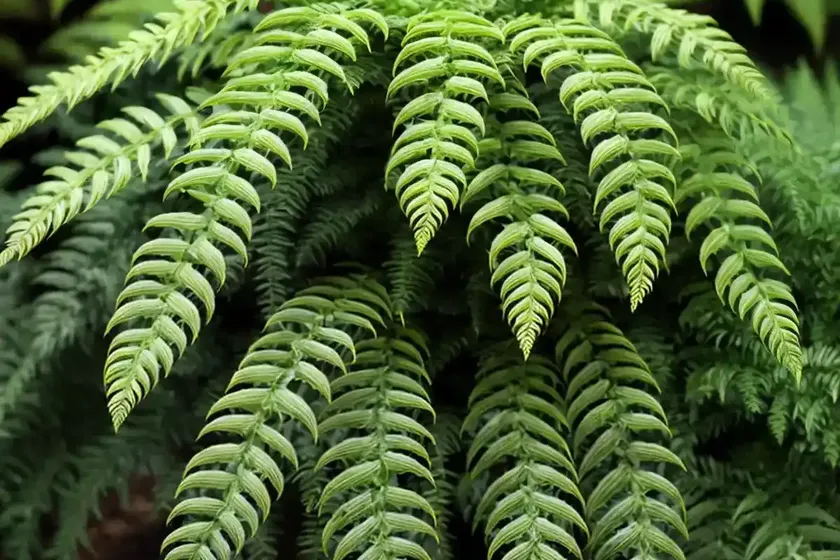
Dyce’s holly fern, scientifically known as Polystichum x dycei, is a hybrid fern that belongs to the family Dryopteridaceae. This evergreen fern is a cross between Polystichum setiferum and Polystichum aculeatum, resulting in a plant that inherits the best characteristics of both parent species. With its lustrous, dark green fronds and elegant growth habit, Dyce’s holly fern adds a touch of timeless beauty to any garden or indoor space.
Key Takeaways – Dyce’s Holly Fern (Polystichum x dycei)
- Scientific Name: Polystichum x dycei
- Common Names: Dyce’s holly fern, Dyce’s shield fern
- Family: Dryopteridaceae
- Type: Evergreen fern
- Origin: Hybrid of Polystichum setiferum and Polystichum aculeatum
Now, let’s delve into the essential aspects of cultivating and caring for Dyce’s holly fern to ensure its vigorous growth and longevity.
Culture
Uses
Dyce’s holly fern is prized for its ornamental value and various uses in landscaping and gardening. Some common uses include:
- Garden Beds: The lush, dark green foliage of Dyce’s holly fern adds texture and depth to garden beds, making it a popular choice for woodland gardens and shaded areas.
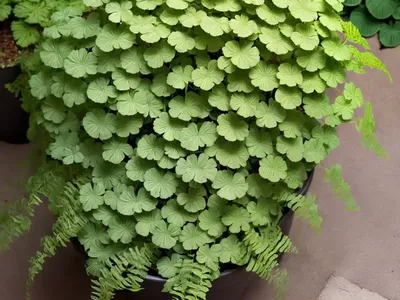
- Containers: Its compact growth habit makes Dyce’s holly fern a perfect choice for containers, adding an elegant touch to decks, patios, and indoor spaces.
- Shade Gardens: As a shade-loving plant, Dyce’s holly fern thrives in areas with limited sunlight, making it an excellent addition to shade gardens and under tree canopies.
- Erosion Control: The dense and fibrous root system of Dyce’s holly fern makes it effective in preventing soil erosion on slopes and embankments.
Water
Proper watering is essential for the health and vitality of Dyce’s holly fern. While it is relatively drought-tolerant once established, consistent moisture is crucial, especially during the establishment phase and in periods of prolonged dryness.
- Establishment: During the initial phases after planting, ensure that the soil around Dyce’s holly fern remains consistently moist but not waterlogged. This encourages strong root development and acclimatization to its new environment.
- Mature Plants: Once established, water deeply and thoroughly when the top inch of the soil feels dry. Aim to keep the soil consistently moist, but avoid overwatering, which can lead to root rot and other issues.
- Container Plants: For ferns grown in containers, ensure proper drainage and water when the top layer of the soil feels slightly dry to the touch.
Sunlight
Dyce’s holly fern thrives in shaded or partially shaded locations, making it an ideal choice for areas with limited sunlight. When it comes to sunlight requirements:
- Shade: Plant Dyce’s holly fern in areas that receive dappled shade or filtered sunlight throughout the day. Avoid placing it in direct, intense sunlight, as this can scorch the delicate fronds.
- Indoor Placement: When grown indoors, place the fern near bright, indirect light. A north or east-facing window generally provides the ideal lighting conditions for indoor Dyce’s holly ferns.
Fertilizer
Feeding Dyce’s holly fern with a balanced fertilizer helps maintain its vibrant green color and supports healthy growth. Here are some essential points to consider when fertilizing this fern:
- Timing: Apply a slow-release balanced fertilizer in spring when new growth emerges. Avoid fertilizing during the dormant winter months.
- Dosage: Follow the manufacturer’s recommendations for the appropriate amount of fertilizer to use. Over-fertilizing can lead to burn, so it’s essential to apply the correct dosage.
- Application: Spread the fertilizer evenly around the root zone of the fern, ensuring that it is well watered after application to prevent root burn.
Soil
Providing the right soil environment is crucial for the well-being of Dyce’s holly fern. Optimal soil conditions for this fern include:
- Moisture Retention: The soil should have good moisture-retaining properties to keep the roots consistently moist. A well-draining, organic-rich soil mix is ideal for Dyce’s holly fern.
- Acidity: Aim for a slightly acidic to neutral soil pH ranging from 5.5 to 7.0. Testing the soil pH and amending it if necessary can help create the ideal growing environment for the fern.
- Organic Matter: Incorporating organic matter such as peat moss, compost, or well-rotted manure into the soil improves its structure and fertility, providing essential nutrients for the fern’s growth.
Pruning
Regular pruning helps maintain the attractive appearance of Dyce’s holly fern and prevents the accumulation of old, tattered fronds. Follow these pruning tips to keep the plant looking neat and healthy:
- Old Fronds: Trim off any old, yellowing, or damaged fronds throughout the growing season. Use clean, sharp scissors or pruning shears to make clean cuts without causing undue stress to the plant.
- Spring Clean-Up: In early spring, before the emergence of new growth, trim back any remaining old fronds to make way for the fresh, vibrant foliage of the new season.
- Sanitation: Remove any fallen or dead fronds from the base of the plant to maintain a tidy and disease-free growing environment for Dyce’s holly fern.
Propagation
Growing Dyce’s holly fern from spores or division allows for the expansion of your fern collection or the sharing of this exquisite plant with fellow gardening enthusiasts. Here’s a closer look at the two primary methods of propagating Dyce’s holly fern:
Spore Propagation
- Collection: Harvest mature spores from the undersides of fertile fronds using a paper envelope or small container.
- Growing Medium: Sow the spores on a sterile growing medium such as a mixture of peat moss and perlite, ensuring moisture and warmth for germination.
- Growth Stages: After germination, monitor the progress of the young ferns, and provide the necessary care until they are large enough to be transplanted.
Division
- Established Plants: Dividing mature clumps of Dyce’s holly fern is an effective way to create new plants. This method is best carried out in early spring before new growth begins.
- Process: Dig up the rhizomes of the fern and carefully separate them into smaller sections, ensuring that each section has viable roots and fronds. Replant the divisions in suitable locations and provide proper care to encourage establishment.
Container Popularity
Dyce’s holly fern’s compact growth habit and low maintenance requirements make it a popular choice for container gardening. Whether placed on patios, balconies, or indoors, this fern adds a touch of elegance to any space. Here are a few reasons why Dyce’s holly fern is a favorite for container gardening:
- Versatility: Its adaptability to container culture makes Dyce’s holly fern suitable for various settings, from urban balconies to traditional garden spaces.
- Aesthetic Appeal: The lush, dark green foliage of the fern provides a striking visual contrast in containers and complements a wide range of other plants and flowers.
- Low Maintenance: With proper care, Dyce’s holly fern thrives in containers, requiring minimal upkeep, making it an ideal choice for busy gardeners and urban dwellers.
Common Diseases
Keeping Dyce’s holly fern healthy involves being mindful of potential diseases and promptly addressing any issues that may arise. Some common diseases that may affect this fern include:
- Leaf Spot: Characterized by dark, irregular spots on the fronds, leaf spot can be managed by removing and disposing of affected foliage and ensuring proper air circulation.
- Root Rot: Overwatering or poorly draining soil can lead to root rot in Dyce’s holly fern. Address this issue by adjusting the watering regimen and improving soil drainage.
- Powdery Mildew: This fungal disease appears as a powdery white coating on the fronds. Prune affected foliage and consider applying a suitable fungicide to manage powdery mildew.
Disease Diagnosis
Prompt diagnosis and treatment are essential for combating diseases in Dyce’s holly fern. When observing signs of disease, consider the following steps to identify and manage the issue:
- Visual Inspection: Examine the fronds and the base of the fern for any abnormalities such as discoloration, spots, or unusual growth.
- Research and Consultation: Utilize reliable plant disease resources and consider seeking advice from local horticultural experts or plant clinics to accurately identify the issue.
- Treatment: Once the disease has been identified, implement the appropriate treatment measures such as pruning affected foliage, adjusting cultural practices, or applying suitable remedies as recommended.
Common Pests
While Dyce’s holly fern is relatively resistant to pests, it may occasionally encounter certain insects and pests that can affect its health. Some common pests to watch out for include:
- Aphids: These tiny, sap-sucking insects may cluster on the fronds, causing distortion and yellowing of the foliage. Use a strong stream of water or an insecticidal soap to manage aphid infestations.
- Spider Mites: These pests may appear as fine webbing on the undersides of fronds and cause stippling or discoloration. Regularly misting the foliage or using predatory mites can help control spider mite populations.
Botanist’s Tips
To ensure the successful cultivation of Dyce’s holly fern and enhance its overall health and beauty, consider these expert tips from botanists and experienced gardeners:
- Mulching: Apply a layer of organic mulch around the base of Dyce’s holly fern to conserve moisture, suppress weeds, and provide essential nutrients as it breaks down.
- Air Circulation: Ensure proper air circulation around the fern to reduce the risk of foliar diseases. Pruning and thinning out dense growth can help improve air movement.
- Winter Protection: In regions with cold winters, consider providing a protective mulch layer or covering to shield Dyce’s holly fern from harsh temperatures and frost damage.
Fun Facts
- Ancient Symbolism: Ferns, including Dyce’s holly fern, have been rich with symbolism across various cultures and are often associated with resilience, new beginnings, and eternal youth.
- Botanical Diversity: The genus Polystichum encompasses a wide range of fern species, each with its unique characteristics and adaptations to diverse habitats.
- Nature’s Textures: The fronds of Dyce’s holly fern exhibit a delicate and intricate texture, adding depth and visual interest to garden landscapes and indoor spaces.
Links to External Resources
- Royal Horticultural Society – Polystichum
- Ohio State University – Growing Ferns Indoors
- American Fern Society
- University of Florida IFAS Extension – Fern Culture in Florida
Dyce’s holly fern stands as an iconic and resilient plant that offers both visual appeal and ease of maintenance, making it an excellent choice for bringing enchanting greenery into your living spaces or garden. With the insights shared in this guide, you are well-equipped to cultivate and care for this exceptional fern, enriching your botanical repertoire and bringing a touch of timeless elegance to your surroundings.