Dwarf-winged Burning Bush (Euonymus Alatus ‘Compactus’)
Dwarf-winged burning bush, scientifically known as Euonymus alatus ‘Compactus’, is a captivating deciduous shrub known for its striking fall colors and.
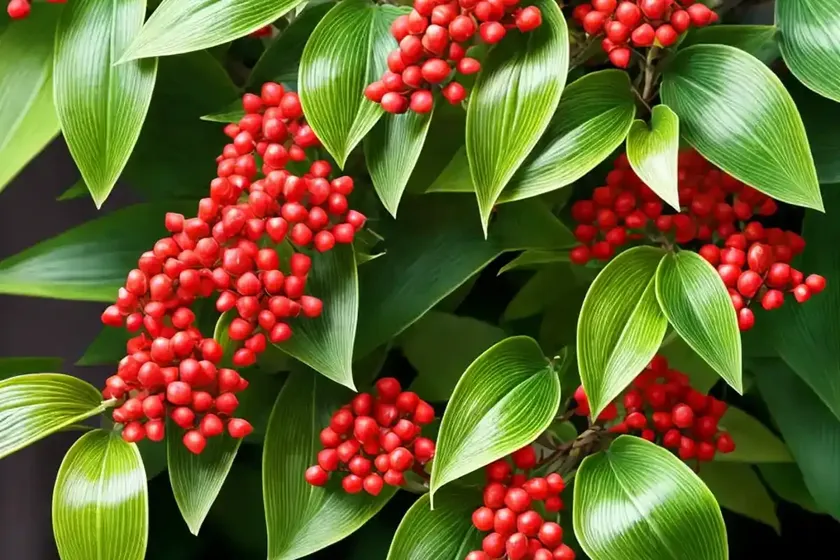
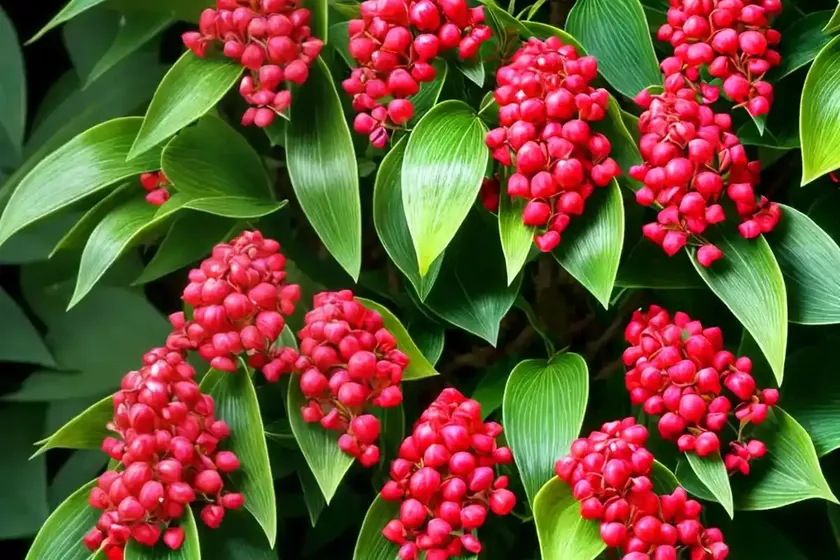
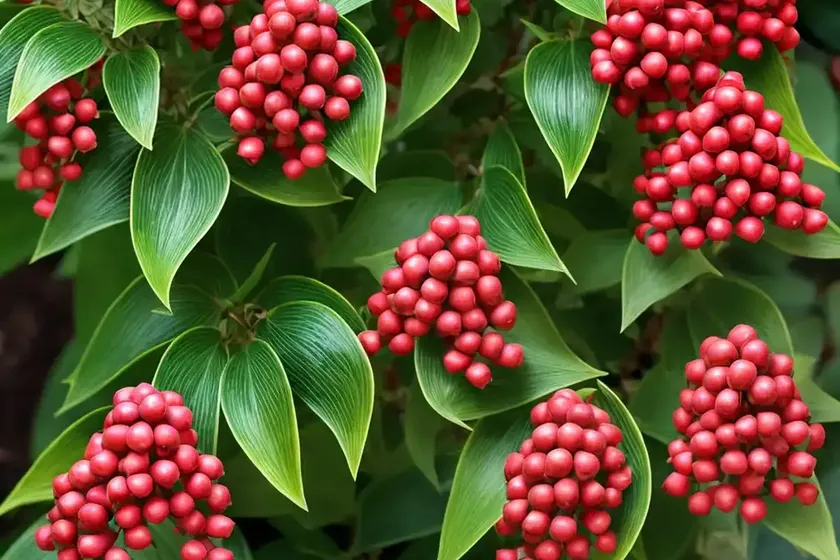
Dwarf-winged burning bush, scientifically known as Euonymus alatus ‘Compactus’, is a captivating deciduous shrub known for its striking fall colors and unique winged stems. This plant belongs to the Celastraceae family and is native to East Asia, particularly China, Japan, and Korea. It has become a popular landscape plant in many parts of the world due to its low maintenance requirements and ornamental appeal.
In this comprehensive guide, we will explore the various aspects of this fascinating plant, including its cultural requirements, uses, maintenance, and common diseases and pests. By understanding its characteristics and needs, you can successfully cultivate and enjoy the beauty of the dwarf-winged burning bush in your garden or landscape.
What is a Plant?
Before delving into the specifics of the dwarf-winged burning bush, it’s essential to understand the fundamental characteristics of plants and their role in the environment.
Definition of a Plant
A plant is a living organism belonging to the kingdom Plantae. These multicellular eukaryotic organisms typically have cell walls made of cellulose and obtain energy through the process of photosynthesis. Plants play a critical role in ecosystems by producing oxygen, serving as food sources for other organisms, and contributing to the overall balance of the environment.
Plants encompass a wide range of species, from small mosses to towering trees, each with unique adaptations that enable them to thrive in various habitats. Through photosynthesis, plants convert sunlight, water, and carbon dioxide into energy, serving as the foundation of food chains and ecological systems.
Key Takeaways – Dwarf-winged Burning Bush (Euonymus Alatus ‘Compactus’)
Let’s start by providing an overview of the key takeaways related to the dwarf-winged burning bush. This will serve as a quick reference for important aspects such as its cultural requirements, uses, and common maintenance practices.
Culture
- Scientific Name: Euonymus alatus ‘Compactus’
- Common Names: Dwarf-winged burning bush, Compact burning bush
- Plant Type: Deciduous shrub
- Native Habitat: East Asia (China, Japan, Korea)
- Family: Celastraceae
- Growth Habit: Compact, spreading
- Mature Height: 6 to 10 feet
- Fall Color: Brilliant red to reddish-purple
Uses
- Landscape Ornamental: Adds vibrant fall color to gardens and landscapes
- Hedge Planting: Suitable for creating hedges and privacy screens
- Wildlife Attraction: Provides shelter and food for birds and small mammals
Water
- Watering Needs: Moderate
- Drought Tolerance: Moderate once established
- Soil Moisture: Well-drained soil preferred
Sunlight
- Sun Exposure: Full sun to partial shade
- Sun Tolerance: Tolerates a wide range of light conditions
Fertilizer
- Fertilization: Minimal requirements; balanced fertilizer in spring if needed
Soil
- Soil Type: Adaptable to various soil types
- Soil pH: Tolerant of different soil pH levels
- Soil Preferences: Well-drained, loamy soil
Pruning
- Pruning Needs: Minimal; periodic maintenance for shaping and size control
- Pruning Time: Best done in late winter or early spring
Propagation
- Propagation Methods: Softwood cuttings, hardwood cuttings, seeds
- Propagation Time: Suitable for propagation in late spring or early summer
Container Popularity
- Container Planting: Suitable for growing in large containers
- Garden Use: Adds visual interest to outdoor containers and planters
Common Diseases
- Disease Resistance: Generally resistant to major diseases
- Fall Maintenance: Removal of fallen leaves to prevent disease spread
Common Pests
- Pests: Minimal susceptibility; occasional issues with scale insects
- Pest Control: Monitor for pests and treat if infestations occur
Botanist’s Tips
- Planting Tips: Choose a well-drained site with adequate room for mature size
- Pruning Techniques: Use clean, sharp tools for precise and healthy pruning
- Fall Color Enhancement: Ensure adequate sunlight for optimal fall foliage
Fun Facts
- The winged stems of Euonymus alatus are a distinctive feature that sets it apart from other shrubs.
- In autumn, the leaves of the dwarf-winged burning bush transition to stunning shades of red and purple, creating a visually striking display.
Links to External Resources
For further information about the dwarf-winged burning bush, consider exploring the following external resources:
- The Spruce – Dwarf Burning Bush
- Missouri Botanical Garden – Euonymus Alatus
- Gardening Know How – Growing Winged Burning Bush
With these key takeaways in mind, we will now delve into each aspect in greater detail, providing insights and practical tips for cultivating and maintaining the dwarf-winged burning bush in your garden or landscape.
Culture
The cultural aspects of a plant encompass its botanical information, native habitat, growth habits, and overall characteristics. Understanding the cultural requirements of the dwarf-winged burning bush is essential for creating a suitable environment for its growth and ensuring its long-term health and vibrancy.
Scientific Name and Common Names
The dwarf-winged burning bush is scientifically known as Euonymus alatus ‘Compactus’. Common names for this plant include compact burning bush, dwarf-winged burning bush, and winged burning bush. These names reflect its compact growth habit and the distinctive winged appearance of its stems, which are particularly pronounced during the colder months.
Plant Type and Native Habitat
Euonymus alatus ‘Compactus’ is a deciduous shrub that belongs to the family Celastraceae. It is native to East Asia, specifically China, Japan, and Korea. In its native habitat, it thrives in a range of environmental conditions, adapting to various soil types and light levels. These adaptive qualities have contributed to its popularity as a landscape plant in regions beyond its native range.
Growth Habit and Size
As its common name implies, the dwarf-winged burning bush exhibits a compact growth habit, making it well-suited for smaller gardens and landscapes. It typically reaches a mature height of 6 to 10 feet, with a spread that is slightly smaller than its height. This manageable size allows for versatile planting options, including hedges, border plantings, and decorative containers.
Fall Color
One of the most captivating features of Euonymus alatus ‘Compactus’ is its stunning fall foliage. As the autumn season approaches, the leaves undergo a vibrant transformation, displaying hues of brilliant red and reddish-purple. This dramatic display of color adds a striking visual element to garden landscapes, making the dwarf-winged burning bush a highly sought-after ornamental plant for fall interest.
Uses
The dwarf-winged burning bush offers diverse uses in garden and landscape settings, ranging from its ornamental value to its practical applications in creating barriers and wildlife habitat.
Landscape Ornamental
Due to its compact size and showy fall color, the dwarf-winged burning bush is widely used as an ornamental plant in landscapes. It serves as a focal point in garden beds, mixed borders, and foundation plantings, offering a splash of rich color during the fall season. When strategically placed, it can enhance the visual appeal of outdoor spaces and complement other plantings within the landscape.
Hedge Planting
The dense, bushy nature of Euonymus alatus ‘Compactus’ makes it well-suited for creating hedges and screens. When planted in multiples and pruned to promote fullness, it forms an effective barrier that provides privacy and defines outdoor spaces. Its robust growth and hardiness make it a valuable choice for establishing natural boundaries and enclosures within residential and commercial properties.
Wildlife Attraction
In addition to its aesthetic appeal, the dwarf-winged burning bush contributes to wildlife habitat by providing shelter and food for birds and small mammals. Its dense foliage offers protection for nesting and roosting, while the small fruits it produces serve as a food source for wildlife. By incorporating this plant into gardens and naturalized areas, individuals can support local biodiversity and create welcoming environments for wildlife.
Water
Understanding the water requirements of the dwarf-winged burning bush is essential for maintaining its health and vigor throughout the growing season.
Watering Needs
As a moderate water user, Euonymus alatus ‘Compactus’ benefits from regular watering to keep the soil evenly moist, especially during the establishment phase. Once mature, it exhibits moderate drought tolerance, requiring less frequent watering during periods of reduced rainfall. However, consistent moisture is still important for optimal growth and foliage health.
Drought Tolerance
While the dwarf-winged burning bush can tolerate periods of drought once it has established a strong root system, it performs best when provided with adequate moisture. During extended dry spells, supplemental watering may be necessary to prevent stress and maintain the plant’s overall vitality. Observing the foliage for signs of wilting or leaf drop can serve as indicators of insufficient water supply.
Soil Moisture
This plant thrives in well-drained soil that retains moisture without becoming waterlogged. Ample soil moisture supports robust growth and can enhance the development of its striking autumn foliage. By monitoring soil moisture levels and adjusting watering practices accordingly, gardeners can ensure that the dwarf-winged burning bush remains healthy and vibrant.
Sunlight
The sunlight requirements of plants are crucial for their growth and performance. Understanding the sunlight preferences of the dwarf-winged burning bush is essential for selecting appropriate planting locations and providing optimal growing conditions.
Sun Exposure
Euonymus alatus ‘Compactus’ thrives in environments with full sun to partial shade. It can adapt to varying light levels, making it suitable for a range of garden settings. In regions with intense sunlight, providing some afternoon shade can help protect the plant from excessive heat and sun exposure, especially during the hottest months of the year.
Sun Tolerance
The dwarf-winged burning bush demonstrates a high level of sun tolerance, allowing it to flourish in sunny locations without experiencing adverse effects from prolonged exposure to sunlight. Its ability to adapt to different light conditions makes it valuable for landscaping purposes, as it can be incorporated into areas with varying degrees of sun exposure without compromising its overall health and appearance.
Fertilizer
Fertilization plays a significant role in providing plants with essential nutrients for growth and development. Understanding the fertilization requirements of the dwarf-winged burning bush can contribute to its overall vigor and visual appeal.
Fertilization
Euonymus alatus ‘Compactus’ generally has minimal fertilizer requirements, as it can thrive in nutrient-balanced soil without additional supplementation. However, if the plant shows signs of nutrient deficiencies, such as pale or yellowing leaves, applying a balanced slow-release fertilizer in the spring can help address these issues and promote healthy growth.
Soil
The soil characteristics and composition directly impact the growth and well-being of plants. Understanding the soil preferences and adaptability of the dwarf-winged burning bush is crucial for creating an environment conducive to its long-term success.
Soil Type
Euonymus alatus ‘Compactus’ adapts well to various soil types, including loamy, sandy, and clay soils. Its versatility allows it to thrive in different soil textures, making it suitable for a wide range of garden and landscape settings. While it is adaptable, providing well-drained soil with good structure and aeration is beneficial for ensuring optimal growth and root health.
Soil pH
The dwarf-winged burning bush exhibits tolerance to different soil pH levels, demonstrating adaptability to acidic, neutral, and slightly alkaline soils. Soil pH within the range of 6.0 to 7.5 is generally suitable for this plant, allowing it to prosper in diverse soil conditions commonly found in garden landscapes.
Soil Preferences
Optimal soil conditions for Euonymus alatus ‘Compactus’ include well-drained, loamy soil that retains moisture without becoming waterlogged. While it is adaptable to various soil types, providing a well-prepared planting site with appropriate soil structure and moisture retention capabilities can contribute to the plant’s overall vitality and performance.
Pruning
Pruning is an essential aspect of plant maintenance, allowing gardeners to shape and manage the growth of ornamental shrubs such as the dwarf-winged burning bush. Understanding the pruning needs and techniques is crucial for effectively managing this plant’s form and size.
Pruning Needs
The dwarf-winged burning bush requires minimal ongoing pruning, as its natural growth habit is relatively compact and well-balanced. Periodic pruning is recommended to maintain its shape, remove damaged or overgrown branches, and manage its size within the desired parameters. By addressing these pruning needs, gardeners can promote the plant’s overall health and visual appeal.
Pruning Time
The best time for pruning Euonymus alatus ‘Compactus’ is in late winter or early spring before new growth begins. This timing allows for the removal of any winter damage while supporting the plant’s renewal and subsequent growth. Care should be taken when pruning to ensure that cuts are made cleanly and are in line with the desired shape and form of the plant.
Propagation
Understanding the propagation methods and timing for the dwarf-winged burning bush is valuable for expanding plantings and establishing new specimens within the landscape.
Propagation Methods
Euonymus alatus ‘Compactus’ can be propagated through several methods, including softwood cuttings, hardwood cuttings, and seeds. Softwood cuttings, taken from new growth in late spring or early summer, offer a reliable means of propagation for producing genetically identical clones of the parent plant. Hardwood cuttings taken in late fall provide another propagation option, while seeds can be collected and sown for growing new plants.
Propagation Time
The optimal time for propagating Euonymus alatus ‘Compactus’ depends on the method used. Softwood cuttings are typically taken in late spring or early summer when the plant is actively growing and producing new shoots. Hardwood cuttings are best taken in late fall after the plant has shed its leaves and entered dormancy. Seeds can be collected in autumn and sown in the following spring for germination and subsequent growth.
Container Popularity
The dwarf-winged burning bush is well-suited for container planting, offering a portable and decorative option for adding visual interest to outdoor spaces.
Container Planting
The compact growth habit and ornamental attributes of Euonymus alatus ‘Compactus’ make it an excellent choice for container planting. When grown in large containers, it can serve as a focal point on patios, balconies, and other outdoor areas. Container-grown specimens also offer the flexibility to be moved to different locations to enhance seasonal displays and landscape arrangements.
Garden Use
In garden settings, incorporating container-grown dwarf-winged burning bush plants adds dimension and variety to outdoor spaces. Their portability allows for creative arrangements in mixed container gardens and planters, contributing to the overall visual appeal of the landscape. When combined with other ornamental plants, they can create captivating displays that evolve with each season.
Common Diseases
Maintaining plant health involves understanding the potential diseases that may affect the dwarf-winged burning bush and implementing preventive measures to mitigate these risks.
Disease Resistance
Euonymus alatus ‘Compactus’ is generally resistant to major diseases, exhibiting robustness and resilience against many common plant pathogens. However, it is essential to monitor the plant for any signs of disease, as prompt detection and management can prevent the spread of potential issues and preserve the plant’s overall health and vitality.
Fall Maintenance
An important fall maintenance task for the dwarf-winged burning bush involves the removal of fallen leaves from the vicinity of the plant. This practice helps prevent the buildup of leaf litter, which can harbor fungal spores and pathogens that may lead to disease development. By maintaining a clean and tidy environment around the plant, gardeners can minimize disease risks and promote a healthy growing environment.
Common Pests
Though Euonymus alatus ‘Compactus’ is generally resistant to major diseases, it may occasionally encounter issues with pests. Understanding common pests and implementing proactive pest control strategies is essential for maintaining the plant’s well-being.
Pests
The dwarf-winged burning bush exhibits minimal susceptibility to pests, with occasional issues related to scale insects. Scale infestations can occur on the stems and foliage, leading to the development of small, armored insects that may affect the plant’s overall vigor and appearance. Regular monitoring and prompt intervention are critical for addressing pest infestations and protecting the plant from potential damage.
Pest Control
To manage pest infestations, gardeners can employ cultural and manual control measures, such as physically removing scale insects from affected plant parts. Additionally, horticultural oils and insecticidal soaps can be used to target and suppress pest populations while minimizing the impact on beneficial organisms and the environment. By integrating these pest control strategies, individuals can safeguard the health and aesthetics of the dwarf-winged burning bush.
Botanist’s Tips
The following tips and recommendations from botanists and horticultural experts can enhance the successful cultivation and care of the dwarf-winged burning bush.
Planting Tips
When selecting a planting site for Euonymus alatus ‘Compactus’, choose a well-drained location that provides adequate room for the plant’s mature size. Consider the surrounding environmental conditions, such as sunlight exposure and soil moisture, to create an optimal growing environment that supports the plant’s long-term health and development.
Pruning Techniques
Pruning the dwarf-winged burning bush requires the use of clean, sharp tools to ensure precise cuts and minimize the risk of damage to the plant. When shaping and maintaining the plant’s form, employ careful pruning techniques that encourage healthy growth and preserve its natural beauty. By implementing proper pruning practices, gardeners can achieve well-groomed specimens that contribute to visually appealing landscapes.
Fall Color Enhancement
To enhance the intensity of the dwarf-winged burning bush’s fall foliage, ensure that the plant receives adequate sunlight exposure during the growing season. Ample sunlight promotes vibrant autumn colors, enriching the visual impact of the plant’s characteristic red and reddish-purple leaves. By optimizing light conditions, gardeners can showcase the full potential of the plant’s fall display.
Fun Facts
Exploring intriguing and captivating aspects of the dwarf-winged burning bush adds depth to our understanding of this unique and ornamental shrub.
Distinctive Winged Stems
The winged stems of Euonymus alatus are a defining feature that sets it apart from other shrubs. These four-ridged stems add visual interest to the plant, particularly during the winter months when the foliage has dropped, creating an appealing structural element in the landscape.
Stunning Autumn Foliage
In autumn, the leaves of the dwarf-winged burning bush undergo a remarkable transformation, transitioning to vibrant shades of red and purple. This visually striking display of color adds depth and richness to garden landscapes, making it a standout feature in fall gardens and contributing to the overall seasonal beauty of outdoor spaces.
With these cultural insights, maintenance tips, and fun facts, you are well-equipped to appreciate and