Dwarf Ruellia (Ruellia Simplex ‘Katie Pink’)
Welcome to this comprehensive guide on dwarf ruellia (Ruellia simplex ‘Katie Pink’). In this article, we will explore the characteristics, cultivation, and.
Welcome to this comprehensive guide on dwarf ruellia (Ruellia simplex ‘Katie Pink’). In this article, we will explore the characteristics, cultivation, and care of this fascinating plant. Whether you’re a gardening enthusiast or a professional landscaper, this guide will provide valuable insights into the cultivation and maintenance of the dwarf ruellia. So, let’s dive in and unravel the wonders of this delightful plant.
What is Dwarf Ruellia (Ruellia simplex ‘Katie Pink’)?
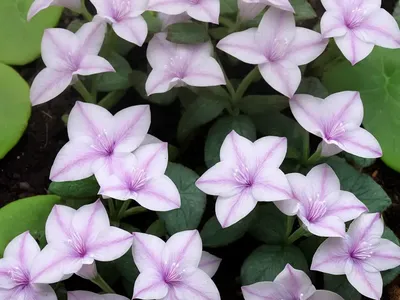
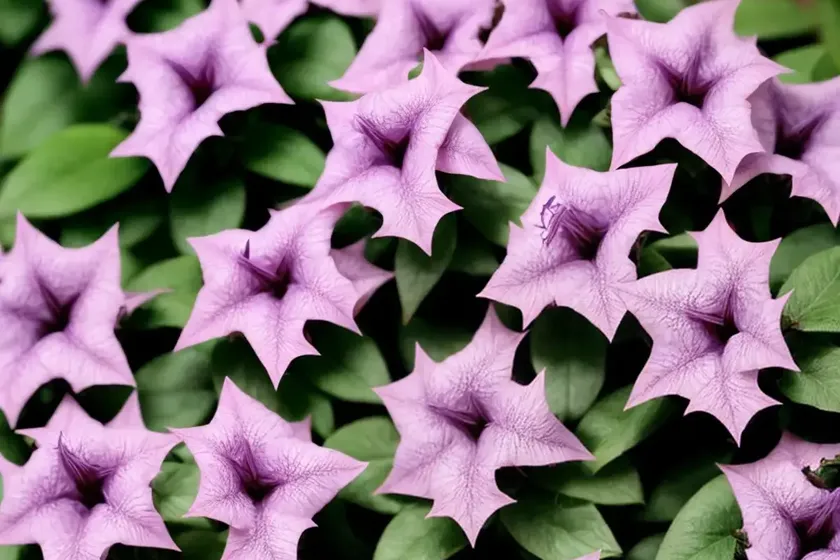
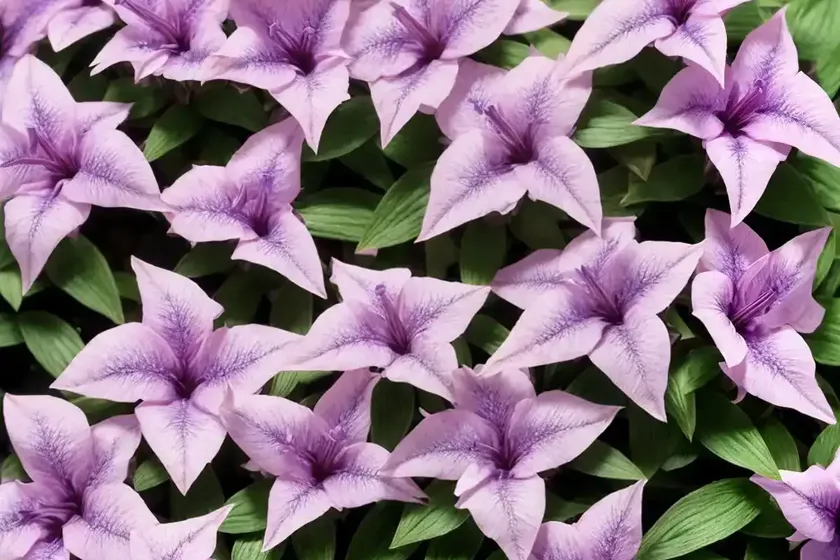
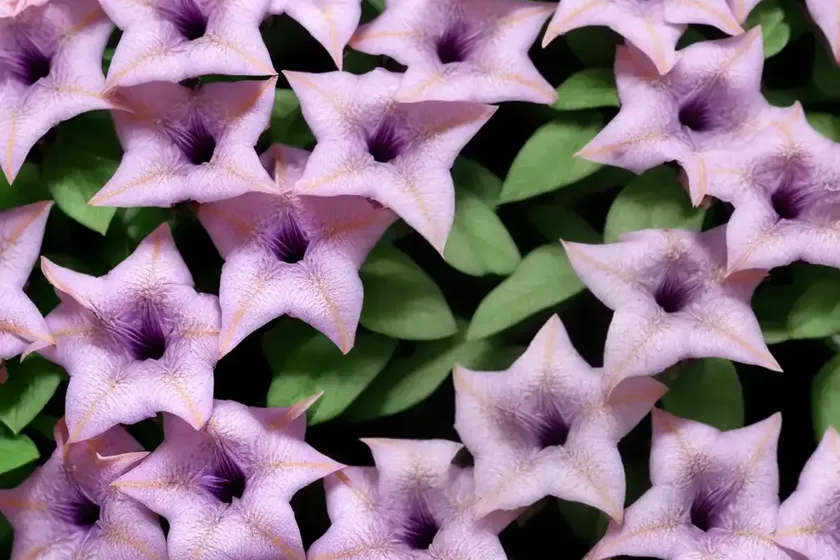
Dwarf ruellia, scientifically known as Ruellia simplex ‘Katie Pink’, is a charming and low-growing perennial plant that belongs to the Acanthaceae family. This plant is also commonly referred to as the dwarf Mexican petunia, Katie Pink ruellia, or pink-flowered ruellia. The ‘Katie Pink’ variety is particularly sought after for its compact growth habit and profusion of pink trumpet-shaped flowers. This plant is native to Mexico and is widely cultivated for its ornamental value in gardens, landscapes, and as a ground cover.
Key Takeaways – Dwarf Ruellia (Ruellia simplex ‘Katie Pink’)
Before delving deeper into the cultivation and care aspects, let’s highlight the key takeaways associated with the dwarf ruellia. These key points will provide a quick overview of what to expect when considering this plant for your garden or landscape.
- Botanical Name: Ruellia simplex ‘Katie Pink’
- Common Names: Dwarf ruellia, Katie Pink ruellia, Pink-flowered ruellia, Dwarf Mexican petunia
- Characteristics: Low-growing, compact growth habit, pink trumpet-shaped flowers
- Maintenance: Relatively low maintenance, with regular pruning and suitable cultural practices
- Uses: Ideal for borders, ground cover, container gardening, and landscape designs
- Water Requirements: Moderate water needs, adaptable to varying moisture conditions
- Sunlight Needs: Thrives in full sun to partial shade, adaptable to different light conditions
- Soil Preferences: Well-drained soil, adaptable to various soil types
- Propagation: Easily propagated through division and seeds
- Pest and Disease Control: Susceptible to certain pests and diseases, requiring vigilance and appropriate control measures
Now that we have a snapshot of the dwarf ruellia’s key characteristics, let’s delve deeper into its culture, uses, care, and maintenance requirements.
Culture
Water
Proper watering is crucial for the healthy growth and blooming of dwarf ruellia plants. While this plant is adaptable to varying moisture conditions, it thrives best with consistent moisture during its active growing season. It is essential to water the plant deeply but infrequently, allowing the soil to dry out slightly between watering sessions. However, during periods of drought or high temperatures, regular watering is necessary to prevent the plant from wilting.
Sunlight
Dwarf ruellia plants exhibit versatility in their light requirements and can thrive in both full sun and partial shade conditions. When planted in a location with full sun exposure, these plants tend to produce more abundant blooms, resulting in a visual spectacle of pink flowers. However, they also perform well in partial shade, making them suitable for a range of garden and landscape settings.
Fertilizer
To promote healthy growth and flowering, periodic fertilization is recommended for dwarf ruellia plants. A balanced, all-purpose fertilizer can be applied during the growing season, following the manufacturer’s instructions for dilution and application frequency. Additionally, incorporating organic matter into the soil before planting can provide essential nutrients and support the plant’s overall vigor.
Soil
Dwarf ruellia plants prefer well-drained soil with a good balance of moisture retention and aeration. While they can adapt to various soil types, ensuring proper drainage is essential to prevent waterlogged conditions that can be detrimental to the plant’s health. Amending the soil with organic matter, such as compost or well-rotted manure, can enhance its fertility and structure, creating an optimal growing environment for the dwarf ruellia.
Pruning
Regular pruning helps maintain the compact and tidy appearance of dwarf ruellia plants while encouraging continuous blooming. The plants can be pruned to remove spent flowers, promote branching, and control their growth. Additionally, pruning can help manage the plant’s size and shape, making it suitable for borders, pathways, and landscape designs. It is advisable to use sharp, clean pruning shears to avoid damaging the plant and to minimize the risk of disease transmission.
Propagation
Dwarf ruellia plants can be easily propagated through division and seeds, offering opportunities to expand their presence in the garden or landscape. Division, typically done in the early spring, involves separating the plant into smaller sections, each containing roots and shoots, which can then be replanted to establish new growth. The collection and sowing of seeds from mature flower capsules is another method of propagation, providing a cost-effective means of generating new plants.
Container Popularity
The compact growth habit and ornamental appeal of dwarf ruellia make it well-suited for container gardening. When planted in containers, these plants can serve as striking additions to patios, balconies, and outdoor living spaces, adding splashes of pink and green to the surroundings. Their adaptability to different light conditions further enhances their suitability for container cultivation, providing options for creative displays and arrangements.
Container Common Diseases
While dwarf ruellia is relatively resilient, certain diseases can affect its health and vitality. Being aware of common diseases and their symptoms can facilitate early intervention and control measures to prevent significant damage to the plants. Some of the common diseases that may impact dwarf ruellia plants include:
- Powdery Mildew: This fungal disease presents as a white, powdery coating on the leaves and stems, leading to reduced photosynthesis and stunted growth.
- Leaf Spot: Characterized by dark spots on the leaves, leaf spot diseases can weaken the plant and affect its overall appearance.
- Root Rots: Excessive moisture and poor drainage can contribute to root rot diseases, causing wilting, yellowing of leaves, and eventual decline of the plant.
Disease diagnosis
Early detection and accurate diagnosis of diseases are essential for implementing effective control measures. Regular inspection of the plants for any signs of abnormal growth, discoloration, or visible symptoms can aid in identifying potential disease issues. Additionally, consulting with local horticultural experts and utilizing diagnostic resources can help in determining the specific nature of a plant’s disease and the appropriate treatment methods.
Common pests
While dwarf ruellia plants are generally resistant to pest infestations, certain insects can pose potential threats and require vigilant monitoring. Common pests that may affect these plants include:
- Aphids: These small, soft-bodied insects feed on the plant’s sap, causing distortion and discoloration of the leaves.
- Spider Mites: Infestations of spider mites can result in stippled, discolored foliage and the formation of fine webbing on the plants.
- Whiteflies: Whiteflies can cause damage by feeding on the plant’s sap and spreading viral diseases, leading to reduced vigor and stunted growth.
Botanist’s Tips
As a plant scientist and enthusiast, I would like to share some valuable tips for the successful cultivation and care of dwarf ruellia (Ruellia simplex ‘Katie Pink’). These insights are based on scientific knowledge and practical experience, aiming to support the optimal growth and well-being of these remarkable plants.
- Mulching: Applying a layer of organic mulch around the base of the plants can help conserve soil moisture, suppress weed growth, and enhance the overall growing conditions for the dwarf ruellia.
- Companion Planting: Consider incorporating companion plants with contrasting colors, textures, and growth habits to create visually appealing combinations and enhance the aesthetic appeal of the garden or landscape.
- Environmental Considerations: Assess the specific environmental conditions, such as humidity levels and air circulation, to ensure an optimal growing environment for the plants, particularly in regions with variable climatic patterns.
Fun Facts
To add a touch of fascination and intrigue to our exploration of the dwarf ruellia, here are some delightful fun facts about this captivating plant:
- The pink flowers of the dwarf ruellia exhibit a delicate trumpet shape, attracting pollinators such as bees and butterflies to the garden.
- This plant has a rich history of traditional uses, with its roots and leaves being employed in herbal remedies and traditional medicine in certain cultures.
- The compact growth habit and adaptability of the dwarf ruellia make it a popular choice for sustainable landscaping practices and water-wise garden designs.
Links to External Resources
As we conclude our comprehensive guide to dwarf ruellia (Ruellia simplex ‘Katie Pink’), it’s essential to explore reliable external resources to further expand our understanding and knowledge of this unique plant. The following links provide access to reputable sources, botanical databases, and horticultural resources dedicated to the study and appreciation of plants:
- The Royal Horticultural Society (RHS)
- Botanical Gardens Conservation International (BGCI)
- Missouri Botanical Garden
- American Society of Plant Biologists (ASPB)
By leveraging these external resources, enthusiasts, professionals, and researchers can access a wealth of information, research findings, and educational materials related to the cultivation, conservation, and botanical significance of plants, including the captivating dwarf ruellia.
In conclusion, the dwarf ruellia (Ruellia simplex ‘Katie Pink’) stands as a delightful botanical marvel, blending ornamental beauty with resilient growth attributes. Its versatility in landscaping, adaptability to various growing conditions, and alluring pink flowers make it a valuable addition to gardens, landscapes, and container displays. By embracing the insights and recommendations presented in this guide, enthusiasts and horticultural practitioners can embark on a rewarding journey of cultivating and appreciating the enchanting qualities of the dwarf ruellia plant.