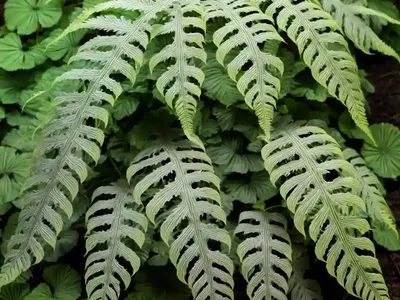
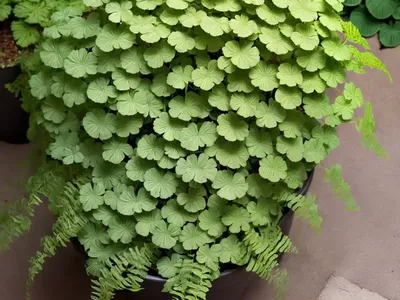
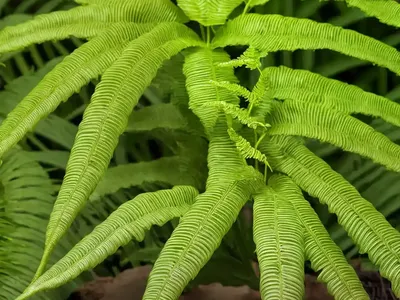
Dwarf Holly Fern (Polystichum Luctuosum)
The dwarf holly fern, scientifically known as Polystichum luctuosum, is a charming and versatile perennial plant that belongs to the Polystichum genus..
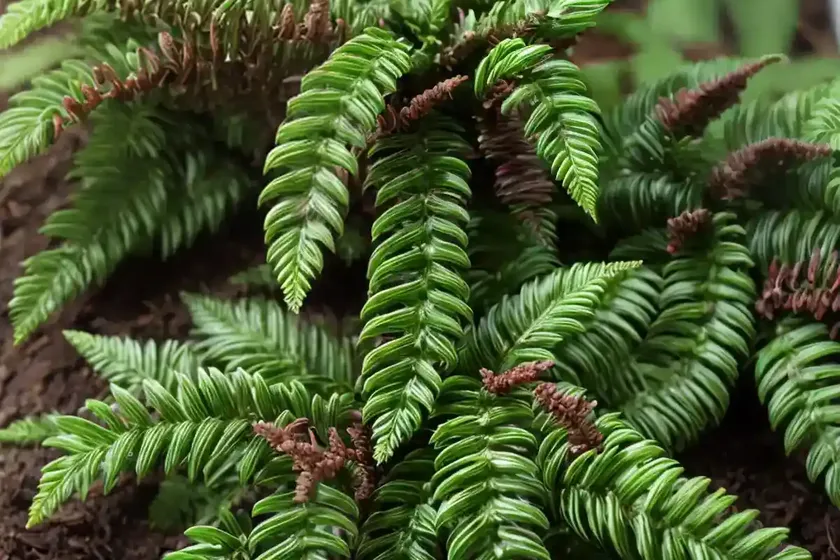
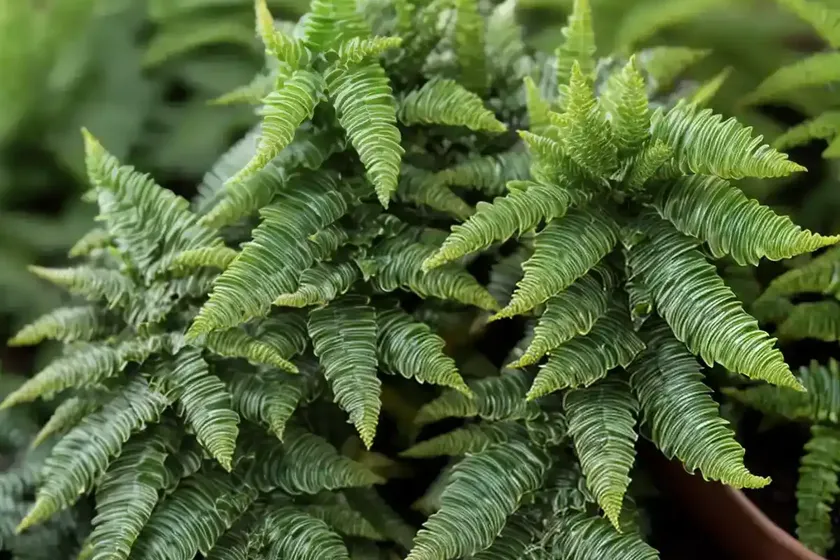
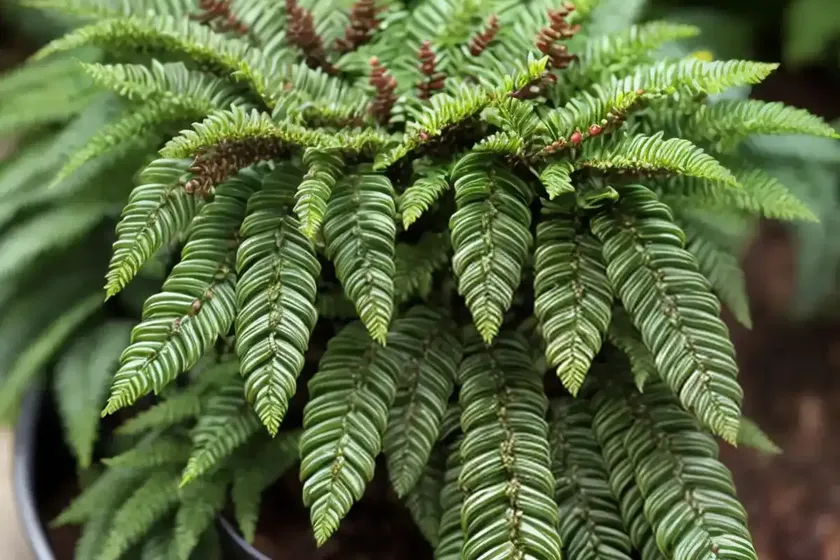
The dwarf holly fern, scientifically known as Polystichum luctuosum, is a charming and versatile perennial plant that belongs to the Polystichum genus. This species is a member of the Dryopteridaceae family, which is commonly referred to as the wood fern family. It is also sometimes called the Japanese holly fern due to its holly-like appearance.
Key Takeaways – Dwarf Holly Fern (Polystichum luctuosum)
Before delving into more details about the dwarf holly fern, let’s take a look at some key takeaways to pique your interest:
- The Polystichum luctuosum, or dwarf holly fern, is an eye-catching perennial fern with distinctive holly-like fronds.
- It is favored for its attractive foliage and adaptability to various growing conditions, making it a valuable addition to both indoor and outdoor gardens.
- This plant is ideal for shaded or woodland gardens and can be cultivated in containers, adding an elegant touch to any space.
Now, let’s explore the fascinating attributes and practical considerations associated with cultivating and caring for the dwarf holly fern.
Culture
The dwarf holly fern is known for its ease of cultivation and ornamental value. It is a hardy evergreen plant, capable of adding year-round interest to a garden. This fern typically grows in a neat, rounded form and requires minimal maintenance, making it an excellent choice for both novice and experienced gardeners.
Uses
The dwarf holly fern offers various practical and aesthetic uses in landscaping and horticulture. Some common uses and applications of Polystichum luctuosum include:
-
Shaded Gardens: Due to its preference for shady environments, the dwarf holly fern is an excellent choice for shaded gardens. Its elegant foliage provides a vibrant contrast to other shade-loving plants.
-
Container Planting: This versatile fern can be grown in containers, making it a desirable choice for interior décor or outdoor spaces such as patios, balconies, and courtyards.
-
Woodland Landscapes: In naturalized woodland settings, the dwarf holly fern thrives in the dappled shade, adding a touch of elegance to the landscape.
-
Erosion Control: The dense growth habit of the dwarf holly fern makes it suitable for stabilizing soil on slopes and preventing erosion.
-
Focal Point: This fern can serve as a focal point in garden beds or borders, drawing attention with its distinctive fronds.
-
Ground Cover: When planted in groups, the dwarf holly fern can form an attractive ground cover, creating visual interest while suppressing weed growth.
Water
Proper watering is crucial for the health and vitality of the dwarf holly fern. While this plant is relatively drought-tolerant once established, it thrives in consistently moist soil. However, it is imperative to ensure adequate drainage to prevent waterlogged conditions, which can be detrimental to the fern’s root system.
Watering Needs of Dwarf Holly Fern
- Frequency: During the growing season, regular watering is essential, especially in periods of extended drought or high temperatures. Aim to keep the soil consistently moist but avoid overwatering.
- Moisture Retention: Applying a layer of organic mulch around the base of the plant can help retain soil moisture and regulate temperature, promoting optimal growing conditions for the fern.
- Indoor Care: If cultivating the dwarf holly fern as a houseplant, ensure that it receives adequate humidity, which can be achieved through methods such as misting or the use of a humidifier.
Sunlight
As a shade-loving plant, the dwarf holly fern thrives in environments with filtered or indirect sunlight. While it can tolerate some morning sun or dappled light, prolonged exposure to direct sunlight can scorch the delicate fronds and lead to foliage damage. Therefore, it is crucial to provide the appropriate light conditions to ensure the plant’s health and vigor.
Polystichum Luctuosum Light Requirements
- Shaded Environments: This fern prefers partial to full shade, making it an excellent choice for gardens with limited direct sunlight. It can thrive under the canopy of larger trees or alongside tall structures that provide shelter from intense sunlight.
- Indoor Settings: When grown as a houseplant, position the dwarf holly fern near north-facing windows or in areas with subdued light to mimic its natural habitat.
Fertilizer
To support the healthy growth and development of the dwarf holly fern, it is beneficial to provide appropriate fertilization. A balanced, slow-release fertilizer can help supply essential nutrients and sustain the plant’s vigor throughout the growing season.
Fertilizing Dwarf Holly Fern
- Application Frequency: Apply a controlled-release fertilizer once a year in early spring to provide a steady source of nutrients for the fern.
- Dosage: Follow the recommended dosage instructions on the fertilizer packaging, as excessive application can lead to fertilizer burn or nutrient imbalances.
- Organic Alternatives: Alternatively, organic fertilizers such as compost or well-decomposed manure can be utilized to nourish the fern and enhance soil fertility naturally.
Soil
The selection of suitable potting soil or garden soil is instrumental in ensuring the well-being of the dwarf holly fern. It thrives in rich, well-draining soil with a slightly acidic to neutral pH. Additionally, the soil should possess good moisture retention properties without becoming waterlogged.
Dwarf Holly Fern Potting Soil
- Soil Composition: Utilize a blend of peat moss, loamy soil, and perlite to create a well-aerated and moisture-retentive potting mix for container cultivation.
- Garden Soil: In garden beds, ensure that the soil is loamy, humus-rich, and well-draining to provide an optimal growing environment for the fern.
- Soil pH: Aim for a slightly acidic to neutral soil pH range (pH 5.5-7.0) to accommodate the preferences of the dwarf holly fern.
Pruning
Pruning plays a significant role in maintaining the dwarf holly fern’s attractive appearance and promoting healthy growth. While this plant generally maintains a tidy growth habit, occasional pruning or grooming can help remove damaged fronds, encourage new growth, and enhance the overall aesthetics of the fern.
Pruning Dwarf Holly Fern
- Winter Clean-Up: In late winter or early spring, trim away any discolored or spent fronds to promote fresh, healthy growth for the upcoming growing season.
- Sanitation: Use clean, sharp pruning tools to minimize the risk of disease transmission and ensure clean cuts when removing foliage.
- Controlled Removal: When pruning, avoid removing an excessive number of fronds, as this can hinder the fern’s ability to photosynthesize and produce energy.
Propagation
The propagation of the dwarf holly fern allows for the expansion of its presence in the garden or the creation of additional plants for distribution. While this fern is primarily propagated by division, other methods such as spore propagation can also be employed to propagate new specimens.
Plant Propagation Methods
Division:
- Division Timing: Divide established clumps of the dwarf holly fern in early spring before new growth begins, allowing the divided segments to establish before the onset of summer.
- Segment Selection: Carefully separate the root ball into sections, ensuring that each division possesses healthy roots and several fronds for successful establishment.
Spore Propagation:
- Spore Collection: Gather mature, viable spores from the undersides of fertile fronds and place them in a moist, sterile growing medium to initiate germination.
- Germination Requirements: Maintain high humidity and indirect light for the spore culture, providing a suitable environment for spore development and subsequent gametophyte growth.
Container Popularity
Due to its compact growth habit and adaptability to container cultivation, the dwarf holly fern has gained popularity as a favored option for indoor and outdoor container gardening. Its elegant foliage and low maintenance requirements make it an excellent choice for adding a touch of greenery to various settings.
Container Gardening with Dwarf Holly Fern
- Container Selection: Choose a container with adequate drainage holes and sufficient depth to accommodate the fern’s root system. Consider decorative pots that complement the fern’s aesthetic appeal.
- Indoor Décor: The dwarf holly fern can thrive as a houseplant, gracing interior spaces with its graceful presence while purifying the air and contributing to a healthier indoor environment.
- Outdoor Settings: When placed on patios, terraces, or verandas, container-grown dwarf holly ferns can serve as focal points or accents, enhancing the visual appeal of outdoor living spaces.
Common Diseases
While the dwarf holly fern is relatively resistant to pests and diseases, certain environmental conditions or cultural practices can predispose it to specific issues. Recognizing common diseases and promptly addressing them is crucial for maintaining the fern’s health and vitality.
Disease Diagnosis
- Fungal Diseases: Keep an eye out for signs of fungal infections such as leaf spots, powdery mildew, or root rot, which can occur in excessively moist or poorly ventilated conditions.
- Cultural Issues: Yellowing fronds, stunted growth, or wilting can be indicative of cultural problems such as overwatering, inadequate drainage, or nutrient deficiencies.
Common Pests
The dwarf holly fern is generally resistant to pest infestations; however, certain insects may still pose a threat to its well-being. Vigilance and proactive pest management strategies can help safeguard the fern from potential pest-related damage.
Polystichum Luctuosum Pests
- Spider Mites: Keep an eye out for signs of spider mite infestations, particularly in warm, dry conditions. These pests can cause stippling and webbing on the undersides of fronds, leading to diminished plant vigor.
- Snails and Slugs: In outdoor settings, monitor for the presence of snails and slugs, which may feed on the fern’s tender foliage, resulting in unsightly damage.
Botanist’s Tips
As a plant scientist, I would like to offer some valuable tips for cultivating and caring for the dwarf holly fern based on its unique requirements and characteristics:
- Moisture Management: Pay close attention to soil moisture levels, especially during the growing season, to ensure that the dwarf holly fern receives adequate hydration without experiencing waterlogged conditions.
- Foliage Protection: Shield the fern from intense midday sun and harsh winds, as these environmental factors can lead to desiccation and foliage damage. Position the plant in locations with filtered light to support optimal growth.
- Nutrient Considerations: Provide a balanced fertilizer in spring to supply essential nutrients, but avoid excessive fertilization, which can lead to salt buildup in the soil and negatively impact the fern’s health.
Fun Facts
- The name “luctuosum” in the scientific name Polystichum luctuosum is derived from the Latin word “luctus,” meaning sorrow or mourning, potentially alluding to the somber appearance of this fern’s fronds.
- The dwarf holly fern is native to regions such as Japan, Korea, and parts of eastern Asia, where it thrives in the cool, shaded understory of forests and woodlands.
Links to External Resources
For additional information on the dwarf holly fern and related topics, you may find the following resources helpful: