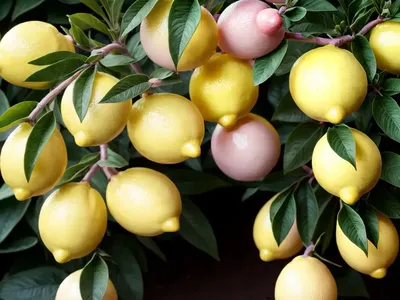
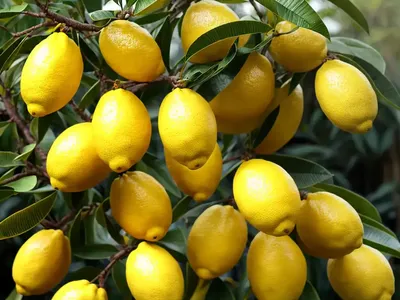
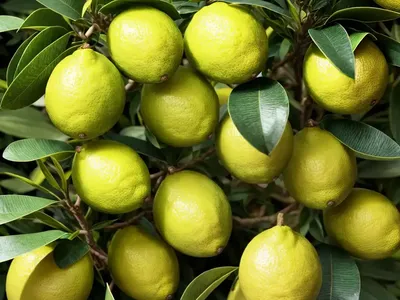
Dwarf Eureka Lemon (Citrus Limon ‘eureka’)
As plant scientists, we are fascinated by the diverse botanical world and the plethora of plant species that grace our planet. Among these, dwarf citrus.
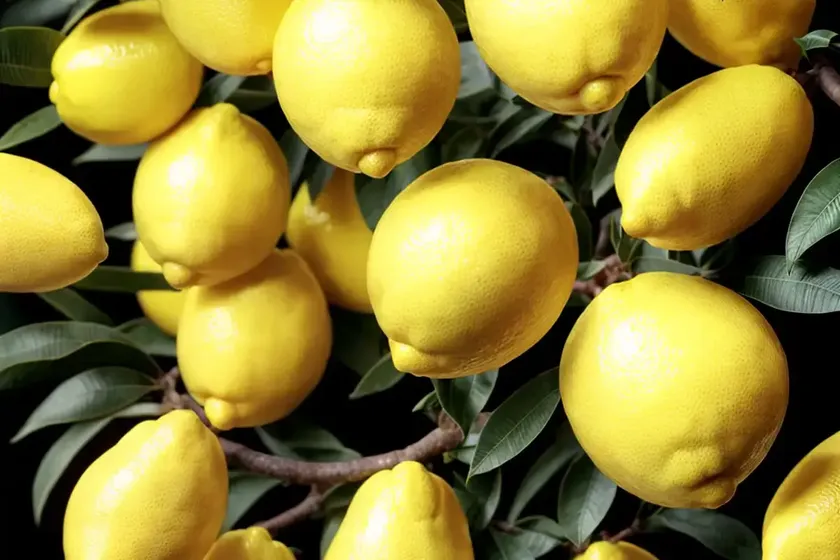
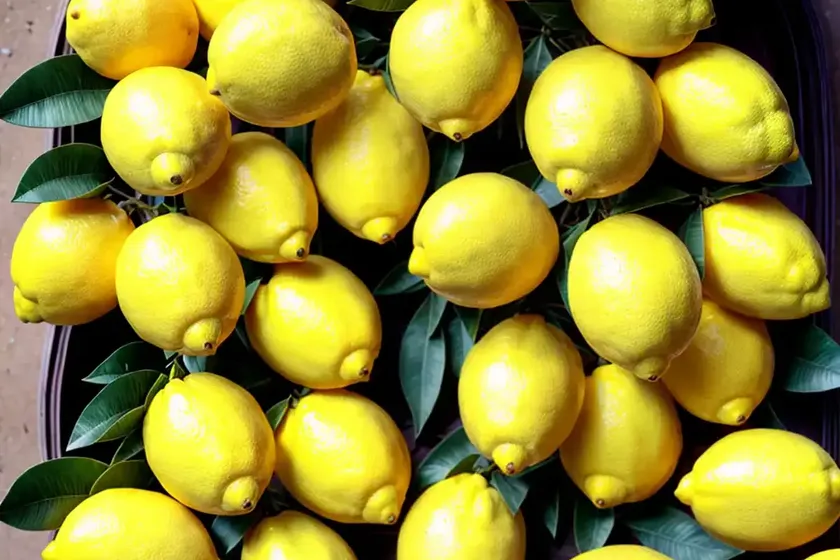
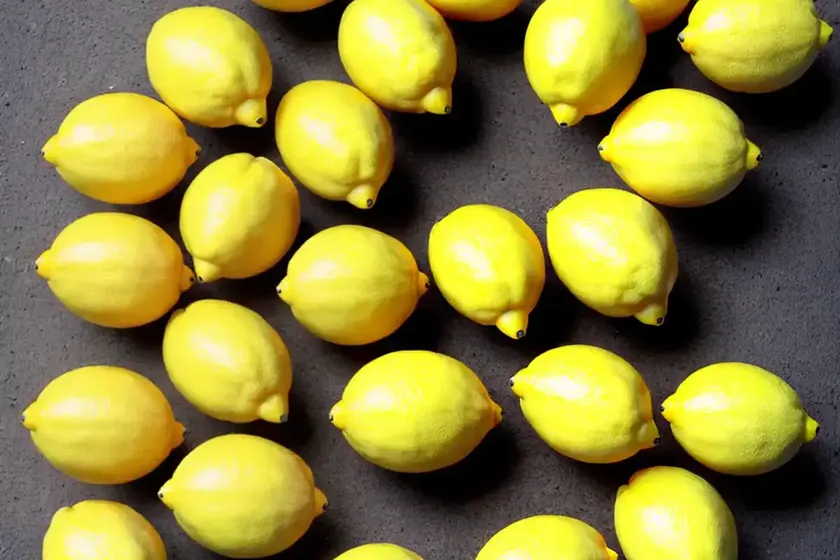
As plant scientists, we are fascinated by the diverse botanical world and the plethora of plant species that grace our planet. Among these, dwarf citrus plants hold a special place, particularly the charming Dwarf Eureka Lemon (Citrus Limon ‘eureka’). Renowned for its compact size, luscious fruits, and ornamental appeal, the Dwarf Eureka Lemon is a captivating addition to any garden or indoor setting. In this comprehensive guide, we will delve into the culture, uses, care, and maintenance of this delightful citrus variety. Whether you are a seasoned gardener or a budding plant enthusiast, this guide will equip you with the knowledge to nurture and enjoy the bountiful rewards of the Dwarf Eureka Lemon.
What is a Dwarf Eureka Lemon?
The Dwarf Eureka Lemon, scientifically known as Citrus Limon ‘eureka’, is a miniature cultivar of the common Eureka Lemon tree. Belonging to the citrus plant family, Rutaceae, this compact lemon tree is prized for its small size, making it an ideal choice for urban gardens, patios, and even indoor cultivation.
The Eureka Lemon, from which the dwarf variety derives, is one of the most widely grown lemon types in the world. Its origins trace back to California in the mid-1800s, and it has since established itself as a favored citrus crop due to its prolific fruit-bearing capacity and adaptable nature.
Key Takeaways – Dwarf Eureka Lemon (Citrus Limon ‘eureka’)
Before we delve into the specifics of cultivating and caring for the Dwarf Eureka Lemon, let’s outline the key takeaways that we will explore in detail throughout this guide.
Culture
- Understanding the optimal cultural conditions for the Dwarf Eureka Lemon, including aspects such as temperature tolerance and environmental requirements.
Uses
- Exploring the versatile uses of the fruit, leaves, and overall ornamental value of the Dwarf Eureka Lemon.
Water
- Guidelines for watering the plant to maintain healthy growth and fruit production.
Sunlight
- Determining the ideal sunlight exposure for the Dwarf Eureka Lemon to promote vigorous growth and abundant fruiting.
Fertilizer
- Selecting and applying appropriate fertilizers to optimize the tree’s health and fruit quality.
Soil
- Discussing the suitable soil characteristics and pH levels for cultivating healthy Dwarf Eureka Lemon trees.
Pruning
- Techniques for pruning and shaping the tree to enhance its structure, productivity, and aesthetics.
Propagation
- Methods of propagating Dwarf Eureka Lemon trees to expand your citrus garden or share the joy of growing such a delightful plant with others.
Container Popularity
- Understanding the increasing popularity of growing Dwarf Eureka Lemon in containers and the benefits it offers to urban gardeners and indoor plant enthusiasts.
Container Common Diseases and Diagnosis
- Identifying and addressing common diseases that affect container-grown Dwarf Eureka Lemon trees to ensure their long-term health and vitality.
Common Pests
- Recognizing prevalent pests that can afflict the Dwarf Eureka Lemon and effective strategies for pest management.
Botanist’s Tips
- Expert advice and tips from botanists and horticulturists to help you care for your Dwarf Eureka Lemon and troubleshoot common issues.
Fun Facts
- Discovering intriguing and fascinating facts about the Dwarf Eureka Lemon to deepen your appreciation for this diminutive citrus delight.
Culture
Cultivating the Dwarf Eureka Lemon successfully begins with understanding its specific cultural requirements. Providing the right environment, care, and attention is essential for the tree to thrive and yield an abundant harvest of flavorful lemons.
Temperature Tolerance
The Dwarf Eureka Lemon, like its standard-sized counterpart, is sensitive to frost and chilly temperatures. It thrives in USDA hardiness zones 9-11, where the climate is relatively warm and mild. If you reside in a region with colder winters, consider container cultivation for the ability to move the plant indoors during inclement weather.
Environmental Requirements
-
Humidity: The Dwarf Eureka Lemon appreciates moderate humidity levels, making it well-suited for regions with reasonably humid climates. In drier environments, occasional misting can help maintain an adequate level of moisture around the plant.
-
Air Circulation: Good air circulation is beneficial for the overall health of the plant. Ensure that the growing area allows for gentle air movement to prevent the onset of fungal diseases and promote robust growth.
Uses
The Dwarf Eureka Lemon is a multifaceted plant, offering a range of uses that extend beyond its culinary contributions. Let’s explore the various ways in which this diminutive citrus tree can enrich your garden and daily life.
Culinary Delights
The primary and most celebrated use of the Dwarf Eureka Lemon is, undoubtedly, its delectable fruits. The tangy, acidic juice of the Eureka Lemon is a staple in countless culinary creations, adding zing to dishes, beverages, and desserts.
Culinary Applications:
-
Cooking: Enhance savory dishes, marinades, and dressings with freshly squeezed lemon juice for a burst of citrusy flavor.
-
Baking: Utilize lemon zest and juice to impart a refreshing taste to cakes, cookies, tarts, and pastries, or prepare homemade lemon curd for a sweet and tangy spread.
-
Beverages: Elevate your drinks with a twist of lemon, whether it’s a classic lemonade, a refreshing citrus-infused water, or a zesty addition to cocktails and mocktails.
Ornamental Beauty
Beyond its culinary contributions, the Dwarf Eureka Lemon possesses ornamental value with its fragrant blossoms, glossy green foliage, and vibrant yellow fruits. It can serve as a charming accent plant in gardens, patios, and even indoor spaces.
Ornamental Uses:
-
Landscape Enhancement: Incorporate the diminutive lemon tree into your garden landscape to introduce a touch of fresh greenery and pops of yellow when the lemons ripen.
-
Patio Décor: Adorn your patio or balcony with the potted Dwarf Eureka Lemon, adding a sensory and visual allure to your outdoor living space.
-
Indoor Cultivation: Cultivate the Dwarf Eureka Lemon indoors, gracing your home with its aromatic blooms, lush leaves, and the promise of homegrown lemons.
Aromatic Elixir
The fragrant flowers and leaves of the Dwarf Eureka Lemon impart a delightful citrus scent, making them a prized ingredient in aromatherapy and natural home care remedies.
Aromatherapy and Home Uses:
-
Essential Oils: Extract essential oils from the lemon blooms and leaves to create natural air fresheners, room sprays, and aromatic oils for relaxation and revitalization.
-
Potpourri and Infusions: Dry the lemon leaves and blossoms to produce fragrant potpourri or infuse them in sachets to add a pleasant lemony aroma to your closets, drawers, and living spaces.
Medicinal and Health Benefits
Lemons, including those derived from the Dwarf Eureka Lemon tree, offer a range of potential health benefits due to their rich content of vitamin C and other essential nutrients. While the dwarf variety produces smaller fruits, they offer the same nutritional advantages as standard-sized lemons.
Health and Wellness Applications:
-
Vitamin C Source: Incorporate freshly squeezed Dwarf Eureka Lemon juice into your diet to boost your immune system and promote overall health with its high vitamin C content.
-
Natural Remedies: Explore holistic remedies and wellness practices using components of the lemon tree, such as its leaves and fruit, in teas, tinctures, and DIY skincare preparations.
Decorative Crafts and Projects
The versatile components of the Dwarf Eureka Lemon, from its leaves to its fruits, can be utilized in various creative endeavors, including decorative crafts and DIY projects.
Artistic and Decorative Uses:
-
Centerpieces: Arrange fresh lemon foliage and blossoms to create vibrant and aromatic centerpieces for your dining table or special events.
-
Holiday Décor: Incorporate dried lemon slices and peels into wreaths, garlands, and decorative arrangements for festive home décor.
-
Natural Dyes: Utilize the vivid pigments of lemon peels to create natural dyes for fabric, paper, and artistic endeavors.
Water
Like all plants, adequate water is crucial for the health and vitality of the Dwarf Eureka Lemon tree. Understanding when and how to water your citrus tree is essential for fostering optimal growth and abundant fruiting.
Watering Guidelines:
-
Consistent Moisture: Ensure that the soil around your Dwarf Eureka Lemon remains consistently moist but not waterlogged. Irrigate the tree as per its specific needs, adjusting the frequency based on environmental conditions such as temperature and humidity.
-
Deep Watering: When watering, aim to provide deep hydration to encourage the development of a robust root system. Allow the top inch of soil to dry out slightly before the next watering to prevent issues related to waterlogging and root rot.
-
Container Cultivation: If growing the Dwarf Eureka Lemon in a pot or container, be mindful of its water requirements, as containers can dry out more quickly than garden soil. Check the moisture level regularly and water as needed to maintain an even balance of moisture.
Signs of Underwatering and Overwatering:
-
Underwatering: Wilting leaves, drooping branches, and dry, parched soil are indicative of insufficient watering, signaling the need to provide additional water to the tree.
-
Overwatering: Excessive moisture can lead to waterlogged soil, root suffocation, and the onset of fungal diseases. Symptoms of overwatering include yellowing leaves, leaf drop, and a musty odor emanating from the soil.
Sunlight
Adequate sunlight exposure is crucial for the Dwarf Eureka Lemon tree to thrive and produce an abundance of fruits. Understanding its sunlight requirements will ensure the tree’s healthy development and prolific yield.
Sunlight Requirements:
-
Full Sun: The Dwarf Eureka Lemon thrives in full sunlight, requiring at least 6-8 hours of direct sunlight per day to promote robust growth, flowering, and fruiting.
-
Sheltered Locations: In exceptionally hot or arid climates, provide partial afternoon shade to shield the tree from scorching sun exposure, particularly during the peak of summer.
-
Indoor Cultivation: When growing the Dwarf Eureka Lemon indoors, position it in a bright, sunny location, such as near a south-facing window, to ensure it receives ample natural light.
Fertilizer
Proper fertilization plays a pivotal role in nurturing healthy and fruitful Dwarf Eureka Lemon trees. Understanding the fertilization requirements and selecting suitable fertilizers will contribute to the plant’s vigor and fruit quality.
Fertilization Guidelines:
-
Balanced Formulation: Utilize a balanced, slow-release fertilizer specifically formulated for citrus trees to provide the essential nutrients, including nitrogen, phosphorus, and potassium, necessary for robust growth and fruit production.
-
Frequency: Apply fertilizer to the Dwarf Eureka Lemon tree in spring and summer, following the recommended dosage and frequency as per the instructions provided by the manufacturer and based on the tree’s age and size.
-
Organic Options: Consider incorporating organic fertilizers, such as composted manure or organic citrus feed, to provide a natural and sustainable source of nutrients for the tree.
Signs of Nutrient Deficiencies:
-
Nitrogen Deficiency: Symptoms include overall yellowing of leaves (chlorosis), stunted growth, and reduced fruit production. Address nitrogen deficiencies by applying a nitrogen-rich fertilizer as per the recommended dosage.
-
Potassium Deficiency: Leads to leaf yellowing and browning along the edges, diminished fruit quality, and increased susceptibility to stress factors. Utilize a potassium-enriched fertilizer to rectify potassium deficiencies and bolster the tree’s resilience.
-
Phosphorus Deficiency: Manifests as stunted growth, weak root development, and reduced fruiting. Encourage healthy phosphorus levels by applying a phosphorus-containing fertilizer according to the manufacturer’s instructions.
Soil
The soil in which the Dwarf Eureka Lemon is cultivated plays a critical role in its growth, health, and fruiting capacity. Understanding the optimal soil characteristics and pH level will provide the foundation for a thriving citrus tree.
Soil Requirements:
-
Well-Draining Soil: Ensure that the soil is well-draining to prevent waterlogged conditions, which can compromise the health of the plant and lead to root-related issues.
-
Loamy Texture: Opt for a loamy soil mix that offers a blend of sand, silt, and clay, promoting good aeration, moisture retention, and nutrient availability for the tree’s roots.
-
Acidic pH: Citrus trees, including the Dwarf Eureka Lemon, thrive in slightly acidic soil with a pH range of 5.5 to 6.5. Test the soil pH periodically and amend it as needed to maintain the ideal acidity level.
Soil Amendments:
-
Organic Matter: Incorporate organic amendments, such as compost, well-rotted manure, or peat moss, into the soil to enhance its structure, fertility, and moisture retention capacity.
-
Mulching: Apply a layer of organic mulch around the base of the Dwarf Eureka Lemon tree to conserve moisture, suppress weed growth, and insulate the roots from temperature fluctuations.
Pruning
Pruning is an essential aspect of citrus tree care, including the Dwarf Eureka Lemon. Proper pruning techniques promote a well-structured tree, optimize fruit production, and contribute to overall plant health and longevity.
Pruning Guidelines:
-
Deadwood Removal: Regularly prune out dead, damaged, or diseased branches to maintain the tree’s health and vitality, preventing the spread of infection and promoting new growth.
-
Thinning Out: Thin out crowded or crossing branches to improve air circulation and light penetration throughout the canopy, reducing the risk of fungal diseases and enhancing fruit development.
-
Shape Maintenance: Shape the tree to encourage an open, upright growth habit, facilitating ease of access for sunlight and air to reach all parts of the tree.
-
Pruning Frequency: Conduct annual pruning during late winter or early spring, avoiding the peak growth period, to minimize stress on the tree and maximize its regenerative capacity.
Pruning Tools:
-
Sharp Pruners: Utilize sharp, clean pruning shears or loppers to make precise cuts, minimizing the risk of tearing and injuring the tree’s bark and branches.
-
Disinfection: Disinfect pruning tools before and after use by wiping the blades with a solution of 70% alcohol or a household disinfectant, reducing the transfer of pathogens from one part of the tree to another.
Propagation
Propagating the Dwarf Eureka Lemon allows you to expand your citrus collection, share the joy of growing citrus trees with others, and preserve the desirable characteristics of this delightful cultivar.
Propagation Methods:
-
Cuttings: Propagate the Dwarf Eureka Lemon using semi-hardwood cuttings taken from healthy, disease-free branches. Ensure that the cuttings have several nodes and leaves, and utilize a rooting hormone to encourage successful root development.
-
Air Layering: Employ the air layering method to create clones of the parent tree by inducing roots to form on a section of a branch while it is still attached to the tree.
-
Grafting: Combine the desirable characteristics of the Dwarf Eureka Lemon with the resilient rootstock of a compatible citrus variety through grafting, creating a new citrus tree with the desired traits.
-
Seed Propagation: While the Dwarf Eureka Lemon can be grown from seed, keep in mind that it may not retain all the traits of the parent tree and can take several years to reach fruit-bearing maturity.
Successful Rooting:
-
Propagation Medium: Utilize a well-draining, sterile propagation medium, such as a mix of perlite and peat moss, to promote healthy root development and minimize the risk of soil-borne diseases.
-
Humidity Control: Maintain a consistently humid environment around the cuttings or air layers to encourage the formation of roots, employing techniques such as misting and the use of a transparent covering to retain moisture.
Container Popularity
The growing popularity of cultivating the Dwarf Eureka Lemon in containers has broadened its appeal, especially for urban gardeners, small-space enthusiasts, and those seeking to bring a touch of greenery into their homes.
Benefits of Container Cultivation:
-
Space Efficiency: The compact size of the Dwarf Eureka Lemon makes it well-suited for container cultivation, allowing even the smallest of spaces, such as balconies and patios, to accommodate a fruitful citrus tree.
-
Portability: Container-grown citrus trees offer the flexibility to move the plant to sheltered locations during adverse weather conditions, protecting it from harsh elements and temperature extremes.
-
Indoor Versatility: The Dwarf Eureka Lemon thrives indoors when provided with adequate light, offering the opportunity for individuals in apartments or regions with inclement weather to enjoy a productive citrus tree.
Container Selection:
-
Size and Drainage: Choose a container with sufficient depth and width to accommodate the root system of the Dwarf Eureka Lemon while ensuring that it provides adequate drainage to prevent waterlogging.
-
Material: Opt for a sturdy, frost-resistant container, such as terracotta, resin, or fiberglass, that can withstand outdoor conditions and provide insulation for the roots.
-
Growing Medium: Select a high-quality, well-draining potting mix formulated for citrus trees to provide a supportive and fertile environment for the tree’s roots.
-
Indoor Considerations: When growing the Dwarf Eureka Lemon indoors, opt for a decorative and functional container that complements your interior décor while meeting the tree’s horticultural needs.
Container Common Diseases and Disease Diagnosis
Growing the Dwarf Eureka Lemon in containers offers unique benefits but also presents specific challenges related to diseases and disorders that can affect containerized citrus trees.
Common Container Diseases:
-
Root Rot: Excessive moisture in the container, particularly due to poor drainage, can lead to root rot, characterized by wilting, yellowing leaves, and a foul odor emanating from the soil.
-
Citrus Scab: This fungal disease manifests as raised, scabby lesions on the leaves and fruit, diminishing their aesthetic appeal and potentially affecting the tree’s vigor.
-
Phytophthora Root Rot: A soil-borne pathogen, Phytophthora can cause root rot and decline in container-grown citrus trees, leading to wilting, leaf drop, and overall poor health.
Disease Diagnosis:
-
Symptom Observation: Regularly inspect the leaves, branches, and soil of your containerized Dwarf Eureka Lemon for signs of disease, including discoloration, lesions, unusual growths, and pest infestations.
-
Diagnostic Assistance: If you suspect disease or abnormalities in your citrus tree, seek the guidance of a horticulturist, extension service, or plant clinic to accurately diagnose the issue and receive tailored recommendations for management.
Common Pests
Pests can pose a significant threat to the health and fruiting capacity of the Dwarf Eureka Lemon, necessitating proactive pest management strategies to safeguard the tree from infestations.
Pest Identification:
-
Citrus Leaf Miner: The larvae of this insect tunnel through the leaves, leaving visible trails and causing damage to the foliage, potentially reducing the tree’s photosynthetic capacity.
-
Aphids: Small, sap-sucking pests that congregate on the undersides of leaves, aphids can weaken the tree and secrete honeydew, which can lead to the development of sooty mold.
-
Citrus Mealybugs: Mealybugs feed on the plant’s sap and excrete honeydew, leading to leaf distortion,