Dwarf Chin Cactus (Gymnocalycium Baldianum)
Plants have always fascinated humanity with their diversity, beauty, and adaptability. They are essential for our environment, food sources, and even.
Introduction
Plants have always fascinated humanity with their diversity, beauty, and adaptability. They are essential for our environment, food sources, and even aesthetic pleasure. One such captivating plant is the Dwarf Chin Cactus, scientifically known as Gymnocalycium baldianum. This diminutive cactus is a splendid addition to any plant enthusiast’s collection and can thrive both indoors and outdoors. In this comprehensive guide, we will explore the enthralling characteristics and various aspects of caring for the Dwarf Chin Cactus.
What is the Dwarf Chin Cactus (Gymnocalycium baldianum)?
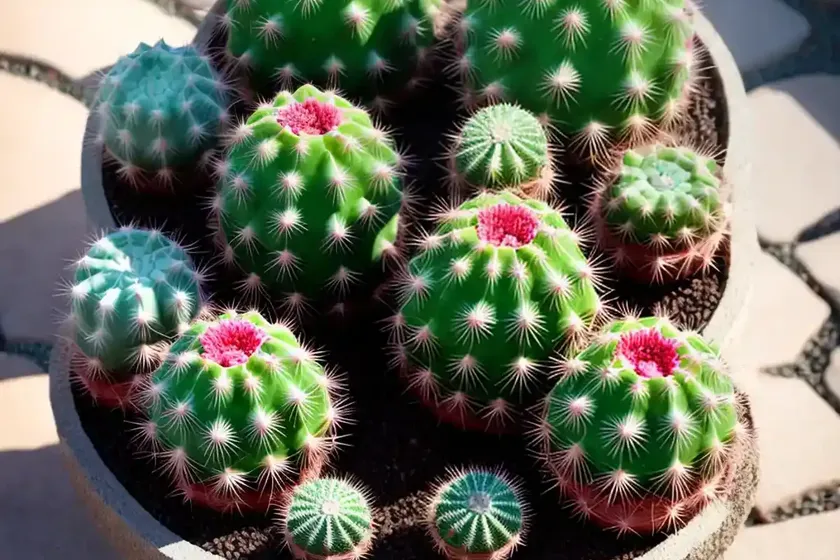
The Dwarf Chin Cactus, Gymnocalycium baldianum, is a species of cactus native to South America, specifically Argentina. It belongs to the Cactaceae family and is renowned for its diminutive size and striking appearance. The plant’s name “Gymnocalycium” is derived from the Greek words “gymnos,” meaning naked, and “kalyx,” meaning calyx, which together allude to the lack of hair or spines on the flower tube. The species epithet, “baldianum,” honors the Italian botanist Antonio Baldi.
Key Takeaways – Dwarf Chin Cactus (Gymnocalycium baldianum)
Before diving into the details of caring for the Dwarf Chin Cactus, let’s explore some of its key characteristics and features:
- Scientific Name: Gymnocalycium baldianum
- Common Name: Dwarf Chin Cactus
- Family: Cactaceae
- Native Habitat: Argentina
- Size: Small, reaching up to 3-4 inches (7-10 cm) in height and 3-4 inches (7-10 cm) in diameter
- Growth: Slow-growing
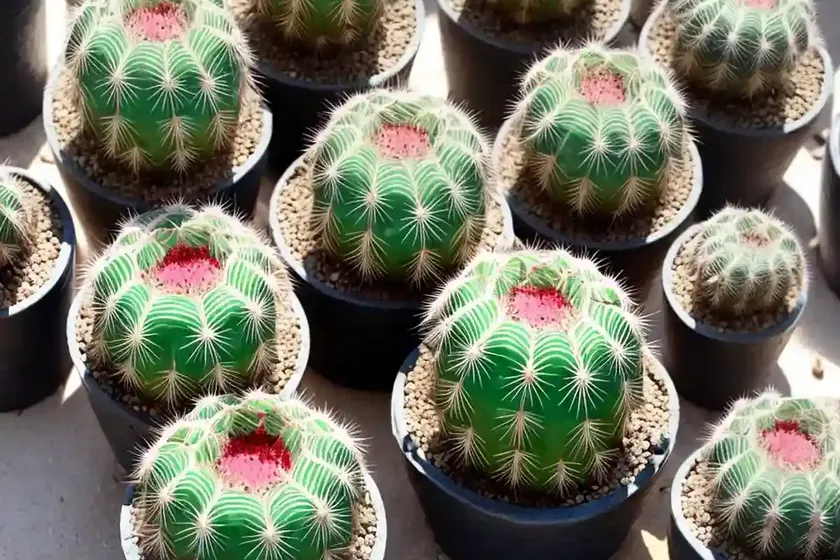
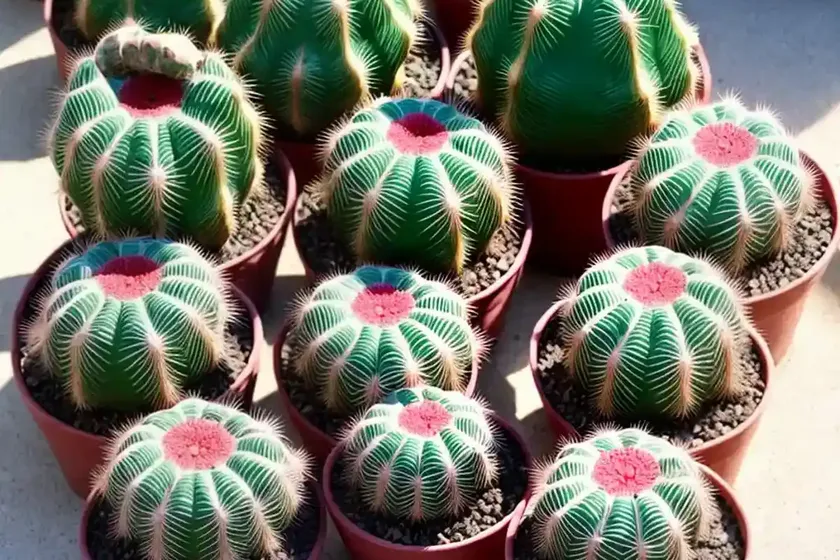
- Special Features: Showy flowers, vibrant colors, and ridged ribs
- Uses: Ornamental plant, suitable for rock gardens, containers, and indoor cultivation
Culture
Uses
The Dwarf Chin Cactus is primarily cultivated for its ornamental value. Its charming appearance and compact size make it ideal for various uses, including:
- Indoor Decor: Due to its small size, the Dwarf Chin Cactus is perfect for decorating windowsills, shelves, or desks.
- Rock Gardens: Its low-growing and clustering habit makes it an excellent choice for rock gardens and succulent landscapes.
- Container Gardens: The Dwarf Chin Cactus thrives in containers, allowing enthusiasts to create stunning succulent arrangements or miniature desert gardens.
Water
Proper watering is crucial for the health and vitality of the Dwarf Chin Cactus. As with most cacti, it is essential to follow a watering routine that mimics its natural habitat. Here are some essential tips for watering this delightful cactus:
- Frequency: Water the Dwarf Chin Cactus sparingly, allowing the soil to dry out between waterings. In the growing season (spring and summer), water the plant when the top inch (2.5 cm) of the soil is dry. Reduce watering during the dormant period in winter.
- Watering Technique: When watering, ensure that the water thoroughly penetrates the soil, but always allow excess water to drain away. Avoid leaving the plant sitting in water, as this can lead to root rot.
- Soil Moisture: Use a well-draining cactus mix to prevent waterlogging and promote healthy root development.
Sunlight
Proper sunlight exposure is vital for the Dwarf Chin Cactus to thrive and display its remarkable features. Consider the following guidelines for providing adequate sunlight to this delightful cactus:
- Sun Exposure: Place the Dwarf Chin Cactus in a location that receives plenty of bright, indirect sunlight. In its natural habitat, it grows in the partial shade of rocks and shrubs, so it appreciates similar conditions in cultivation.
- Indoor Placement: If grown indoors, position the cactus near a south- or west-facing window to ensure it receives ample sunlight. Rotate the plant periodically to promote even growth and prevent etiolation (stretching) due to reaching for light.
Fertilizer
While the Dwarf Chin Cactus is relatively low-maintenance, occasional fertilization can bolster its growth and blooming potential. Use the following tips for fertilizing this delightful cactus:
- Fertilizer Type: Use a balanced, water-soluble cactus fertilizer or a specialized succulent fertilizer. These formulations are tailored to the nutritional needs of cacti and other succulents.
- Application Frequency: Fertilize the Dwarf Chin Cactus sparingly, applying the fertilizer at half strength every 2-3 months during the growing season.
- Avoid Excess Fertilization: Over-fertilization can harm the plant, so it’s crucial to follow the recommended dosage and frequency.
Soil
The right soil conditions are essential for the health and development of the Dwarf Chin Cactus. Create an optimal growing medium for this delightful plant by considering the following soil-related aspects:
- Well-Draining Mix: Plant the Dwarf Chin Cactus in a well-draining cactus or succulent mix to prevent water retention and promote aeration of the roots.
- Soil Components: A typical cactus mix consists of components such as sand, perlite, peat, and coarse gravel. These ingredients facilitate rapid drainage and prevent the soil from becoming compacted.
Pruning
Pruning requirements for the Dwarf Chin Cactus are minimal due to its slow growth and diminutive size. However, if the plant develops damaged or desiccated stems, they can be carefully removed using sterile pruning tools to maintain the plant’s aesthetics and health.
Propagation
For plant enthusiasts looking to expand their collection or share the joy of cultivating the Dwarf Chin Cactus, propagation methods such as offsets or seeds can be employed to create new plants. Here are some essential pointers for propagating this captivating cactus:
- Offset Division: The Dwarf Chin Cactus naturally produces offsets or “pups” around the base of the parent plant. Carefully remove these offsets and allow the cut ends to callus before planting them in a suitable growing medium.
- Seed Propagation: Growing the Dwarf Chin Cactus from seed is a rewarding but time-consuming process. Sow the seeds in a well-draining, moist cactus mix and provide the appropriate warmth and light for germination.
Container Popularity
The Dwarf Chin Cactus is exceptionally popular among container gardeners and succulent enthusiasts due to its diminutive size and charming appearance. Its suitability for container cultivation opens up a myriad of creative possibilities for displaying this delightful cactus. Here are a few popular container ideas and arrangements featuring the Dwarf Chin Cactus:
- Miniature Desert Garden: Combine the Dwarf Chin Cactus with other small succulents and decorative rocks to create a mesmerizing miniature desert landscape in a shallow container.
- Terrarium Display: Showcase the beauty of this cactus in a glass terrarium, along with other succulents and miniature accessories, to create a captivating indoor garden.
- Succulent Wreath: Incorporate the Dwarf Chin Cactus into a living succulent wreath, along with other drought-tolerant plants, for a stunning and unique display.
Common Diseases
Despite being relatively resilient, the Dwarf Chin Cactus is susceptible to certain diseases and issues that can impact its health and vigor. Understanding common diseases and their diagnosis is crucial for maintaining the plant’s well-being. Some common diseases and ailments of the Dwarf Chin Cactus include:
- Root Rot: Overwatering or waterlogged soil can lead to root rot, which manifests as discolored, mushy roots. Ensure that the soil dries out between waterings to mitigate the risk of this fungal disease.
- Pests and Pathogens: Mealybugs, spider mites, and aphids are common pests that can affect the Dwarf Chin Cactus. Regular inspection and early intervention can prevent these pests from causing extensive damage.
- Sunburn: Excessive exposure to intense sunlight, especially during hot summer months, can cause sunburn on the cactus’s skin. This appears as discolored or dried patches on the plant’s surface.
Disease Diagnosis
Accurately diagnosing diseases and issues affecting the Dwarf Chin Cactus is essential for implementing timely and effective treatments. When assessing the health of the cactus, consider the following diagnostic factors:
- Visual Symptoms: Observing the appearance of the plant, including changes in color, texture, and overall vitality, can provide valuable clues about potential diseases and issues.
- Root Examination: Carefully inspect the roots for signs of rot, discoloration, or decay, as these can indicate overwatering or unfavorable soil conditions.
- Pest Inspection: Regularly check the Dwarf Chin Cactus for common pests such as mealybugs, spider mites, or aphids. Look for characteristic signs of infestation, such as webbing, honeydew, or visible pests on the plant’s surface.
Common Pests
Pests can pose a significant threat to the health and appearance of the Dwarf Chin Cactus, necessitating proactive pest control measures to safeguard the plant. Understanding the common pests that affect this cactus and employing appropriate control strategies is essential. Here are some prevalent pests and effective pest control methods for the Dwarf Chin Cactus:
- Mealybugs: These white, cottony insects commonly infest cacti and succulents, feeding on the plant’s sap and causing stunted growth and wilting. Control mealybugs by physically removing them with a cotton swab dipped in alcohol or applying insecticidal soap.
- Spider Mites: These tiny arachnids can create fine webbing on the cactus and cause stippling or discoloration of the foliage. Combat spider mites by regularly misting the plant to increase humidity and applying insecticidal soap or neem oil.
- Aphids: These small, pear-shaped insects feed on the sap of the cactus, potentially causing leaf distortion and yellowing. Control aphids using a strong jet of water to dislodge them from the plant or applying insecticidal soap.
Botanist’s Tips
As a plant scientist and enthusiast, I offer the following tips and recommendations for cultivating and caring for the captivating Dwarf Chin Cactus:
- Temperature Considerations: Protect the Dwarf Chin Cactus from extreme temperatures, particularly frost and prolonged exposure to intense heat. Provide adequate insulation or move the plant to a sheltered location during temperature extremes.
- Air Circulation: Ensure proper air circulation around the plant to prevent the development of fungal diseases and discourage pest infestations.
- Periodic Inspection: Regularly inspect the cactus for signs of disease, pests, or environmental stress, and address any issues promptly to maintain its health and vigor.
Fun Facts
To enhance your appreciation for the Dwarf Chin Cactus, here are some intriguing and delightful fun facts about this captivating plant:
- Longevity: Some Gymnocalycium species, including G. baldianum, have the potential to live for several decades, making them enduring companions for plant enthusiasts.
- Flower Diversity: The Dwarf Chin Cactus produces an array of colorful flowers, including shades of pink, red, white, and yellow, adding a delightful pop of color to its compact form.
- Landscape Accent: In its natural habitat, Gymnocalycium baldianum can thrive in rocky and arid environments, adding visual interest to its surroundings with its striking appearance.
Links to External Resources
For additional information on the care and cultivation of the Dwarf Chin Cactus, I recommend exploring the following authoritative resources:
- The Cactus and Succulent Society of America (CSSA): The CSSA offers a wealth of information on cacti and succulents, including species profiles, cultivation tips, and access to a community of knowledgeable enthusiasts.
- Royal Horticultural Society (RHS): The RHS provides comprehensive guidance on growing and caring for a wide range of plants, including valuable insights into succulent cultivation and maintenance.
In conclusion, the captivating Dwarf Chin Cactus (Gymnocalycium baldianum) is a delightful addition to any collection of succulents and cacti. Its diminutive size, vibrant flowers, and adaptability make it a charming choice for both indoor and outdoor cultivation. By following the recommendations and tips outlined in this guide, plant enthusiasts can enjoy the beauty and resilience of this wonderful cactus, creating stunning displays and enhancing their gardening experience.