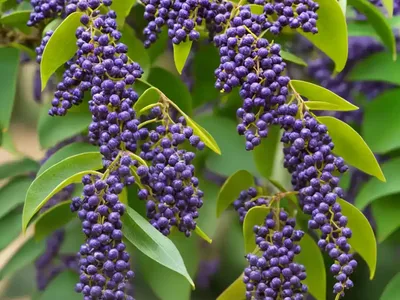
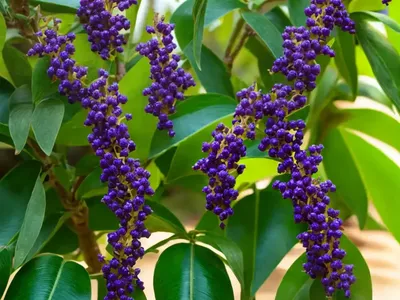
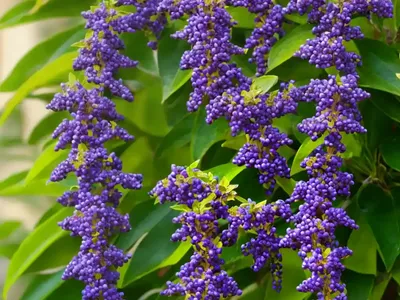
Duranta Erecta (Duranta Erecta)
Duranta erecta, also known as Golden Dewdrop or Skyflower, is a versatile and ornamental plant species that belongs to the Verbenaceae family. Native to.
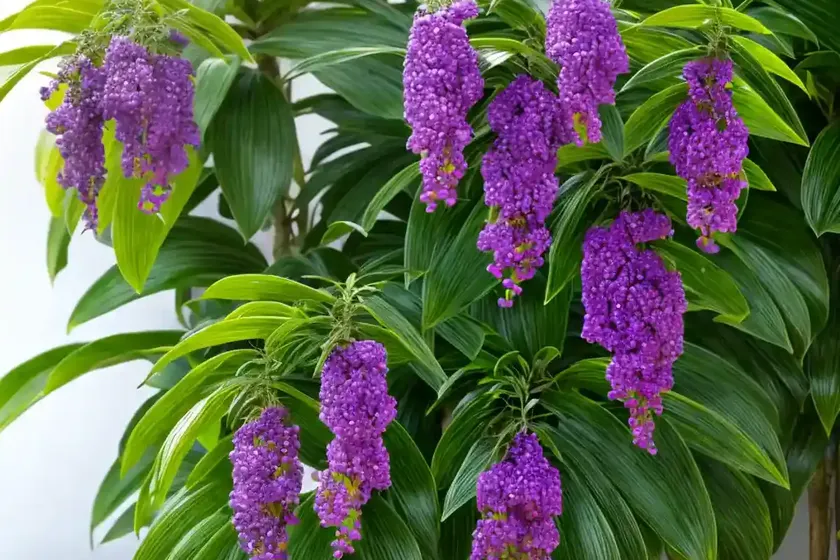
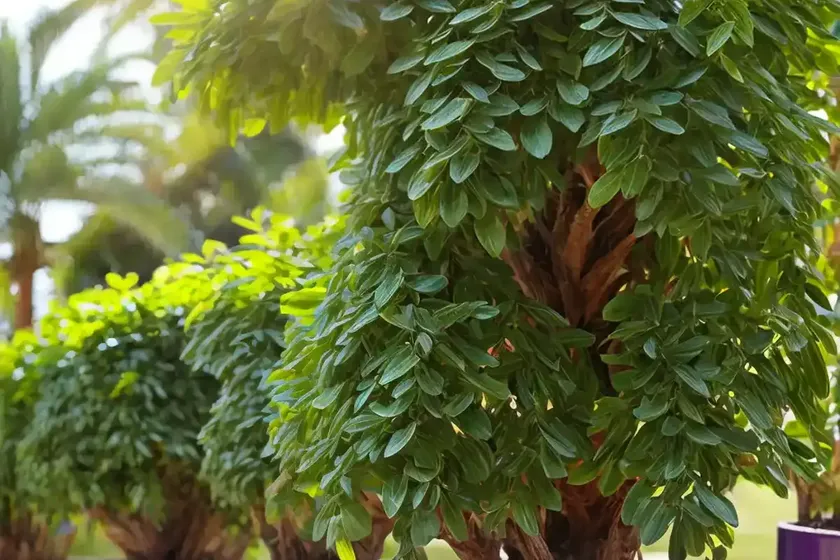
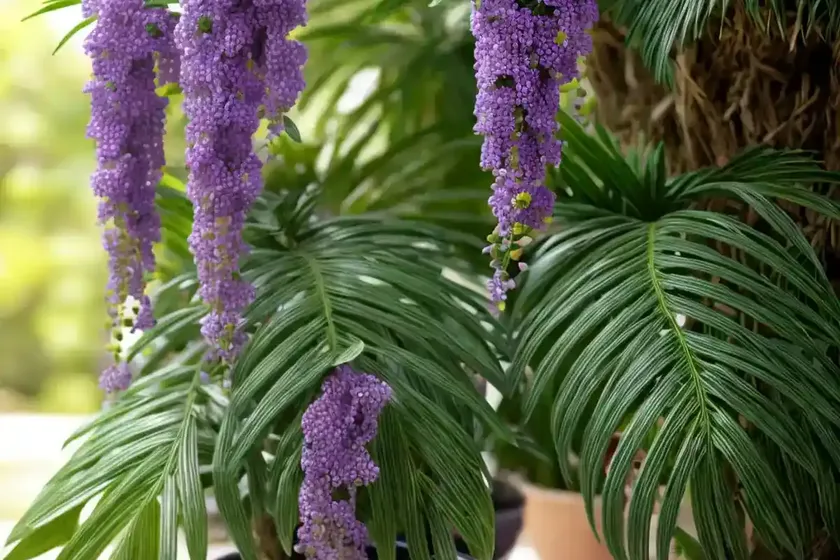
Duranta erecta, also known as Golden Dewdrop or Skyflower, is a versatile and ornamental plant species that belongs to the Verbenaceae family. Native to the American tropics, this evergreen shrub is highly valued for its vibrant and prolific blooming capabilities, along with its ability to attract butterflies and other pollinators to the garden. In this comprehensive guide, we will delve into the various aspects of cultivating and caring for Duranta erecta, covering its cultural requirements, uses, pruning techniques, diseases, pests, and much more.
Duranta erecta is a popular choice for landscaping, container gardening, and as a hedge due to its stunning blue or purple flowers, compact growth habit, and its suitability for shaping and training. In addition to its aesthetic appeal, this plant offers a range of practical uses, making it a valuable addition to any garden or landscape setting.
Key Takeaways: Duranta Erecta (Duranta erecta)
Before we delve into the cultural requirements and care tips for Duranta erecta, let’s first outline some key takeaways about this plant:
- Common Name: Golden Dewdrop, Skyflower
- Scientific Name: Duranta erecta
- Family: Verbenaceae
- Type: Evergreen shrub
- Uses: Landscaping, ornamental purposes, attracting pollinators
- Key Features: Prolific blooming, vibrant blue or purple flowers, dense foliage
- Hardiness: Suitable for USDA Hardiness Zones 9-11
Now that we have a brief overview, let’s explore the specific cultural requirements and care guidelines for Duranta erecta in more detail.
Culture
Water
Duranta erecta thrives in well-draining soil and requires regular watering, especially during its initial establishment phase. It is essential to ensure that the soil around the plant remains consistently moist but not waterlogged, as waterlogged soil can lead to root rot and other moisture-related issues. Once the plant is established, it exhibits moderate drought tolerance but will benefit from regular watering, particularly during periods of prolonged dryness.
Sunlight
In terms of sunlight requirements, Duranta erecta flourishes in full sun to partial shade. It is essential to provide the plant with adequate sunlight to promote healthy growth and abundant flowering. When planted in partial shade, the plant may exhibit slightly reduced flowering compared to those grown in full sun, but it will still thrive under these conditions.
Fertilizer
For optimal growth and flowering, Duranta erecta benefits from regular applications of a balanced, slow-release fertilizer during the growing season. Choose a fertilizer with a formulation such as 10-10-10 or 20-20-20 to provide the plant with essential nutrients without promoting excessive vegetative growth at the expense of flowering.
Soil
Duranta erecta thrives in well-draining, slightly acidic to neutral soil with a pH range between 5.5 and 6.5. It is important to ensure good soil drainage to prevent waterlogging, as overly wet soil can lead to root issues and compromise the plant’s health. Amending the soil with organic matter such as compost or well-rotted manure can improve its structure and fertility, creating an optimal growing environment for Duranta erecta.
Pruning
Pruning plays a crucial role in shaping and maintaining the desired form of Duranta erecta. Regular pruning helps to promote bushier growth, control the plant’s size, and encourage prolific flowering. When pruning, it is advisable to remove any dead or diseased branches, along with any overgrown or leggy growth to maintain the plant’s compact and aesthetically pleasing appearance. Additionally, light pruning after the blooming period can help stimulate new growth and ensure a dense and vigorous form for the following growing season.
Propagation
Duranta erecta can be propagated through various methods, including stem cuttings, layering, and seed propagation. Stem cuttings offer a reliable and efficient means of propagating this plant, particularly during the warmer months when the plant is actively growing. To propagate from stem cuttings, select healthy, non-flowering shoots and trim them to a length of around 6 inches. Remove the lower leaves and dip the cut end in a rooting hormone to stimulate root development. Plant the cuttings in a well-draining propagation medium, keep them consistently moist, and provide them with indirect light until they develop roots and can be transplanted into individual pots or the garden.
Container Popularity
Due to its compact growth habit and ornamental appeal, Duranta erecta is a popular choice for container gardening. When grown in containers, it is essential to select a well-draining potting mix and provide adequate watering and sunlight to support healthy growth and flowering. Container-grown Duranta erecta can be incorporated into patio gardens, mixed container plantings, or as standalone ornamental features on decks and balconies.
Uses
Landscaping
Duranta erecta is widely used in landscaping to introduce vibrant colors and dense foliage to garden beds, borders, and mixed plantings. Its striking blue or purple flowers and the dense, lush growth habit make it an ideal choice for creating eye-catching displays and adding visual interest to various landscape settings. Whether used as a standalone shrub or incorporated into mixed plantings, Duranta erecta contributes to creating visually stunning and dynamic landscapes.
Medicinal Uses
In traditional herbal medicine, various parts of Duranta erecta have been used for their purported medicinal properties. The plant has been associated with a range of potential therapeutic benefits, including anti-inflammatory, antipyretic, and analgesic properties. However, it is essential to note that these uses are based on traditional knowledge and have not been extensively studied or validated through scientific research. It is advisable to consult a healthcare professional before using any plant for medicinal purposes.
Wildlife Attraction
Duranta erecta is highly valued for its ability to attract wildlife, particularly butterflies and other pollinators. The plant’s nectar-rich flowers act as a valuable food source for butterflies, while the dense foliage provides shelter and habitat for various beneficial insects. By incorporating Duranta erecta into gardens and landscapes, individuals can contribute to supporting and preserving local butterfly populations and promoting biodiversity.
Common Diseases
Disease Diagnosis
Duranta erecta is generally considered to be relatively resistant to most diseases and pests. However, it can be susceptible to certain fungal infections such as powdery mildew, particularly in conditions of high humidity and poor air circulation. Powdery mildew appears as a white, powdery growth on the plant’s leaves and can affect its overall vigor and aesthetics if left untreated. Proper cultural practices, including adequate spacing to promote air circulation and avoiding overhead watering, can help prevent powdery mildew and other fungal diseases in Duranta erecta.
Common Pests
Duranta erecta is relatively resilient against pest infestations, but it may occasionally be targeted by common garden pests such as aphids, whiteflies, and spider mites. These pests can cause damage to the plant by feeding on its sap and weakening its overall vitality. Regular monitoring of the plant for signs of pest activity and the prompt application of appropriate pest control measures, such as insecticidal soaps or horticultural oils, can help mitigate potential pest issues and maintain the health and vigor of Duranta erecta.
Botanist’s Tips
- When selecting a planting location for Duranta erecta, choose a site with well-draining soil and ample sunlight to support optimal growth and flowering.
- Incorporate organic matter such as compost or aged manure into the soil when planting Duranta erecta to improve its fertility and structure.
- Prune Duranta erecta regularly to maintain its desired shape, stimulate new growth, and encourage abundant flowering.
- Monitor the plant for signs of pests and diseases, and take proactive measures to address any issues promptly to prevent them from spreading.
Fun Facts
- The vibrant blue or purple flowers of Duranta erecta make it a standout feature in any garden or landscape setting, attracting attention and admiration from onlookers.
- The plant’s ability to attract butterflies and other pollinators adds a delightful and dynamic element to garden spaces, creating an environment that supports local wildlife.
Links to External Resources
For further information on Duranta erecta, its cultivation, and uses, you can explore the following external resources:
- Royal Horticultural Society – Growing Duranta
- University of Florida – Duranta erecta Information
- Missouri Botanical Garden – Duranta erecta Profile
- Texas A&M AgriLife Extension – Golden Dewdrop
- CABI Invasive Species Compendium – Duranta erecta Information
In conclusion, Duranta erecta is a versatile and visually striking plant species that offers a myriad of practical and aesthetic benefits. From its vibrant flowering display to its ability to attract wildlife and its suitability for various garden and landscape applications, Duranta erecta stands out as an exceptional choice for individuals seeking to enhance their outdoor spaces with color, vitality, and ecological value. By following the recommended cultural practices and care guidelines, enthusiasts can cultivate and enjoy the many virtues of Duranta erecta in their gardens, while contributing to the preservation of biodiversity and the support of local wildlife populations.