Dryopteris Intermedia (Intermediate Wood Fern)
Dryopteris intermedia, commonly known as the Intermediate Wood Fern, is a stunning and versatile plant that adds a touch of elegance to any garden or.
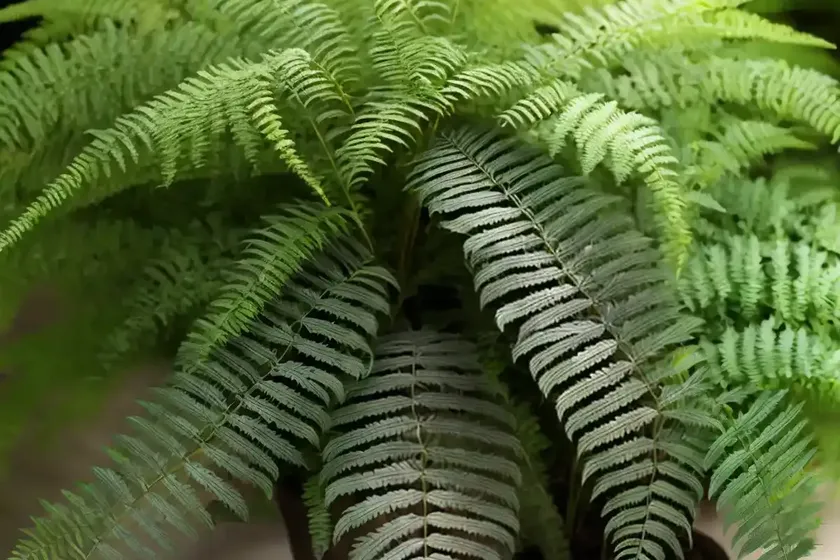
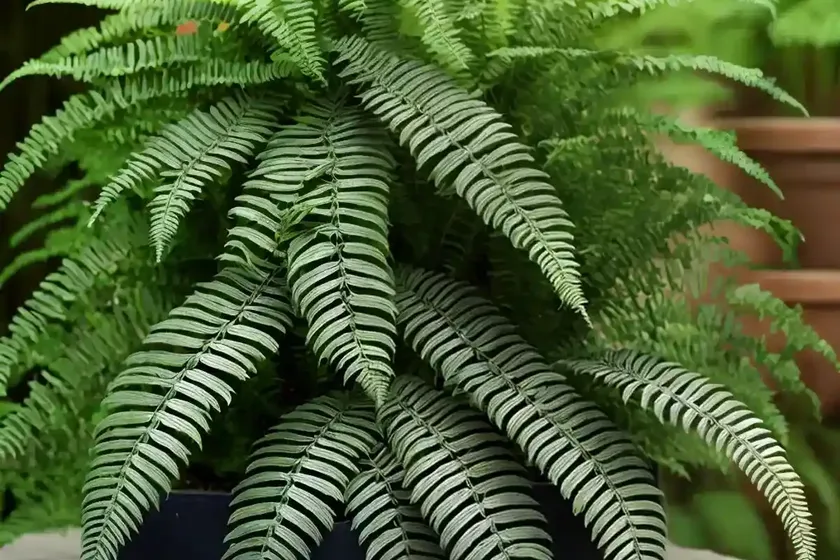
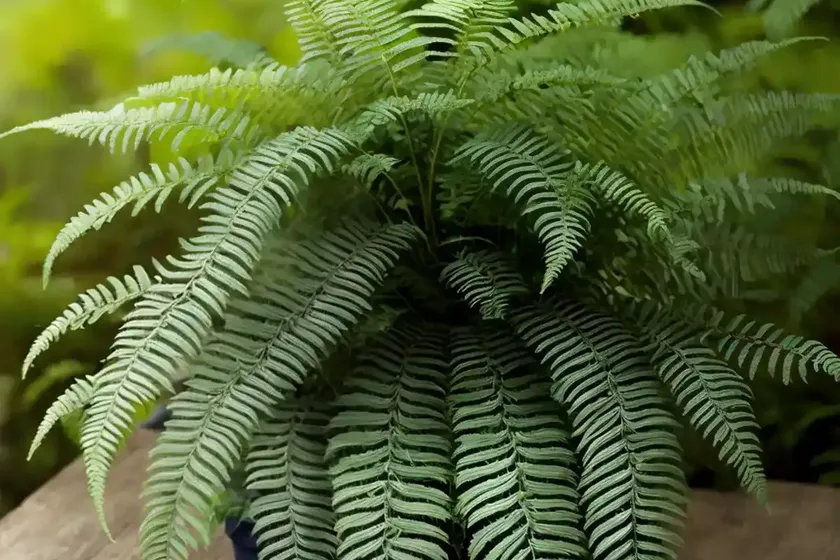
Dryopteris intermedia, commonly known as the Intermediate Wood Fern, is a stunning and versatile plant that adds a touch of elegance to any garden or landscape. This hardy fern is native to North America and is treasured for its exceptional adaptability and low-maintenance nature.
In this comprehensive guide, we will delve into the various aspects of this captivating plant, including its cultural requirements, uses, and propagation techniques. Whether you are a seasoned gardener or a newcomer to the world of plants, this article will equip you with the knowledge and insights needed to care for and appreciate Dryopteris intermedia to the fullest.
Key Takeaways – Dryopteris Intermedia (Intermediate Wood Fern)
Before we delve into the specifics of caring for Dryopteris intermedia, let’s take a moment to outline the key takeaways about this impressive fern:
- Common Name: Intermediate Wood Fern
- Botanical Name: Dryopteris intermedia
- Native Habitat: North America
- Uses: Landscaping, erosion control, shade gardens, medicinal purposes
- Growth Habit: Clumping, deciduous
- Key Features: Graceful fronds, adaptable, low-maintenance
- Growing Conditions: Partial to full shade, consistently moist soil
- Hardiness Zone: 3-8
- Mature Size: 18-24 inches in height and spread
- Propagation: Division, spores
With these key points in mind, let’s explore the nuances of caring for Dryopteris intermedia, from its cultural requirements to its propagation and potential uses.
Culture
The cultural requirements of Dryopteris intermedia play a pivotal role in determining its overall health and vigor. By meeting its needs for water, sunlight, soil, and specific care practices, you can ensure that this fern thrives and flourishes in your garden.
Uses
The Intermediate Wood Fern boasts an array of uses that make it a valuable addition to diverse settings and landscapes. Some of its notable applications include:
- Landscaping: Dryopteris intermedia contributes lush texture and visual interest to a range of landscape designs, from woodland gardens to shaded border plantings.
- Erosion Control: Its spreading habit and robust root system make this fern an effective choice for stabilizing soil on slopes and preventing erosion.
- Shade Gardens: Well-suited to shade gardens, Dryopteris intermedia brings a touch of greenery to areas with limited sunlight, making it a staple in shaded landscapes.
- Medicinal Purposes: In some traditional medicinal practices, the fronds of the Intermediate Wood Fern are used for their potential healing properties, although it is important to seek guidance from healthcare professionals before using any plant for medicinal purposes.
Water
Adequate water is crucial for the health and vitality of Dryopteris intermedia. This fern thrives in consistently moist soil and is well-suited to environments with ample humidity. When it comes to watering, consider the following guidelines:
- Consistent Moisture: Maintaining a consistent level of moisture in the soil is essential for the well-being of Dryopteris intermedia. While it does not tolerate waterlogged conditions, it will suffer if the soil dries out excessively.
- Mulching: Application of a layer of organic mulch around the base of the fern can help retain soil moisture and create a favorable microclimate.
Sunlight
Given its native habitat in woodland settings, Dryopteris intermedia is naturally acclimated to partial to full shade conditions. When incorporating this fern into your garden or landscape, keep the following points in mind:
- Shade Tolerance: The Intermediate Wood Fern thrives in shaded locations, including areas with dappled light or filtered shade. Avoid exposing it to direct, intense sunlight, as this can scorch the fronds.
Fertilizer
While Dryopteris intermedia is not excessively demanding in terms of fertilizer needs, providing some supplemental nutrients can contribute to its overall vigor. When considering fertilization for this fern, bear in mind the following recommendations:
- Organic Amendments: Incorporating organic matter into the soil during planting can enhance soil fertility and provide a gentle, sustained source of nutrients.
- Minimal Fertilization: Err on the side of caution when fertilizing Dryopteris intermedia, as excessive amounts of fertilizer can be detrimental to its health.
Soil
The soil composition and structure play a critical role in the well-being of Dryopteris intermedia. By understanding the preferences of this fern in relation to soil, you can optimize its growing conditions and promote robust growth. Consider the following points when preparing the soil for your Intermediate Wood Fern:
- Moisture-Retentive Soil: Well-draining, humus-rich soil that retains moisture without becoming waterlogged is ideal for Dryopteris intermedia.
- Acidic pH: This fern thrives in slightly acidic to neutral soil conditions, with a pH range of 5.5 to 7.0.
Pruning
Pruning is a maintenance practice that can help enhance the appearance and longevity of Dryopteris intermedia. By exercising careful pruning techniques, you can keep this fern looking pristine and prevent the buildup of old, unsightly fronds. Consider the following points when pruning your Intermediate Wood Fern:
- Spring Pruning: In early spring, remove any damaged, discolored, or spent fronds to make way for fresh growth and maintain the fern’s visual appeal.
- Sterilized Tools: Use clean, sharp cutting tools to prune Dryopteris intermedia, taking care to avoid damaging the central crown of the plant.
Propagation
Propagating Dryopteris intermedia allows you to expand your collection of these captivating ferns and share them with fellow gardening enthusiasts. Whether you are interested in dividing an established plant or growing new ferns from spores, consider the following guidelines for successful propagation:
- Division: During the early spring, carefully divide mature clumps of Dryopteris intermedia, ensuring that each division possesses a sufficient portion of rhizome and fronds.
- Spore Propagation: For a more advanced propagation technique, you can collect and sow spores from the fronds of Dryopteris intermedia, nurturing them in a controlled environment until they develop into young ferns.
Container Popularity
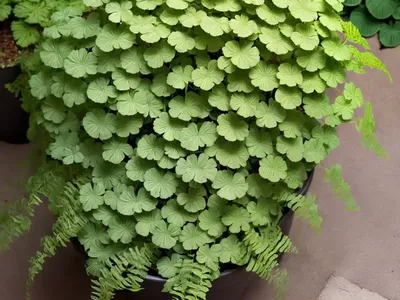
Dryopteris intermedia’s adaptability extends to container gardening, making it a popular choice for those seeking to introduce lush greenery to patios, balconies, and other confined spaces.
Container Common Diseases
While ferns in containers are generally less susceptible to diseases than those grown in the ground, some common issues that may arise include:
- Root Rot: Overwatering or inadequate drainage can lead to root rot in container-grown Dryopteris intermedia.
- Pests: Containers do not offer the same level of protection against pests as the natural soil environment, so it’s essential to monitor for any signs of infestations.
Disease diagnosis
If you notice any signs of declining health in your container-grown Intermediate Wood Fern, consider the possibility of root rot or pests, and take appropriate measures to address the issue.
Common pests
While Dryopteris intermedia is relatively resistant to pests, it may occasionally face challenges from the following invaders:
- Slugs and Snails: These common garden pests can cause damage to the fronds of the Intermediate Wood Fern, particularly in areas with high humidity.
- Spider Mites: In dry, indoor settings, spider mites can pose a threat to the health of Dryopteris intermedia, causing stippling and discoloration on the fronds.
Botanist’s tips
To ensure the successful cultivation of Dryopteris intermedia, consider the following expert tips from botanists and horticultural specialists:
- Natural Mulch: Surround the base of your fern with a layer of natural mulch, such as shredded leaves or pine straw, to help maintain moisture levels and suppress weeds.
- Beneficial Companions: Pair Dryopteris intermedia with companion plants that share its preference for shade and moisture, creating harmonious, visually appealing plantings.
Fun facts
- Dryopteris intermedia is known for its ability to adapt to a wide range of soil and light conditions, making it a versatile choice for various garden settings.
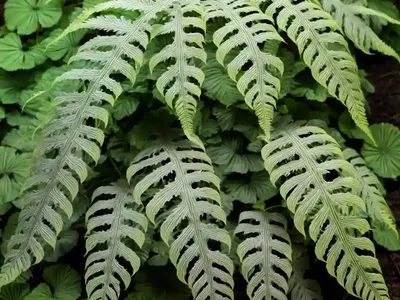
- The fronds of Dryopteris intermedia exhibit a feathery, delicate appearance, adding a touch of elegance to any landscape.
Links to External Resources
For additional information and insights on Dryopteris intermedia, consider exploring the following reputable resources:
Dryopteris intermedia, with its adaptability, aesthetic appeal, and versatile applications, stands as a hallmark of resilient, graceful greenery. By understanding its cultural requirements, propagation techniques, and potential uses, you can cultivate this fern with confidence and harness its myriad benefits in your garden or landscape. Whether you are drawn to its low-maintenance nature, its suitability for shaded environments, or its potential contributions to erosion control, the Intermediate Wood Fern holds a special place in the realm of ornamental plants and is sure to captivate all who encounter it.
Through this in-depth exploration of Dryopteris intermedia, we have shed light on its exceptional traits, its cultural preferences, and the various ways in which it can enhance garden spaces and natural habitats. As you embark on your journey with this captivating fern, may your experiences be enriched by the beauty and resilience of the Intermediate Wood Fern.
As botanists and gardening enthusiasts, we find endless joy in unraveling the mysteries of plants and celebrating their unique characteristics. In embracing the allure of Dryopteris intermedia, we pay homage to the botanical world and the awe-inspiring diversity of plant life.
With its adaptability, aesthetic appeal, and versatile applications, Dryopteris intermedia rightfully claims its place as an indispensable asset in the realm of ornamental plants, enriching diverse landscapes and inviting us to marvel at its natural splendor.