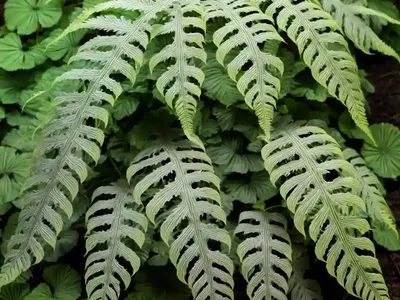
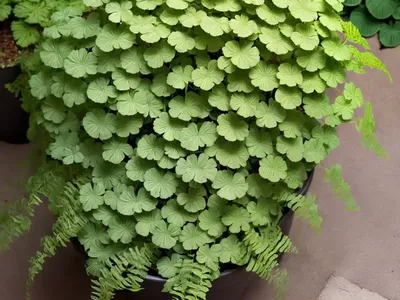
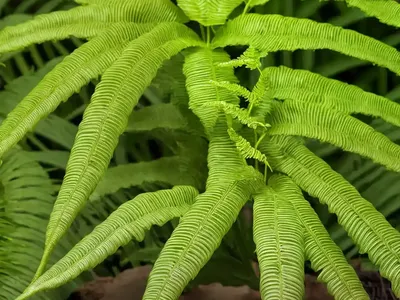
Dryopteris Expansa (Spreading Wood Fern)
Dryopteris expansa, commonly known as Spreading Wood Fern, is a species of fern belonging to the Dryopteridaceae family. This elegant plant is native to.
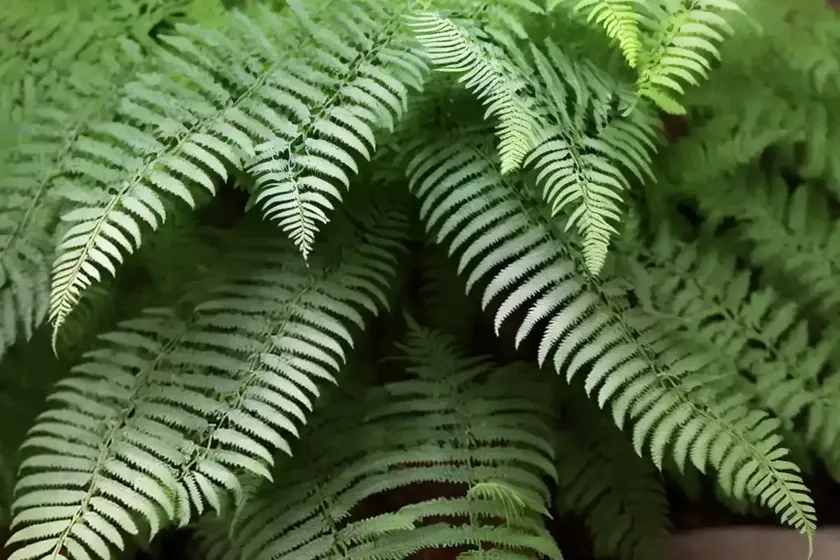
What is Dryopteris expansa?
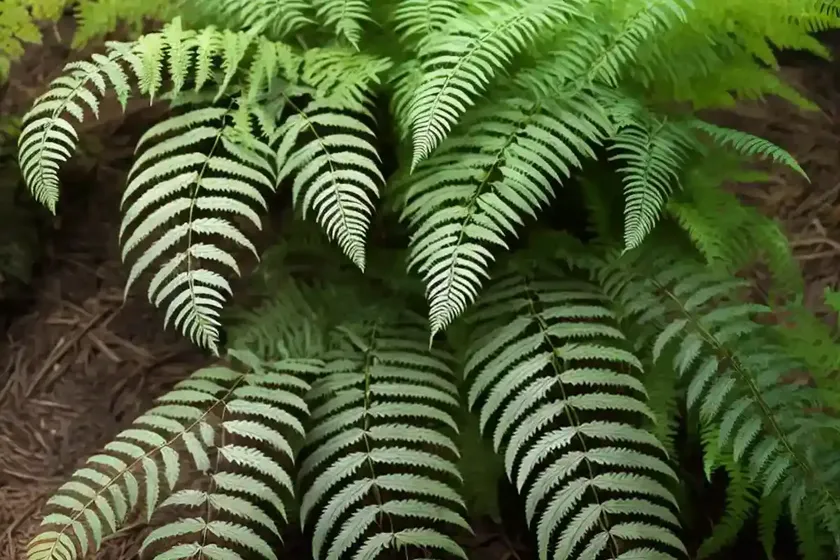
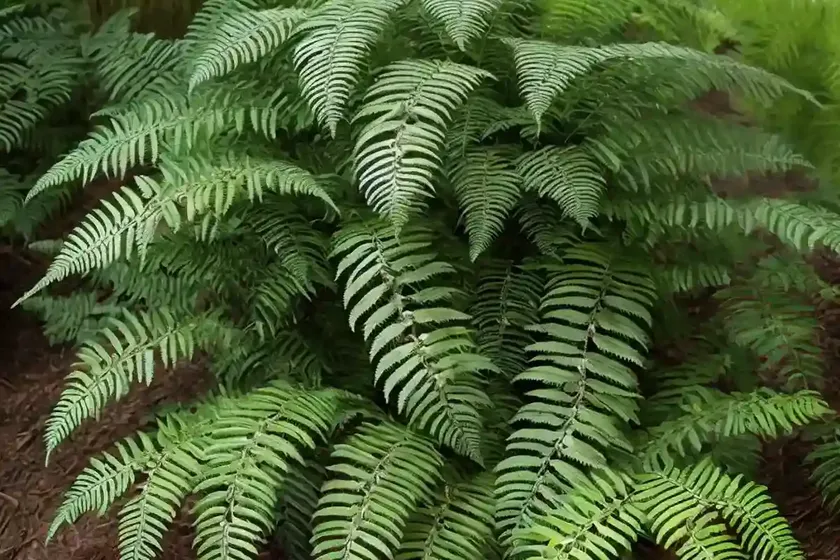
Dryopteris expansa, commonly known as Spreading Wood Fern, is a species of fern belonging to the Dryopteridaceae family. This elegant plant is native to parts of Europe and Asia, where it thrives in diverse habitats, ranging from woodlands to rocky slopes. Dryopteris expansa is admired for its striking appearance and adaptability, making it a prized addition to gardens, landscapes, and natural habitats.
Key Takeaways – Dryopteris expansa (Spreading Wood Fern)
Culture
Dryopteris expansa can thrive in a culture with well-drained soil and partial to full shade, making it an excellent choice for shaded areas and woodland gardens.
Uses
This fern is commonly used as an ornamental plant in landscaping, adding an exquisite touch to shaded garden beds, borders, and naturalized areas. Additionally, it contributes to the ecological balance by providing habitat for wildlife and enhancing the aesthetic appeal of its surroundings.
Water
Dryopteris expansa prefers moist soil, but it is essential to provide adequate drainage to prevent waterlogging. Regular watering is beneficial, especially during dry spells, to maintain the soil’s moisture levels.
Sunlight
As a shade-loving plant, Dryopteris expansa thrives in partial to full shade conditions, making it an ideal choice for gardens with limited direct sunlight.
Fertilizer
The fern benefits from organic matter-rich soil, but excessive fertilization should be avoided. A balanced, slow-release fertilizer can be applied in spring to support healthy growth.
Soil
Well-drained, humus-rich soil is ideal for Dryopteris expansa. It thrives in slightly acidic to neutral soil with good moisture retention capabilities.
Pruning
Pruning helps maintain the plant’s tidy appearance and remove any damaged fronds. Regular removal of spent fronds can promote new growth and improve the overall aesthetic appeal.
Propagation
Dryopteris expansa can be propagated through spores or division. Spore propagation requires meticulous care, while division of established clumps is a more straightforward method.
Container Popularity
Dryopteris expansa is well-suited for container gardening, allowing it to thrive in various outdoor and indoor settings. Its graceful fronds and adaptability make it a popular choice for container displays and shaded patio arrangements.
Common Diseases
The main diseases that affect Dryopteris expansa include fungal infections such as rust and leaf spot diseases. Additionally, poor cultural practices and environmental stress can weaken the plant, making it more susceptible to disease.
Disease Diagnosis
Early signs of disease include discoloration, spots, or growth abnormalities on the fronds. A comprehensive diagnosis involves observing the symptoms, evaluating cultural practices, and, if necessary, performing tests to identify the specific pathogen.
Common Pests
While Dryopteris expansa is relatively resistant to pests, occasional infestations by slugs, snails, and aphids may occur, particularly in humid conditions. Vigilance and prompt intervention are essential for pest management.
Botanist’s Tips
- Effective Watering: Maintaining consistent soil moisture is crucial for the health of Dryopteris expansa. A regular check of the soil’s moisture level can prevent both water stress and waterlogging.
- Shade Management: Placing Dryopteris expansa in environments with dappled or partial shade mimics its natural habitat and ensures proper growth and development.
- Seasonal Care: Adapting care practices to seasonal changes, such as adjusting watering frequency and protecting the plant from harsh weather, can promote its resilience and longevity.
Fun Facts
- Dryopteris expansa has been traditionally used in folk medicine for its potential medicinal properties.
- The striking appearance of its fronds makes Dryopteris expansa a captivating addition to woodland and shade gardens, providing an enchanting visual impact.
Links to External Resources
When exploring the world of plant species, such as Dryopteris expansa, it’s essential to delve into the comprehensive care requirements, ecological significance, and captivating qualities that make it a beloved addition to diverse landscapes and gardens.
Would you like the article structured in a specific way or include additional details?