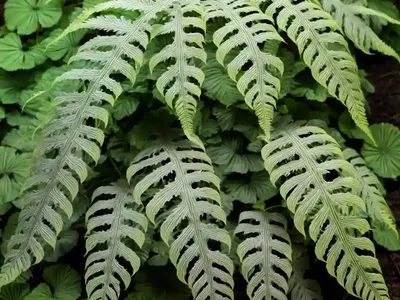
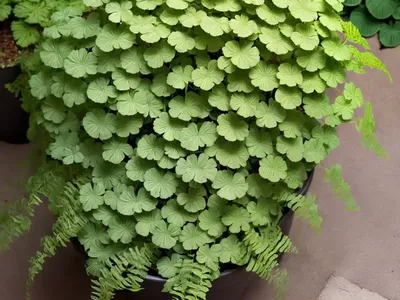
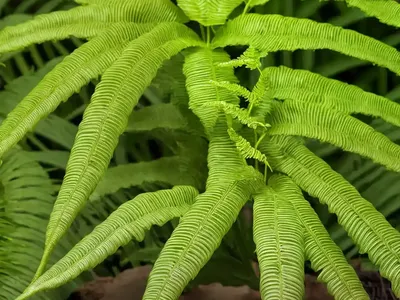
Dryopteris Erythrosora ‘Brilliance’ (Autumn Fern)
Plants play a crucial role in our environment, bringing beauty and life to our surroundings. In this comprehensive guide, we will explore the captivating.
Introduction
Plants play a crucial role in our environment, bringing beauty and life to our surroundings. In this comprehensive guide, we will explore the captivating Dryopteris erythrosora ‘Brilliance’, commonly known as the Autumn Fern. From its cultural requirements to its uses and maintenance, this article aims to provide valuable insights for plant enthusiasts, gardeners, and nature lovers.
What is Dryopteris erythrosora ‘Brilliance’ (Autumn Fern)?
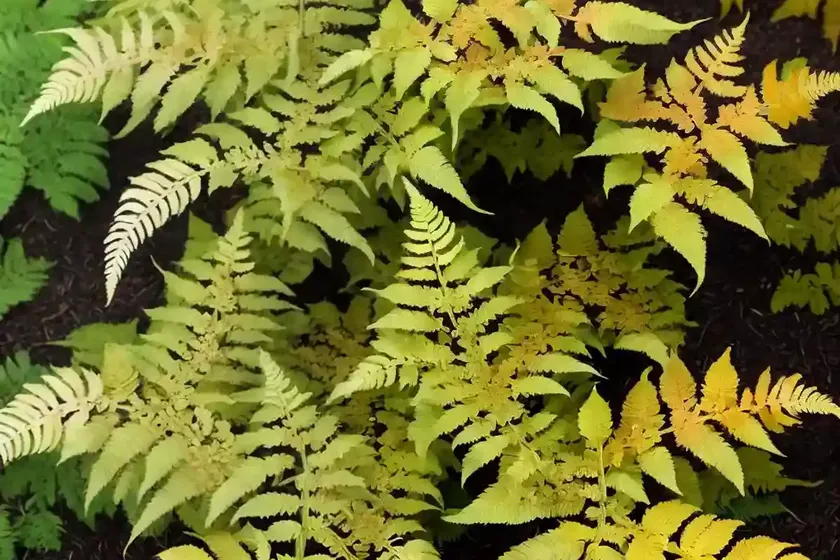
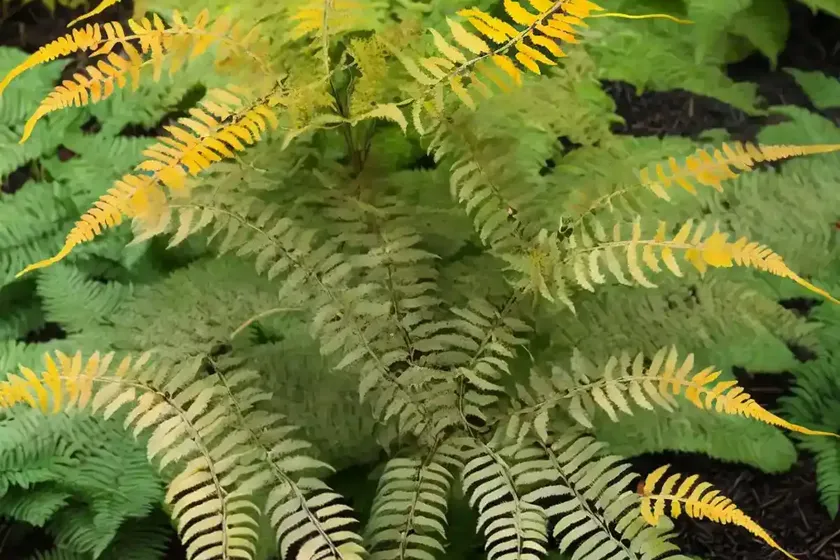
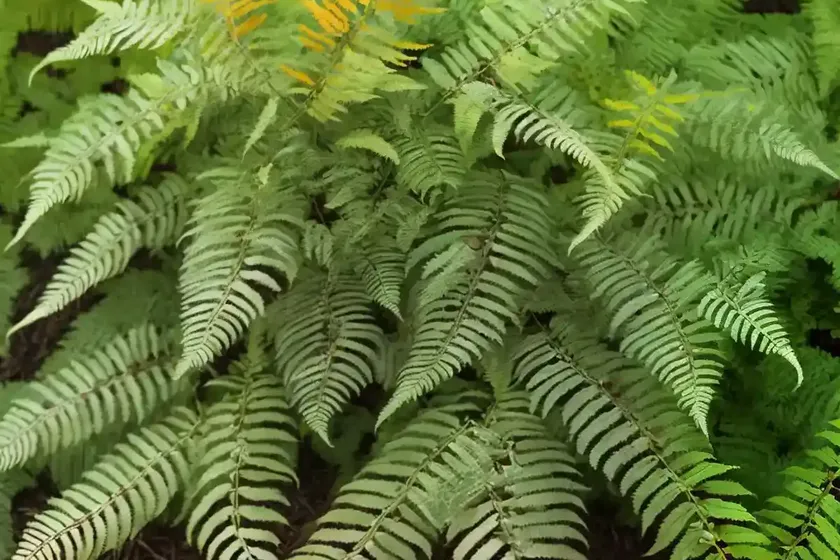
Dryopteris erythrosora, also known as Autumn Fern, is a striking perennial, belonging to the Dryopteridaceae family. Originating from East Asia, this fern is particularly admired for its enchanting, coppery-red new fronds that emerge in spring, gradually transitioning to a lustrous, dark green as they mature. The botanical name ‘Brilliance’ is attributed to the uniquely radiant foliage of this cultivar, which stands out in various landscapes and garden settings.
Key Takeaways – Dryopteris erythrosora ‘Brilliance’ (Autumn Fern)
The Autumn Fern, with its exquisite foliage and versatility, is a staple in gardening and landscaping. Below are the key takeaways that we will delve into in detail throughout this guide:
- Culture
- Uses
- Water
- Sunlight
- Fertilizer
- Soil
- Pruning
- Propagation
- Container Popularity
- Common Diseases
- Disease Diagnosis
- Common Pests
- Botanist’s Tips
- Fun Facts
- Links to External Resources
Culture
Water
Proper moisture is vital for the health of the Dryopteris erythrosora ‘Brilliance’, and it thrives in consistently moist but well-draining soil. While it prefers slightly acidic to neutral soil pH, ensuring that the soil is not waterlogged is crucial to preventing root rot or other water-related issues.
Sunlight
When it comes to sunlight, the Autumn Fern displays adaptability and can thrive in various light conditions. However, it tends to exhibit the best coloration in partially shaded areas, making it an ideal choice for woodland gardens or spaces with dappled shade.
Fertilizer
Fertilizing the Autumn Fern can contribute to its overall vigor and appearance. Applying a balanced, slow-release fertilizer in the spring can provide the essential nutrients for healthy growth. Additionally, a layer of organic mulch around the base of the plant can help retain moisture and provide a steady supply of nutrients as it decomposes.
Soil
The Autumn Fern flourishes in well-draining, humus-rich soil. Incorporating organic matter such as compost or leaf mold during planting can significantly improve the soil’s quality, supporting the fern’s growth and vitality.
Pruning
Pruning aids in the maintenance of the Autumn Fern’s appealing appearance and can help manage any damaged or yellowing fronds. Snipping off dead or unsightly foliage can promote a tidier and healthier plant.
Uses
Dryopteris erythrosora ‘Brilliance’ serves a multitude of functions in garden and landscape design, owing to its remarkable characteristics. Here are some common uses for this captivating fern:
-
Woodland Gardens: The Autumn Fern’s preference for partial shade makes it a perfect addition to woodland or shade gardens. Its gracefully arching fronds create a serene and naturalistic ambiance.
-
Borders and Edges: Utilize the Autumn Fern to outline pathways, flower beds, or along the edges of shaded borders, imparting a touch of elegance and color contrast against surrounding vegetation.
-
Containers: Due to its striking foliage and adaptability to container growth, the Autumn Fern is an excellent choice for adding texture and visual interest to outdoor containers and shaded patios.
-
Erosion Control: The dense foliage of this fern makes it a valuable asset for erosion control on slopes or woodland areas, effectively stabilizing the soil with its robust root system.
Propagation
Propagating the Autumn Fern can be achieved through division. During the early spring, carefully dig up the established plant, ensuring that the divisions maintain a healthy balance of roots and fronds, and replant them in suitable locations. Adequate watering and maintenance can facilitate the successful establishment of new specimens.
Container Popularity
Given its adaptability to container growth, the Autumn Fern has gained popularity among urban and space-constrained gardeners. The ability to thrive in shaded areas makes it a versatile choice for enhancing the visual appeal of outdoor containers and shaded corners.
Common Diseases and Pests
Diseases
The Autumn Fern is generally resilient to diseases, but certain conditions can make it susceptible to issues such as:
-
Root Rot: Overly wet or poorly drained soil can lead to root rot, causing the plant to wilt and decline. Ensuring proper drainage and avoiding overwatering can help prevent this issue.
-
Leaf Spot: Leaf spot diseases can occur under excessively moist conditions or poor air circulation. To prevent this, avoid overhead watering and overcrowding of plants.
Pest Control
While the Autumn Fern is relatively resistant to pest infestations, occasional maintenance is essential to monitor and control potential pests, including:
-
Slugs and Snails: These common pests can cause damage to the fronds of the fern. Addressing the presence of slugs and snails through manual removal or natural repellents can safeguard the plant’s foliage.
-
Spider Mites: Spider mites can be a nuisance, particularly in hot and dry conditions. Regularly inspecting the undersides of the fronds and using water sprays or insecticidal soaps can help manage these pests.
Botanist’s Tips
Seasonal changes and maintenance tips can aid in the successful cultivation and enjoyment of the Autumn Fern. Here are some expert suggestions for optimal care:
-
Seasonal Maintenance: During the growing season, regular monitoring of soil moisture and appropriate watering can ensure the fern’s health. In winter, employing protective mulching can safeguard the plant from extreme conditions.
-
Foliage Color: The Autumn Fern’s captivating color transitions from coppery-red to deep green can be accentuated by providing adequate light and balanced cultural conditions.
-
Companion Plants: Pairing the Autumn Fern with complementary shade-loving plants such as hostas, heucheras, or pulmonarias can create visually appealing combinations and diversified textures in the garden.
Fun Facts
-
The Autumn Fern is a semi-evergreen fern, retaining its foliage throughout the winter and providing year-round interest in the landscape.
-
Its scientific name, Dryopteris erythrosora, originates from the Greek words “dryas” meaning oak and “pteris” meaning fern, alluding to its natural habitat near oak forests.
-
Native to Japan and China, the Autumn Fern has been cherished for centuries, both for its ornamental value and potential medicinal properties in traditional herbal medicine.
Links to External Resources
For further exploration and in-depth knowledge regarding the cultivation and appreciation of the Autumn Fern, refer to the following external resources:
- The American Fern Society
- Royal Horticultural Society – Ferns
- Missouri Botanical Garden – Plant Finder
- North Carolina State University Extension – Ferns
In conclusion, Dryopteris erythrosora ‘Brilliance’ or the Autumn Fern stands as a remarkable ornamental plant with enduring appeal and remarkable adaptability. Incorporating this captivating fern into gardens and landscapes not only adds visual allure but also contributes to the biodiversity and ecological balance of our surroundings. Understanding and embracing the cultural nuances and distinctive features of the Autumn Fern can enrich our gardening experiences and foster a deeper connection with the natural world around us.