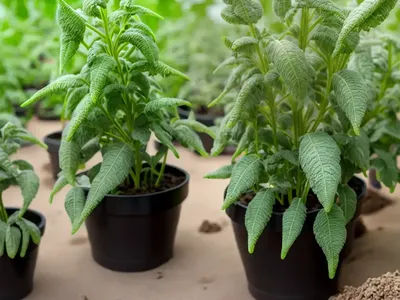
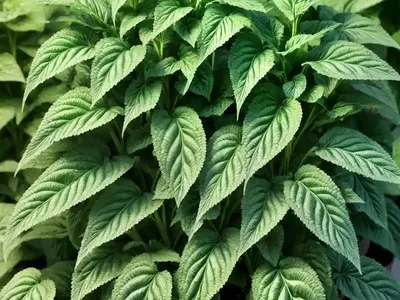
Dragons Breath (Celosia Argentea Plumosa ‘Dragon’s Breath’)
The Dragons Breath is a stunning flowering plant known scientifically as Celosia argentea plumosa ‘Dragon’s Breath’. It belongs to the amaranth family.


What is the Dragons Breath (Celosia argentea plumosa ‘Dragon’s Breath’)?
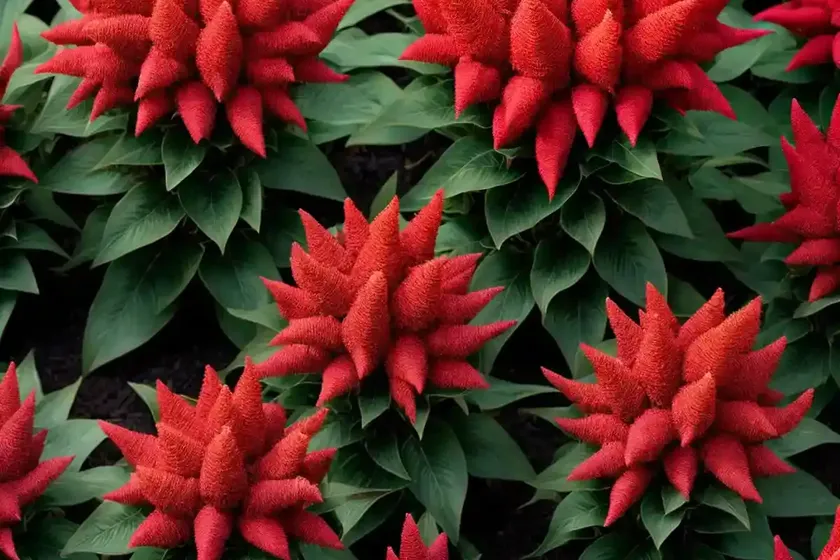
The Dragons Breath is a stunning flowering plant known scientifically as Celosia argentea plumosa ‘Dragon’s Breath’. It belongs to the amaranth family, Amaranthaceae, and is widely admired for its vibrant and fiery plumes that resemble a dragon’s breath, hence its captivating name.
This annual plant is native to the tropical climates of Southeast Asia, Africa, and South America. It has gained immense popularity among gardeners and plant enthusiasts due to its unique and striking appearance, making it an excellent choice for adding visual interest to gardens, landscapes, and even containers.
Key Takeaways
The Dragons Breath, or Celosia argentea plumosa ‘Dragon’s Breath’, is a captivating flowering plant that offers numerous benefits and features. Here are the key takeaways of this remarkable plant:
- Unique Appearance: The Dragons Breath boasts vibrant, flame-like plumes that range in color from fiery red to intense crimson, adding a bold and captivating element to any garden or landscape.
- Versatile Uses: This plant is versatile and can be cultivated in various settings, from garden beds and borders to containers and hanging baskets, adding a pop of color and drama wherever it is placed.
- Low Maintenance: Dragons Breath is relatively easy to care for, requiring minimal effort to thrive. Its resilience and adaptability make it suitable for both seasoned gardeners and beginners.
- Attracts Pollinators: The vivid blooms of Dragons Breath attract beneficial pollinators such as butterflies and bees, contributing to the overall biodiversity of the garden.
Culture
Cultivating the Dragons Breath requires an understanding of its cultural preferences, including its water, sunlight, fertilizer, soil, and pruning requirements. By providing the optimal conditions, you can ensure the healthy growth and abundant blooming of this captivating plant.
Uses
The Dragons Breath, or Celosia argentea plumosa ‘Dragon’s Breath’, offers a multitude of uses, making it a versatile and valuable addition to any garden or landscape. Some of its primary uses include:
- Garden Beds and Borders: The striking appearance of Dragons Breath makes it a perfect choice for adding vibrant color and visual interest to garden beds and borders.
- Container Cultivation: This plant thrives in containers and can be used to create stunning focal points on patios, balconies, and other outdoor spaces.
- Cut Flower Arrangements: The long-lasting, eye-catching plumes of Dragons Breath are ideal for cut flower arrangements, adding a touch of exotic elegance to bouquets and floral displays.
Water
Proper watering is crucial for the health and vitality of Dragons Breath. While this plant can tolerate dry conditions to some extent, it thrives best with consistent moisture. Here are some watering guidelines to consider:
- Established Plants: Once established, water Dragons Breath when the soil feels dry to the touch, providing a deep watering to ensure the moisture reaches the root system.
- Container Plants: Container-grown Dragons Breath may require more frequent watering, especially during hot and dry periods. Ensure proper drainage to prevent waterlogged soil.
- Avoid Overwatering: While it’s essential to maintain moisture, it’s equally important to avoid overwatering, as excessive moisture can lead to root rot and other issues.
Sunlight
Dragons Breath thrives in full sun, and providing ample sunlight is key to promoting robust growth and prolific blooming. Consider the following sunlight preferences for this plant:
- Full Sun: Plant Dragons Breath in an area that receives at least 6-8 hours of direct sunlight daily for the best results.
- Partial Shade: While this plant prefers full sun, it can tolerate some dappled or partial shade, particularly in regions with intense heat.
Fertilizer
Feeding Dragons Breath with the appropriate fertilizer can enhance its growth and blooming potential. Consider the following fertilizer recommendations for optimal results:
- Balanced Fertilizer: Use a balanced, all-purpose fertilizer with an N-P-K ratio of 10-10-10 or similar, applying it according to the manufacturer’s instructions.
- Frequency: Fertilize Dragons Breath every 6-8 weeks during the growing season, starting from early spring and continuing through the summer months.
- Dilution and Application: Dilute the fertilizer as directed and apply it to the soil around the base of the plant, ensuring it is watered in thoroughly afterward.
Soil
Providing well-draining and nutrient-rich soil is essential for cultivating healthy and robust Dragons Breath plants. Consider the following soil requirements for this species:
- Well-Draining: Dragons Breath thrives in well-draining soil to prevent waterlogging and root rot. Consider adding organic matter to improve soil texture.
- pH Level: The ideal soil pH for Dragons Breath is slightly acidic to neutral, ranging from 6.0 to 7.0, providing an optimal environment for nutrient uptake.
- Soil Amendment: Consider amending the soil with compost or well-rotted manure to enhance its fertility and structure, creating an ideal growing medium for the plant.
Pruning
Pruning Dragons Breath can help maintain its shape, promote bushier growth, and prolong the blooming period. Here are some essential pruning tips for this plant:
- Deadheading: Remove spent blooms by deadheading the plant regularly to encourage the development of new flowers and prevent seed formation.
- Pinching: Pinch back the growing tips of young Dragons Breath plants to encourage lateral growth and the development of multiple flowering stems.
- Seasonal Pruning: Consider pruning the plant in late spring or early summer to remove any leggy or unruly growth, promoting a more compact and aesthetically pleasing appearance.
Propagation
Propagating Dragons Breath allows you to expand your collection of these captivating plants and create new additions for your garden or landscape. Here are some propagation techniques to consider:
- Seed Propagation: Dragons Breath can be easily propagated from seeds, which can be sown directly into the garden soil or started indoors and transplanted after the last frost date.
- Division: Mature Dragons Breath plants can be divided during the spring to create new individuals, with each division consisting of a healthy portion of the root system and foliage.
- Stem Cuttings: Propagate Dragons Breath from stem cuttings by selecting healthy, non-flowering stems, rooting them in a well-draining medium, and providing the appropriate care until they establish roots.
Container Popularity
The Dragons Breath is an extremely popular choice for container cultivation, thanks to its striking appearance and low maintenance requirements. Whether displayed on patios, balconies, or other outdoor areas, this plant adds a bold and vibrant touch to any container garden. Its compact size and attractive blooms make it an ideal candidate for various container arrangements and designs, allowing for creativity and versatility in its presentation.
Container Common Diseases
When grown in containers, the Dragons Breath may be susceptible to certain common diseases that can impact its health and appearance. Being aware of these potential issues and their management can help maintain the plant’s vitality. Some common diseases that may affect Dragons Breath in containers include:
- Powdery Mildew: This fungal disease appears as a powdery white coating on the foliage, affecting the plant’s overall vigor and appearance. Proper air circulation and the use of fungicidal treatments can help manage powdery mildew.
- Root Rot: Overwatering or poorly draining soil can lead to root rot, causing the plant to wilt and decline. Adjusting the watering practices and improving soil drainage can help prevent this issue.
- Leaf Spot: Leaf spot diseases can manifest as dark spots or lesions on the foliage of Dragons Breath, potentially leading to leaf drop and reduced plant health. Fungicidal treatments and proper sanitation can aid in managing leaf spot.
Disease Diagnosis
Identifying and diagnosing diseases in Dragons Breath is crucial for implementing timely and effective interventions. By recognizing the symptoms and signs of common plant diseases, you can take the necessary steps to address the issue and prevent its spread. Some key aspects of disease diagnosis in Dragons Breath include:
- Symptom Recognition: Pay attention to any changes in the plant’s foliage, such as discoloration, wilting, spots, or unusual growth patterns, which may indicate a potential disease.
- Causal Agents: Understand the common pathogens and environmental factors that can contribute to disease development in Dragons Breath, including fungi, bacteria, and adverse growing conditions.
- Consulting Experts: If you’re uncertain about a disease diagnosis or its management, seek advice from local horticultural experts or extension services for accurate guidance and recommendations.
Common Pests
While Dragons Breath is relatively resilient to many pests, it may still encounter some common insect nuisances that can impact its health and appearance. Recognizing these pests and their management is essential for safeguarding the plant. Some common pests that may affect Dragons Breath include:
- Aphids: These tiny, sap-sucking insects can colonize the foliage of Dragons Breath, causing distortion and discoloration. Use insecticidal soap or neem oil to control aphid populations.
- Spider Mites: Spider mites are known for creating fine webbing on the plant and can cause stippling and yellowing of the foliage. Regularly spraying the plant with water and applying miticidal treatments can help manage spider mite infestations.
- Thrips: Thrips can feed on the flowers and foliage of Dragons Breath, causing streaking and distortion. Control thrips with insecticidal solutions and improve overall plant health to minimize the risk of infestation.
Botanist’s Tips
As a plant botanist, I would like to offer some valuable tips for the successful cultivation of Dragons Breath to help enthusiasts and gardeners make the most of this extraordinary plant. Here are some botanist-approved recommendations for growing Dragons Breath:
- Choose Well-Draining Soil: Select a well-draining soil mix or amend the existing soil with perlite or sand to enhance drainage and prevent waterlogged conditions, which can compromise the health of Dragons Breath.
- Provide Adequate Air Circulation: Apply spacing guidelines when planting Dragons Breath to ensure proper air circulation around the foliage, reducing the risk of fungal diseases and promoting overall plant vigor.
- Mulch for Moisture Retention: Apply a layer of organic mulch around Dragons Breath to conserve soil moisture, suppress weeds, and provide insulation and protection for the root system.
- Regular Inspection and Maintenance: Routinely inspect Dragons Breath for signs of pests, diseases, or nutrient deficiencies, and address any issues promptly to maintain its optimal health and appearance.
Fun Facts
In addition to its captivating appearance and versatile uses, Dragons Breath boasts some intriguing and noteworthy characteristics. Here are some fun facts about this exceptional plant:
- Symbolism: In some cultures, Celosia is associated with longevity, prosperity, and positivity, making it a meaningful addition to gardens and celebrations.
- Edible Leaves: While Dragons Breath is primarily cultivated for its ornamental value, some varieties also offer edible leaves that can be incorporated into culinary dishes for a touch of color and visual interest.
- Drought Tolerance: Despite its preference for consistent moisture, Dragons Breath demonstrates impressive drought tolerance once established, making it a resilient choice for water-wise gardening.
Links to External Resources
For further information and resources on Dragons Breath and its cultivation, care, and maintenance, consider exploring the following external links:
- The Top Benefits of Growing Dragon’s Breath Celosia
- Essential Care Tips for Celosia Dragon’s Breath
- Selecting the Right Dragon’s Breath Celosia for Your Garden
- Dragon’s Breath Celosia: Disease Resistance and Pesticide Solutions
- Optimal Growing Conditions for Dragon’s Breath Celosia
Conclusion
The Dragons Breath, or Celosia argentea plumosa ‘Dragon’s Breath’, is a spectacular and versatile plant that continues to captivate gardeners, landscape enthusiasts, and plant aficionados with its fiery plumes and exceptional qualities. By understanding its cultural preferences, uses, and necessary care practices, you can create a vibrant and captivating display with Dragons Breath, adding an enchanting element to your outdoor spaces and bringing joy and inspiration to your gardening endeavors. Whether grown in garden beds, containers, or used in cut flower arrangements, Dragons Breath offers an extraordinary visual impact and rewarding cultivation experience for all plant enthusiasts.
Experience the allure and beauty of Dragons Breath and witness the magic of this remarkable plant as it thrives and enchants with its unique and captivating presence.
Remember, by providing the optimal conditions and care for Dragons Breath, you can unlock its full potential and create a stunning focal point in your garden or landscape, showcasing the incomparable beauty of this exceptional flowering plant.