Dragon Lily (Dracunculus Vulgaris)
Plants play an indispensable role in the ecosystem, providing food, oxygen, and habitat for other organisms. Among the myriad of plant species, the Dragon.
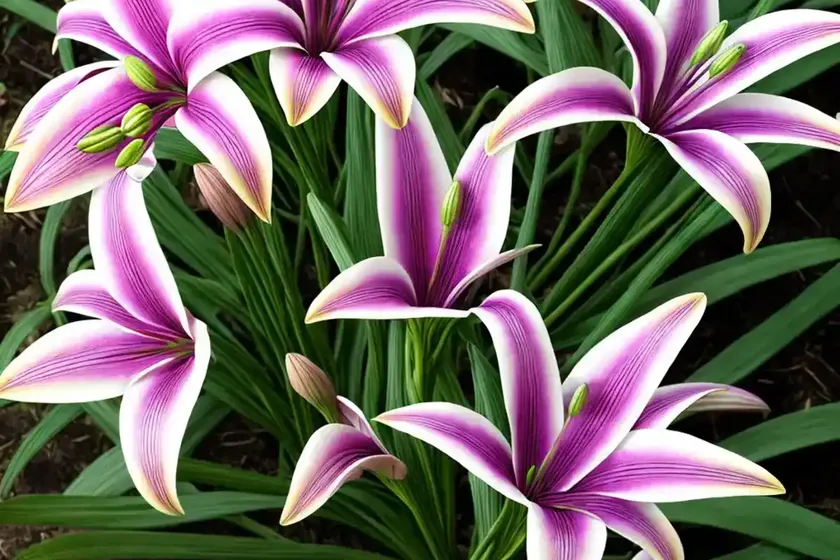
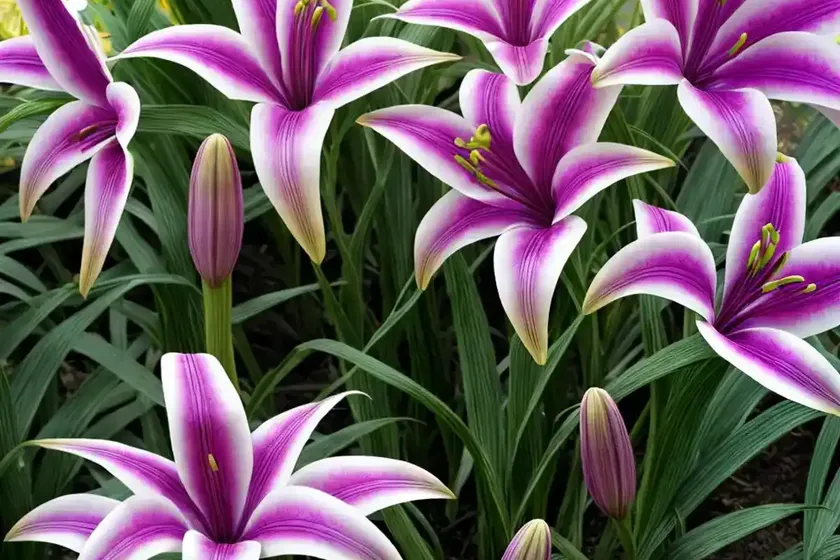
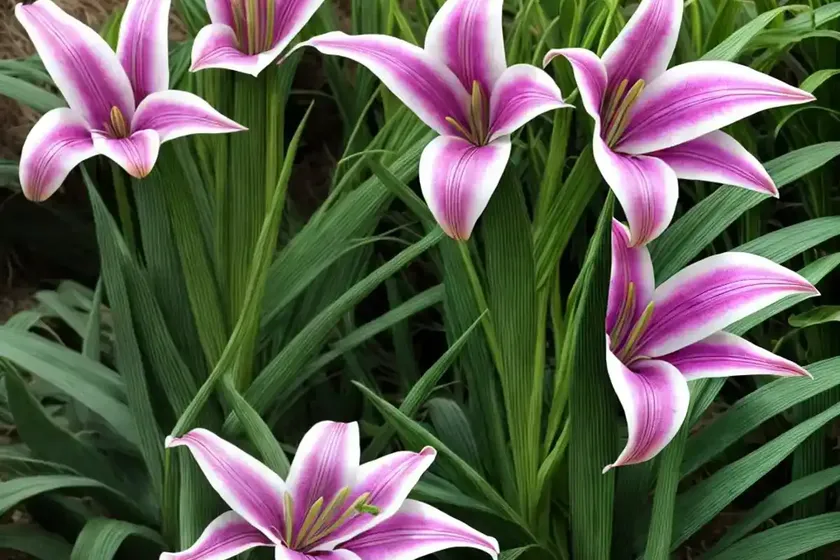
Plants play an indispensable role in the ecosystem, providing food, oxygen, and habitat for other organisms. Among the myriad of plant species, the Dragon Lily (Dracunculus Vulgaris) stands out as a fascinating and unique plant with distinctive features and a rich cultural significance. In this comprehensive guide, we will delve into the captivating world of Dragon Lily, exploring its cultural uses, cultivation, common diseases, pests, and much more.
What is Dragon Lily (Dracunculus Vulgaris)?
Dragon Lily, scientifically known as Dracunculus Vulgaris, is a herbaceous perennial plant that belongs to the Araceae family. It is native to the Balkans and southwestern Turkey and is characterized by its striking appearance and pungent odor. The plant has long been revered for its ornamental value and has found a place in various cultural traditions and folklore.
Key Takeaways – Dragon Lily (Dracunculus Vulgaris)
Before we delve into the intricacies of Dragon Lily, let’s take a closer look at the key takeaways that will be covered in this guide:
- Culture
- Uses
- Water
- Sunlight
- Fertilizer
- Soil
- Pruning
- Propagation
- Container Gardening
- Popularity
- Common Diseases
- Disease Diagnosis
- Common Pests
- Botanist’s Tips
- Fun Facts
- Links to External Resources
Now, let’s explore each of these aspects in detail to gain a comprehensive understanding of Dragon Lily and its cultivation.
Culture of Dragon Lily (Dracunculus Vulgaris)
Dragon Lily holds a special place in various cultures and traditions, with its unique appearance and cultural symbolism. It has been used in folklore, gardens, and even in herbal medicine due to its intriguing characteristics. Let’s delve into the cultural significance and uses of Dragon Lily.
Uses
Dragon Lily has been cultivated for various purposes, including:
-
Ornamental: The plant is primarily grown for its striking and exotic appearance, making it a popular choice in gardens and landscapes.
-
Symbolism: In mythology and folklore, Dragon Lily is often associated with themes of strength, rebirth, and protection. It has been incorporated into cultural ceremonies and rituals as a symbol of resilience and transformation.
-
Medicinal Properties: While not commonly used in modern medicine, the plant has been historically associated with medicinal properties in traditional herbal remedies.
-
Garden Design: With its unique aesthetic appeal, Dragon Lily is often used in garden design to create visually captivating landscapes.
-
Cultural Significance: Dragon Lily holds cultural significance in various regions where it is cultivated, often representing specific values or beliefs within the community.
Cultivation of Dragon Lily
Water
Dragon Lily thrives in moist, well-drained soil. It’s essential to provide regular watering, especially during the active growing season, to ensure the soil remains consistently moist but not waterlogged. Adequate moisture is crucial for the healthy growth and development of the plant.
Sunlight
When it comes to sunlight, Dragon Lily prefers partial shade to full sun exposure. Providing the plant with the right amount of sunlight is key to promoting optimal growth and blooming.
Fertilizer
As a heavy feeder, Dragon Lily benefits from regular fertilization during the growing season. A balanced, slow-release fertilizer applied according to the label instructions can provide the necessary nutrients for robust growth and vibrant blooms.
Soil
The plant thrives in rich, well-draining soil with a slightly acidic to neutral pH. Amending the soil with organic matter such as compost can improve its texture and fertility, creating an ideal growing environment for Dragon Lily.
Pruning
Pruning is essential to maintain the health and vigor of Dragon Lily. Remove old, yellowing leaves and spent blooms to promote new growth and prevent the risk of diseases. Pruning also helps in shaping the plant and enhancing its overall appearance.
Propagation
Dragon Lily can be propagated through several methods, including division of rhizomes and collecting seeds. Both methods can be successful with proper care and attention to environmental conditions.
Container Gardening
For those with limited garden space or those looking to grow Dragon Lily indoors, container gardening presents an excellent opportunity. When planting in containers, ensure adequate drainage and choose a potting mix suitable for the plant’s requirements.
Popularity of Dragon Lily
Dragon Lily has garnered attention and popularity among gardeners and plant enthusiasts worldwide, thanks to its unique characteristics and intriguing cultural significance. The plant’s distinct features and easy maintenance have contributed to its appeal in gardens, landscapes, and even botanical collections.
Common Diseases and Pests of Dragon Lily
Despite its resilience, Dragon Lily is susceptible to certain diseases and pest infestations that can affect its health and vitality. Understanding these potential threats is crucial for implementing effective preventive measures and maintaining the plant’s well-being.
Common Diseases
-
Botrytis Blight: This fungal disease can affect the foliage, causing wilting and decay. Proper ventilation and avoiding overhead watering can help prevent the onset of botrytis blight.
-
Root Rot: Excessive moisture or poorly draining soil can lead to root rot, impacting the plant’s overall health. Maintaining proper watering practices and ensuring well-draining soil can mitigate the risk of root rot.
-
Leaf Spot: Leaf spot diseases can cause unsightly blemishes on the foliage, impacting the plant’s aesthetic appeal. Adequate air circulation and proper sanitation can help reduce the risk of leaf spot infections.
Disease Diagnosis
Diagnosing diseases in Dragon Lily involves careful observation of the plant’s symptoms, including changes in foliage appearance, wilting, or discoloration. Seeking professional guidance or utilizing plant diagnostic resources can aid in accurately identifying and addressing potential diseases.
Common Pests
-
Aphids: These small insects can congregate on the foliage and stems, sucking sap from the plant and causing damage. Natural predators or insecticidal soap can help manage aphid infestations.
-
Spider Mites: These tiny pests can infest the plant, causing stippling and webbing on the foliage. Regular monitoring and spraying with water or neem oil can help control spider mite populations.
-
Snails and Slugs: These mollusks can feed on the foliage and flowers, leading to visible damage. Implementing physical barriers and reducing moisture levels can deter snails and slugs from damaging the plant.
Botanist’s Tips for Growing Dragon Lily
The following tips can aid in the successful cultivation and care of Dragon Lily:
-
Mulching: Applying a layer of organic mulch around the base of the plant can help retain soil moisture, suppress weed growth, and provide additional nutrients as it decomposes.
-
Support: As Dragon Lily can grow quite tall, providing adequate support such as stakes can prevent the stems from drooping or bending, especially in windy conditions.
-
Overwintering: In regions with cold winters, protecting the plant from frost and extreme temperatures can help ensure its survival. Mulching and providing additional insulation can aid in overwintering Dragon Lily.
-
Regular Inspection: Periodically inspecting the plant for signs of diseases, pests, and nutrient deficiencies can enable early intervention and promote the plant’s overall health.
Fun Facts about Dragon Lily
No exploration of Dragon Lily would be complete without delving into some fascinating and lesser-known facts about this captivating plant:
-
The pungent odor emitted by Dragon Lily is often likened to the smell of rotting flesh, earning it the nickname “Voodoo Lily.”
-
Dragon Lily is often associated with resilience and strength due to its ability to thrive in challenging environmental conditions.
-
The plant’s inflorescence, known as a spadix, is a distinctive feature that sets it apart from other ornamental plants.
-
Dragon Lily has been depicted in various cultural artworks, symbolizing different meanings and interpretations across different regions.
-
In herbal folklore, Dragon Lily was believed to possess protective properties when used in talismans and charms.
Links to External Resources
For further information on Dragon Lily and its cultivation, the following external resources provide valuable insights and guidance:
- Royal Horticultural Society – Dracunculus Vulgaris
- Missouri Botanical Garden – Dragon Arum
- University of Florida IFAS Extension – Dragon Arum
As we conclude this in-depth exploration of Dragon Lily (Dracunculus Vulgaris), it is evident that this unique plant holds a revered place in horticulture, cultural traditions, and folklore. Its captivating features, resilience, and ornamental value continue to intrigue and inspire plant enthusiasts and gardeners worldwide. Whether grown for its striking blooms, cultural symbolism, or historical significance, Dragon Lily is a plant that continues to enchant and captivate those who encounter it.
In the garden or the landscape, Dragon Lily stands as a testament to the diversity and beauty of the plant kingdom, offering a glimpse into the rich tapestry of nature’s wonders.
So, whether you’re seeking to cultivate this enchanting plant or simply admire its unique allure, Dragon Lily is sure to leave a lasting impression, embodying the essence of nature’s captivating beauty.