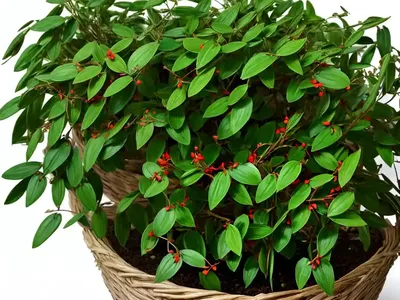
Dracaena Ray Of Sunshine (Dracaena Marginata ‘Ray Of Sunshine’)
Dracaena Ray of Sunshine, scientifically known as Dracaena marginata ‘Ray of Sunshine’, is a striking and popular indoor plant characterized by its vibrant.

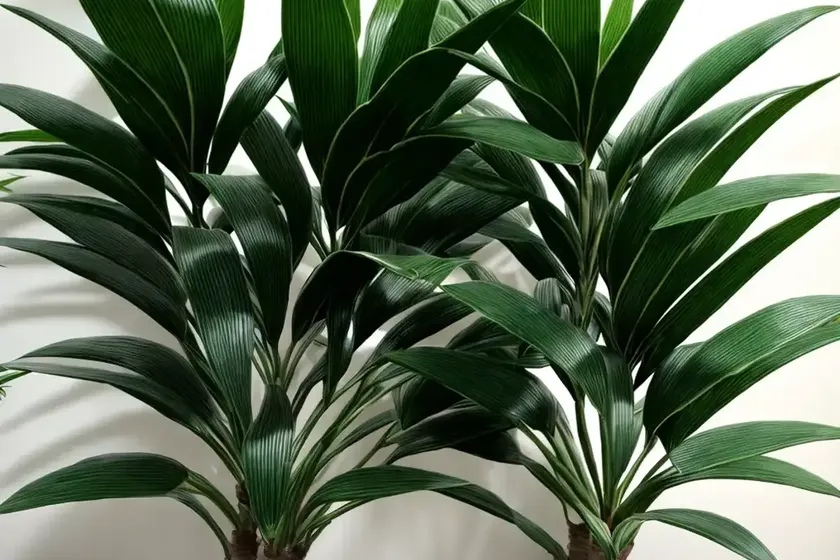

What is Plant: Dracaena Ray of Sunshine (Dracaena marginata ‘Ray of Sunshine’)
Dracaena Ray of Sunshine, scientifically known as Dracaena marginata ‘Ray of Sunshine’, is a striking and popular indoor plant characterized by its vibrant golden-yellow variegated leaves. The Dracaena genus is composed of around 40 species of trees and shrubs native to Africa, Asia, and Central America. The Ray of Sunshine variety is a type of Dracaena marginata, which is commonly referred to as the dragon tree due to its red resin resembling dragon’s blood. This low-maintenance and visually appealing plant is favored for its air-purifying properties and decorative foliage, making it an excellent addition to homes, offices, and indoor spaces.
Key Takeaways – Dracaena Ray of Sunshine (Dracaena marginata ‘Ray of Sunshine’)
- Scientific Name: Dracaena marginata ‘Ray of Sunshine’
- Common Names: Dracaena Ray of Sunshine, Ray of Sunshine Dracaena
- Type: Perennial evergreen shrub
- Watering: Moderate
- Light: Bright, indirect sunlight
- Soil: Well-draining, aerated soil
- Propagation: Stem cuttings
- Container Size: 6-10 inches in diameter
- Common Diseases: Leaf spot, root rot
- Common Pests: Spider mites, mealybugs
- Toxicity: Considered toxic to pets
- Air-purifying: Yes
Now, let’s dig deeper into the various aspects of caring for the Dracaena Ray of Sunshine, including culture, uses, water requirements, sunlight needs, fertilizer, soil, pruning, propagation, containers, common diseases, common pests, and several botanist’s tips.
Culture
The Dracaena Ray of Sunshine is known for its ease of care and adaptability to indoor environments. Understanding its cultural requirements is essential in ensuring its optimal growth and overall health.
Uses
The Ray of Sunshine Dracaena is widely utilized for its ornamental value and air-purifying qualities. It serves as an excellent indoor decorative plant, enhancing the visual appeal of any space. Additionally, its ability to purify the air by removing harmful toxins makes it a popular choice for indoor environments.
Water
Proper watering is crucial for the health of the Dracaena Ray of Sunshine. Overwatering can lead to root rot, while underwatering may cause the plant to wilt and experience stunted growth. It is important to strike the right balance and adapt watering frequency based on seasonal variations and the plant’s specific needs.
- Watering Frequency: Allow the topsoil to dry out between waterings, typically once every 1-2 weeks.
- Watering Technique: Water the plant thoroughly until the excess water drains from the bottom of the pot. Avoid leaving the plant sitting in standing water, as it can lead to root rot.
Sunlight
The Dracaena Ray of Sunshine thrives in bright, indirect sunlight. Placing it near a window with filtered light or using sheer curtains to diffuse direct sunlight can ensure that the plant receives adequate illumination without being subjected to harsh sun rays.
- Light Requirements: Prefers bright, indirect light. Direct sun exposure should be limited to the morning or late afternoon hours.
Fertilizer
Regular fertilization is essential for supporting the growth and vitality of the Dracaena Ray of Sunshine. A balanced liquid fertilizer formulated for indoor plants can provide the necessary nutrients required for healthy foliage and overall plant development.
- Fertilizing Schedule: Apply a diluted liquid houseplant fertilizer every 2-4 weeks during the growing season (spring and summer). Reduce the frequency to once every 6-8 weeks in fall and winter.
Soil
The choice of soil directly impacts the plant’s ability to thrive. Well-draining, aerated soil enables proper root development and prevents waterlogging, ensuring the optimal health of the Dracaena Ray of Sunshine.
- Soil Type: A well-draining potting mix designed for indoor plants, such as a blend of peat moss, perlite, and pine bark, is ideal for the Ray of Sunshine Dracaena.
- Soil pH: Slightly acidic to neutral soil with a pH range of 6.0-7.0 is suitable for this plant.
Pruning
Pruning helps maintain the desired shape and size of the Dracaena Ray of Sunshine while also promoting new growth. Regular removal of yellowing or damaged leaves, as well as occasional trimming of leggy stems, can enhance the plant’s overall appearance.
- Pruning Technique: Use clean, sharp pruning shears to remove any discolored or wilted leaves. Additionally, trimming the top growth can encourage branching and create a fuller plant.
Propagation
Propagation of the Dracaena Ray of Sunshine can be achieved through stem cuttings. This method allows for the creation of new plants from healthy, established specimens, providing an opportunity to expand your Dracaena collection or share the plant with friends and family.
- Propagation Method: Take 4-6 inch stem cuttings from a mature Dracaena Ray of Sunshine plant and place them in a container of water or a moist potting medium to encourage root development.
- Propagation Timing: Spring or early summer is the ideal time for propagating the Ray of Sunshine Dracaena, as the plant is actively growing during this period.
Container
Choosing the right container is essential for the well-being of the Dracaena Ray of Sunshine. An appropriate container provides adequate space for root expansion, sufficient drainage, and stability for the growing plant.
- Container Size: Select a pot that is 6-10 inches in diameter, allowing ample room for the roots to grow without being excessively constrained.
- Container Material: Opt for containers made of plastic, ceramic, or terracotta with drainage holes to facilitate proper water drainage.
Popularity
The Dracaena Ray of Sunshine has gained popularity among plant enthusiasts and interior decorators due to its vibrant foliage and ease of care. Its adaptability to indoor environments, coupled with its air-purifying attributes, has contributed to its widespread appeal as a decorative houseplant.
Common Diseases
Despite being relatively resilient, the Dracaena Ray of Sunshine is susceptible to certain diseases that can impact its health and appearance if not addressed promptly.
Disease Diagnosis
Understanding the symptoms and causes of common diseases can enable timely intervention and preventive measures to safeguard the health of the Ray of Sunshine Dracaena.
Leaf Spot
Leaf spot, caused by fungal pathogens, manifests as dark, water-soaked lesions on the plant’s foliage. These spots can gradually increase in size, leading to leaf yellowing and premature defoliation if left untreated.
Root Rot
Excessive moisture and poor drainage can create an environment conducive to root rot, characterized by mushy, discolored roots and wilted, yellowing leaves. In severe cases, the plant may experience systemic decline and eventual demise if the root rot is not addressed promptly.
Common Pests
The presence of pests can pose a threat to the health and vitality of the Dracaena Ray of Sunshine. Identifying and addressing common pests is crucial for preserving the plant’s well-being.
Botanist’s Tips
Seasoned botanists and plant enthusiasts often have valuable insights and recommendations based on their experience with the Dracaena Ray of Sunshine. Here are some expert tips to enhance your care practices and ensure the optimal growth of this captivating plant.
- Consistent Monitoring: Regularly observe the plant for any signs of distress, including discoloration, leaf spots, or pest activity. Early detection can facilitate prompt intervention and prevent issues from escalating.
- Adequate Air Circulation: Ensure that the plant receives adequate air circulation to minimize the risk of fungal diseases and promote overall plant health. Avoid overcrowding the plant with other objects or obstructing natural airflow.
- Adjusting Watering: Adapt your watering frequency based on seasonal changes and the plant’s growth patterns. Be mindful of environmental factors such as humidity levels and temperature, as they can influence the plant’s water requirements.
- Growth Habits: Familiarize yourself with the typical growth habits of the Dracaena Ray of Sunshine to anticipate its developmental trajectory and make informed decisions regarding pruning, propagation, and overall care.
Fun Facts
- The Dracaena Ray of Sunshine is known for its air-purifying properties, effectively removing pollutants such as formaldehyde, benzene, and trichloroethylene from the air.
- In addition to its decorative appeal, the vibrant foliage of the Ray of Sunshine Dracaena adds a touch of cheerful brightness to indoor spaces.
- The Dracaena marginata species, to which the Ray of Sunshine belongs, is renowned for its resilience in various indoor conditions, making it well-suited for novice plant enthusiasts.
Links to External Resources
For additional information and guidance on the care and cultivation of the Dracaena Ray of Sunshine, consider exploring the following reputable resources:
- The Spruce – Dracaena Marginata Plant Profile
- University of Florida IFAS Extension – Dracaena marginata
- The University of Georgia Extension – Indoor Plants
As a plant scientist, it’s always a pleasure to explore the unique characteristics and care requirements of plant species like the Dracaena Ray of Sunshine. By understanding the cultural needs, potential challenges, and best practices associated with this plant, enthusiasts can cultivate thriving specimens that add natural beauty and vitality to their indoor environments. With a commitment to attentive care and ongoing learning, the Dracaena Ray of Sunshine can continue to brighten spaces and captivate plant enthusiasts with its vibrant presence.