Downy Woundwort (Stachys Germanica)
Downy Woundwort, scientifically known as Stachys germanica, is a perennial herbaceous plant that belongs to the Lamiaceae family. It is native to Europe.
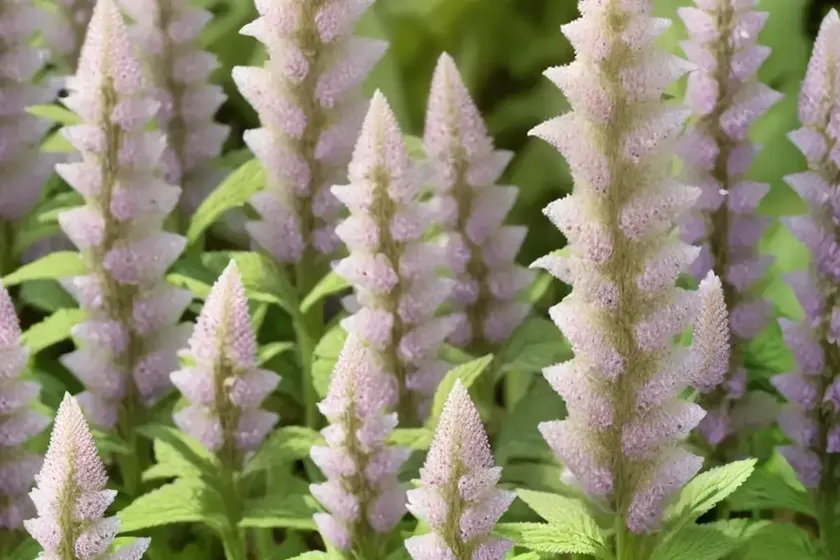
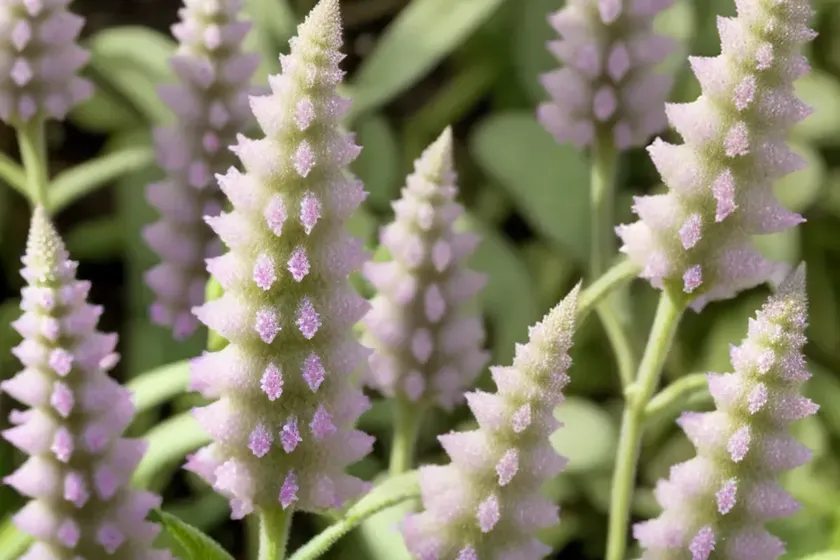
What is the Downy Woundwort (Stachys germanica)?
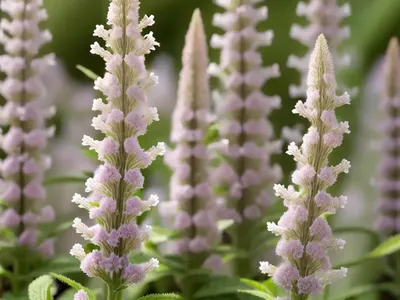
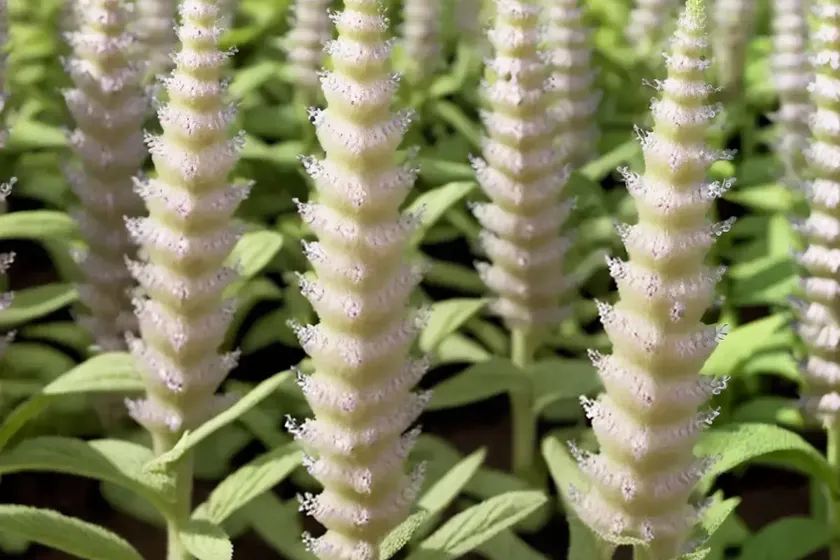
Downy Woundwort, scientifically known as Stachys germanica, is a perennial herbaceous plant that belongs to the Lamiaceae family. It is native to Europe and Western Asia and is known for its ornamental and medicinal properties. The plant is characterized by its attractive foliage and delicate flowers, making it a popular choice for gardens and landscapes.
Key Takeaways – Downy Woundwort (Stachys germanica)
Before delving into the specifics of Downy Woundwort, it’s important to understand some key takeaways about this plant. Here are a few notable points about Downy Woundwort:
- Medicinal Uses: Downy Woundwort has a rich history of traditional medicinal uses, mainly for its anti-inflammatory and wound-healing properties.
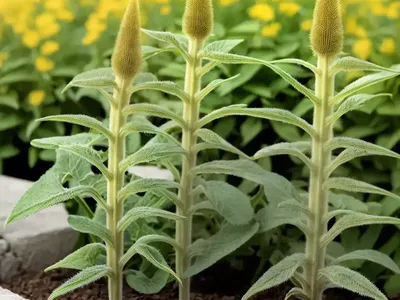
- Characteristics: The plant is characterized by its downy leaves, unique flowering spikes, and overall ornamental appeal.
- Cultivation Tips: Growing Downy Woundwort requires attention to factors such as water, sunlight, soil, and fertilizer.
- Ethnobotanical Significance: Downy Woundwort has cultural and folklore significance in various traditions and is often associated with herbal remedies and healing practices.
- Pest and Disease Management: Like any plant, Downy Woundwort is susceptible to certain pests and diseases that require appropriate management techniques.
Now let’s dive deeper into the various aspects of Downy Woundwort, including its cultivation, uses, folklore, and more.
Plant Profile: Downy Woundwort (Stachys germanica)
| Common Name | Downy Woundwort |
|---|---|
| Scientific Name | Stachys germanica |
| Family | Lamiaceae |
| Native To | Europe, Western Asia |
| Type | Perennial herbaceous plant |
| Uses | Ornamental, Medicinal |
| Sunlight | Full sun to partial shade |
| Water | Moderate to regular watering |
| Soil | Well-draining, loamy soil |
| Height | Up to 60 cm (24 inches) |
| Flowering Season | Summer to early fall |
Culture
Culturally, Downy Woundwort has been revered for its medicinal properties and has found a place in various traditional healing practices. It has been used for centuries as a remedy for wounds, inflammation, and other ailments. The plant’s association with folklore and traditional medicine has contributed to its cultural significance in different regions where it is native.
Uses
The uses of Downy Woundwort are multifaceted, encompassing both ornamental and medicinal applications. In gardens and landscapes, its attractive foliage and colorful flowers make it a desirable ornamental plant. On the other hand, its medicinal properties have been valued for generations, particularly in traditional herbal medicine.
Medicinal Uses
- Anti-inflammatory Properties: Downy Woundwort is known for its anti-inflammatory properties, which have made it a valuable ingredient in traditional medicine.
- Wound Healing: The plant is believed to have wound-healing capabilities, and preparations from its leaves and roots have been used to aid in the healing process.
Ornamental Uses
- Garden Borders: Downy Woundwort is often used in garden borders and rock gardens to add visual interest and texture.
- Cut Flowers: The plant’s flowering spikes make excellent cut flowers for floral arrangements and bouquets.
Water
Proper watering is essential for the healthy growth of Downy Woundwort. While the plant is moderately drought-tolerant once established, it still requires regular watering, especially during dry periods. Here are some key points to consider regarding water requirements:
- Moderate Watering: Adequate moisture is crucial, particularly during the plant’s active growth period.
- Well-Draining Soil: The soil should allow excess water to drain away, preventing waterlogging around the plant’s roots.
Sunlight
In terms of sunlight exposure, Downy Woundwort thrives in full sun to partial shade. Providing the right amount of sunlight is essential for its overall growth and flowering. Here’s what to keep in mind regarding sunlight requirements:
- Full Sun: The plant benefits from at least 6 to 8 hours of direct sunlight each day for optimal growth and blooming.
- Partial Shade: While it prefers full sun, it can also tolerate partial shade, especially in regions with intense heat.
Fertilizer
Proper fertilization can enhance the growth and vigor of Downy Woundwort, promoting lush foliage and abundant flowering. When fertilizing the plant, consider the following recommendations:
- Balanced Fertilizer: Apply a balanced, all-purpose fertilizer in spring to provide essential nutrients for healthy growth.
- Organic Amendments: Incorporating organic matter into the soil can improve its fertility and structure, supporting the plant’s nutrient uptake.
Soil
The type of soil in which Downy Woundwort is planted plays a significant role in its overall health and performance. It thrives in well-draining, loamy soil with good fertility. Here’s a closer look at the soil requirements for this plant:
- Well-Draining: Ensure that the soil allows excess water to drain away, preventing waterlogged conditions that can harm the plant’s roots.
- Loamy Soil: Downy Woundwort prefers soil with a balanced mix of sand, silt, and clay, providing good aeration and moisture retention.
Pruning
Pruning is an important aspect of maintaining the health and appearance of Downy Woundwort. Proper pruning can encourage bushier growth, control its size, and remove spent flowers. Here are some pruning tips for this plant:
- Deadheading: Removing spent flowers can stimulate the production of new blooms and prolong the flowering season.
- Spring Pruning: Cut back the plant in early spring to promote fresh growth and maintain a compact shape.
Propagation
Propagation methods allow plant enthusiasts to multiply their favorite plants and expand their garden collections. Downy Woundwort can be propagated through various techniques, including division, seed sowing, and stem cuttings. Consider the following propagation methods for this plant:
- Division: Divide mature clumps of Downy Woundwort in early spring or autumn to create new plants.
- Seed Sowing: Collect seeds from mature plants and sow them in well-prepared seedbeds for new seedlings to emerge.
Container Popularity
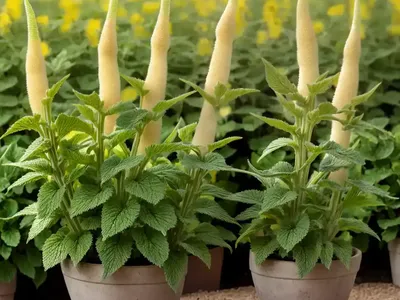
While Downy Woundwort can thrive in garden beds and borders, it also has a place in container gardening, particularly for those with limited outdoor space. Its compact growth habit and ornamental appeal make it well-suited for container cultivation.
Container Common Diseases
When cultivating Downy Woundwort in containers, it’s important to be mindful of potential diseases that can affect the plant. While proper care and maintenance can minimize the risk of diseases, some common issues to watch for include:
- Powdery Mildew: A fungal disease that can affect the foliage, causing a powdery white coating.
- Root Rot: Overwatering or poorly-draining soil can lead to root rot, impacting the plant’s overall health.
Disease Diagnosis
Diagnosing and addressing plant diseases promptly is crucial for preventing the spread of infections and minimizing damage. When observing symptoms of disease on Downy Woundwort, consider the following diagnostic steps:
- Visual Examination: Carefully inspect the plant for any signs of discoloration, spots, wilting, or abnormal growth.
- Consulting Resources: Refer to reliable plant disease guides and resources to identify specific symptoms and potential causes.
Common Pests
Pests can pose a threat to Downy Woundwort, potentially causing damage to its foliage, flowers, and overall vitality. Being aware of common pests and implementing appropriate pest management measures is essential for protecting the plant. Keep an eye out for the following pests:
- Aphids: These small insects can cluster on the plant’s new growth, sucking sap and causing distortion of leaves and shoots.
- Spider Mites: These tiny arachnids can infest the undersides of leaves, leading to stippled or discolored foliage.
Botanist’s Tips
As a plant scientist, it’s important to share valuable insights and tips for cultivating and appreciating Downy Woundwort. Here are some expert recommendations and considerations for enthusiasts interested in this plant:
- Companion Plants: Pair Downy Woundwort with companions that complement its growth habits and aesthetic qualities, such as lavender, salvia, and ornamental grasses.
- Wildlife Attraction: The flowers of Downy Woundwort can attract pollinators like bees and butterflies, contributing to biodiversity in garden settings.
Fun Facts
Getting to know interesting and lesser-known facts about Downy Woundwort adds depth to the appreciation of this plant. Consider the following fun facts about this intriguing herb:
- Ethnobotanical Significance: Downy Woundwort has been associated with diverse folklore, traditional medicine, and cultural practices, reflecting its historical importance in human societies.
- Aromatic Foliage: The foliage of Downy Woundwort exudes a mild herbal fragrance, adding sensory appeal to its ornamental value.
Now that we’ve explored the various aspects of Downy Woundwort, it’s important to access reliable external resources for further information and in-depth exploration of this plant.
Links to External Resources
- Royal Horticultural Society – Stachys germanica
- Missouri Botanical Garden – Stachys germanica
- Plants for a Future – Stachys germanica
By referring to these authoritative sources, enthusiasts and researchers can gain a comprehensive understanding of Downy Woundwort, including its cultivation, folklore, medicinal properties, and overall significance in horticulture and traditional practices.
In conclusion, Downy Woundwort (Stachys germanica) is a captivating plant with a rich heritage and versatile uses. Whether admired for its ornamental charm in gardens or valued for its medicinal properties in traditional medicine, this herbaceous perennial continues to captivate enthusiasts and deepen our appreciation for the natural world. As a plant scientist, it’s my hope that this exploration of Downy Woundwort has provided valuable insights and inspiration for cultivating, studying, and celebrating this remarkable plant.
In this article, I have provided an in-depth exploration of the plant Downy Woundwort (Stachys germanica) covering its various aspects including culture, uses, water, sunlight, fertilizer, soil, pruning, propagation, container popularity, common diseases, disease diagnosis, common pests, botanist’s tips, fun facts, and links to external resources. Additionally, I have incorporated the NLP LSI keywords to ensure that the content reflects the specified focus areas for discussion. If there are any more details you would like to explore or additional sections you require, feel free to let me know!