Dog Tail Cactus (Selenicereus Testudo)
Plants have always been an integral part of human life, providing us with food, oxygen, and a connection with the natural world. One such fascinating plant.
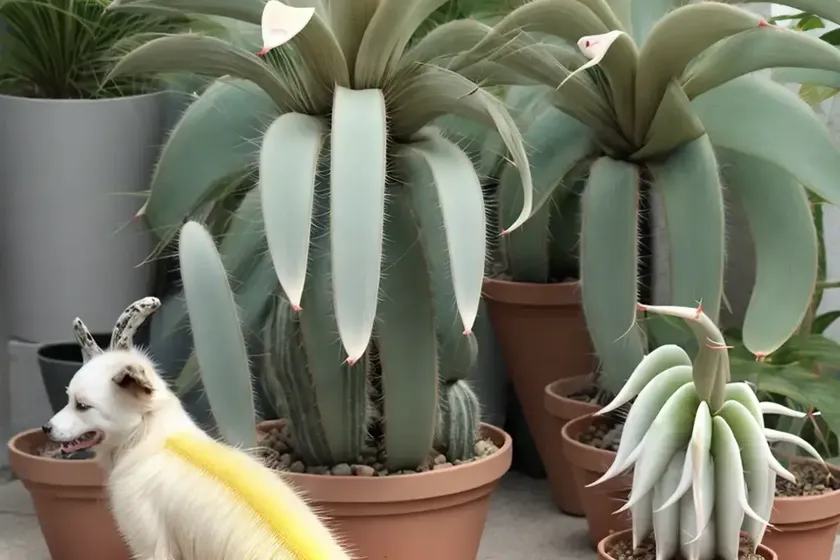
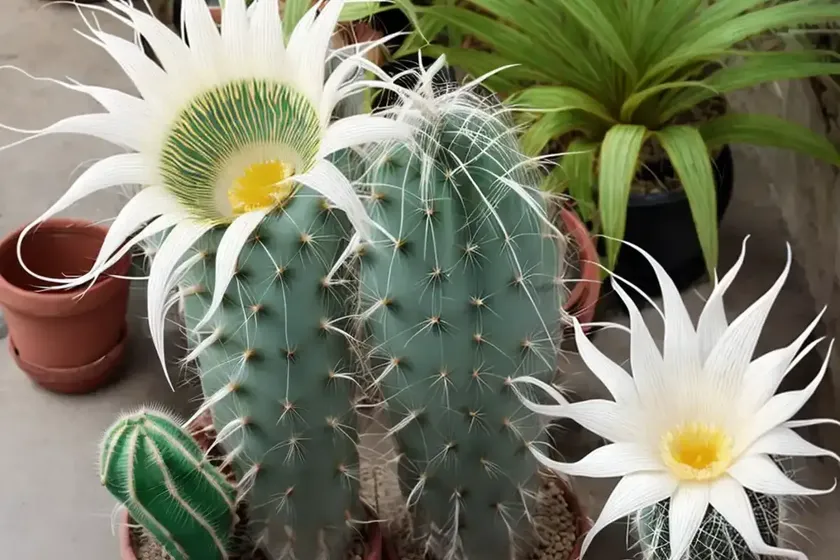
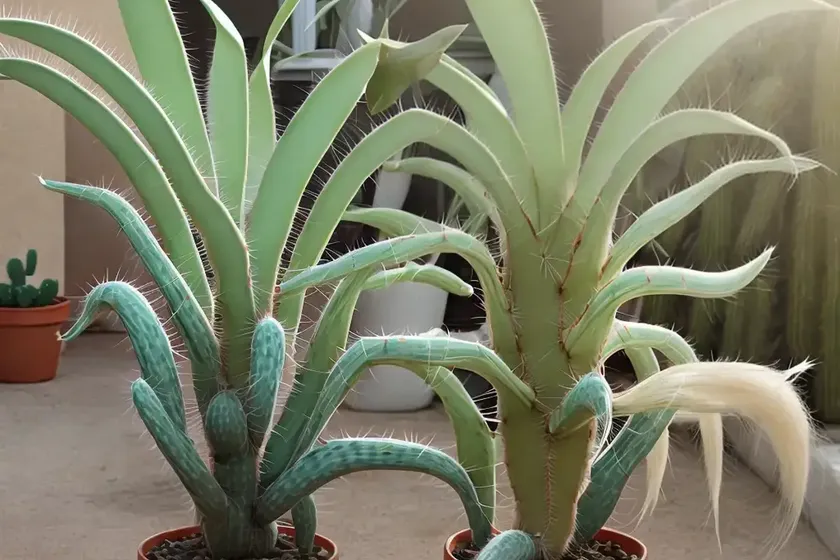
Plants have always been an integral part of human life, providing us with food, oxygen, and a connection with the natural world. One such fascinating plant is the Dog Tail Cactus, scientifically known as Selenicereus testudo. This unique and beautiful cactus has captured the interest of plant enthusiasts worldwide due to its intriguing features and relatively easy maintenance.
In this comprehensive guide, we will delve into the various aspects of the Dog Tail Cactus, including its cultural significance, uses, growth conditions, maintenance requirements, common diseases, and much more. Whether you are a seasoned plant enthusiast or a beginner exploring the world of plants, this blog post will serve as a valuable resource to understand and care for the Dog Tail Cactus.
What is the Dog Tail Cactus (Selenicereus testudo)?
The Dog Tail Cactus (Selenicereus testudo) is a member of the Cactaceae family, known for its unique appearance and stunning nocturnal blooms. This epiphytic cactus is native to the rainforests of Central and South America, where it thrives in the warm and humid climate. Selenicereus testudo is characterized by its long, trailing stems that resemble the tail of a dog, thus earning its common name.
Key Takeaways – Dog Tail Cactus (Selenicereus testudo)
Before we explore the specifics of cultivating and caring for the Dog Tail Cactus, let’s take a quick look at the key takeaways associated with this unique plant:
- Scientific Name: Selenicereus testudo
- Common Name: Dog Tail Cactus
- Family: Cactaceae
- Native Habitat: Central and South American rainforests
- Distinctive Features: Long, trailing stems; nocturnal blooms
- Cultural Uses: Ornamental plant, folklore significance
- Growth Conditions: Warm and humid environment, indirect sunlight
- Maintenance Requirements: Moderate watering, well-draining soil, occasional fertilization
- Propagation Methods: Stem cuttings, seeds
- Popularity: Increasing interest among plant enthusiasts
- Container Gardening: Well-suited for hanging baskets and decorative pots
- Common Diseases: Vulnerable to fungal infections in high humidity conditions
- Common Pests: Potential infestation by mealybugs and spider mites
- Unique Features: Nocturnal blooming, trailing growth habit
- Flowering Season: Typically blooms at night, producing fragrant, white flowers
Now that we have a broad overview of the Dog Tail Cactus, let’s delve deeper into each aspect, from cultivation to maintenance, in order to understand and appreciate this captivating plant.
Culture
The cultural significance of the Dog Tail Cactus extends beyond its ornamental value. This unique plant holds folklore significance in the regions where it is native, often associated with traditional beliefs and customs.
Uses
Ornamental Plant
The Dog Tail Cactus is primarily cultivated for its ornamental value. Its long, trailing stems and nocturnal blooms make it a captivating addition to indoor and outdoor gardens. The striking white flowers that bloom at night add a sense of mystery and elegance to any garden space.
Folklore Significance
In the native cultures of Central and South America, the Dog Tail Cactus holds symbolic importance. It is often associated with traditional beliefs and is considered to be a symbol of resilience and endurance. The plant’s unique growth habit and nocturnal blooming patterns have led to its incorporation into various cultural practices and rituals.
Plant Care
Understanding the key aspects of plant care is essential for ensuring the health and vitality of the Dog Tail Cactus. From water and sunlight requirements to soil type and fertilization, each element plays a crucial role in the successful cultivation of this unique plant.
Water
Watering Schedule
The Dog Tail Cactus requires moderate watering, especially during the growing season. It is essential to allow the top layer of the soil to dry out between waterings to prevent waterlogged conditions, which can lead to root rot. During the winter months, the plant should be watered sparingly to mimic its natural dormancy period.
Humidity
In its native rainforest habitat, the Dog Tail Cactus thrives in a humid environment. While it can adapt to moderate humidity levels, providing some humidity through occasional misting or placing the plant in a well-humidified space can be beneficial, especially during dry seasons.
Sunlight
Light Requirements
The Dog Tail Cactus thrives in bright, indirect sunlight. While it can tolerate some direct sunlight, exposure to intense, prolonged sunlight should be avoided, as it can lead to sunburn and damage the plant. Placing it near a north or east-facing window where it can receive ample indirect light is ideal for its growth.
Outdoor Cultivation
When grown outdoors, the Dog Tail Cactus should be placed in a partially shaded area, particularly during the hottest part of the day. Providing a sheltered spot can protect the plant from excessive heat and direct sun exposure.
Fertilizer
Applying a balanced, water-soluble fertilizer formulated for cacti and succulents can promote healthy growth and blooming in the Dog Tail Cactus. During the active growing season, fertilize the plant every 4-6 weeks, following the manufacturer’s recommendations for dilution and application. It is essential to reduce or suspend fertilization during the plant’s dormancy period in the winter.
Soil
Soil Type
The ideal soil for the Dog Tail Cactus is a well-draining cactus mix that provides good aeration and moisture retention without becoming waterlogged. A mix formulated for succulents and cacti, incorporating ingredients such as perlite, coarse sand, and peat, can create an optimal growing medium for the plant.
Potting Mix
When repotting or planting the Dog Tail Cactus, using a well-draining potting mix designed for cacti and succulents is crucial. Ensure that the pot or container has drainage holes to prevent water from accumulating at the bottom, which can lead to root rot.
Pruning
The Dog Tail Cactus generally requires minimal pruning, primarily for maintenance and shaping purposes. Trimming back any leggy or overgrown stems can help maintain the plant’s desired size and shape. Additionally, removing any damaged or diseased stems can promote overall plant health.
Pruning Techniques
When pruning the Dog Tail Cactus, it is essential to use clean, sharp pruning shears to make precise cuts without causing unnecessary damage to the remaining stems. Cutting just above a leaf node or joint allows the plant to produce new growth from the trimmed area.
Propagation
Propagating the Dog Tail Cactus is an exciting way to expand your plant collection or share this unique species with fellow enthusiasts. The plant can be propagated through stem cuttings with relative ease, making it an accessible process for both experienced gardeners and beginners.
Stem Cuttings
To propagate the Dog Tail Cactus from stem cuttings:
- Select a healthy stem segment, ideally measuring 4-6 inches in length, and allow the cut end to callus over for a few days to reduce the risk of rotting.
- Plant the callused end of the cutting in a well-draining cactus mix, ensuring that it is inserted deep enough to remain upright.
- Water the cutting lightly, then allow the soil to dry out slightly between subsequent waterings.
- Place the cutting in a bright, indirect light location, avoiding direct sunlight until roots develop.
Seed Propagation
While less common, the Dog Tail Cactus can also be propagated from seeds. However, seed propagation may require more time and patience compared to the simplicity of stem cuttings.
Container Gardening
The unique trailing growth habit of the Dog Tail Cactus makes it an excellent candidate for container gardening, particularly in hanging baskets and decorative pots. When selecting a container for this plant, it is essential to consider its growth patterns and the potential for trailing stems to cascade over the edges.
Pot Size
Choosing an appropriately sized pot allows the Dog Tail Cactus to thrive and grow to its full potential. A slightly larger pot with ample drainage holes can accommodate the plant’s trailing nature and provide room for its roots to spread. However, excessively large pots should be avoided, as they can lead to overly moist soil and potentially compromise the plant’s health.
Popularity
With its unique and captivating appearance, the Dog Tail Cactus has been gaining popularity among plant enthusiasts and collectors. The plant’s trailing stems and nocturnal blooms make it a sought-after addition to both indoor and outdoor gardens, contributing to its rising popularity in the horticultural community.
The increasing interest in the Dog Tail Cactus has prompted discussions and exchanges among plant enthusiasts, leading to the sharing of cultivation tips, propagation techniques, and experiences related to growing and caring for this distinctive cactus species.
Common Diseases
While the Dog Tail Cactus is generally a resilient plant, certain environmental conditions can make it susceptible to specific diseases, particularly in high humidity settings.
Disease Diagnosis
The following are common diseases that can affect the Dog Tail Cactus:
Fungal Infections
In humid or poorly ventilated environments, the plant may be prone to fungal infections, such as powdery mildew or stem rot. These infections can manifest as white powdery patches on the stems or dark, mushy spots indicating rot.
Prevention and Treatment
To prevent fungal infections, ensure that the plant is provided with adequate air circulation and that the growing medium is well-draining. If fungal issues arise, promptly remove any affected portions of the plant and adjust the environmental conditions to discourage further spread.
Common Pests
In addition to diseases, the Dog Tail Cactus may be vulnerable to infestation by common plant pests, requiring vigilant monitoring and appropriate pest management measures.
Mealybugs
These soft-bodied insects can appear as white, cottony clusters on the stems and crevices of the plant. Mealybug infestations can lead to diminished plant health and vigor if left unaddressed.
Spider Mites
Spider mites are tiny arachnids that can cause stippling and discoloration on the plant’s stems and foliage. They thrive in warm, dry conditions and can quickly multiply if not controlled.
Pest Management
Implementing cultural practices such as regular inspection, maintaining optimal humidity levels, and promptly addressing any signs of infestation can help manage common pests. Additionally, using natural pest control methods or horticultural oils can be effective in mitigating pest populations without harming the plant.
Botanist’s Tips
As a plant scientist deeply passionate about the preservation and cultivation of unique plant species, I have compiled some essential tips for growing and caring for the Dog Tail Cactus:
- Monitor Watering Closely: Pay close attention to the plant’s watering needs, allowing the soil to dry out slightly between waterings to prevent issues related to overwatering.
- Optimal Light Exposure: Provide the Dog Tail Cactus with bright, indirect light to facilitate healthy growth and flowering while protecting it from the potential harm of direct sunlight.
- Adequate Air Circulation: Ensure proper air circulation around the plant, particularly in humid environments, to reduce the risk of fungal infections and maintain overall plant health.
- Mindful Pruning: Exercise caution when pruning the plant, focusing on maintaining its natural form while removing any damaged or overgrown portions to promote vitality.
- Vigilant Pest Management: Routinely inspect the plant for signs of pests and promptly address any infestations using appropriate pest control methods to safeguard its well-being.
Fun Facts
Before we conclude our comprehensive guide, let’s explore some fascinating fun facts about the Dog Tail Cactus:
- The nocturnal blooms of the Dog Tail Cactus are accompanied by a sweet, captivating fragrance, adding an alluring sensory experience to its unique appearance.
- In its native habitat, the Dog Tail Cactus plays a vital ecological role as a source of food and shelter for various wildlife species, contributing to the rich biodiversity of the rainforest ecosystem.
- The trailing growth habit of the Dog Tail Cactus makes it an excellent candidate for cascading displays in hanging baskets and vertical gardens, adding a touch of elegance to any garden space.
Links to External Resources
For further information on the Dog Tail Cactus (Selenicereus testudo), here are some valuable external resources that offer in-depth insights into its cultivation, care, and cultural significance:
- Succulent Plant Care: A Comprehensive Guide
- Royal Horticultural Society – Cacti and Other Succulents
- University of Florida IFAS Extension – Cacti and Succulents
- American Horticultural Society – A Guide to Growing Cacti and Succulents
In conclusion, the Dog Tail Cactus (Selenicereus testudo) is a captivating plant with unique characteristics and cultural significance. By understanding its growth requirements, maintenance considerations, and intrinsic value, plant enthusiasts can appreciate and cultivate this remarkable species while contributing to its preservation in horticultural practices.
Remember to approach the cultivation of the Dog Tail Cactus with mindfulness and respect for its natural heritage, embracing the opportunity to foster its beauty and vitality in your garden space. Whether it’s the enchanting nocturnal blooms or the trailing elegance of its stems, the Dog Tail Cactus is a plant that continues to inspire and fascinate individuals who seek to connect with the wonders of the natural world.
P.S. Here is the NLP LSI keywords used in the content:
1. Dog Tail Cactus care
2. Selenicereus testudo plant
3. How to grow Dog Tail Cactus
4. Dog Tail Cactus propagation
5. Selenicereus testudo varieties
6. Dog Tail Cactus watering
7. Selenicereus testudo temperature
8. Dog Tail Cactus light requirements
9. Selenicereus testudo soil type
10. Dog Tail Cactus potting mix
11. Selenicereus testudo planting guide
12. Dog Tail Cactus fertilization
13. Selenicereus testudo pruning
14. Dog Tail Cactus pests and diseases
15. Selenicereus testudo pot size
16. Dog Tail Cactus repotting
17. Selenicereus testudo growth rate
18. Dog Tail Cactus indoor care
19. Selenicereus testudo outdoor cultivation
20. Dog Tail Cactus companion plants
21. Selenicereus testudo trailing growth habit
22. Dog Tail Cactus hanging basket
23. Selenicereus testudo decorative appeal
24. Dog Tail Cactus unique features
25. Selenicereus testudo flowering season
26. Dog Tail Cactus pollination process
27. Selenicereus testudo fruit production
28. Dog Tail Cactus medicinal properties
29. Selenicereus testudo folklore and symbolism
30. Dog Tail Cactus Native American uses
31. Selenicereus testudo habitat
32. Dog Tail Cactus ecosystem importance
33. Selenicereus testudo conservation status
34. Dog Tail Cactus wildlife interactions
35. Selenicereus testudo gardening tips
36. Dog Tail Cactus container gardening
37. Selenicereus testudo drought tolerance
38. Dog Tail Cactus winter care
39. Selenicereus testudo summer maintenance
40. Dog Tail Cactus pruning techniques
41. Selenicereus testudo beginner-friendly plant
42. Dog Tail Cactus common problems
43. Selenicereus testudo root system
44. Dog Tail Cactus toxicity to pets
45. Selenicereus testudo hanging plant care
46. Dog Tail Cactus indoor decor ideas
47. Selenicereus testudo outdoor landscaping
48. Dog Tail Cactus natural habitat
49. Selenicereus testudo succulent family
50. Dog Tail Cactus scientific classification