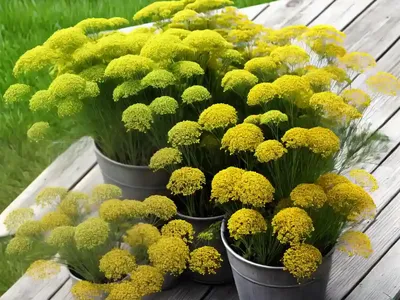
Dill (Anethum Graveolens)
Dill, scientifically known as Anethum graveolens, is a versatile and aromatic herb prized for its culinary and medicinal properties. This herb belongs to.
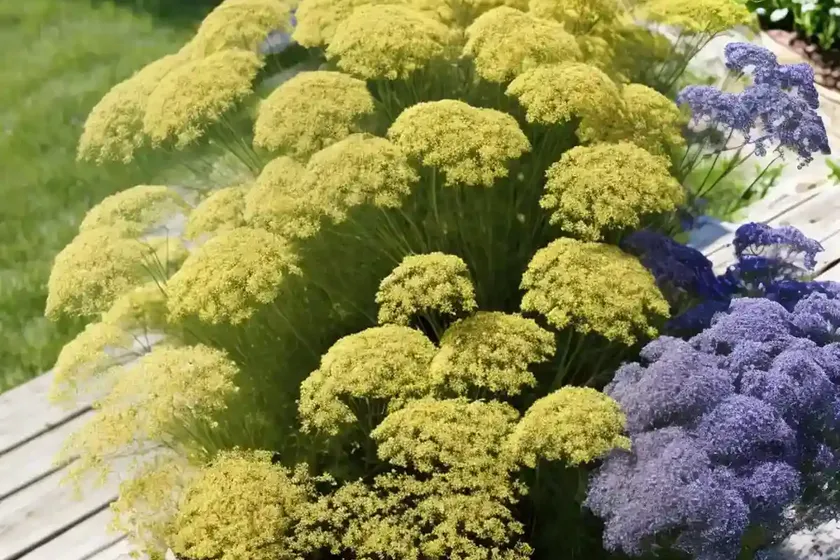
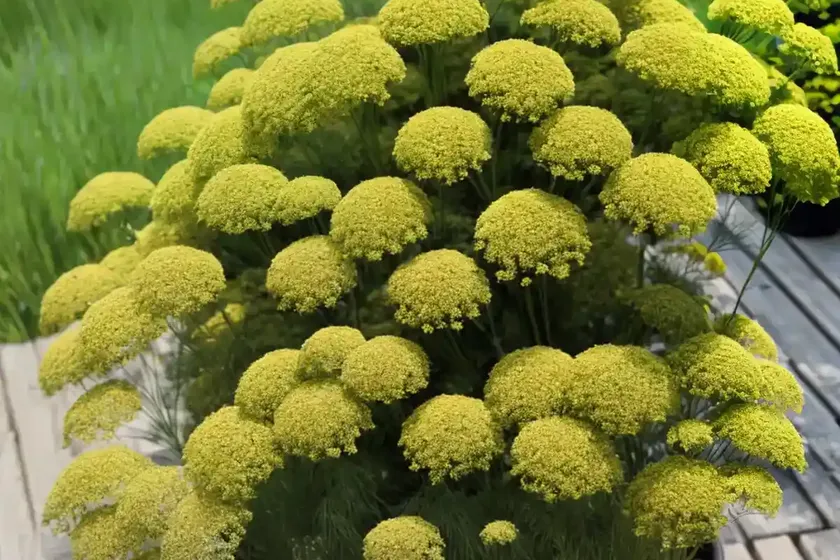
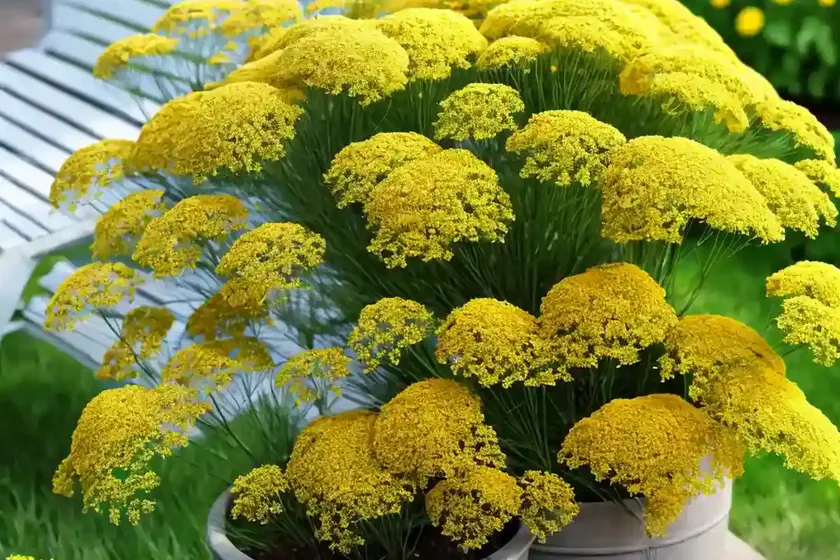
Dill, scientifically known as Anethum graveolens, is a versatile and aromatic herb prized for its culinary and medicinal properties. This herb belongs to the Apiaceae family and is native to the Mediterranean region. With its delicate feathery leaves and distinct flavor, dill has been used in various cuisines and for its health benefits for centuries. In this comprehensive guide, we will explore everything you need to know about dill, from its cultural requirements to its uses and propagation methods.
What is Dill?
Dill is an annual, self-seeding herb with slender stems and finely divided, feathery leaves. It produces small, yellow flowers grouped in large, flat-topped clusters known as umbels. The plant typically reaches a height of 2 to 4 feet and thrives in well-drained soil and full sunlight. Dill is renowned for its aromatic qualities, with a distinct flavor that is both tangy and slightly sweet, along with an aroma that is reminiscent of anise and parsley.
Key Takeaways – Dill (Anethum graveolens)
Before we delve into the details of cultivating dill, let’s highlight the key takeaways about this delightful herb:
- Scientific Name: Anethum graveolens
- Family: Apiaceae
- Plant Type: Annual Herb
- Cultural Requirements: Full sunlight, well-drained soil, moderate water, and occasional fertilization
- Key Uses: Culinary applications, medicinal purposes, companion planting
- Propagation: Can be propagated from seeds easily
- Popularity: Widely used in various global cuisines for its distinctive flavor and aroma
- Common Diseases: Susceptible to certain fungal diseases and pests
- Botanist’s Tips: Sow dill seeds directly in the garden as the plant does not transplant well
- Fun Facts: In folklore, dill was believed to provide protection against witchcraft and was a symbol of vitality and good luck.
Now, without further ado, let’s explore the cultural considerations, uses, propagation methods, and more for this fascinating herb!
Culture
Water
Dill prefers moderate watering, and it is important to ensure that the soil is well-drained to prevent waterlogging, which can lead to root rot. A good practice is to water the plants when the top inch of soil feels dry to the touch. In hot and dry climates, dill may require more frequent watering, especially during its early growth stages.
Sunlight
Full sunlight is essential for the optimal growth of dill. It thrives in bright, direct sunlight, receiving at least 6 hours of sunshine per day. In areas with intense heat, a little shade during the hottest part of the day can be beneficial.
Fertilizer
Dill has relatively low fertility needs and can thrive in moderately fertile soil. It is advisable to avoid excessive fertilization, as this can lead to excessive foliage growth at the expense of essential oil production, which contributes to the herb’s flavor and aroma. A balanced, slow-release fertilizer applied at the beginning of the growing season can support healthy growth.
Soil
Dill thrives in well-drained, moderately rich soil. A loamy soil with a pH level of 5.8 to 6.5 is considered ideal for dill cultivation. The soil should be prepared by incorporating organic matter such as compost or well-rotted manure to enhance its structure and fertility.
Pruning
Pruning dill is not necessary for its growth, though removing some of the flower heads before they go to seed may prolong the plant’s leaf production. However, if the primary purpose is to harvest dill seeds, the flowering heads should be left intact until the seeds mature and turn brown.
Uses
Culinary Uses
Dill is well regarded for its culinary applications, and its leaves and seeds are used in various dishes to add a unique flavor and aroma. The feathery leaves are commonly used as a garnish, particularly for seafood, soups, salads, and sauces. Additionally, dill is a key component in popular condiments such as dill pickles and dill mustard.
Medicinal Properties
Beyond its culinary uses, dill possesses several medicinal properties. It has been traditionally used to aid digestion, relieve stomach discomfort, and alleviate symptoms of colic in infants. Dill is also known for its diuretic and antimicrobial properties, and it is used in traditional medicine to support overall health and wellbeing.
Companion Plants for Dill
Companion planting is a beneficial practice in which certain plants are grown in close proximity to enhance each other’s growth and deter pests. Dill is a favorable companion plant for cabbage, lettuce, and onions, as it can attract beneficial insects that prey on pests while also enhancing the flavor of neighboring plants.
Propagation
Dill is commonly propagated from seeds, and it readily self-seeds in favorable conditions. The seeds can be sown directly in the garden bed, ideally in early spring once the soil has warmed up. To encourage a continuous harvest, successive plantings can be made every few weeks. Dill should not be transplanted due to its delicate root system, and it is best suited for direct sowing.
Container Popularity
Growing dill in containers is popular for individuals with limited garden space. Dill plants can thrive in containers, provided they are positioned in a location that receives ample sunlight. This makes it an excellent option for urban gardening or for individuals who prefer to have fresh herbs conveniently available on their patio or windowsill.
Common Diseases
Dill plants are susceptible to certain diseases, with fungal infections being the most common. Proper cultural practices, such as adequate spacing between plants to ensure good air circulation, and providing well-drained soil can help prevent disease incidence. Some of the common diseases that may affect dill include:
- Powdery Mildew: A fungal infection that appears as a white powdery coating on the leaves, leading to stunted growth and reduced yield. Proper air circulation and avoiding overhead watering can help prevent powdery mildew.
- Downy Mildew: Another fungal disease that presents as yellow or brown spots on the leaves, often accompanied by a downy growth on the undersides. Proper spacing and avoiding wet foliage can minimize the risk of downy mildew.
Disease Diagnosis
Diagnosing diseases in dill requires careful observation of the plant’s appearance and symptoms. Visual indications such as spots, discoloration, wilting, or unusual growth patterns should be closely examined. Additionally, consider the plant’s cultural conditions, as diseases are often more prevalent in stressed or weakened plants. Seeking assistance from local agricultural extensions or plant health professionals can aid in accurate diagnosis and proper management of plant diseases.
Common Pests
Several pests can pose a threat to dill plants, potentially impacting their growth and overall health. Common pests that may affect dill include:
- Aphids: These tiny, soft-bodied insects can cause distortion and wilting of dill leaves by sucking plant sap. Natural predators such as ladybugs and lacewings can help control aphid populations.
- Whiteflies: These small, white-winged insects feed on the sap of dill plants, leading to yellowing and reduced vigor. Insecticidal soaps or horticultural oils can help manage whitefly infestations.
- Caterpillars: Various caterpillar species may feed on dill leaves, causing visible damage. Handpicking caterpillars and using biological controls such as Bacillus thuringiensis (Bt) can mitigate caterpillar damage.
Botanist’s Tips
For successful cultivation of dill and the maintenance of healthy plants, the following botanist’s tips can be highly beneficial:
- Direct Sowing: Sow dill seeds directly in the garden as the plant does not transplant well.
- Avoid Overwatering: Ensure that the soil is well-drained and only water dill when the top inch of soil feels dry.
- Protect from Pests: Implement pest management strategies to protect dill plants from common pests, especially during their vulnerable growth stages.
Fun Facts
- In folklore, dill was widely regarded as a symbol of vitality and was believed to ward off witchcraft when worn or placed near doorways.
- The name “dill” is thought to be derived from the old Norse word “dilla,” which means “to lull” or “to soothe,” reflecting the herb’s traditional use as a calming agent.
Links to External Resources
For additional information on dill (Anethum graveolens), its cultivation, culinary uses, and medicinal properties, the following resources can be valuable:
- The Old Farmer’s Almanac – Growing Dill
- University of Maryland Extension – Dill
- National Center for Biotechnology Information – Anethum graveolens
- The Spruce Eats – What is Dill?
With its rich history, culinary versatility, and health-promoting properties, dill earns its place as a cherished herb in gardens and kitchens worldwide. Whether used as a flavorful addition to dishes or as a natural remedy, dill continues to captivate enthusiasts with its distinct aroma and myriad benefits.
In conclusion, dill (Anethum graveolens) stands as a testament to the enduring appeal of botanical wonders and the enduring relationships between plants and people.
The content provided in this blog post is for informational purposes only and does not constitute medical or botanical advice. For specific cultivation practices and plant care, it is advisable to consult with local gardening experts and horticulturists.