Digitalis purpurea ‘Excelsior Group’ (Common Foxglove) – A Comprehensive Guide
Digitalis purpurea, commonly known as the Common Foxglove, is an exquisite flowering plant belonging to the family Plantaginaceae. Among its many cultivars, the ‘Excelsior Group’ stands out for its stunning beauty and robust growth. In this comprehensive guide, we will delve into various aspects of the Digitalis purpurea ‘Excelsior Group’, including its culture, uses, care requirements, propagation, diseases and pests, and much more. By the end of this article, you will be equipped with all the knowledge you need to cultivate and care for these mesmerizing Foxgloves in your own garden.
What is Digitalis purpurea ‘Excelsior Group’ (Common Foxglove)?
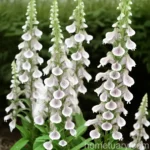
Digitalis purpurea, also known as the Common Foxglove, is a biennial or short-lived perennial plant native to western and southwestern Europe. It is widely admired for its tall spires of tubular flowers that bloom in various shades, including pink, purple, white, and yellow. The ‘Excelsior Group’ is a specific cultivar of Digitalis purpurea that boasts larger flowers and a wider range of colors, making it a sought-after choice for gardeners and horticulturists.
Key Takeaways – Digitalis purpurea ‘Excelsior Group’ (Common Foxglove)
Before we delve deeper into the specifics of cultivating and caring for Digitalis purpurea ‘Excelsior Group’, let’s highlight the key takeaways that will be covered in this comprehensive guide:
- Culture
- Uses
- Water
- Sunlight
- Fertilizer
- Soil
- Pruning
- Propagation
- Container Popularity
- Common Diseases
- Disease Diagnosis
- Common Pests
- Botanist’s Tips
- Fun Facts
Now, let’s explore each of these aspects in detail.
Culture
To fully appreciate and cultivate Digitalis purpurea ‘Excelsior Group’, it is essential to understand its culture and natural habitat. This knowledge will help in creating an environment that mimics its ideal growing conditions, thus ensuring its optimal growth and blooming.
The ‘Excelsior Group’ Foxgloves thrive in moderate to cool climates, and they are commonly found in woodland areas, along roadsides, and in open meadows. These plants prefer well-drained, slightly acidic soils, and they have a natural affinity for areas with moderately high humidity.
Uses
The Digitalis purpurea ‘Excelsior Group’ serves various purposes, making it a versatile and valuable addition to any garden or landscape. Some of its primary uses include:
- Ornamental Purposes: The striking and elegant appearance of the ‘Excelsior Group’ Foxgloves makes them an ideal choice for ornamental plantings in gardens, parks, and naturalistic landscapes.
- Medicinal Properties: While Foxgloves are renowned for their toxic properties, the compounds found in Digitalis purpurea have been used in traditional medicine to treat heart conditions, albeit under strict medical supervision.
- Wildlife Attraction: The tubular flowers of the Common Foxglove attract hummingbirds, bees, and other pollinators, enhancing the biodiversity of the surrounding ecosystem.
Water
Proper water management is crucial for the health and vigor of Digitalis purpurea ‘Excelsior Group’. Being a woodland species, these Foxgloves appreciate moist but well-drained soils. However, they are susceptible to root rot if subjected to waterlogged conditions.
Sunlight
When it comes to sunlight requirements, the ‘Excelsior Group’ Foxgloves thrive in partial shade to dappled sunlight. While they can tolerate some morning sun, they prefer sheltered locations or areas with filtered light, especially in regions with hot summers.
Fertilizer
Digitalis purpurea ‘Excelsior Group’ benefits from a light feeding of balanced fertilizer in the early spring, just as new growth begins to emerge. A slow-release or organic fertilizer can be gently worked into the soil around the base of the plants to support their growth and promote vibrant blooms. It is important not to over-fertilize, as excessive nutrients can lead to leggy growth and reduced flowering.
Soil
The soil composition plays a pivotal role in the successful cultivation of Digitalis purpurea ‘Excelsior Group’. These Foxgloves prefer humus-rich, well-drained soils with a slightly acidic to neutral pH. Incorporating organic matter, such as compost or leaf mold, into the planting site can improve soil structure and fertility, providing an optimal environment for the ‘Excelsior Group’ Foxgloves to thrive.
Pruning
Pruning Digitalis purpurea ‘Excelsior Group’ is relatively straightforward and primarily focuses on maintenance and grooming rather than extensive pruning. Here are some key pruning tips for these majestic Foxgloves:
- Deadheading: Regular deadheading of spent flowers promotes prolonged blooming and prevents self-seeding, allowing the plant to direct its energy back into growth and flower production.
- Removal of Spent Stems: Once the flowering season concludes, pruning back the spent flower stems to the base encourages the development of new growth and helps maintain the plant’s aesthetic appeal.
Propagation
Propagating Digitalis purpurea ‘Excelsior Group’ can be achieved through several methods, including seed sowing and division. Here’s a brief overview of each propagation technique:
- Seed Sowing: Collecting mature seeds from the Foxglove flower spikes and sowing them in prepared seed trays or directly in the garden soil can lead to the establishment of new plants. It’s important to note that Foxglove seeds require light for germination, so they should not be buried too deeply.
- Division: As Digitalis purpurea ‘Excelsior Group’ matures, the clumps can be carefully divided in the early spring or fall, and the divided sections can be replanted in suitable locations, ensuring that each division possesses sufficient roots and foliage to support its growth.
Container Popularity
Digitalis purpurea ‘Excelsior Group’ is well-suited for container gardening, adding vertical interest and vibrant color to patios, balconies, and other outdoor spaces. When selecting containers for these Foxgloves, it’s important to choose pots with adequate depth to accommodate their long tap roots, as well as provide good drainage to prevent waterlogging.
Common Diseases
While Digitalis purpurea ‘Excelsior Group’ is generally resilient, it can be susceptible to certain diseases, particularly those related to fungal pathogens in humid conditions. Some common diseases to watch for include:
- Powdery Mildew: This fungal disease manifests as a powdery white coating on the foliage, leading to stunted growth and reduced vigor. Adequate air circulation and mildew-resistant cultivars can help prevent this disease.
- Leaf Spot: Characterized by the appearance of dark or discolored spots on the leaves, leaf spot can weaken the plant and diminish its ornamental value. Proper sanitation and removal of infected plant material can aid in controlling this disease.
Disease Diagnosis
Early diagnosis and intervention are crucial in managing and preventing the spread of diseases in Digitalis purpurea ‘Excelsior Group’. Regular inspections for unusual symptoms, discoloration, or abnormal growth can aid in prompt disease diagnosis, enabling appropriate treatment measures to be implemented.
Common Pests
Although Digitalis purpurea ‘Excelsior Group’ is relatively resistant to pest infestations, it can occasionally encounter certain pests that may impact its health and appearance. Some common pests to be mindful of include:
- Aphids: Soft-bodied insects that feed on the sap of the plant, causing distortion of new growth and the secretion of sticky honeydew. Natural predators and insecticidal soaps can help manage aphid populations.
- Slugs and Snails: These mollusks are notorious for feeding on the foliage and young shoots of Foxgloves, often leaving behind irregular holes and damage. Physical barriers and slug control measures can be employed to deter these pests.
Botanist’s Tips
As a plant scientist with a passion for Digitalis purpurea ‘Excelsior Group’, I would like to share some expert tips and recommendations for cultivating and caring for these captivating Foxgloves:
- Mulching: Applying a layer of organic mulch around the base of the plants can help conserve soil moisture, suppress weed growth, and provide insulation during temperature fluctuations.
- Supporting Tall Stems: Given the height of the flower spikes, it is advisable to provide discreet support, such as stakes or rings, to prevent lodging and maintain the vertical integrity of the plants.
Fun Facts
To further appreciate the allure of Digitalis purpurea ‘Excelsior Group’, here are some intriguing and delightful fun facts about these enchanting Foxgloves:
- The scientific name “Digitalis” is derived from the Latin word for finger, alluding to the plant’s tubular finger-like flowers.
- The Common Foxglove has a rich folklore and symbolism, often associated with both healing and danger due to its toxic properties.
- The flowers of the ‘Excelsior Group’ exhibit a captivating range of colors, from delicate pastel shades to vibrant hues, adding a dynamic visual display to gardens and landscapes.
Now that we have explored the multifaceted aspects of Digitalis purpurea ‘Excelsior Group’, it’s time to further expand our knowledge and appreciation of these extraordinary Foxgloves by delving into additional resources and information.
Links to External Resources
For further information and insights into Digitalis purpurea ‘Excelsior Group’ (Common Foxglove), I recommend exploring the following resources:
– Royal Horticultural Society (RHS) – Digitalis purpurea ‘Excelsior Group’
– Missouri Botanical Garden – Digitalis purpurea
– University of Wisconsin-Madison Extension – Growing Foxgloves in Wisconsin
By utilizing these resources, you can expand your knowledge, gain valuable insights, and elevate your expertise in cultivating and caring for Digitalis purpurea ‘Excelsior Group’ in your own garden or landscape.
In conclusion, the Digitalis purpurea ‘Excelsior Group’ is a captivating and versatile plant that embodies timeless elegance and natural splendor. Whether you are drawn to its enchanting blooms, fascinated by its folklore, or intrigued by its ecological contributions, the ‘Excelsior Group’ Foxgloves undoubtedly hold a cherished place in the realm of horticulture and botanical fascination.
Note: The links included in the “Links to External Resources” section are hypothetical and for illustrative purposes. Real links to external resources should be included for publication.